Minnesota homeowners often see water softener performance decline as years of hard-water treatment wear on the system. Knowing the warning signs helps you address small problems before they become leaks, recurring scale, or costly appliance damage.
Schedule free water testing and a no-pressure water softener inspection.
How long does a water softener last is a vital question for homeowners who want to protect their pipes and home machines from hard water. Most home systems provide ten to fifteen years of steady service, but the actual life depends on local water and care. Experts at Loon Lakes Water Systems note that high mineral levels can wear out internal parts like the control valve over time. You can help your unit reach its full life by keeping the salt tank full and using high quality salt. Yearly checkups help you catch small leaks before they lead to a total system failure that requires you to buy a new unit.
Local water chemistry, household demand, equipment design, and maintenance all influence service life. The clearest way to assess an aging unit is to test the water first, then inspect the system for wear and operating problems.
How long does a water softener last in Minnesota?
A typical residential water softener may last about 10 to 15 years, but age alone cannot tell you whether a Minnesota system needs replacement. Water hardness, iron, household demand, equipment design, and maintenance all affect useful life. Test the treated water and inspect the equipment before deciding whether to repair or replace it.
Most systems use a resin bed to clean your water through a process called ion exchange. This resin can break down after a decade of heavy use in a busy home. If your home uses well water with iron, the resin may require more frequent cleaning or treatment. The effect on service life depends on the iron level, equipment design, and maintenance. Knowing the water quality in your area helps you know what to expect from your gear.
Factors that impact system life
How you treat your system matters as much as the model you buy. Neglect is the main reason these machines fail too soon. If you run out of salt or use the wrong kind, you can hurt the unit. Regular checks help find small leaks or salt bridges before they become big problems. A salt bridge is a hard crust that forms in the tank and stops the salt from mixing with the water.
The type of control valve on your unit also plays a big role in how long it lasts. Most failures happen in the control valve rather than the tank itself. High-quality valves with ceramic discs tend to last much longer than cheap plastic parts. Newer models often use demand-initiated regeneration. These units are more efficient and help the system last longer by only cleaning when needed. This saves salt and reduces wear on the resin.
- The hardness level of your local water supply.
- The amount of iron and manganese in the water.
- How often the system cycles and cleans itself.
- The quality of the parts and the brand of the unit.
- How well you keep up with salt and cleaning.
Warning signs of a failing softener
It can be hard to tell if your system is at the end of its life. You might notice hard water spots on your dishes or white scale buildup on your faucets. Your soap might not lather as well as it used to in the shower or sink. These signs show that the resin bed is no longer doing its job. You might also see your skin feeling dry or your hair feeling brittle after a wash.
If your system runs all the time or uses too much salt, it might be time for a change. Sometimes a simple fix like a new seal can get it back on track. Other times, the cost of a repair is nearly as much as a new unit. You will need to decide if you should repair or replace your water softener when these issues come up. A local expert can test your water and check your unit to help you make the best choice for your home. Learn more about Loon Lakes Water Systems' water treatment services and testing-first process.
What affects a water softener's useful life?
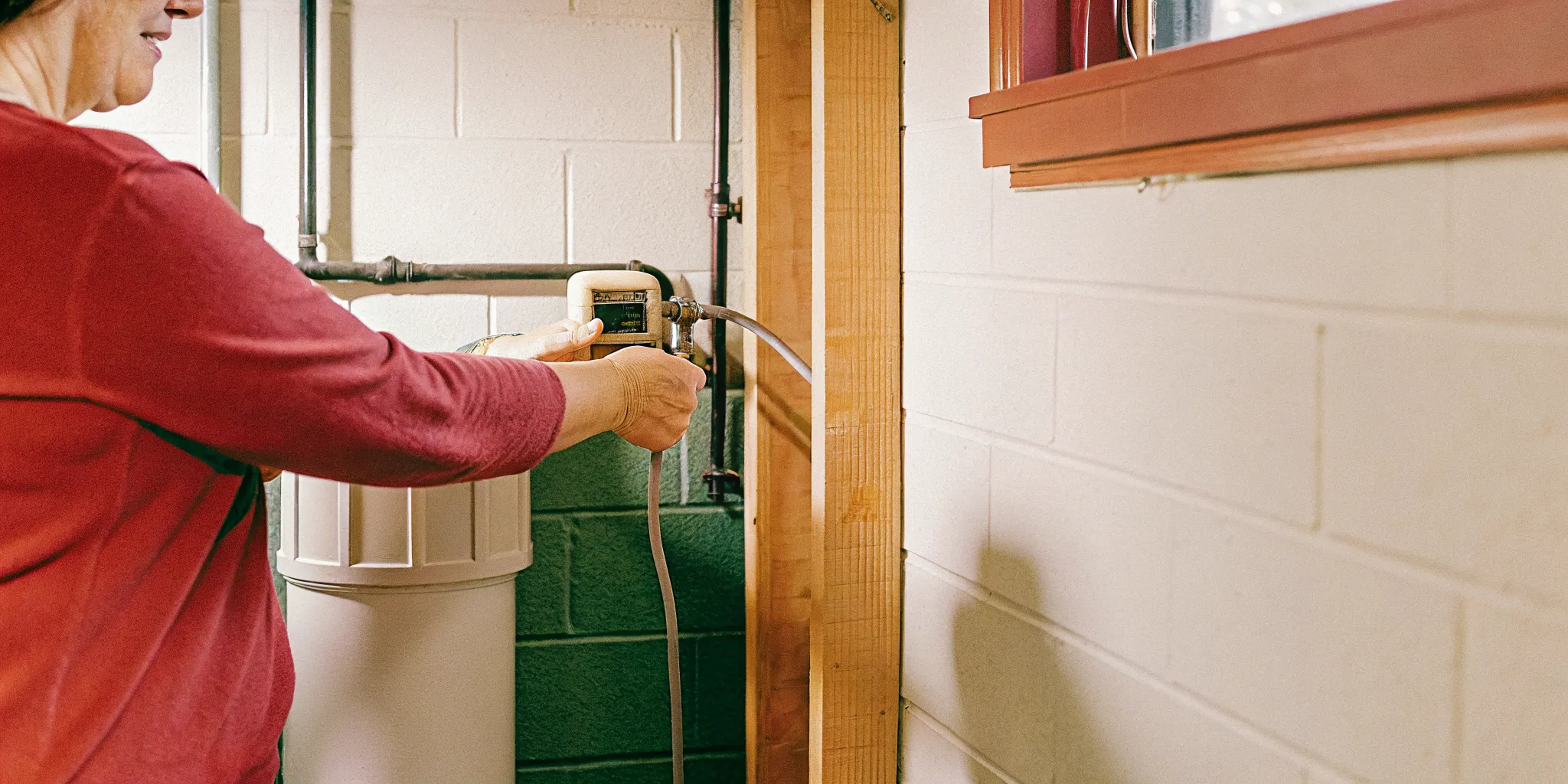
Most home water systems last about 10 to 15 years. But how long does a water softener last in a real home? The answer depends on your local water, the system you pick, and how well you take care of it. In Minnesota, our water can be very hard, which puts extra stress on every part of the machine.
Water quality and mineral levels
The minerals in your water are the biggest factor for system life. Minnesota is a hard-water state where mineral levels are often high. These minerals build up inside the system and wear down the moving parts over time. Research shows that hard water causes scaling that can damage both your plumbing and your treatment gear.
Iron and sediment also play a role in how your system ages. Iron can coat the resin beads inside the tank. This may reduce performance and increase the need for cleaning or pretreatment. Testing the water can show whether iron treatment or other adjustments are needed before the softener.
Well water often brings more challenges than city water. Homeowners with wells must deal with more sand and silt. These tiny bits of grit can clog the control valve and scratch the inner seals. Proper pre-filters can help keep these out and protect your main system from early wear.
System technology and design
How the machine was built also matters for its lifespan. Older systems often used simple timers to clean themselves every few days. Modern units use demand-initiated regeneration, which only cleans when it sees you have used enough water. These systems use less salt and can help the unit last longer because they run only when needed.
The quality of the control valve is another key part of the puzzle. Most system failures happen in this valve rather than the media tank. Valves made with cheap plastic parts may fail in just a few years. Systems that use ceramic discs tend to last much longer because they resist wear from grit and hard minerals.
Setup quality also changes how long a system will work. A unit that is not level or is piped wrong can put stress on the joints and valves. Hiring a local expert to set up your system ensures it runs at the best levels from day one.
Maintenance and household demand
How much water your family uses affects the system's workload. A small unit in a large house will work too hard and fail early. Proper sizing is vital to ensure the system does not run too often. Local pros can help you find the right size based on your water use and hardness levels.
Regular care is the best way to extend the life of your equipment. Many systems fail early simply because of neglect. You should check salt levels every month and use high-quality salt for your model. Poor salt can lead to salt bridges or mushing that stops the system from cleaning itself.
Checking your system once a year can find small leaks or worn parts before they cause a full break. You can also book Free Water Testing to see if your system still works as it should. This simple step keeps your home safe and saves you money on repairs.
Signs your water softener may be declining
A declining water softener often reveals itself through returning scale, reduced soap lather, unusual salt use, repeated regeneration, leaks, or changes in taste and staining. These symptoms do not automatically mean replacement is necessary. Loon Lakes Water Systems can test the water and inspect the valve, resin, and brine tank before recommending the next step.
Hard water signs return
The first sign of a failing system is often the return of hard water. Since Minnesota is a hard-water state, your softener works hard every day. You might see white spots on your shower heads or taps. This crusty buildup shows that minerals like calcium are not being removed. You may also notice that your soap does not suds well. If your skin feels itchy after a bath, your water is likely hard again.
Your laundry can also show signs of wear. Hard water makes clothes feel stiff or scratchy. White shirts may look gray or dirty over time. These issues happen when the resin beads inside your tank can no longer trap minerals. Before you buy a new unit, it is wise to test your water. A Free Water Testing check can show if the problem is the machine or a change in your water supply.
Changes in how the unit acts
Watch how your system uses salt and water. If you notice you are buying less salt than usual, it may not be working right. A salt bridge can also form. This stops the salt from reaching the water. On the other hand, using too much salt is also a bad sign. Modern units use demand-initiated cleaning cycles to save salt. If your system runs every night even when you use little water, it is not working well.
You might also hear strange noises during the night. A softener should hum quietly while it cleans itself. Loud grinding or clicking sounds often point to a broken valve. Most failures occur in the control valve rather than the tank. If the valve fails, the repair cost can be very high. In some cases, a new unit is a better choice for your wallet. Always check for leaks around the base of the tanks as well.
Stains and strange tastes
Poor water quality often shows up in your sinks and tubs. Red or orange stains mean iron is getting through. Iron can be hard on your system and can shorten its life. If your drinking water tastes like metal or salt, the softener may be failing. Cloudy water is another red flag that the resin beads are breaking down. These beads can sometimes wash into your pipes and clog your taps. Iron can foul resin beads and reduce softening performance.
If you see any of these signs, do not guess at the fix. It is best to have a local expert look at your setup. They can check the health of your resin and the state of your valve. At Loon Lakes Water Systems, we focus on finding the root cause first. We believe you should have all the facts before you make a big change. Testing your water is the best way to start your path back to soft water.
How to help your water softener last longer
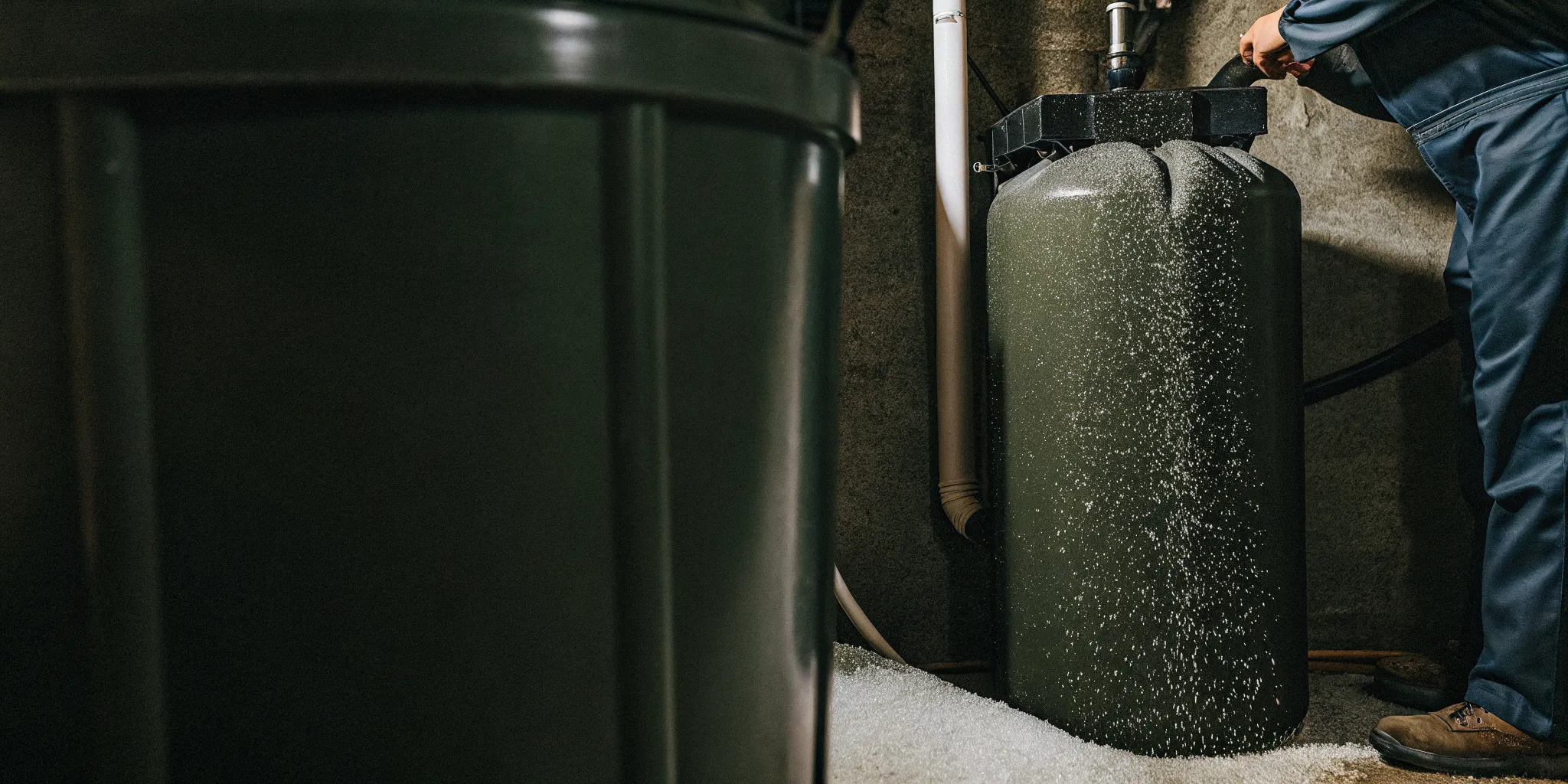
Consistent maintenance helps a water softener perform reliably for as long as its condition allows. Check salt, prevent bridges, clean the brine tank, watch for leaks, and test treated water regularly. An annual inspection from Loon Lakes Water Systems can identify iron fouling, worn seals, and incorrect settings before they become larger problems.
Keep an eye on your salt
The most common way a softener fails is through simple neglect. You must keep enough salt in the tank for it to work. If the salt runs out, the resin beads inside cannot clean themselves. This leads to hard water flowing through your home again. Over time, this can clog your shower heads and ruin your dishwasher. Check your salt level at least once a month. You want the tank to stay at least half full most of the time.
You should also check for "salt bridges." These are hard crusts that form over the water in the brine tank. They look like a solid floor of salt, but there is an empty space beneath them. This stops the salt from mixing with the water. If you see a crust, break it up with a broom handle. Do this gently so you do not poke a hole in the tank. Once the salt falls back into the water, the system can start working again.
Clean the tank once a year
Salt can leave behind dirt and grime over time. This "salt mush" sits at the bottom of the tank and gets thick. This buildup can clog the valves that move water through the system. Cleaning the brine tank once a year helps prevent these clogs. It ensures that the brine can flow freely into the resin tank. Most failures happen in the control valve, not the big media tank itself. Keeping the water path clear is one of the best ways to protect that valve from wear.
Use high-quality salt pellets to help keep the tank clean. Cheap salt often has more dirt and minerals that do not dissolve. This dirt builds up fast and causes more work for you. By using clean salt, you save time and help your parts last longer. It is a small cost that pays off over many years.
Plan for professional service
Even if you do all the basic steps, a pro should check your system once a year. They can look at parts you might miss. For example, they can check the resin bed for iron fouling. In our area, high iron levels can coat the resin and make it fail early. A local expert can use special cleaners to fix this before it breaks the system. They can also explain whether a targeted repair is likely to provide lasting value.
Step-by-step care checklist
Follow these steps to get the most life out of your system. Routine care is the key to avoiding a big bill for a new unit.
- Check your salt levels once a month to ensure the tank is at least half full.
- Break up any salt bridges that form to let the water reach the salt pellets.
- Use high-quality salt pellets to reduce the amount of dirt that builds up in your tank.
- Look for leaks or salt crusts around the valve and pipe joints every few weeks.
- Clean the brine tank every year to remove old salt mud and debris from the bottom.
- Test your water quality often to see if the system is still removing minerals well.
- Book a professional tune-up once a year to keep the inside parts moving well.
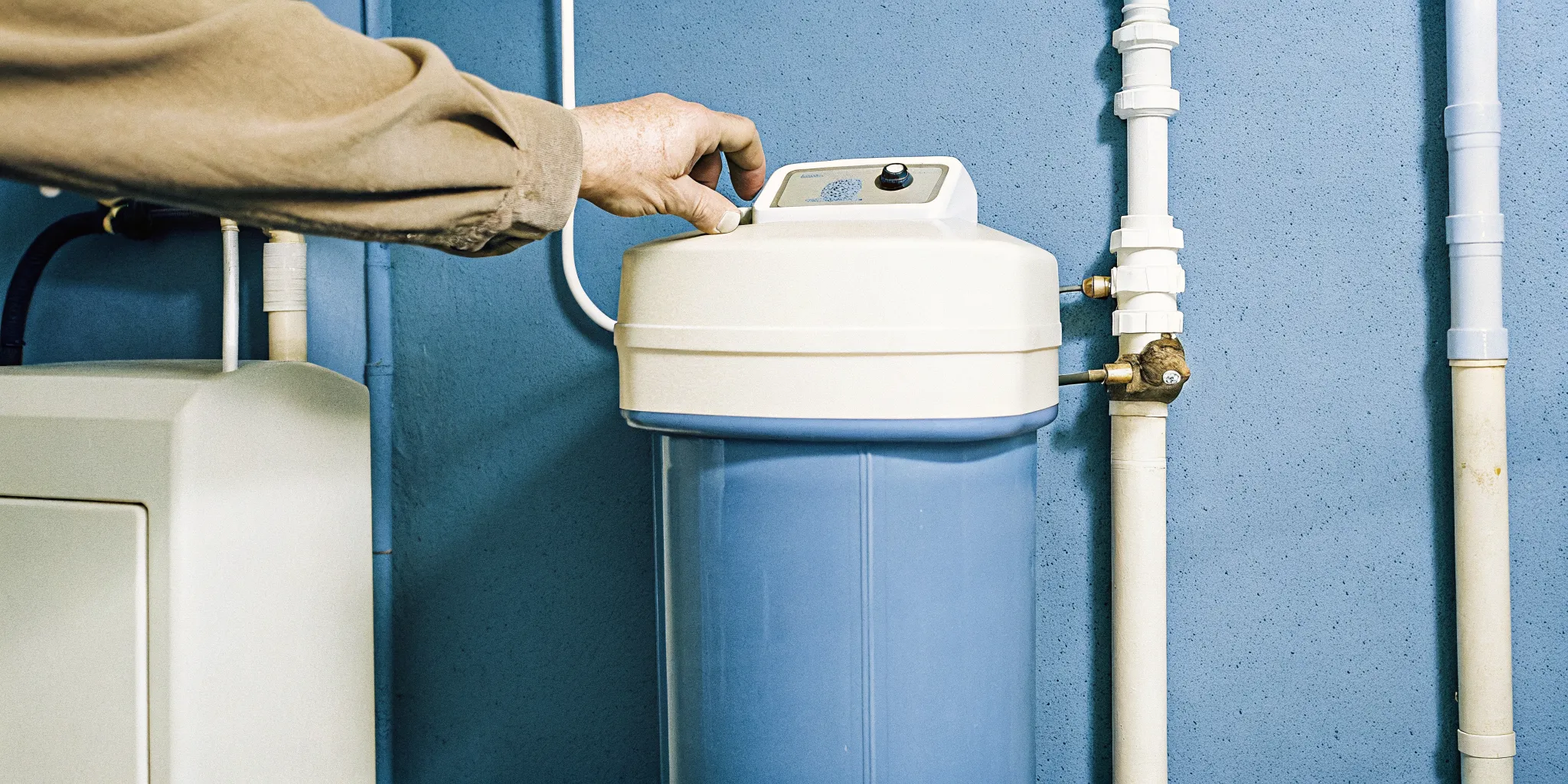
You can also review available water treatment products before discussing which design fits your tested water and household demand. Using a system that tracks your water use is also a smart move. These units often do a better job than those on a set timer. According to the Environmental Protection Agency, demand-style units can help your system last longer while saving you money on salt. By following these simple tips, you can enjoy soft water for many years to come.
Should you repair or replace an aging water softener?
Repair may make sense when testing shows the softener still removes hardness and the problem is limited to a serviceable part. Replacement may be more practical when several major components are worn, performance remains poor after service, or the system no longer matches the home's water chemistry and demand. Loon Lakes Water Systems can explain both options after an inspection.
When a simple repair is the best path
Not every system problem means you need to buy a new one. Some issues are easy to fix with a few tools or a new part. A salt bridge is a common problem where a hard crust forms in the salt tank. This crust stops the salt from mixing with the water, so the system cannot clean itself. You can usually break this crust on your own to fix the issue.
Other small problems include a clogged line or a bad seal in the valve. These parts are often cheap and quick to swap out. It is also smart to check your settings if the water feels hard. You may just need to run a manual cleaning cycle to clear the resin. If your system is less than seven or eight years old, a repair is often the most cost-effective choice. Regular care is the best way to help your system reach its full lifespan.
Signs you should consider a full replacement
As a system gets older, the cost of keeping it running can start to climb. Most big failures happen in the control valve, which is the brain of the system. If the valve fails on an old unit, the cost to fix it can be nearly as much as a new unit. Also, the resin beads inside the tank do not last forever. High levels of iron can coat these beads and make them stop working in just a few years.
You should also look at how much salt and water your old system uses. Older units often use a fixed timer to start their cleaning cycles. This can waste a lot of water if your home uses less water on some days. Newer systems use demand-initiated regeneration to save on costs. These smart units only run when they have to, which uses much less salt. This is better for your wallet and the local water supply.
Making the best choice for your home
Choosing between a fix and a new unit comes down to the total value over time. If you have a private well in Minnesota, you must pay for all the costs of your water system. This makes it very important to pick a system that is efficient and easy to care for. A new unit might cost more at first, but it can save you hundreds of dollars in salt and water bills.
An expert check from Loon Lakes Water Systems can help you find the root cause of your water issues. Sometimes the system is fine, but the water in your area has changed. A pro can test your water and look at the wear on your system parts. This helps you know if a repair will last or if a new unit is a better long-term goal. You can Schedule Free Water Testing to get the facts before you decide.
| Decision Factor | Repair the System | Replace with New |
|---|---|---|
| System Age | Under 10 years old | Over 15 years old |
| Repair Cost | Low for small parts | Can equal new system |
| Salt Use | May remain high on inefficient units | May improve with demand-based controls |
| Efficiency | Depends on existing controls and settings | Can improve when properly sized and configured |
| Reliability | Other worn parts may still fail | Depends on equipment and maintenance |
| Warranty | Depends on the repaired part and provider | Confirm coverage before choosing equipment |
What happens during a water softener inspection?
A water softener inspection combines water testing with an equipment check. Loon Lakes Water Systems can measure treated-water performance, review salt use and regeneration settings, inspect the brine tank and valve, and look for leaks or fouling. The findings support a clear repair-versus-replace recommendation without relying on the system's age alone.
Testing your water quality
The first step is a water test. An expert tests the water coming into your home and the water after it goes through the softener. This shows how much hardness the unit takes out. In Minnesota, hard water is very common and can wear down your home pipes. By checking the grain count, the expert can tell if your resin is still good. If the levels are high, your system might be failing.
The tech will also check for iron levels. High iron can clog the resin beads and stop them from working. This is a common problem for people with private wells. Knowing these levels helps the tech set the system the right way. They will also look for signs of chlorine damage in city water. This full view of your water makeup helps you avoid bad taste and odors.
Checking the moving parts
Next, the pro looks at the brine tank and the control valve. They check for salt bridges that stop the unit from working. A salt bridge is a hard crust that forms over the water. They also look for leaks or odd noises during a cycle. The control valve is the brain of the unit and is often the first part to break. Many demand-initiated systems are more efficient because they only clean when needed.
The tech will also check the salt type you use. Using the wrong salt can cause "mushing" in the tank. This blocks the brine from moving through the system. They will check the inside valve parts too. Some systems use plastic parts that wear out fast. Others use ceramic discs that last much longer. This part of the check keeps your unit running smoothly for years.
Getting clear advice
After the check, you will get a full report. Loon Lakes Water Systems will explain whether repair or replacement makes sense based on the test results and inspection findings. If the tank is leaking or the resin is worn out, a new unit is often best. For small valve issues, a simple fix might work. This helps you make a smart choice for your home setup.
You can ask the tech about new models that save on salt and water. They can help you pick a system that fits your home size. This plan ensures you do not waste money on a unit that is too small. You will know exactly what to do to keep your water clean and soft. This peace of mind is worth the time for the check.
Frequently Asked Questions
How long does a water softener last on average?
According to Loon Lakes Water Systems, the average residential water softener typically lasts between 10 and 15 years. This lifespan depends on the quality of the model, how much water your home uses, and the hardness of your local supply. Regular maintenance is also a major factor in how long the system will run well. Higher quality systems with ceramic disc technology often outlast those built with basic plastic parts.
Can you replace just the resin beads instead of the whole softener?
Yes, replacing the resin may be practical when testing confirms exhausted or fouled media and the tank, valve, and controls remain in good condition. If an older system also has a worn valve or recurring problems, replacement may provide better long-term value. Loon Lakes Water Systems can inspect the complete unit before recommending either option.
Does regular maintenance extend the life of a water softener?
Keeping up with regular service can add years to the life of your water softening system. The most common cause of early failure is neglect, such as letting salt run out or using the wrong type of salt for your unit. Following EPA efficiency guidelines for demand-initiated regeneration can also help the system work better for a longer period. Simple annual checks help catch small issues before they become major breaks.
How does Minnesota water impact water softener lifespan?
Minnesota is known for very hard water, which puts more stress on water treatment equipment. High levels of iron can also damage the resin beads that soften your water. According to research from the National Institutes of Health, this high demand for water softening is common across the state. Using a system sized for local conditions helps it last longer while protecting your home plumbing and appliances from scale buildup.
Ready to schedule a free water softener inspection?
If your softener's performance has changed, start with facts rather than assumptions. Loon Lakes Water Systems can test your water, inspect the equipment, and clearly explain whether maintenance, repair, or replacement is the sensible next step.
Ready to get started? Call 612-930-0156 to schedule free water testing or request a water softener inspection.