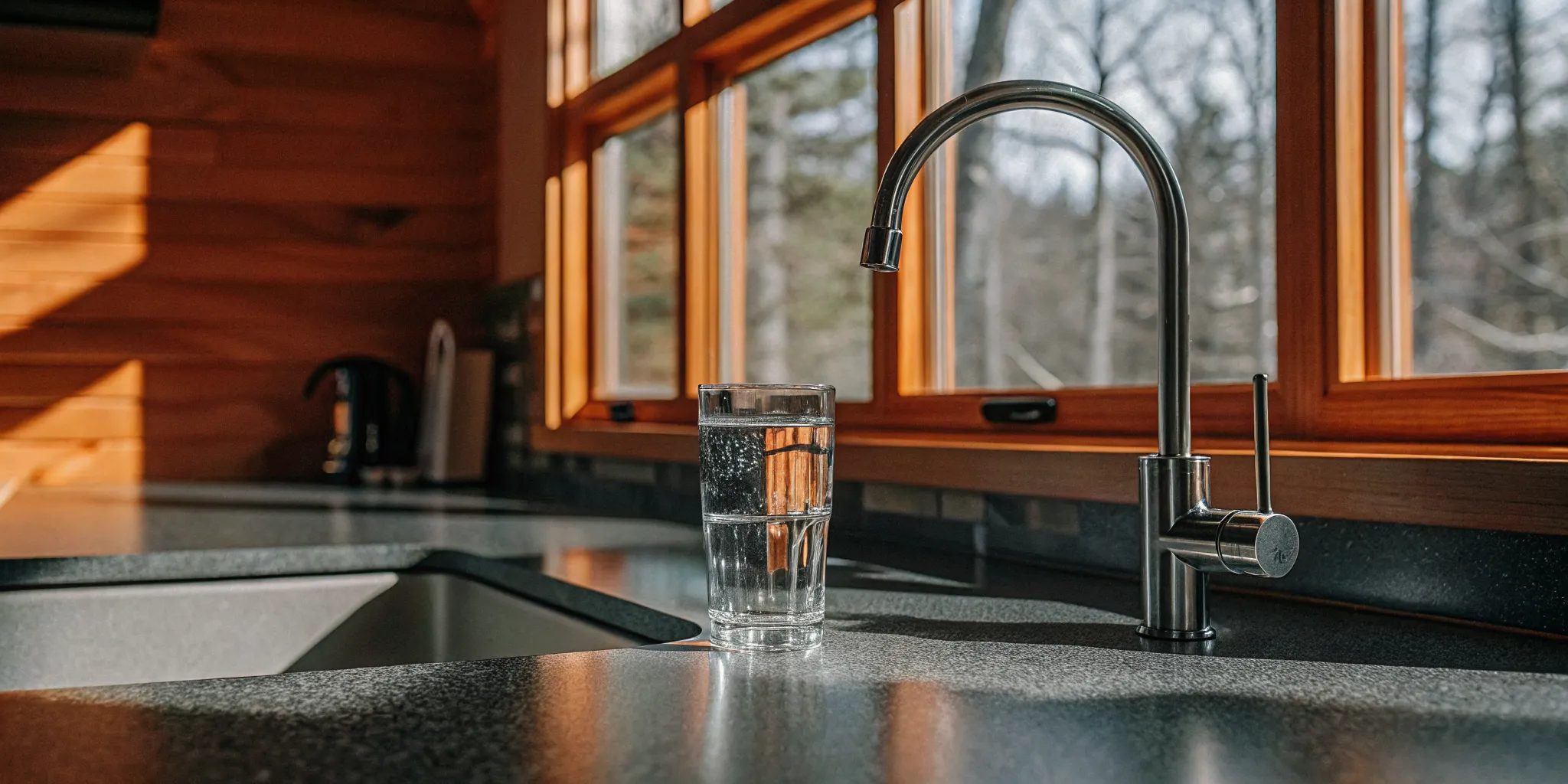
If your tap water smells like a pool or changes the flavor of coffee and meals, you are not alone. Chlorine helps keep Twin Cities municipal water safe, but its noticeable taste and odor can make drinking water less enjoyable.
Learning how to remove chlorine taste from tap water often starts with letting water sit or using home filter systems. You can leave a pitcher of water in the fridge for a full day to let the scent fade on its own. For a faster fix, boiling your water for fifteen minutes will also clear out the chemical smell. However, the best long-term fix is a carbon filter or a reverse osmosis system under your sink. According to the EPA, city water systems must keep chlorine levels below four parts per million. While these levels are safe, many people dislike the taste even at low levels. A free water test can help you find the right tool for your home.
You do not have to live with water that smells like a pool. The right fix starts with identifying the disinfectant in your water and deciding whether you want better water at one drinking tap or throughout the home.
Why does tap water taste or smell like chlorine?
Most city water systems in the Twin Cities use chlorine to keep your water safe. This chemical kills germs that can cause sickness. Cities must add it to the water before it travels through miles of pipes to reach your home. Without it, small pests could grow in the water lines.
Keeping city water safe
The Environmental Protection Agency (EPA) sets rules for how much chlorine cities can use. They require public water systems to keep a maximum residual disinfectant level of 4.0 mg/L. This amount is high enough to kill germs but low enough for people to drink every day. Even though it is safe, many people can still smell or taste the chemical in their glass.
The taste often becomes clear when levels reach about 1 mg/L. Your nose and tongue are very good at finding this specific scent. If you live near a water plant, the smell might be stronger. The city adds more at the start to make sure enough is left for homes at the far end of the pipe.
Chlorine versus chloramine
Some cities now use chloramine instead of plain chlorine. This is a mix of chlorine and small amounts of ammonia. It is a stable tool that lasts longer in long pipe networks. It does not go away as easily as regular chlorine. This makes it a good choice for large cities with very long water mains.
Both chemicals help stop water-borne illnesses. But chloramine can be harder to get out of your water. It does not leave the water by just sitting out in a jar. Knowing which one your city uses is the first step in learning how to remove chlorine taste from tap water. A local test can help you find out what is in your specific tap.
Changes in local Twin Cities water
The taste of your water can change based on where you live and the time of year. In the spring, melting snow and rain can wash more dirt and plants into lakes and rivers. Cities may add more chemicals to treat this extra load. This can lead to a sudden spike in that pool-like smell in your kitchen or bath.
Your distance from the city pumps also plays a big part. Homes close to the source get water with more fresh chemicals. Homes at the far edge of the system might not notice the smell at all. If you want a clear answer for your home, professional water testing and filtration can check your exact levels. This helps you choose the right fix for your family.
How to remove chlorine taste from tap water
Many people in Minnesota notice a strong smell or taste in their tap water. It often smells like a swimming pool. This happens because city water plants add chlorine to kill germs and keep your water safe. While it does a good job, the taste can be bad for drinking or cooking. You do not have to live with this taste in your home.
Chlorine limits and taste
The Environmental Protection Agency (EPA) sets rules for water safety. They allow up to 4.0 milligrams of chlorine in each liter of water. This level keeps bugs out of the pipes. Most people start to taste or smell it once it hits just 1.0 milligram in each liter. Even if your water is safe, you may still want to fix the taste to make it better to drink.
Chlorine is helpful for safety, but it can react with other things in the water. This can create new parts that some people worry about. It is always a good idea to know how much is in your pipes. Knowing your levels is the first step to a clear glass of water. It helps you decide if a small fix is enough or if you need a bigger system.
Simple fixes for your kitchen
You can try a few quick tricks at home without buying new gear. One way is to let your water sit out in the open air. Chlorine is a gas, so it will leave the water over time. Putting a pitcher on the counter for a few hours can help a lot. You can also boil your water for 15 to 20 minutes to speed this up. This helps the gas escape much faster than letting it sit cold in the fridge.
These quick fixes work well for a glass or two. But they take a lot of time and work if you need water for a whole family. They also do not remove other things like minerals or lead. If you want a fix that lasts, you should follow these steps to find the right tool for your home. A good filter can save you time and give you peace of mind every day.
Steps for better water
- Test your water first to see how much chlorine you have and find other issues like hard water.
- Get a charcoal filter pitcher for your fridge to help with small amounts of cold water.
- Use a faucet mount tool to get clean water from your tap for quick tasks like cooking.
- Install an under-sink unit with a carbon filter to remove most of the chlorine taste.
- Choose a reverse osmosis system if you want the best taste and the most filtration.
Picking the best way depends on how much water you use and what you want to spend. Simple pitchers are cheap but slow to fill. A full home system costs more at the start but gives you fresh water all the time. Before you buy any gear, you should know what is in your local supply. We suggest you schedule free water testing to see your exact levels. This helps you pick the right filter so you can enjoy your tap water again.
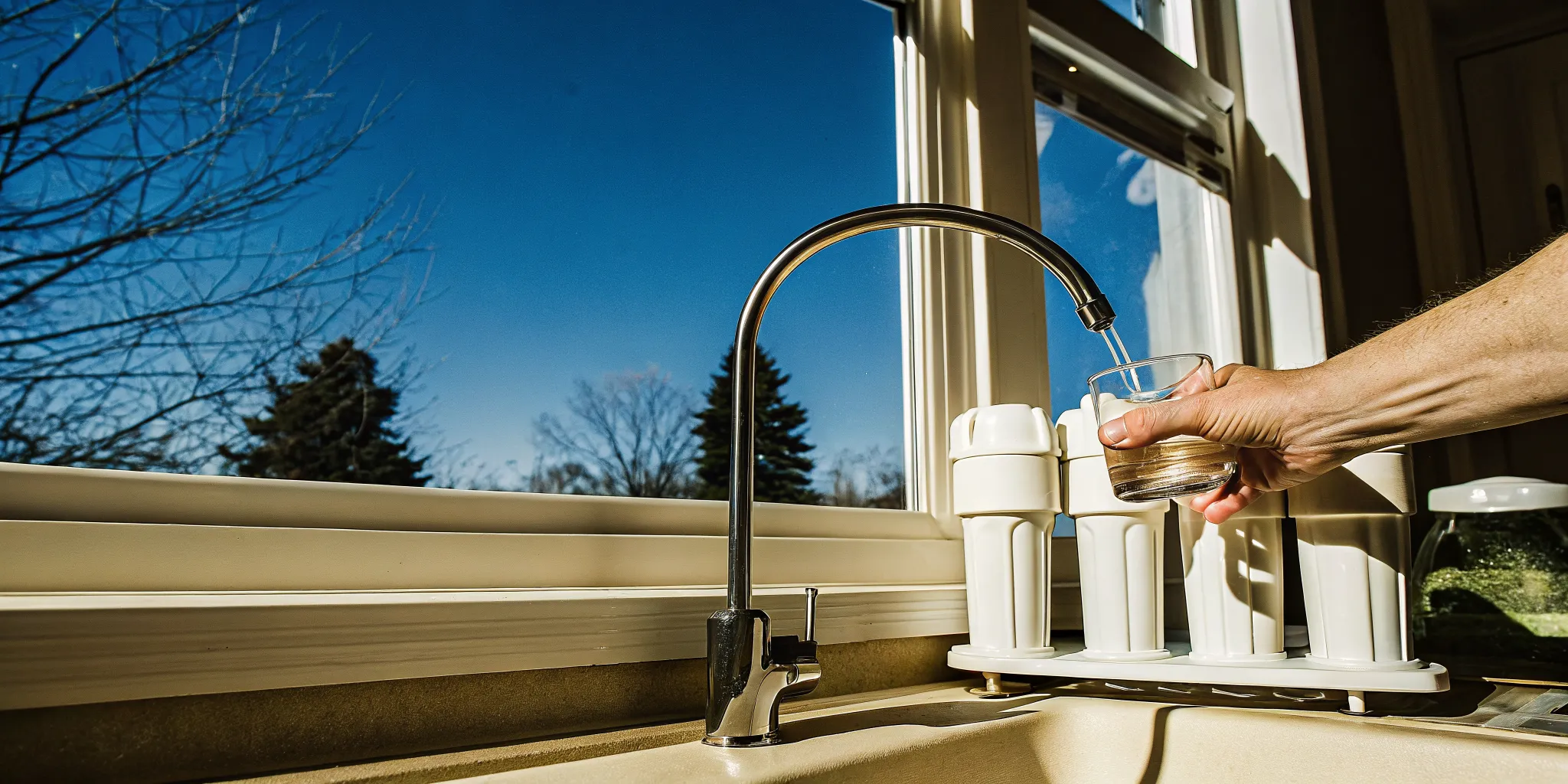
Drinking-water filters vs. whole-home conditioning
When you want to know how to remove chlorine taste from tap water, you have two main paths. You can treat the water at the tap or clean all the water that enters your home. Each method has its own set of pros and cons based on your needs and your budget. Small filters work well for a single glass of water. Whole-home systems protect every pipe, faucet, and fixture in the house.
Why city water tastes like a pool
Most towns add chlorine to the water to keep it safe. This chemical kills germs that can make people sick. The EPA sets a limit of 4.0 mg/L for chlorine in drinking water. This amount is safe to drink, but it does not always taste good. Many people can smell or taste the chemical even at low levels. Some towns use chloramine instead of chlorine. This is a mix of chlorine and ammonia. It lasts longer in pipes but can be even harder to remove with a basic filter.
Point-of-use filters for ease
Point-of-use filters are the most common way to fix taste issues. These include pitchers, faucet mounts, and fridge filters. Most of these tools use carbon filters to pull out bad smells. Carbon acts like a sponge for chlorine. These filters are easy to find and do not cost much to buy. They are a great first step if you only care about the water you drink.
But these small filters have limits. They only fix the water in one spot. You must also change the filters often to keep the water clean. If you forget to swap a filter, it can stop working. Some small filters can even grow germs if they sit too long. Many people find it hard to keep up with these tasks over time. Also, a simple pitcher might not remove chloramine or other tough items. You may need a reverse osmosis unit under your sink for full care.
Whole-home systems for full care
A whole-home system treats all the water in your house. It sits at the main water line where the pipe first enters your home. This means the water in your shower, laundry, and kitchen is all filtered at once. These systems use large tanks of carbon to strip out chlorine. This helps your skin and hair feel less dry after a bath. It also stops chlorine from wearing out the rubber parts in your toilets and washing machines.
These systems cost more to buy at first but last much longer than small pitchers. Most only need care once a year or less. They provide a high flow of water to every tap. This is the best way to ensure every drop of water in your home is clean. You won't have to worry about which tap is safe to drink from. A whole-home system is a long-term fix for the pool smell in your water. It makes life easier for the whole family.
A look at your options
The best choice for your home depends on your goals. If you just want a cold glass of water, a fridge filter might work. But if you want to protect your whole home, a larger system is better. You should start with a talk and a test. This helps you pick the right tool for the job. You can schedule a free water test to see what is in your tap. Below is a look at how common filters compare in daily use.
| Filter Type | Where It Sits | What It Fixes | Care Needs |
|---|---|---|---|
| Filter Pitcher | In the fridge | Basic chlorine taste | New filter every 2 months |
| Faucet Mount | On the tap | Chlorine and some lead | New filter every 3 months |
| Reverse Osmosis | Under the sink | Chlorine, lead, and salts | New filters every year |
| Whole-Home Tank | Main water line | Chlorine for the whole house | Yearly check or less |
Loon Lakes Water Systems can help you find the best path. We offer local help for all types of water issues in Minnesota. Our team does not use high-pressure sales. We test your water first and show you the facts. Then we help you pick a system that fits your home and your budget. This ensures you get clean water without the pool smell every time you turn on the tap. Our goal is to make your water taste great and keep your home safe.
When is a drinking-water-only system enough?
A whole-home system treats all the water that enters your house. This is great for keeping pipes and machines safe from hard water. But some people only want to fix the water they use for food and drink. These "point-of-use" tools treat water at a single tap, like your kitchen sink. If you want better coffee or clear ice, a smaller system may be the right choice.
Better water for the kitchen
Most city water has a sharp smell or taste. This often comes from chlorine used by the city to keep water safe. Many people want to learn how to remove chlorine taste from tap water to improve the flavor of their meals. Even small amounts of this chemical can change how your coffee, tea, and food taste.
The EPA says chlorine levels under 4 mg/L are safe to drink. But many people can still smell or taste it at much lower levels. Fixing this at the sink is a cheap way to get great water for your home. A single tap system gives you fresh water for drinking. You can even connect it to your fridge for clear ice and cold water.
Treating only your drinking water saves money on salt and filters. You do not have to treat the water used for your shower or laundry. This keeps your costs low while still giving you the best water for your health. It is a smart move for homes that have safe but bad-tasting city water.
Carbon and reverse osmosis systems
There are two main ways to treat water at the sink. Activated carbon filters are very common and work well for simple taste issues. These filters trap chemicals and odors as water passes through them. They are a fast way to get rid of that "swimming pool" smell in your tap water. Most people find these filters easy to use and keep up.
For a deeper clean, many people choose reverse osmosis. This system uses a thin sheet called a membrane to pull out more than just chlorine. It can remove lead, salt, and other tiny bits that a carbon filter might miss. These systems often have a small tank to store clean water. This ensures you have plenty of fresh water ready for a big pot of soup or a large pitcher of tea.
Both tools need new filters now and then to stay helpful. Carbon filters often need a change every six months. Reverse osmosis filters may last longer but need an expert to check the system. Good care keeps the system running well and clean for many years.
Start with a water test
Choosing the right tool starts with knowing what is in your water. Some homes only need to remove a bit of chlorine. Others may have metals or salts that need a stronger system. Guessing can lead to buying a tool that does not solve the real problem. You might end up with a filter that clogs too fast or does not remove the right things.
At Loon Lakes Water Systems, we follow a simple path. We test first, then explain what we find. We offer a free water test to help you find the best path. This check lets us see if a simple carbon filter is enough or if you need more power. Knowing your water makeup helps you spend your money well and get the exact results you want for your home.
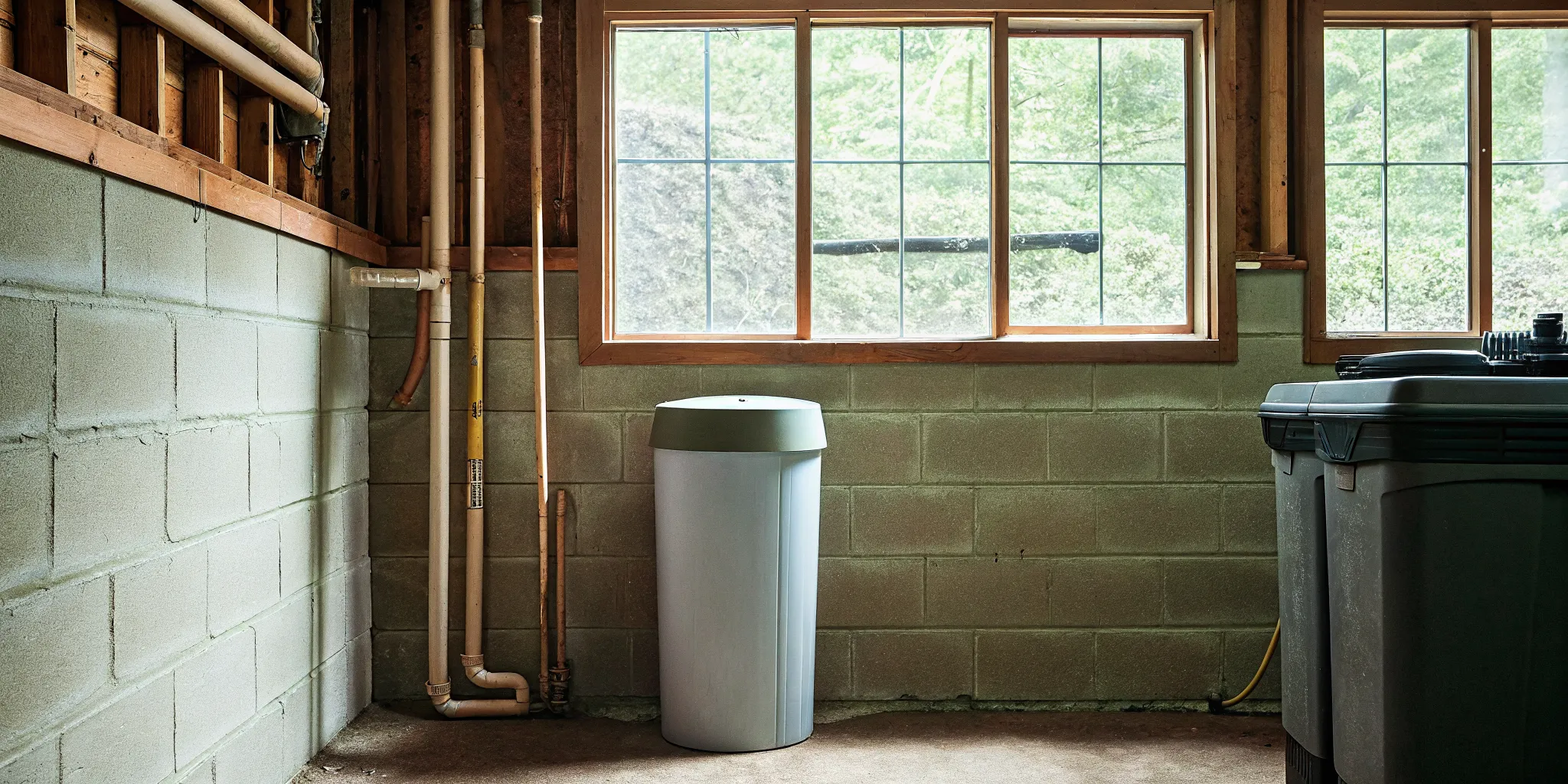
When should you consider whole-home treatment?
You may only notice a chemical smell when you pour a glass of water to drink. But for many people, the smell of bleach follows them into the laundry room or the shower. If you want to know how to remove chlorine taste from tap water for your entire house, a whole-home system is often the best answer. These systems treat the water at the point it enters your home so that every tap provides clean, fresh water.
Solving smells at every tap
If you smell chlorine at more than one sink, the issue is likely in your main water line. Public water systems use chlorine to kill germs and keep your family safe from harm. But chlorine levels can vary as the water moves through the city pipes. By the time it reaches your home, the smell can be strong enough to make your water hard to drink. Dealing with this at every faucet is much easier with a single system.
A whole-home system treats all the water you use. This means you do not have to worry about the water you use to cook, wash your face, or brush your teeth. You can find many ways to fix these issues on our water services page. These tools help take away the harsh chemical smell so your water feels and smells like it should.
Better water for your skin and hair
Chlorine does more than just make water taste bad. It can also dry out your skin and hair when you take a shower. Many people find that their skin feels itchy or their hair feels brittle after a bath. This is because the same chemicals that kill germs also strip away natural oils from your body. A whole-home filter removes these chemicals before they ever touch your skin. This makes for a much better start to your day.
Using a system for whole-home water conditioning can also help your appliances last longer. Chlorine can be hard on the seals and rubber parts in your dishwasher and clothes washer. When you remove it, you protect your home and your health at the same time. This is a big win for any homeowner who wants to spend less on repairs over time.
The first step is a simple test
Before you buy any new gear, you should know exactly what is in your water. Some homes have very high levels of chlorine, while others may have other issues like hard water or iron. A pro can help you look at the facts and decide which tool is right for you. We always start with a clear check of your water quality so we do not guess about what you need.
There are tradeoffs to think about when you pick a system. For example, some filters only work for a short time before they need a new part. Others cost more up front but save you money on salt or parts later. We aim to be your advisor so you can make a choice that fits your budget and your needs. Testing first ensures that you solve the right problem without spending more than you have to.
Test first, then choose the right treatment scope
Before you buy a filter, you must know what is in your water. Many people want to know how to remove chlorine taste from tap water but do not check their water first. A good test shows the type of chemicals and the levels present in your pipes. This step helps you find the right tool for the job. You can then spend your money on a system that works for your own home.
Find the cause of the taste
Start by writing down what you notice about your tap water. Do you smell pool water only when the tap is hot? Or does every glass of water taste like bleach at all times? These notes help a pro find the source of the issue. Most public water systems use chlorine or chloramine to keep water safe from germs. These tools are needed for health, but they can leave a strong scent behind.
Knowing which chemical your city uses is key to picking a fix. Some simple filters work well for chlorine but fail to stop chloramine. You can check your local water report to see what the city adds. But the levels can change by the time the water hits your house. A home test gives you the most recent facts about your own sink.
Pick the best filter for your home
Once you have your test results, you can pick a system that fits your needs. You might want a whole-home filter to stop the smell in the shower and laundry. This choice treats every drop of water that enters your home. It protects your skin and your clothes from the harsh effects of chemicals. It is a big step, but it gives you peace of mind in every room.
Other people just want better water for drinking and cooking. In that case, a reverse osmosis system is a great choice. These systems use a fine mesh to pull out many bits and chemicals from the water. They give you crisp, clear water right from a small tap in your kitchen. This is often the best way to get water that tastes as good as a bottle.
Plan for filter care
A filter only works well if you keep it clean and swap the parts. All carbon filters have a limit on how much they can catch from your pipes. When the filter is full, it cannot stop the chlorine smell or taste anymore. This is why a set schedule for care is so key. You do not want to wait until the bad taste comes back to take steps.
We suggest you schedule free water testing to see how often you need to change your filters. A pro can look at your water use and the chemical levels to make a plan. This keeps your water tasting fresh and clean all year long. Scheduled checkups also help you find small leaks or parts that need a quick fix before they break.
Frequently Asked Questions
Is it safe to drink water that tastes like chlorine?
Public water systems must keep levels below a specific limit to ensure your health is protected. According to the CDC, chlorine levels up to four parts per million are safe to drink. However, most people can taste or smell the chemical at much lower levels. If the taste bothers you, home filters can remove it while keeping the water safe. Professional testing can help you find out the exact chemical levels in your pipes.
Does boiling water remove chlorine?
Boiling your tap water for about twenty minutes is a fast way to get rid of the chemical scent. This process helps the gas escape into the air so it does not stay in your glass. While this works for standard chlorine, it may not be as helpful for chloramines. Boiling can also cause other minerals in the water to become more concentrated. It is a good short-term fix, but long-term filtration systems are often more practical for most families.
What neutralizes chlorine in drinking water?
Activated carbon filters are one of the most common ways to neutralize the taste and smell of chemicals in your tap. These filters use a special material that traps the chlorine as the water flows through the system. Other tools like reverse osmosis can also clear out these smells to give you a fresh taste. If you are not sure which fix is best for your home, free water testing can help you choose the right equipment.
How long does it take for chlorine to leave tap water?
If you leave a pitcher of water out on your counter, the chemical smell will fade over time. For regular chlorine, it often takes about twenty-four hours to fully dissipate into the air. Keeping the water in the fridge can also help, though it may take slightly longer in the cold. Keep in mind that some cities use chloramine, which does not leave the water through evaporation. A home test can show you which chemical your city uses.
Ready to improve the taste and smell of your tap water?
A chlorine taste or odor does not automatically mean municipal water is unsafe. It does mean your household may enjoy drinking and cooking with it more after choosing treatment that matches the disinfectant and the places you want to improve.
Schedule free water testing with Loon Lakes Water Systems or call 612-930-0156 for a clear, local recommendation without pressure.
Better-tasting water starts with answers
Schedule free water testing.
Understand what is affecting your tap water and get a clear, local recommendation for your household.