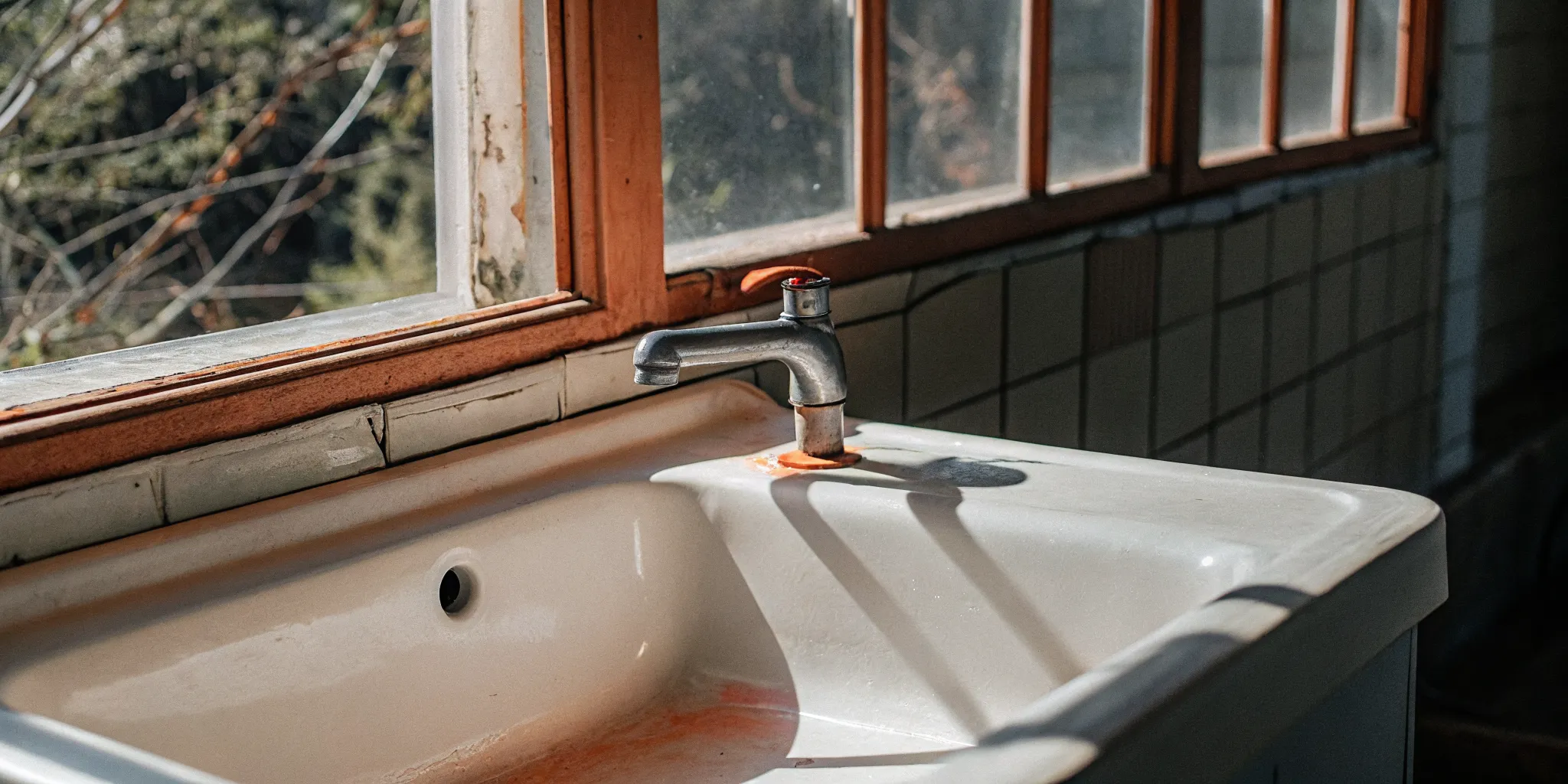
Orange stains from well water usually form when dissolved iron reaches the air and oxidizes into rust-colored particles. The residue can mark sinks, tubs, toilets, and laundry. Because iron type and concentration affect the right solution, testing the water first is more reliable than repeatedly cleaning the stains.
Orange staining is frustrating, but it is also a useful clue. Knowing why it appears can help you address the source instead of scrubbing the same surfaces again. The path begins with a clear look at how iron behaves in well water.
Why orange stains from well water appear
Many people in the Twin Cities face a common problem: orange or red marks on their sinks and tubs. These marks come from orange stains from well water that has too much iron in it. Iron is common in the earth, but it makes a mess in your home's pipes. To fix the issue, you must first learn why these stains show up in the first place.
Clear-water versus red-water iron
There are two main types of iron in private wells. The first is ferrous iron, or clear-water iron. When you pour a glass of this water, it looks clean and clear. However, once the water sits and meets the air, it turns into a solid. This shift leaves sticky orange marks on your white sinks and showers.
The second type is ferric iron, or red-water iron. This iron has already met with oxygen before it leaves your tap. You will see a yellow or red tint in the water right away. Both types leave marks that are very hard to clean with standard soap.
The process of oxidation
Oxidation is the main reason you see orange stains from well water. When dissolved iron hits the air, it changes form. It turns from a liquid into a solid rust bit. These bits stick to your fixtures and even your laundry. Over time, rust can build up and clog your plumbing.
The EPA notes that iron is a visual issue that affects how water looks and tastes. They set a limit of 0.3 mg/L for iron to prevent staining problems. If your well has iron above this mark, you will likely see red or orange spots in your home. This is also when most people notice a metal taste in their water.
Iron bacteria and slimy deposits
Sometimes, the stains are not just from iron. You might also have iron bacteria in your well. These small life forms feed on the iron in the water. As they grow, they create a thick, slimy buildup that is often orange or brown. This slime can coat the inside of your toilet tanks and pipes, making the staining problem much worse.
While these bacteria are not usually a health threat, they can cause damage. They can clog your well pump and slow down the flow of water. If you see a slimy film, an expert should inspect and test the system before identifying the cause. These deposits can also make your water smell like swamp water or rotten eggs.
Minnesota wells and local iron issues
Minnesota has soil that is very rich in iron. Many wells in our state pull water from deep in the earth where these minerals are common. Because of this, iron is a frequent complaint from local owners. High iron can also give your water a metal taste that is easy to find in coffee or tea.
Do not guess what is in your water. Some stains might look like iron but could come from other minerals like manganese. An expert test is the only way to know for sure. If you are evaluating iron removal options, you need a plan for your home. Testing your water every year helps keep your pipes in good shape.
What do different iron symptoms tell you?
Watching the color of your water can tell you a lot about what is in your well. Many people see orange stains from well water on their sinks or tubs. These stains often come from iron. But not all iron is the same. The way the stain forms helps you find the right fix. Some iron stays clear in the glass and only turns red later. Other iron is already solid when it leaves the tap. Finding these clues is the first step in choosing a water treatment system for your home.
Colors and textures of well water stains
Clear water iron is a common issue for local wells. It looks clear when you first fill a glass. After air hits the water, the iron turns into a solid. This leads to rust spots on your tubs and toilets. This type of iron is often called ferrous iron. It can be hard to spot until the stains start to build up.
If your water starts out cloudy or red, you likely have ferric iron. This means the iron has already met air or other chemicals in your well system.
The EPA lists iron as a problem that changes how water looks and tastes. Most people notice these issues when iron levels go above 0.3 milligrams per liter. At these levels, you will see a lot of orange or yellow tint in your laundry. Your white clothes might start to look dull. You may also see dark brown or black stains. These often come from manganese. This is a metal that often shows up with iron.
Taste and odor clues
Iron does more than just leave stains. It also changes the way your water tastes. Many people notice a strong metallic flavor. This taste is often worse in hot drinks like tea or coffee. If your water tastes like a penny, you probably have high iron levels. This metal can also make your food look dark when you cook with it. While iron at these levels is often safe, the taste can be bad for most families.
Some iron problems come with a bad smell. A "rotten egg" scent may point to sulfur-related conditions, while an earthy smell or slime may suggest iron bacteria. These clues are not a diagnosis, so testing matters. These tiny living things feed on the iron in your well. They create a thick, sticky slime that can clog your pipes. You might see this slime in your toilet tank. Iron bacteria do not usually hurt your health, but they are hard on your pipes. The CDC recommends testing your well once a year to find these issues early.
Fixture and laundry damage
High iron levels can cause real damage to your home over time. It can build up inside your water heater and dishwasher. This buildup makes your machines work harder and use more power. It can also lead to low water flow in your pipes. When iron mixes with hard water minerals, it creates a tough scale. This scale is hard to scrub away. You might find that standard cleaners do not work on these tough rust spots.
To help you see the difference, look at this table. It shows the common signs of iron and what they mean for your well.
| Symptom. | Common Cause. | Main Clue. |
|---|---|---|
| Rust spots on white tubs. | Clear-water iron. | Water starts clear and turns red later. |
| Cloudy or red tap water. | Red-water iron. | Water is already rusty at the tap. |
| Sticky orange slime. | Iron bacteria. | Forms in toilet tanks and smells earthy. |
| Black or dark brown stains. | Manganese. | Often found alongside iron issues. |
| Metallic or bitter taste. | High iron levels. | Most noticeable in hot drinks or food. |
If you see any of these signs, you should take action. A full test will show the exact type and amount of iron in your well. This helps you pick the right filter or softener for your needs. Do not wait for the stains to get worse. A quick check can save your pipes and your peace of mind.
Why cleaning alone does not stop orange stains
You might spend hours scrubbing your sink or toilet to remove orange stains from well water. While a good scrub makes things look better for a day, the rust-colored marks often return quickly. This happens because cleaning only treats the symptom, not the source of the problem. If iron is still in your water, new stains will form as soon as you turn on the tap.
The cycle of stubborn stains
Many people use strong acids or special soaps to fight these marks. These tools can dissolve the rust on the surface of your tub or shower. But they do nothing to stop more iron from coming into your home through your pipes. Dealing with the source of the iron is the only way to stop the cycle for good.
When you use your water, new iron bits land on your fixtures. As they touch the air, they turn into the orange rust you see. This creates a loop where you must clean your home every few days just to keep up. Using only cleaners also puts a strain on your time and your sinks.
Some harsh cleaners can wear down the finish on your sinks or damage your clothes over time. The CDC says that people with wells are in charge of their own water health. If you find yourself cleaning the same spots week after week, it is a sign that your water needs a deeper look.
How iron travels from the well
Iron comes in two main forms in well water. One type is clear-water iron. This iron is dissolved in the water and you cannot see it when it first comes out of the tap. But once it hits the air in your toilet bowl or sink, it changes.
It turns into a solid that leaves a bright orange film. This is why a sink can look clean one minute and stained the next. Both types can cause big issues for your home if you leave them alone. They can clog your pipes and make it hard for your machines to work well.
The other type is red-water iron. This iron is already a solid when it enters your pipes. This type of iron can make your water look cloudy right away. In many cases, water softener installation and repair requires a system that stops these bits before they ever reach your faucet.
The need for an expert test
Every well is different. Some might have low levels of iron that a standard softener can handle. Others might have iron bacteria, which creates a thick, slimy mess in your pipes. You cannot tell what you have just by looking at the stains.
An expert water test finds the exact amount and type of iron in your water. This data is the only way to pick the right tool for your home. Getting a test saves you from wasting money on the wrong fix.
It helps you find a path to clear water that does not involve daily scrubbing. Once you know what is in your water, you can set up a plan to stop the stains at the source. This move protects your home and gives you back your free time.
How should you test water before choosing treatment?
You may see orange stains from well water on your sinks or laundry. This is a common sign of iron. If you have a private well, you are in charge of testing your own water to keep it safe.
In Minnesota, many wells have iron issues. But you must know the type of iron before you can fix it. Testing is the only way to find these facts before you buy a system. This path saves you time and money by ensuring you get the right fix the first time.
Signs of iron in your home
Check if your water is clear or rusty when it comes out of the tap. Clear-water iron is dissolved and hard to see at first. Red-water iron is already in tiny chunks. These two types need different filters to work well.
You should also check for a slimy feel in your toilet tank. This may suggest iron bacteria, but only proper testing can identify the cause. These small organisms can clog pipes and make a big mess. Taking notes on these signs helps a pro find the source of your trouble fast.
Main forms of well water iron
Testing helps you find the form of iron in your well. Dissolved iron is common but hides until it meets air. Once it turns to rust, it leaves those ugly marks on your fixtures.
You may also find manganese in your water. This mineral leaves dark brown or black stains. A good test will check for both at the same time. If you only treat the iron, you might still see dark spots on your clean clothes.
Water hardness and pH levels
Do not just look at iron levels. You should also check for water hardness and pH. Hard water is common in the Twin Cities metro area. It can work with iron to create thick scale in your pipes.
You may need help addressing iron and hard water together with a special system. The pH level also changes how well a filter works. Testing for these things ensures your system does its job for years. It helps the pro set up your gear so it runs at its best.
- Document your symptoms. Note where you see stains and if the water has a bad taste or smell.
- Check the iron level. The EPA set a limit of 0.3 milligrams per liter for iron in tap water.
- Find the iron type. Learn if your iron is dissolved, solid, or caused by iron bacteria.
- Measure hardness and pH. These factors change how well your iron filter will work in your home.
- Inspect your plumbing. Make sure the rust is not coming from old iron pipes inside your walls.
- Consult a local expert. Get a professional test to ensure you have the right data for your system choice.
- Plan for the future. The CDC suggests annual testing of private wells to track any changes in your water quality.
Once you have your test results, you can choose a fix with trust. You will know exactly what is causing those orange stains from well water. You can then pick a system built for your needs.
This leads to better water for your family and less stress for you. Always start with the facts so you can find a way that lasts. If you are ready to start, you can Schedule Free Water Testing to get the answers you need.
Which treatment can prevent the stains from returning?
Stopping orange stains from well water starts with a clear look at your water chemistry. There is no single tool that fixes every iron issue. The best choice for your home depends on the type of iron you have, its level, and whether you also have hard water. A pro test is the first step to find the right path.
Using a water softener for low iron
If you have just a small amount of dissolved iron, a water softener might be all you need. These systems use ion exchange to pull iron out of the water. This works best when you also need to treat iron-heavy well water and fix hard water issues at the same time. But softeners have limits. If the iron level is too high, it can foul the resin bed and cause the system to fail.
Most softeners are built to handle hard water minerals like calcium and magnesium. While they can catch trace iron, they are not iron filters. High iron levels can coat the resin beads. This blocks the system from doing its job. In these cases, you might need a specialized cleaner or a different type of system to protect your pipes and appliances.
Dedicated iron filtration systems
For homes with more than trace amounts of iron, a dedicated filter is a better choice. These iron filtration systems often use oxidation to turn dissolved iron into a solid. The filter then traps those solids so they do not reach your taps. This process is very helpful for stopping orange stains from well water before they start. Catalytic filters are one strong option that can handle both dissolved and solid iron parts.
Oxidizing filters work by adding air or a chemical to the water. This forces the iron out of its clear state so it can be filtered. Some systems use a special media that does this without adding chemicals. These are often easier to maintain. They are a great fit for Minnesota wells that have high iron but do not need a full softener system.
Choosing based on your water test
You should never guess which system to buy. The EPA warns that high iron can make water taste bad or look cloudy. A pro can check if you have clear-water iron, red-water iron, or iron bacteria. Each one needs a different fix. For example, iron bacteria can create a slime that clogs filters quickly and needs a specific shock treatment.
We can help you schedule free water testing to see exactly what is in your well. Our team looks at your iron levels and your plumbing goals to find the best match. This testing ensures you get a system that stops stains and lasts for years. By knowing your water facts first, you save money and avoid the headache of buying the wrong gear.
Could iron bacteria be causing the orange buildup?
When you see orange stains from well water, you likely think of iron. You are often right. But a small living thing called iron bacteria may be at work. These tiny bugs use iron and oxygen to grow. They do not cause disease, but they can ruin your pipes.
Sticky slime in a toilet tank can be consistent with iron bacteria, but the symptom alone cannot confirm them. They turn a small iron issue into a big mess for people in your local area.
Signs of iron bacteria
How can you tell if bugs cause your orange stains from well water? Check the feel of the buildup. Normal iron stains are thin. Iron bacteria make a thick, jelly-like slime. This slime may be orange, red, or brown. You might also notice a bad smell. It often smells like sewage or rotten eggs.
This odor comes from waste the bugs make as they grow in your well. You may find this slime in the back of your toilet tank or water softener.
These bacteria can also make your water look cloudy or oily. If you see fuzzy or stringy growth, it is a big clue. But these signs are not proof. You still need a pro to test your water to be sure.
Why bacteria are a problem
Iron bacteria do more than look bad. They build a sticky layer that acts like a shield. The CDC notes that this slime can clog pumps and pipes. It also makes it hard to remove iron from your water. Normal filters often fail when bugs are there. The slime coats the filter and stops it from working. This buildup can also lower the water flow in your home. Over time, it can even damage your well casing.
Testing for a real fix
You cannot fix iron bacteria the same way as normal iron. A normal water softener may just get gunked up by the slime. This leads to lost money and a system that fails. You must know what is in your water before you buy a new system. A pro can find out if your iron is clear, red, or bacterial. This is the only way to choose the best fix for your home.
At Loon Lakes Water Systems, we follow a test first plan. We check your water to find the right fix for you. If you are tired of orange stains from well water, the first step is to schedule free water testing today. We help you find the cause so you can stop the stains for good.
Frequently Asked Questions
Is orange well water dangerous to drink?
Orange well water is often safe to drink and not a direct health risk. As the EPA says, iron is a problem for the look of the water rather than a health threat at normal levels. But orange water can show that other heavy metals are in your well. High levels of some metals can damage your liver or kidneys over time. You should test your water to make sure it is safe and to find the best way to fix the color and taste.
Can iron bacteria cause orange slime in well water?
Yes, iron bacteria can create a thick, orange or red slime in your toilet tanks and pipes. These bacteria feed on iron in the water and build a sticky layer called a biofilm. While the CDC notes that iron bacteria do not often cause health problems, they can clog your well pump and damage your plumbing. The slime can also lead to bad smells and slow water flow. An expert water test can find if bacteria are the cause of your water issues.
How do I remove orange well water stains from toilets and sinks?
You can use cleaners that contain oxalic acid to dissolve rust stains from your sinks and toilets. These cleaners help break down the iron without harming the surface of your fixtures. If you find that the stains come back quickly after you clean them, an ongoing iron issue may be present in your well. Standard cleaning will not stop the source of the stains.
You may need a long-term water treatment system to keep the orange stains from returning to your home.
When should I choose a water softener vs. an iron filtration system?
A water softener can remove trace amounts of dissolved iron, but high iron levels will quickly ruin the unit. If your water has heavy orange staining or iron bacteria, you should use an iron filter instead. These filters use air or special media to remove iron before it enters your home. Choosing the right system depends on the type of iron in your water. An expert water test will help you decide which fix is best for your own needs.
Ready to find the root cause of your orange water stains?
Leaving iron in your well water will do more than just leave ugly orange stains on your tubs and sinks as the minerals build up. Over time, these bits of iron collect inside your pipes and make your water heater work much harder and fail long before it should. This can lead to big repair bills and high plumbing costs that you could easily avoid by taking action for your home today. When you wait to fix this problem, the stains become much harder to scrub away and your white laundry will start to look dull.
Ready to get clear water for your home? Call 612-930-0156 to schedule free water testing with our local Minnesota team to stop these stains now.