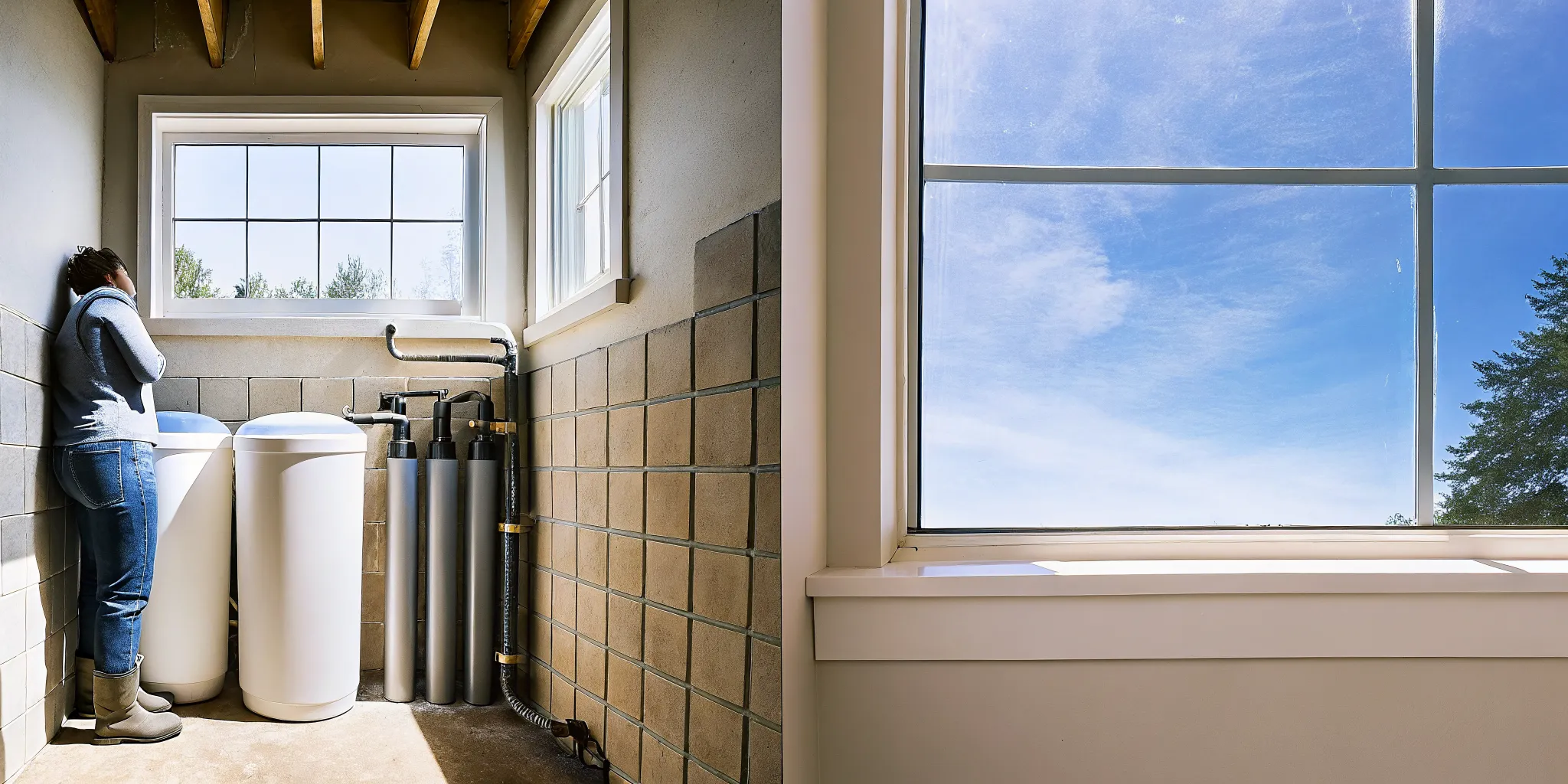
Hearing a water softener running constantly can worry any Minnesota homeowner, especially when water keeps moving long after a normal regeneration should end. The cause may be simple, such as an incorrect clock, or it may require professional diagnosis.
Start by observing what the system is doing rather than assuming it needs replacement. A careful, diagnosis-first check can separate normal operation from a leak, interrupted cycle, setting problem, or control-valve failure.
Is a Water Softener Running Constantly or Regenerating Normally?
A softener does not run continuously while treating everyday household water. Instead, it periodically regenerates to remove collected hardness minerals from its resin. During regeneration, you may hear water moving, a motor operating, or water flowing through the drain line.
Cycle length and frequency vary by equipment, settings, water hardness, and household demand. Consult the owner's manual for your system's expected behavior. A cycle that ends as expected may be normal, even when its sound is unfamiliar.
A possible problem exists when drain flow continues well beyond the expected cycle, regeneration repeats unusually often, or the display never advances. Changes in water pressure, water feel, salt use, or system sounds can provide additional clues.
First, note the display message, current time, and cycle stage. Then record when the running began and whether water is flowing at the drain. These details make later troubleshooting safer and more useful.
| What you observe | What it may suggest | Safe next step |
|---|---|---|
| Expected cycle ends normally | Routine regeneration | Monitor its next scheduled cycle |
| Regeneration repeats often | Settings, leaks, or higher demand | Review recent changes and visible settings |
| Drain flow never stops | Interrupted cycle or valve problem | Record the display and request service |
| Display shows an error | Control or mechanical problem | Write down the exact code |
Five Common Reasons a Water Softener Keeps Running
Constant operation is a symptom, not a diagnosis. The useful question is why the system keeps regenerating or cannot return to its normal service position. These five causes explain many cases.
Incorrect settings or a clock problem
A power interruption can reset the system clock or disturb a scheduled regeneration. A hardness setting that is too high may also trigger more frequent cycles than the household needs.
Other settings may control capacity, regeneration timing, and salt dose. Because controls differ among systems, compare visible settings with the owner's manual. Do not copy settings from another home or another model.
The hardness number should come from a current water test, not a guess based on how the water feels. A value that does not match the water can cause regeneration to happen too early or too late.
Also check whether the system uses a calendar schedule or measures actual water use. That difference changes how you should interpret frequent cycles. A scheduled unit may regenerate on fixed days, while a metered unit responds to demand.
Leaks or changing household demand
Many softeners track water use and regenerate after treating a set volume. A running toilet, dripping fixture, leaking pipe, or continuously supplied appliance can make the system register ongoing demand.
Normal life changes can have a similar effect. Houseguests, more laundry, frequent showers, or a new water-using appliance may lead to additional regeneration. The system may be responding correctly, even though the change seems sudden.
Compare the timing of frequent cycles with your household routine. If the pattern settles after guests leave or water use returns to normal, higher demand may have been the cause. If it continues, look for leaks and setting problems.
Interrupted regeneration or a control-valve problem
A power loss during regeneration can leave some systems paused or out of sequence. A restricted drain line may also prevent a cycle from progressing normally.
The control valve directs water through each regeneration stage and then returns the unit to service. Worn internal parts, debris, a stalled motor, or a sensor problem can keep that transition from happening.
Steady drain flow after the display indicates service is especially useful evidence. It can point toward a valve that is not sealing or returning to the correct position.
Repeated clicking, humming, or grinding can also help a technician locate a control problem. Record the sound instead of removing the cover. Internal valve parts operate under water pressure and require model-specific service procedures.
An interrupted cycle does not always mean a component failed. The unit may only need the correct model-specific recovery procedure. Follow the manual rather than repeatedly starting new regenerations, which can waste water without solving the cause.
Safe Troubleshooting Steps for Homeowners
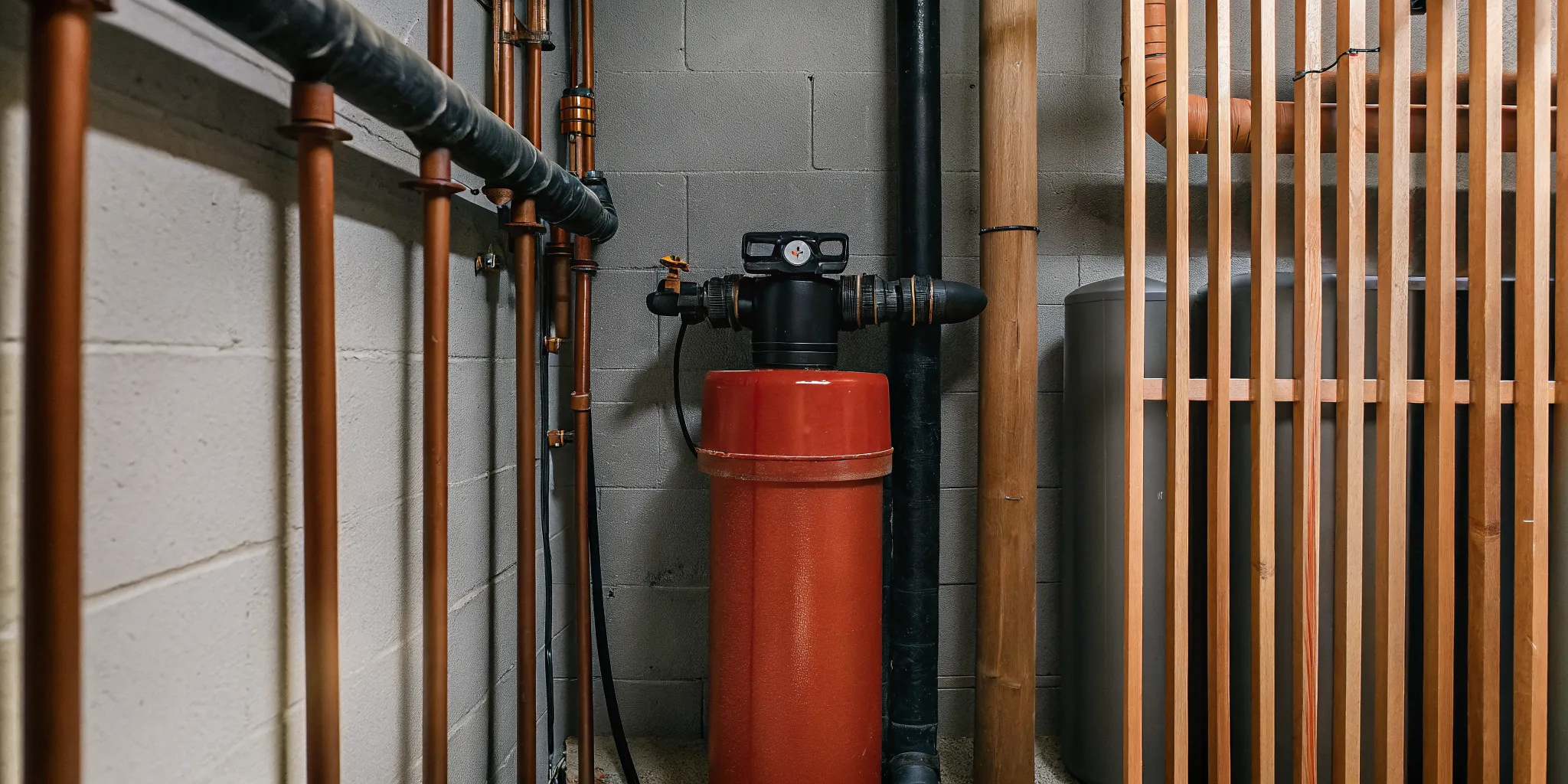
You can gather valuable information without opening the control head or disconnecting plumbing. Keep the checks visual and follow the owner's manual. Stop if you see active leaking, damaged wiring, or anything you cannot assess safely.
- Listen and observe. Determine whether the sound comes from the motor, drain line, nearby plumbing, or another appliance. Note whether the sound is steady or changes by cycle stage.
- Read the display. Record the time, cycle stage, countdown, and any error code. A photo can preserve details if the display later changes.
- Check the clock. Confirm that the displayed time is accurate, especially after a recent outage. An incorrect clock can make normal overnight regeneration happen during the day.
- Review visible settings. Compare hardness and scheduling values with the owner's manual. Avoid changing several settings at once because that makes the original cause harder to identify.
- Inspect the drain line. Look for kinks, obvious restrictions, loose connections, or continuous flow. Do not remove a pressurized line or reach inside the valve.
- Look for household leaks. Check toilets, faucets, hose connections, and visible plumbing. A small ongoing leak can create enough demand to trigger frequent regeneration.
- Review recent water use. Consider guests, extra laundry, changed routines, or new appliances. Note whether the unusual softener activity began at the same time.
After these checks, wait only if the unit appears to be moving through a normal cycle. If it remains in one stage or continues draining unexpectedly, professional diagnosis is the safer next step.
Request Water Softener Service
Loon Lakes Water Systems can evaluate the symptom, test the water, and explain whether the cause involves settings, household demand, plumbing, or the equipment. That approach avoids replacing parts before the cause is clear.
Do not use taste or water feel as the only test of performance. Those observations are useful, but they cannot identify every water condition or mechanical fault. A water test provides a clearer baseline for evaluating treatment.
If you need to limit unexpected drain flow before service, consult the owner's manual for the correct bypass procedure. Bypass controls differ, and using them changes whether water receives treatment. Never force a valve that does not move normally.
What Your Observations Can Reveal
The best troubleshooting notes connect a symptom with timing. Write down what changed before the problem began, what the display shows, and where water appears to be moving.
If regeneration started after a power outage, an interrupted cycle or reset clock deserves attention. If cycles became frequent after guests arrived, changing demand may explain the pattern. If all fixtures are off but use continues, investigate a leak.
A salt tank that looks full does not confirm that the softener is regenerating correctly. Salt can sometimes form a hardened layer with an open space below it. Do not strike or force anything inside the tank.
You can gently inspect the visible salt surface and report unusual clumping to a technician. The technician can determine whether salt condition contributes to the problem or whether another issue is preventing proper brine movement.
Continuous flow near the drain is another important clue. It may mean the system remains in a rinse or backwash stage. It may also indicate that a control valve is not closing completely.
A control-valve issue cannot be confirmed by sound alone. Several problems can create similar symptoms. A proper evaluation considers the display, drain behavior, plumbing demand, water conditions, and equipment operation together.
Water pressure changes can offer another clue. A noticeable pressure drop during a normal regeneration may end when the cycle finishes. Pressure that remains low afterward may point toward a restriction or a valve that did not return to service.
Changes in salt use also deserve context. More frequent regeneration can use salt faster, while a system that fails to draw brine may leave the level largely unchanged. Neither observation proves one specific failure by itself.
Keep your observations simple and objective. Note what you see, hear, and smell without trying to name the failed part. That record lets a professional compare the symptoms with test results and the equipment's actual operation.
When to Request Water Softener Service
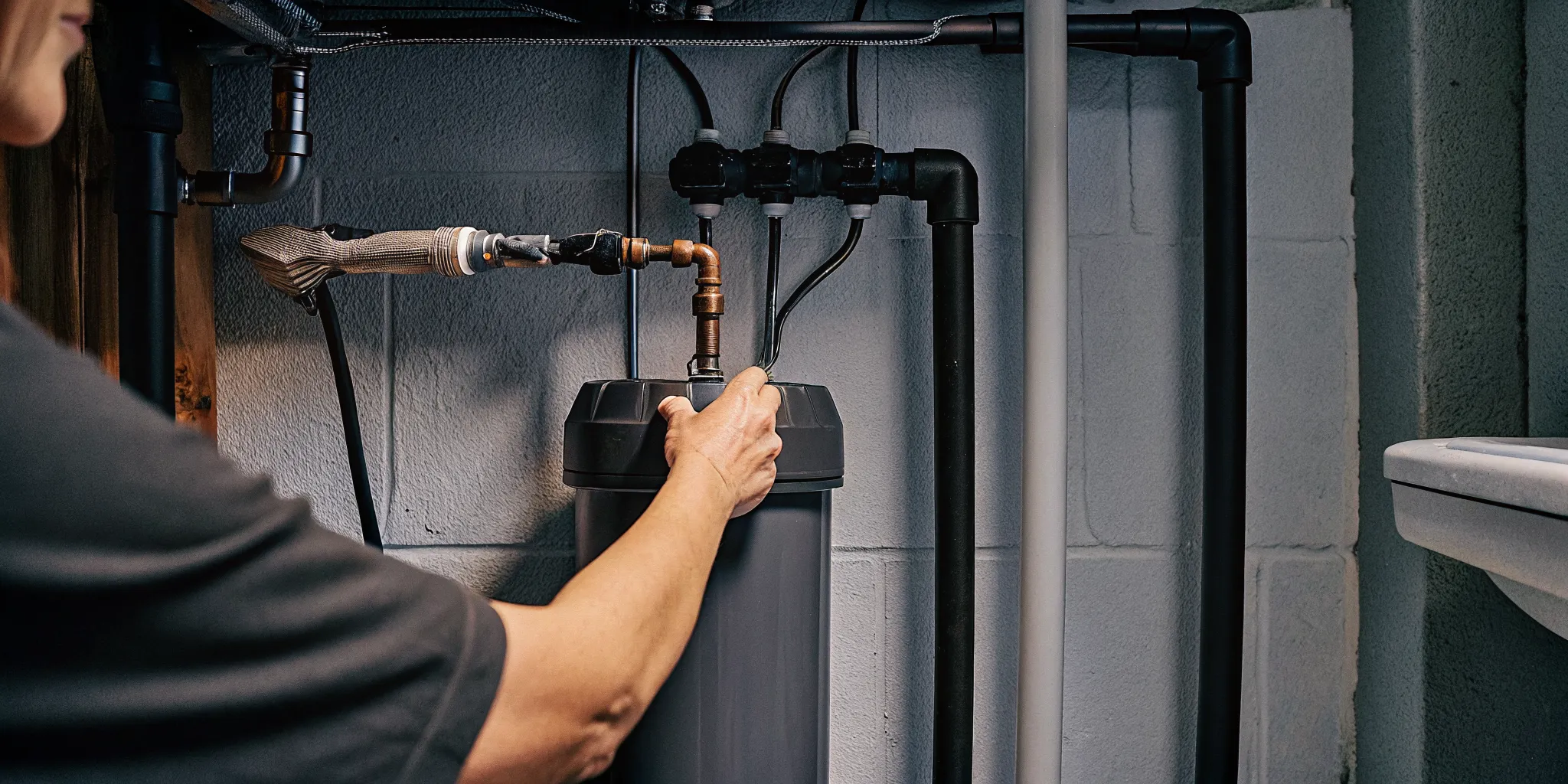
Request service when the softener never finishes a cycle or keeps sending water to the drain. Repeated regeneration without an explainable demand change also deserves professional diagnosis.
An error that remains after you follow the owner's manual is another reason to request help. Exact error codes and display messages can help the technician prepare for the correct system.
Service is also appropriate when you notice active leakage around the equipment, damaged connections, grinding sounds, or repeated loss of water pressure. Do not dismantle a control valve or electrical control assembly yourself.
Before the visit, collect a short set of observations. Include the system's display message, approximate start time, recent outages, recent water-use changes, and whether drain flow continues when household fixtures are off.
Also describe changes in the treated water. Hard-water scale, spotting, different water feel, or unusual taste can help indicate whether the unit is regenerating effectively. These signs still require testing before anyone recommends a solution.
Loon Lakes uses a diagnosis-first process for Minnesota homes. Water testing and equipment inspection help separate a water-quality change from a mechanical problem. You can review the available water treatment services before requesting help.
A repair may be appropriate when a serviceable component or setting causes the issue. A broader recommendation may make sense when water conditions, household needs, and equipment performance no longer align. Testing should guide that decision.
Equipment-neutral advice matters because similar symptoms can have different causes across models. A technician should confirm the condition of the existing system before discussing repair, adjustment, or replacement.
Ask what the inspection found and why the recommended next step addresses the cause. A clear explanation should connect the observed symptom, test findings, and equipment condition without relying on pressure or guesswork.
How to Reduce Repeat Problems
Once the immediate issue is resolved, keep a simple record of the correct settings and normal regeneration behavior. That reference makes unusual operation easier to recognize after an outage, household change, or future service visit.
Watch for changes in household water use and repair plumbing leaks promptly. A metered softener responds to flow, so an unnoticed toilet or fixture leak can affect regeneration frequency even when the softener itself works correctly.
Check the system clock after power interruptions. Inspect accessible drain lines for obvious kinks or movement. Follow the manufacturer's instructions for salt type, salt level, cleaning, and routine maintenance.
Water conditions can also change. A test can confirm current hardness and other relevant concerns before settings are adjusted. This is especially important when moving into a home or changing the water source.
Avoid making repeated adjustments based only on noise. Changing several values can mask the original problem and create inefficient operation. Instead, document the symptom, make one verified correction, and observe the result.
If the problem returns, share your notes with a technician. Clear observations shorten the path to a reliable diagnosis and help identify whether the repeated issue involves demand, settings, plumbing, or the control valve.
Frequently Asked Questions
Why is my water softener running constantly?
A water softener may keep running because of incorrect settings, a household leak, increased water demand, an interrupted regeneration cycle, a restricted drain line, or a control-valve problem. Observe the display and drain flow before changing settings.
Can a leaking toilet make a water softener regenerate often?
Yes. A metered softener can register a leaking toilet as ongoing water use. That added demand may trigger regeneration more often. Check for household leaks and repair them before assuming the softener itself has failed.
Should water continuously flow from the softener drain line?
Water can flow from the drain line during regeneration, but it should not continue indefinitely. Persistent drain flow after the expected cycle may indicate a stalled cycle, restriction, or control-valve problem that needs diagnosis.
Can I reset a water softener that will not stop running?
Follow the owner's manual before using any reset or manual-cycle control. A reset may correct a clock or interruption issue, but it will not repair a leak or failed valve. Request service if continuous flow returns.
If your system keeps running, avoid guessing at settings or parts. Loon Lakes Water Systems can test your water, inspect the equipment, and explain the next step clearly. You may also contact the local team with your observations.