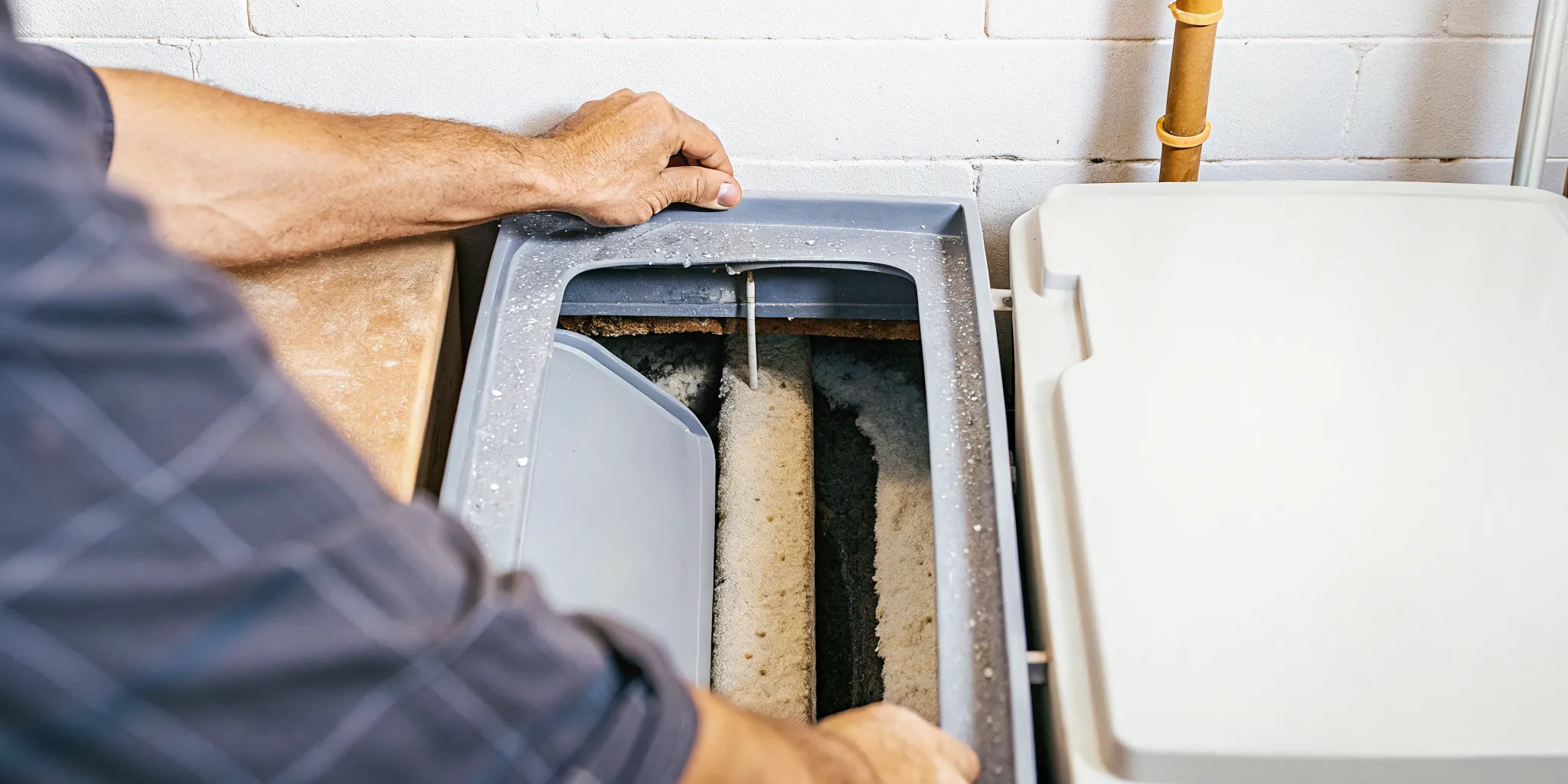
Your water softener may look full of salt while your water feels hard and leaves white spots. This can happen when a water softener salt bridge forms a solid layer that blocks the system from making brine.
Request water softener service if hard water returns while the tank still looks full.
A water softener salt bridge is a hardened crust that forms inside the brine tank. It can leave a hollow space between the visible salt and the water below. The tank may look full even though the system cannot make the brine it needs. Common clues include an unchanged salt level and the return of hard water symptoms. Start with a visual check, then follow your system manual or request service if you are unsure.
Spotting this issue early can help limit the return of hard water symptoms. The first step is understanding what happens inside the brine tank.
What is a water softener salt bridge?
A water softener salt bridge is a hard layer of salt that forms inside your brine tank. It creates a solid crust that sits above the water level. This crust leaves an air gap between the salt on top and the water at the bottom. To you, the tank looks like it is full of salt. But the system cannot work because the water cannot reach the salt pellets. This hidden gap stops the machine from making the brine it needs to soften your water.
How the bridge blocks softening
Your water softener uses a brine mix to clean the resin beads inside. During a cycle, the system pulls salty water from the tank. If a salt bridge forms, the water stays fresh. It never turns into the salty brine needed for the cleaning process. Without salt, the resin beads cannot get rid of hard minerals. Your system will then stop softening the water. You may notice hard water signs like white scale on your faucets.
A salt bridge can be hard to find because the tank looks normal. If the salt level does not go down after many cycles, a bridge has likely formed. Expert water softener maintenance and repair can help find these blocks. Tracking how much salt you use is the best way to catch this problem early. If you see your salt levels staying the same, it is time to check the tank.
Signs and water quality factors
The most common sign is a tank that stays full for a long time. You may also feel the return of hard water. This includes dry hair, itchy skin, or soap scum in the tub. For people in Minnesota with private wells, changes in the water can lead to issues. The CDC suggests testing well water for total dissolved solids. High mineral levels can change how your softener handles your water.
If you think there is a bridge, first look for a crusted surface, an unchanged salt level, or an unusual gap near the tank wall. Do not use sharp tools, force the salt, or dismantle equipment. Follow the safe check steps in your system manual or ask a service professional to inspect it.
Why salt bridges form
High humidity is one reason salt bridges form. When the air is damp, salt sticks together. This often happens in basements where the air is moist. Using the right salt can help stop this. Coarse salt or pellets are better than fine salt. Fine salt clumps easily when it is wet. It is also best to use salt with very few impurities. Try to keep your salt at a medium level. Filling the tank too much makes bridges more likely to form.
Signs your water softener has a salt bridge
A salt bridge can be hard to spot at first. It is a thick crust of salt that gets hard at the top of your tank. This crust keeps the water from hitting the fresh salt below. When this happens, your system cannot make the brine it needs to clean the resin. You may find that your water feels different or your dishes look spotty.
Your water feels hard again
One of the first signs of a salt bridge is the return of hard water. You might notice that your soap does not lather well in the shower. You may also see white film or scale on your faucets and glass doors. Since the system cannot regenerate without brine, it stops taking out the hard minerals. If you notice these changes, it is wise to look for a salt bridge in your brine tank.
The salt level never goes down
You should check your salt tank every few weeks. In a working system, the salt level will slowly drop as the system uses it. If the level stays the same for a long time, a bridge has likely formed. The salt you see at the top is just a crust, and there is a gap under it. People with wells should also track these levels as part of their yearly water check to ensure the system works right.
Checking for a solid crust
Look through the open lid for a crusted surface or salt that has pulled away from the side of the tank. Compare the salt level with a prior photo or note. If the signs point to a bridge, consult the manual or request water softener repair and installation service rather than forcing the salt.
How can you safely check for a salt bridge?
Check safely by looking for a crusted salt surface, an unchanged salt level, and the return of hard water symptoms. Do not use sharp tools, force the salt, or dismantle equipment. Follow the manufacturer manual or request service when the cause is unclear.
You might notice your water feels hard or leaves spots on dishes. This often means your system is not working right. A water softener salt bridge can stop your unit from cleaning itself. It forms a hard crust that keeps water away from the salt. This crust creates a gap that you cannot see from the top of the tank. You should check your brine tank often to keep things running well and avoid hard water issues.
Look for signs of hard water
If your salt level does not go down after many weeks, you likely have a bridge. You may also see scale buildup on your faucets or feel film on your skin. These signs show that your softener cannot make the brine it needs to work. Damp air or using the wrong salt can cause these blocks. Testing your water quality can help you find these issues early. The CDC notes that changes in water quality can alert you to equipment problems. If you see these signs, it is time to look inside your tank and test the salt.
Salt bridges are common when people use salt that has many small pieces. Fine salt clumps together more easily in damp air. In Minnesota, basements can get damp. Damp air makes the salt stick and form a solid floor. When this happens, your water stays hard even if the tank looks full of salt. You might think you have enough salt, but the water beneath the crust is empty. Checking for this gap is the first step to fixing the problem.
Use an observation-first check
You do not need to dismantle the unit to look for warning signs. Keep the check simple, and stop if the manual does not clearly support the next step.
- Open the lid: Look at the salt level without reaching into the tank.
- Inspect the surface: Look for a crust or a gap between the salt and tank wall.
- Compare the level: Use a prior photo or maintenance note to see whether salt use has stopped.
- Check water symptoms: Note whether spots, scale, or poor soap lather have returned.
- Read the manual: Follow only the manufacturer-approved checks for your model.
- Request service: Stop if confirming the cause would require force, sharp tools, or dismantling equipment.
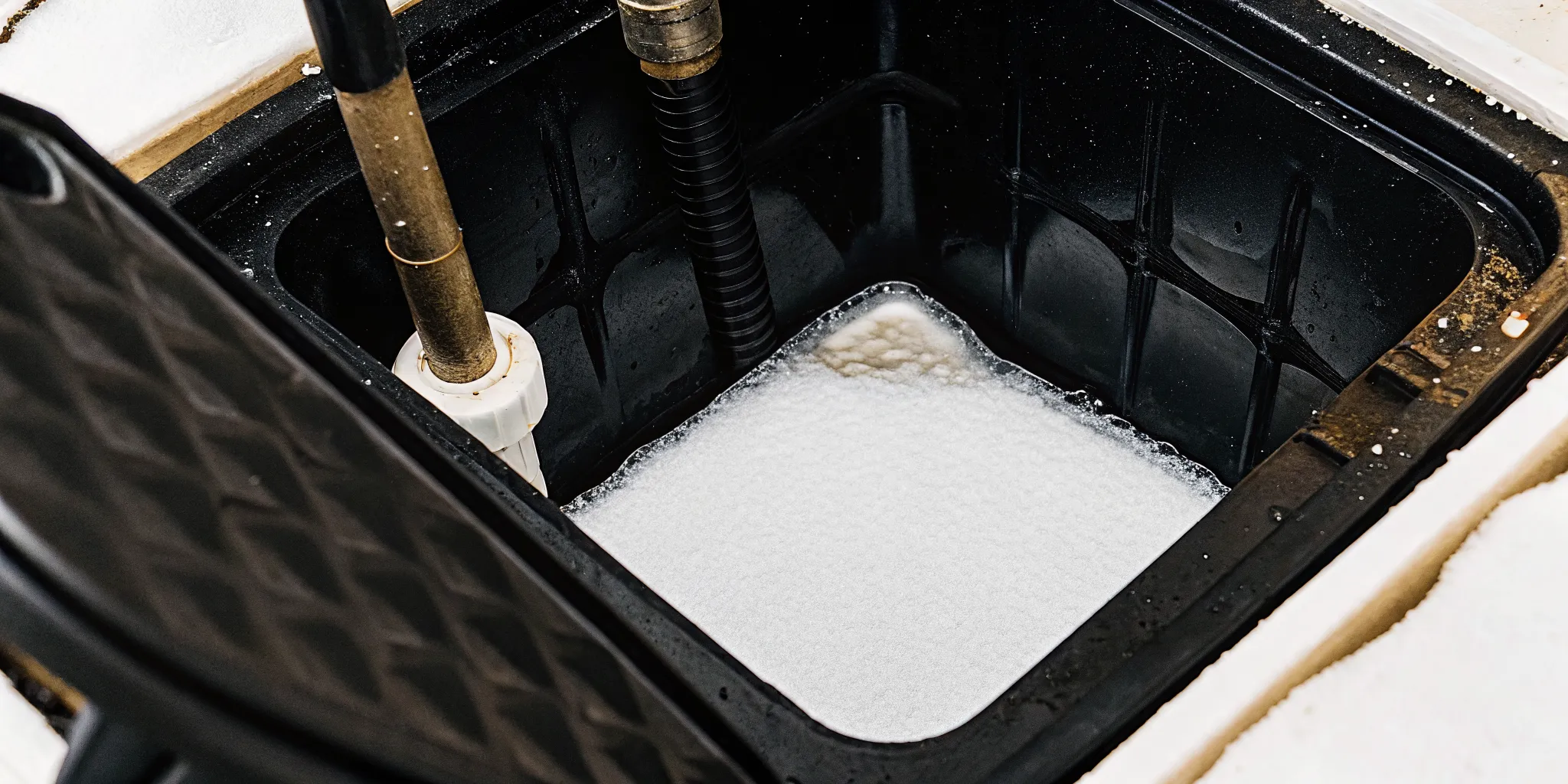
Do not use sharp tools, heavy hits, or force. Do not add water or start a manual cycle unless the manufacturer instructions for your exact model tell you to do so.
When to call for help
Checking your tank is a key part of water softener maintenance and repair. If the crust is too thick to break, do not use force. Using sharp tools or heavy hits can poke a hole in your tank. This could lead to leaks and more costs for your home. It is safer to ask a pro for help if the bridge stays stuck. Some bridges are thick and need expert care to remove safely.
Experts at Loon Lakes Water Systems can fix tough issues without harming your unit. We can also test your water to see why the bridge formed in the first place. Sometimes, a change in salt type or a small repair is all you need. We serve the Twin Cities area and can help you keep your water soft all year. If you are not sure how to check your tank, give us a call at 612-930-0156. We can walk you through the steps or visit your home to help.
Why do salt bridges form?
A salt bridge is a hard crust of salt that forms in your brine tank. This crust creates a gap between the salt and the water. When this happens, the water cannot reach the salt to make the brine mix. Your system needs this brine to clean the resin beads that soften your water. Without it, your water will stay hard and leave scale on your pipes. Knowing why these blocks form helps you keep your system running well.
High humidity and place
Moisture in the air is a top cause of a water softener salt bridge. If your softener is in a damp basement, the salt can soak up moisture. This makes the salt grains stick together. In Minnesota, high humidity in the summer can make this worse. The salt "sweats" and then dries into a solid block. This block stops the salt from falling into the water at the bottom of the tank.
You may not see the bridge by just looking. The top might look full, but a hard shelf may have formed below. The EPA suggests testing your water if you notice a change in quality. A sudden return of hard water can be one clue. Compare the visible salt level over time and ask for service if you cannot confirm the cause safely.
Using the wrong salt type
The type of salt you buy is key. Using fine-grade salt is a common mistake. Fine salt dissolves too fast and can lead to clumping. It is best to use salt pellets or nuggets. These shapes allow water to flow easily and prevent the salt from packing down. High-quality salt that is very pure also helps. Cheap salt has extra bits that do not dissolve and can bond the salt grains together.
Overfilling the brine tank
Filling your brine tank to the very top can also cause bridges. The heavy weight of too much salt packs the bottom layers down. This pressure creates a hard crust over time. It is better to keep the salt level lower. Most pros suggest keeping the salt between levels two and four on the tank scale. Keeping the tank half full lets you see if the salt is really being used by the system.
How to prevent a water softener salt bridge
Prevent salt bridges by using the salt recommended for your model, avoiding overfilling, keeping the brine tank area dry, and tracking normal salt use. Recurring bridges deserve a professional inspection because water level or mechanical issues may be involved.
Stopping a water softener salt bridge before it starts is easier than fixing one later. Good habits keep your water soft and your brine tank clean. These simple steps help you avoid the stress of hard water stains and dry skin. By following a few rules, you can make sure your system works well for many years.
Choosing the right salt
The kind of salt you use is key for your system. High-purity salt pellets or nuggets are often the best choice for most homes. These choices have less than 1% impurities, which keeps the tank clean. Avoid using rock salt or fine-grade salt unless your manual says to use them.
Low-quality salt has more dirt and minerals that can stick together. This sticking forms the hard crust that blocks your water flow. Always check your system manual or talk to a pro before you switch salt types.
Salt levels and humidity
Many people think they should fill the brine tank to the very top. But filling too much is a common cause of salt bridges. The weight of too much salt can pack the bottom layers together. It is better to keep the salt level lower in the tank.
Follow the fill marks and salt guidance for your exact system. Humidity also plays a role because salt takes in moisture. Watch for damp conditions around the unit and address the source of excess moisture safely.
Checks and expert care
A regular visual check can help you notice a problem early. Open the lid of your brine tank and look at the salt. Note whether the level changes over time and whether a crusted surface appears.
If the tool hits a hard layer that does not move, a bridge may be starting. Owners with private wells should be even more careful with their systems. The EPA suggests yearly water tests for well users to track changes in water quality.
Routine care is key to a long-lasting water softener. Expert water softener maintenance and repair helps catch small issues before they grow. A pro can clean your brine tank and check the valves for any clogs.
Keeping salt on hand makes routine care easier. Ask about Loon Lakes water softener salt delivery and confirm which salt is right for your unit.
| Habit | Why it helps | What to watch |
|---|---|---|
| Use manufacturer-recommended salt. | It can reduce debris in the tank. | Check the bag and system manual. |
| Avoid overfilling. | It reduces pressure and makes changes easier to see. | Track the normal salt level. |
| Make regular visual checks. | They can reveal a crust early. | Look without using tools or force. |
| Control humidity. | It helps keep salt dry and loose. | Watch for dampness in the room. |
When does a recurring salt bridge need service?
Request professional service when a salt bridge returns, the salt level does not change after normal use, hard water continues after basic maintenance, or the tank water level looks unusual. A technician can diagnose the cause without risky dismantling.
Most Minnesota homeowners will find a water softener salt bridge at some point. This hard crust forms in your brine tank and stops water from reaching the salt. While you can often break a one-time bridge yourself, a bridge that keeps coming back is a sign of a deeper issue. If you find yourself clearing a crust every few weeks, your system is not working as it should.
Finding the cause of repeated bridges
A bridge that returns often may point to a problem with your salt type or tank spot. Using salt that has extra bits in it can cause the grains to bond together too easily. Damp air in your basement or laundry room also makes salt sticky and prone to clumping. If the tank has too much salt, the weight can pack the bottom layers into a solid mass. Keeping your salt at the right level helps prevent these blocks from forming.
Sometimes the issue is not just the salt. A leaky valve or a clog in the brine line can change how water enters the tank. If water sits too high or stays in the tank too long, it can dissolve and then harden the salt into a bridge. When these parts fail, you may need expert water softener repair and installation services to fix the root cause.
When to call for expert help
You should seek service if your water quality changes even after you clear the bridge. If you still have hard water spots, dry skin, or dull laundry, the bridge may have caused a cycle failure. An expert can check if the resin beads inside your tank are still good. They can also look for gear blocks in the head of the softener that a homeowner cannot see. Service checks ensure your system protects your pipes and appliances for the long term.
For those on a private well, a recurring bridge can sometimes be linked to changes in your water. High levels of dissolved solids can make salt care more difficult. The EPA recommends that you test your private well at least once a year for pH and total dissolved solids. These tests help you understand if your water quality is putting extra stress on your treatment gear. If your well water changes, our team can help you adjust your softener settings to match the new state.
Loon Lakes Water Systems uses a "test first" method to find out why your salt is clumping. We do not just break the bridge; we look for the reason it formed. Whether you have a small leak or need a system update, we give you clear facts so you can make the right choice. Our goal is to keep your Minnesota home running with soft, clean water without the constant need for DIY fixes.
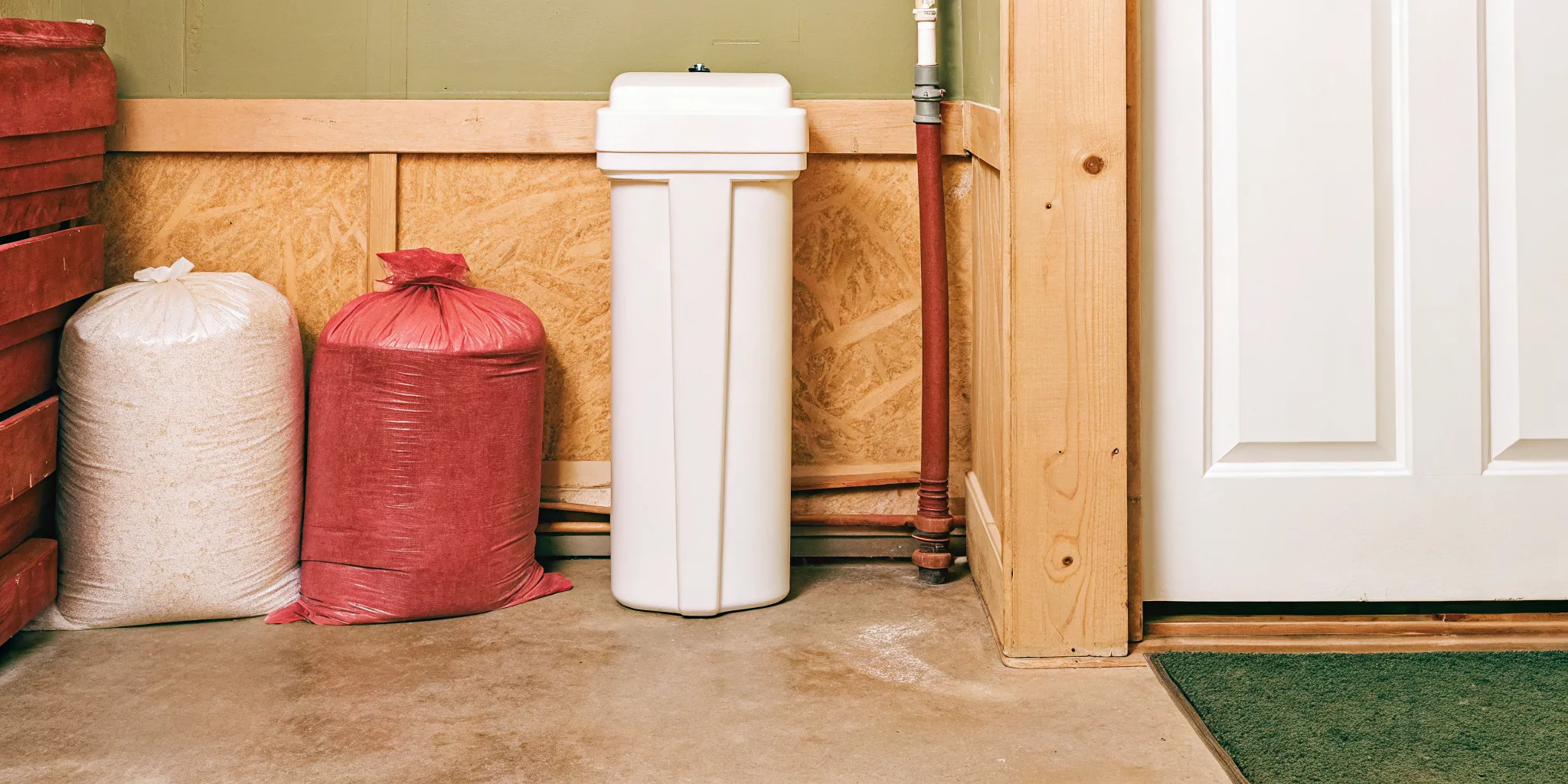
What should you watch after a salt bridge is addressed?
After addressing a salt bridge, watch for a gradual drop in salt level and improvement in hard water symptoms. If the level stays unchanged, the crust returns, or the water still feels hard, request a system inspection and water test.
Once you break up a water softener salt bridge, your system should start working again. But your work is not quite done yet. You need to keep a close eye on the tank and your water for a few weeks. This helps you make sure the issue is fully solved and that your softener is back to its normal routine.
Check your salt level trends
The most obvious sign of a fixed bridge is salt use. In a healthy system, the salt level in the brine tank will drop slowly over time. If you notice that the salt level stays exactly the same after a few weeks, a new bridge may have formed. A steady drop shows that water is reaching the salt and creating the brine needed for cleaning.
You should also check the visible surface of the salt. If the top layer looks hard or crusty again, humidity or salt choice may be factors. Follow your system manual when choosing salt. If you are not sure, request water softener repair and installation service for a clear diagnosis.
Watch water symptoms and feel
Your water will tell you if the softener is doing its job. After you fix a bridge, you should feel a change in your water quickly. Soft water feels slick or smooth on your skin. If your water starts to feel "sticky" or hard again, the bridge may have returned. You might also see spots on your dishes or scale on your faucets.
Pay attention to any changes in how your water looks or smells. The EPA suggests testing your water if you notice a change in taste, color, or odor. These shifts can point to issues with your treatment system or your well. Keeping a log of these symptoms can help a pro find the root cause if the problem lasts.
Expert testing for lasting issues
Sometimes, addressing a salt bridge is only part of the answer. If hard water symptoms continue, there may be a deeper issue. A professional can test the water, inspect the system, and explain whether service or a settings change is appropriate.
We believe in a "test first" approach to water care. Getting a professional test is the best way to know what is in your water. If your softener keeps failing, we can find out why and offer a clear plan to fix it. You can schedule free water testing with us to get expert advice on your home system.
Schedule free water testing if hard water symptoms continue after basic salt bridge maintenance.
Frequently Asked Questions
What are the signs of a salt bridge in a water softener?
Signs include water that feels hard or leaves spots on dishes even though the tank looks full. You might notice your soap does not lather well or see white film on faucets. If the salt level stays the same for a long time, a bridge has likely formed. According to Whirlpool Water Solutions, this crust stops water from reaching the salt to make the brine needed for softening.
How do I check my water softener for a salt bridge?
Start with a visual check. Look for a crusted surface, a gap near the tank wall, or a salt level that has not changed over time. Compare those clues with the return of hard water symptoms. Do not use force or sharp tools. Follow your system manual or request service if you cannot confirm the cause safely.
What is the safest way to break a salt bridge?
The safest next step depends on your exact softener model and the condition of the tank. Do not force the crust, use sharp tools, dismantle parts, add water, or start a manual cycle unless the manufacturer instructions specifically direct you to do so. If you are uncertain, request professional service.
How do I prevent salt bridges from forming?
Follow your system manual for salt type and fill level. Track salt use instead of automatically topping off the tank, and watch for excess moisture near the unit. Regular visual checks make it easier to notice an unchanged level or crusted surface before hard water symptoms become persistent.
Ready to fix your salt bridge and enjoy soft water again?
A recurring salt bridge can leave you dealing with hard water symptoms while the tank still looks full. A prompt inspection can identify the cause and help you decide whether basic maintenance or professional service makes sense.
Ready for a clear diagnosis? Request service from Loon Lakes Water Systems or call 612-930-0156.