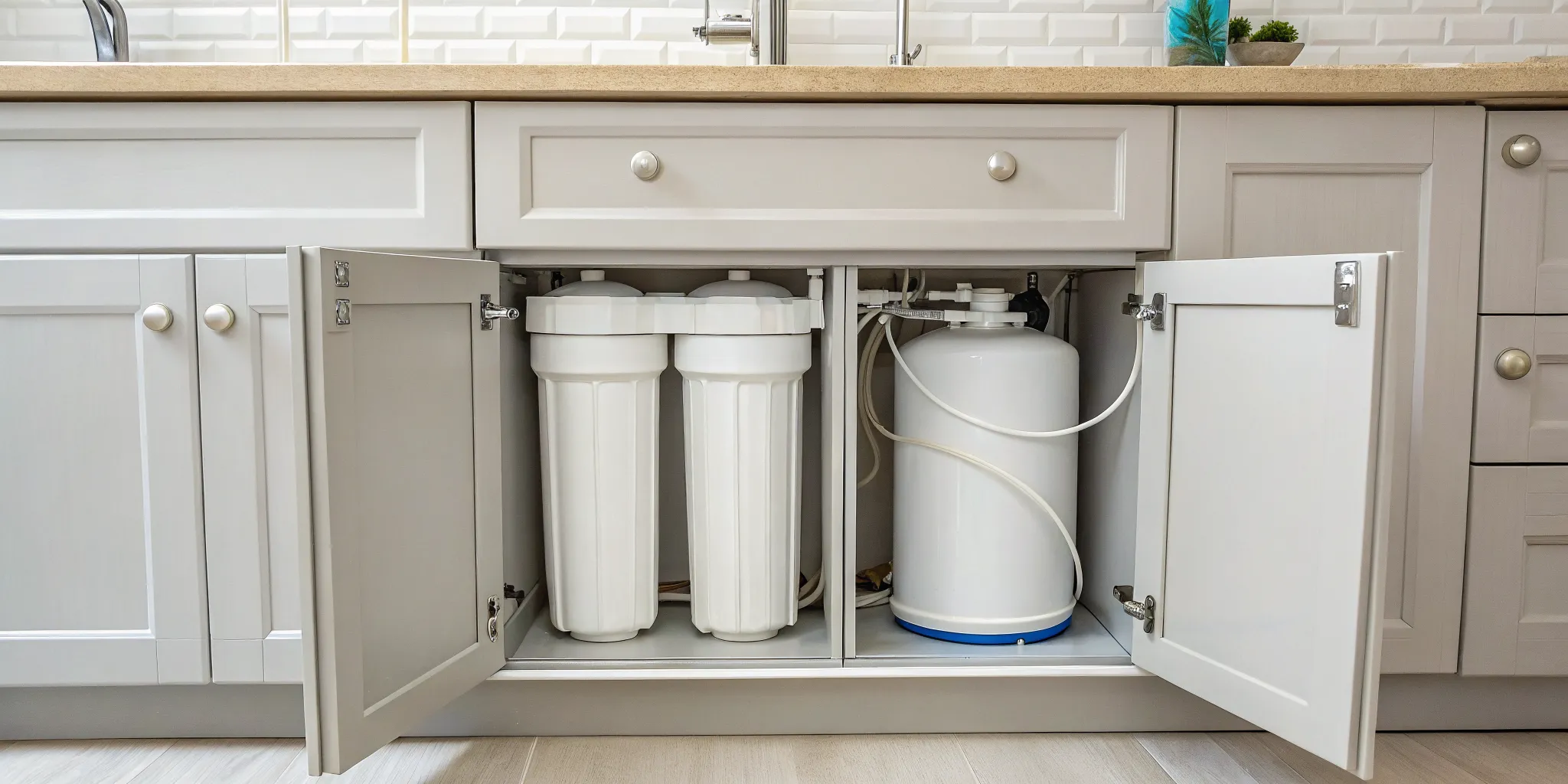
In Minnesota, our water tells a local story, carrying minerals from our geology and signs of our environment. A water treatment solution that works perfectly in another state might not be the right fit for your home here. When you start searching online for the best reverse osmosis system under sink, you'll find a dizzying array of one-size-fits-all products. But your water is unique. This guide is written from a local perspective, focusing on what truly matters for Minnesota homeowners. We'll explain why understanding your specific water chemistry through a professional test is the most critical first step to finding a system that will deliver pure, safe, and delicious water for years to come.
Need clear answers about your water? Schedule free water testing with Loon Lakes Water Systems before choosing equipment.
Key Takeaways
- Test your water first: The smartest step you can take is getting a professional water test. This analysis reveals exactly what is in your water, so you can choose a system that targets your specific contaminants instead of guessing.
- Match the model to your kitchen: Decide if a space-saving tankless model or a classic tank system is a better fit for your under-sink area and family's water usage. Both provide pure water, but one will better suit your home's layout and your daily routine.
- Prioritize performance and taste: A great system does more than just filter; look for key features like NSF certification for safety, a remineralization stage for better-tasting water, and a high water efficiency ratio to conserve resources.
What Is an Under-Sink Reverse Osmosis System?
Think of an under-sink reverse osmosis (RO) system as a compact water purification plant that lives right in your kitchen cabinet. It's designed to deliver incredibly clean, great-tasting water directly from a dedicated faucet at your sink, separating it from your regular hot and cold tap water. This isn't your average pitcher filter; it's a far more powerful and comprehensive solution for improving your home's drinking water.
At its core, the system works by pushing your home's water through a series of filters and a specialized membrane. This process, called reverse osmosis, is extremely effective at separating pure water molecules from almost everything else. A good multi-stage system removes a huge range of common contaminants that basic filters often miss. We're talking about things like lead, chlorine, fluoride, nitrates, rust, and sediment. It's also one of the most effective ways to remove emerging concerns like PFAS (forever chemicals) and microplastics from your drinking water.
Under-sink RO systems generally come in two main styles. Traditional systems use a small, pressurized storage tank to hold a reserve of purified water, ensuring it's ready the moment you turn on the faucet. Newer, tankless models filter water on demand, using a small pump to provide a continuous flow. The right choice depends on your space, water usage, and household needs. Before you can decide which system is best, however, you first need to know what's in your water, which is why we always recommend starting with a free water test.
Tank vs. Tankless: Which Is Right for You?
When you start looking at under-sink reverse osmosis systems, one of the first choices you'll face is whether to go with a traditional tank system or a modern tankless one. Both will give you incredibly pure, great-tasting water, but they work a little differently and fit different lifestyles and kitchens. Think of it like choosing between a reliable sedan and a sleek, compact car; both get you where you need to go, but one might be a better fit for your garage and driving habits.
A traditional RO system uses a small storage tank that keeps a few gallons of purified water ready for you under the sink. When you turn on the faucet, that water is instantly available. A tankless system, on the other hand, filters your water on demand. It uses advanced technology to purify water in real time, as you need it.
The right choice for your home depends on a few key things: how much space you have under your sink, how much water your family uses, and your budget. Let's break down the pros and cons of each so you can feel confident picking the perfect system for your Minnesota home.
Tank Systems: The Pros and Cons
Traditional tank systems are the classic, time-tested choice for a reason. They work by slowly filtering water and storing it in a pressurized tank, which means you get immediate water flow the second you open the tap. Because the filtration process happens in the background, the system ensures you always have a supply of pure water waiting for you. This reliability is a huge plus.
The main trade-off is space. The storage tank does take up a good chunk of real estate under your sink, which can be a challenge in smaller kitchens. And while you get water instantly, the system's overall filtration rate is slower as it works to refill the tank. Still, for many families, these are minor points for a dependable and often more budget-friendly RO system.
Tankless Systems: The Pros and Cons
If you're short on cabinet space, a tankless RO system can feel like a game-changer. By getting rid of the bulky storage tank, these sleek units can free up a lot of room under your sink. Instead of storing water, they use a powerful internal pump to push water through the reverse osmosis membranes quickly, giving you freshly filtered water on demand. This also means you get a continuous supply, so you'll never run out of purified water, even if you're filling multiple large pots for pasta night.
The main considerations for tankless systems are that they typically have a higher upfront cost and require an electrical outlet for the pump. However, many homeowners find the space-saving design and endless supply of fresh water to be well worth it. Our team can help you figure out if a tankless installation is a good fit for your kitchen setup.
Filter Changes and Upkeep: What's the Difference?
Regardless of whether you choose a tank or tankless model, regular filter changes are key to keeping your water pure and your system running smoothly. A quality RO system will have multiple filtration stages to tackle a wide range of contaminants, from sediment and chlorine to more complex chemicals. The pre-filters that catch larger particles usually need to be replaced every 6 to 12 months. The core reverse osmosis membrane, which does the heavy lifting, lasts much longer, typically around 2 to 5 years.
The good news is that modern systems are designed with easy maintenance in mind. Many feature simple twist-off or click-in filters that you can change in seconds without any tools. The best way to know what your system needs is to start with a clear picture of your water quality. A free water test will identify the specific contaminants in your water, helping us recommend a system with the right filters for the job.
Start with water testing.
Loon Lakes Water Systems helps Minnesota homeowners understand hardness, iron, sulfur odor, drinking water concerns, and equipment issues before recommending a solution.
Schedule Free Water TestingWhat to Look for in an Under-Sink RO System
Once you have an idea of whether a tank or tankless model fits your space, it's time to look at the details that separate a good system from a great one. Comparing reverse osmosis systems can feel a bit technical, but it really comes down to a few key features. Focusing on these four areas will help you choose a system that delivers pure, great-tasting water for years to come.
Contaminant Removal and Certifications
The main reason to get an RO system is for cleaner, safer water, so its filtration power is the most important feature. Reverse osmosis is incredibly effective, removing a long list of things that basic filters miss, including lead, fluoride, nitrates, chlorine, and sediment. They are also proven to filter out emerging contaminants like PFAS (often called "forever chemicals") and microplastics. A free water test is the best way to know exactly what's in your water, so you can match it to a system designed to handle those specific issues.
To ensure a system does what it claims, look for one that is NSF certified. This independent certification means the system has been rigorously tested to verify it removes the contaminants advertised and is built from safe, lead-free materials. It's your guarantee of quality and performance.
Filtration Stages and Why Remineralization Matters
RO systems purify water through multiple stages. While the reverse osmosis membrane does the heavy lifting, the stages that come after it are just as important for the final taste and quality. Because the RO process is so thorough, it strips out nearly everything, including healthy minerals. This can leave the water with a flat, unappealing taste.
That's why many of the best systems include a final remineralization stage. This filter adds healthy minerals like calcium and magnesium back into the water after it has been purified. This final step balances the water's pH and dramatically improves the taste, giving it a crisp, refreshing flavor that's much better for drinking and cooking. It's a feature that turns pure water into delicious water.
Water Efficiency (The Drain Ratio Explained)
You may have heard that RO systems waste water, and while that was true for older models, modern systems have become much more efficient. This efficiency is measured by the drain ratio, which tells you how much water goes to the drain for every gallon of purified water produced. For example, a system with a 2:1 waste-to-pure-water ratio sends two gallons of water to the drain for every one gallon it purifies.
When shopping, look for the lowest drain ratio you can find. Many newer tankless systems have excellent efficiency, with some achieving a 1:1 ratio (one gallon of wastewater for every one gallon of pure water) or even better. This makes them a far more sustainable choice and helps keep your water bill down without compromising on purity.
Flow Rate and Capacity
Flow rate is all about how quickly the system can deliver purified water to your faucet. No one wants to wait a minute just to fill a glass of water. This is where you'll see a big difference between models. A system's capacity is often measured in gallons per day (GPD), with higher numbers indicating a more powerful system.
Tankless models typically offer the best flow rates because they use a booster pump to push water through the filters on demand. Some high-performance systems can produce up to 800 GPD, which is fast enough to fill an 8-ounce cup in about eight seconds. If you have a busy family or use a lot of filtered water for cooking, a system with a high flow rate will make a huge difference in your daily routine.
Comparing the Top Under-Sink RO Systems
Choosing an under-sink reverse osmosis system can feel overwhelming with all the different brands and features out there. While you can buy these systems online or from a big-box store, the best approach is to match the system to your home's specific water chemistry. A system that works wonders for your neighbor might not be the right fit for you, especially with Minnesota's diverse water profiles.
To give you a starting point, let's look at a few popular systems on the market. We'll cover what makes each one unique, so you can get a feel for the options available. Remember, the right system for you is one that effectively targets the specific contaminants in your water, which is something only a professional water test can determine.
Loon Lakes Water Systems
Instead of offering a single, one-size-fits-all product, we take a different approach. At Loon Lakes, we start with a comprehensive, free water test right in your home. This tells us exactly what's in your water, from hardness minerals and iron to chlorine and other contaminants. Based on those results, we recommend a reverse osmosis system that is perfectly suited to your needs and budget. We handle the professional installation and provide ongoing support, so you get a complete, customized solution, not just a box from a shelf.
Waterdrop G3 P800
The Waterdrop G3 P800 is a popular choice for homeowners who are short on under-sink space. Because it's a tankless system, it's much more compact than traditional models that use a bulky storage tank. It's also incredibly fast, capable of filtering up to 800 gallons per day, which means no waiting around for a glass of pure water. A neat feature is its smart faucet, which has an LED light that shows you the real-time quality of your water. It's also quite efficient, with a good pure-to-drain water ratio.
APEC ROES-PH75
If you're looking for a reliable and budget-friendly workhorse, the APEC ROES-PH75 is a frequently recommended model. This is a traditional system with a storage tank, known for its durable construction and consistent performance. It's certified to reduce a wide range of contaminants and is built with lead-free parts for safety. A key benefit of this system is that it also includes a final filtration stage that adds beneficial minerals back into the water, which can improve the taste. It's a straightforward, dependable option for families wanting clean, great-tasting water.
Cloud RO
The Cloud RO system stands out for a couple of reasons. First, it's certified by the NSF, an independent organization that verifies a product's contaminant-removal claims, giving you extra peace of mind. Second, it manages to do its job without needing an electrical outlet, which can simplify installation. Like the APEC system, it also features a remineralization filter to add healthy minerals like calcium and magnesium back into your water after the purification process, which many people prefer for taste and health.
AquaTru Under-Counter
For those who want one of the most thorough filtration systems available, the AquaTru is a serious contender. It's independently tested and certified to remove dozens of contaminants, making it one of the most powerful purification systems on the market. It's also exceptionally efficient with its water use, wasting very little compared to many other RO systems. While it's known for its countertop models, which are great for renters, the under-counter version brings that same powerful filtration discreetly into your kitchen sink setup.
How They Stack Up: Performance, Efficiency, and Price
This is where we get into the nitty-gritty. Choosing an under-sink reverse osmosis system often comes down to two key questions: How well does it work, and how much does it cost? The market is full of options, from budget-friendly DIY kits to high-end, professionally installed systems. Understanding the differences in performance and price will help you find the right fit for your home and your wallet.
Performance isn't just about making water taste better; it's about what the system removes. The most effective RO systems are tested and certified to eliminate a wide range of contaminants, from lead and fluoride to emerging concerns like PFAS. Efficiency is also a major factor, covering everything from how quickly the faucet fills your glass to how much water is used in the filtration process. Price, of course, ties it all together. The cost reflects the technology, filtration stages, and overall quality of the system. While it's tempting to just look at the sticker price, it's important to consider the long-term value, including filter replacement costs and the peace of mind that comes with clean, safe water. The best approach is to find a balance that meets your specific needs, which is why starting with a clear understanding of your home's water is so important. A professional water analysis gives you a roadmap for what to prioritize.
Performance: A Side-by-Side Breakdown
When we talk about performance, we're really talking about the system's power to purify your water. A high-performance RO system can remove up to 99% of total dissolved solids (TDS), including difficult contaminants that basic filters miss, like nitrates, arsenic, and microplastics. Some modern systems are also designed to be incredibly efficient. For example, tankless models save a lot of under-sink space and deliver filtered water on demand, so you're not waiting around. The key is to look for systems that are proven to handle the specific issues in your water. We help homeowners select RO systems that are perfectly matched to their water quality for reliable, long-term performance.
Price: What Do You Get for Your Money?
Under-sink RO systems can range from a couple hundred dollars for a basic DIY kit to over a thousand for a high-capacity, professionally installed model. So, what's behind the price tag? Features like the number of filtration stages, whether it has a tank or is tankless, and its daily water production capacity all play a role. For instance, a simple tank system might cost around $300, while a high-flow tankless system with remineralization could be closer to $800. Certifications from organizations like the WQA also add value, assuring you that the system meets strict standards for safety and performance. To get a clear picture of the total cost for your home, the best first step is to schedule a free water test. This allows us to recommend the right system and provide an accurate, all-inclusive quote covering the equipment, installation, and ongoing support.
The Real-Life Benefits of RO Water
Beyond the technical specs and filtration stages, what does having a reverse osmosis system actually do for your daily life? It's about more than just water; it's about improving the taste of your morning coffee, gaining confidence in the water your family drinks, and even saving a little money along the way. Let's look at the tangible benefits you'll notice once you have an RO system installed in your home.
Better Taste for Drinking and Cooking
One of the first things people notice is the taste. RO water is crisp, clean, and refreshing because the system removes things like chlorine, sulfur, and other dissolved solids that can give tap water a distinct, sometimes unpleasant, flavor. This difference isn't just for drinking. When you cook with purified water, the true flavors of your food shine through. Your coffee and tea will taste richer, your pasta won't absorb that chlorinated taste, and even your ice cubes will be clearer and purer. It's a simple upgrade that makes a noticeable difference in your kitchen every single day.
Peace of Mind for Your Family's Health
Knowing your water is clean provides incredible peace of mind. Reverse osmosis systems are exceptionally good at removing a wide range of contaminants that basic pitcher filters often miss. We're talking about things like lead, nitrates, fluoride, and emerging concerns like PFAS, also known as "forever chemicals." While Minnesota's municipal water is treated, an RO system acts as a final barrier, ensuring the water from your tap is as pure as possible. The best way to know what's in your water is to start with a water test. This gives you a clear picture of your water quality and helps you choose a system that targets your specific concerns.
How RO Saves You Money on Bottled Water
If you're a regular buyer of bottled water, an RO system is an investment that quickly pays for itself. Think about how much you spend each month on cases of water, not to mention the hassle of carrying them home and the plastic waste they create. With a reverse osmosis drinking water system, you get unlimited, high-quality water straight from your tap for just pennies per gallon. You can fill up your reusable bottles and head out the door, saving money and significantly reducing your environmental footprint. It's a win for your wallet and the planet.
Will an RO System Work in Your Home?
So, you're ready for crisp, clean water straight from your tap. That's great! Before you pick out a reverse osmosis system, there are a couple of practical things to check at home to make sure everything goes smoothly. Think of it as a quick home-readiness check. Getting these two details sorted out first will help you choose the right system and ensure it works perfectly from day one. It's all about making sure the system you choose is a perfect match for your home's unique setup.
Don't worry, this isn't complicated. It just involves a quick look at your water pressure and the space under your sink. Knowing these two things will prevent any surprises during installation. And if you're ever unsure, that's what we're here for. A professional can easily assess your home's needs and recommend the perfect fit. Our team at Loon Lakes Water Systems offers a free water test that includes checking these factors, so you can move forward with total confidence.
Checking Your Water Pressure
Reverse osmosis systems rely on your home's water pressure to push water through the ultra-fine filtration membrane. If the pressure is too low, the system won't be able to produce clean water efficiently, and the wastewater-to-pure-water ratio can get thrown off. Most RO systems need at least 40 PSI (pounds per square inch) to operate correctly. If your home has low water pressure, a standard system might struggle. The good news is that solutions are available, like systems with a built-in booster pump. The easiest way to know for sure is to have your pressure checked during a professional water assessment.
Measuring Your Under-Sink Space
The next step is a simple one: grab a tape measure and take a peek under your kitchen sink. This is where most RO systems live, and you'll want to make sure there's enough room. Consider the space you'll need for the filtration unit itself and, if you choose a model with a tank, the storage tank. Many modern systems are surprisingly compact. Some tankless models are specifically designed to save space, which is a huge plus if you're also working around a garbage disposal and cleaning supplies. Looking at different RO products will give you a better idea of their dimensions and help you find one that fits perfectly.
Debunking Common RO System Myths
Reverse osmosis systems have been around for a while, and so have the rumors about them. If you've been researching RO water, you've probably run into some conflicting information. It's easy to get bogged down by myths that are often based on outdated technology. Let's clear up a few of the most common misconceptions so you can feel confident about whether an RO system is the right fit for your home.
The truth is, today's RO systems are a world away from the models of a decade ago. They're more efficient, smarter, and easier to manage than ever before. Let's separate fact from fiction.
Myth: "They waste too much water."
This is probably the most common concern I hear, and it comes from a place of truth. Early RO systems were not very efficient, sometimes sending several gallons of water down the drain for every one gallon of purified water they produced. However, technology has made huge strides. While RO systems still need to use water to flush contaminants away from the filter membrane, modern systems have drastically reduced the amount of waste. Many high-efficiency models have much better drain ratios, making them a far more sustainable choice. The wastewater is also not "dirty" water; it's just water with a higher concentration of the dissolved solids that were filtered out.
Myth: "It removes healthy minerals."
This one is also technically true, but it's missing the full picture. The reverse osmosis membrane is incredibly fine, which is why it's so good at removing harmful contaminants like lead and arsenic. But in the process, it also removes beneficial minerals like calcium and magnesium. This is why early RO water sometimes had a "flat" taste. Today, many of the best reverse osmosis systems solve this problem with a dedicated remineralization filter. This final stage adds healthy minerals back into the water after it has been purified, improving the taste and enhancing its health benefits. You get the best of both worlds: pure water without the contaminants, plus healthy minerals.
Myth: "They're a pain to maintain."
The thought of changing filters can bring up images of wrenches, buckets, and a big mess under the sink. While that might have been the case with older models, modern RO systems are designed for convenience. Many feature simple, twist-off filter cartridges that allow for easy filter changes you can complete in seconds without any tools. Some even have color-coded filters and indicator lights that tell you exactly when a change is needed, taking all the guesswork out of the process. Maintenance is typically only required every six to 12 months, making it a quick and easy task you barely have to think about.
Myth: "You only need one if your water looks bad."
This is one of the most dangerous myths out there. While cloudy water or strange odors are clear signs of a problem, many of the most harmful contaminants are completely invisible, odorless, and tasteless. Things like lead, arsenic, PFAS, pesticides, and industrial chemicals can be present in your water without you ever knowing it. A basic pitcher filter isn't designed to remove these contaminants, but a reverse osmosis system is. That's why starting with a professional free water test is so important. It gives you a clear picture of what's actually in your tap water, allowing you to choose a system that targets your specific water quality issues.
Is a Reverse Osmosis System Worth It for Minnesota Homes?
If you live in Minnesota, you know our water can be a mixed bag. From the iron in well water that stains your sinks to concerns about contaminants in city supplies, it's natural to wonder if your tap water is as clean as it could be. A reverse osmosis (RO) system is a popular solution for getting pure, great-tasting drinking water right from your kitchen sink. But is it a necessary investment for your home?
The short answer is: it depends on your water. For many Minnesota homeowners, an RO system provides not just better-tasting water, but also invaluable peace of mind. It acts as a final, powerful line of defense, removing things that other filters and even water softeners might leave behind. Let's look at the specific problems an RO system can solve and why starting with a professional analysis is the smartest first step.
Tackling Minnesota's Common Water Problems
Reverse osmosis systems are incredibly effective at purifying drinking water because they can remove a wide range of substances that basic filters often miss. Think of it as a high-level security check for your water. An RO system can filter out common Minnesota water concerns like nitrates from agricultural runoff, lead from older pipes, and chlorine used in municipal treatment. It also tackles emerging contaminants like PFAS, often called "forever chemicals," and microplastics. Even aesthetic issues like rust and sediment that make water look cloudy are removed, giving you crystal-clear water for drinking and cooking. These are some of the many reasons homeowners choose to install our reverse osmosis systems.
Why You Should Always Start with a Water Test
Before you invest in any water treatment system, it's smart to get a clear picture of what you're trying to fix. A professional water test acts as a roadmap, telling you exactly what contaminants are in your water and at what levels. This step is crucial because it helps you choose the right solution for your specific needs, ensuring you don't pay for a system that's more or less powerful than what your home requires. Think of it this way: you wouldn't take medicine without a diagnosis. The same logic applies to your water. By understanding your water quality report, you can make a confident and informed decision. That's why we always begin with a free water test for our customers.
Frequently Asked Questions
I already have a water softener. Do I still need an RO system? That's a great question, and it's one I hear a lot. Think of it this way: a water softener and a reverse osmosis system have two different, very important jobs. Your water softener works for your whole house, removing hardness minerals like calcium and magnesium. This protects your pipes, appliances, and fixtures from scale buildup. An RO system, on the other hand, is a point-of-use filter for your kitchen sink that provides a final, intensive purification for the water you drink and cook with. It removes a much wider range of contaminants, like chlorine, lead, and nitrates, that a softener doesn't touch. Many Minnesota homes benefit from having both.
Will an RO system make my water bill go up because of the wastewater? It's true that the reverse osmosis process uses water to flush away the contaminants it filters out. However, the idea that they are huge water wasters is based on old, outdated technology. Modern systems are much more efficient. Many high-quality models have greatly improved their pure-to-drain water ratios. While you might see a very small increase in your water usage, it's typically minimal and costs far less than what you would spend on bottled water each month.
What's the real difference between a system I can buy online and one you install? The main difference is confidence. When you buy a system online, you're guessing that it's the right one for your water's specific issues. A professional service, like ours, starts with a water test to identify exactly what's in your water. We then recommend a system perfectly matched to solve those problems. This customized approach ensures you get the performance you expect. Plus, professional installation means it's done right, and you have local support for maintenance and any questions down the road.
I've heard RO water tastes "flat." Is that true? This concern comes from the fact that the reverse osmosis process is so thorough it removes almost everything, including the natural minerals that give water its taste. This can result in water that tastes a bit flat or empty. That's why many of the best modern systems include a final remineralization stage. This filter adds healthy minerals like calcium and magnesium back into the water after it's purified. This step balances the pH and gives the water a crisp, refreshing flavor that most people find delicious.
How do I know which system is the right one for my home? The single best way to know which system you need is to first find out what's in your water. You can't solve a problem you can't see, and many of the most concerning water contaminants are invisible and have no taste or smell. Starting with a professional water test gives you a clear report on your water's quality. This information acts as your guide, helping you choose a system that effectively targets the specific issues in your home, ensuring you invest in the right solution from the start.
Ready for better water?
Call 612-930-0156 or request a free water test. We will explain what is in your water and help you choose the right next step.
Request Free Water Testing