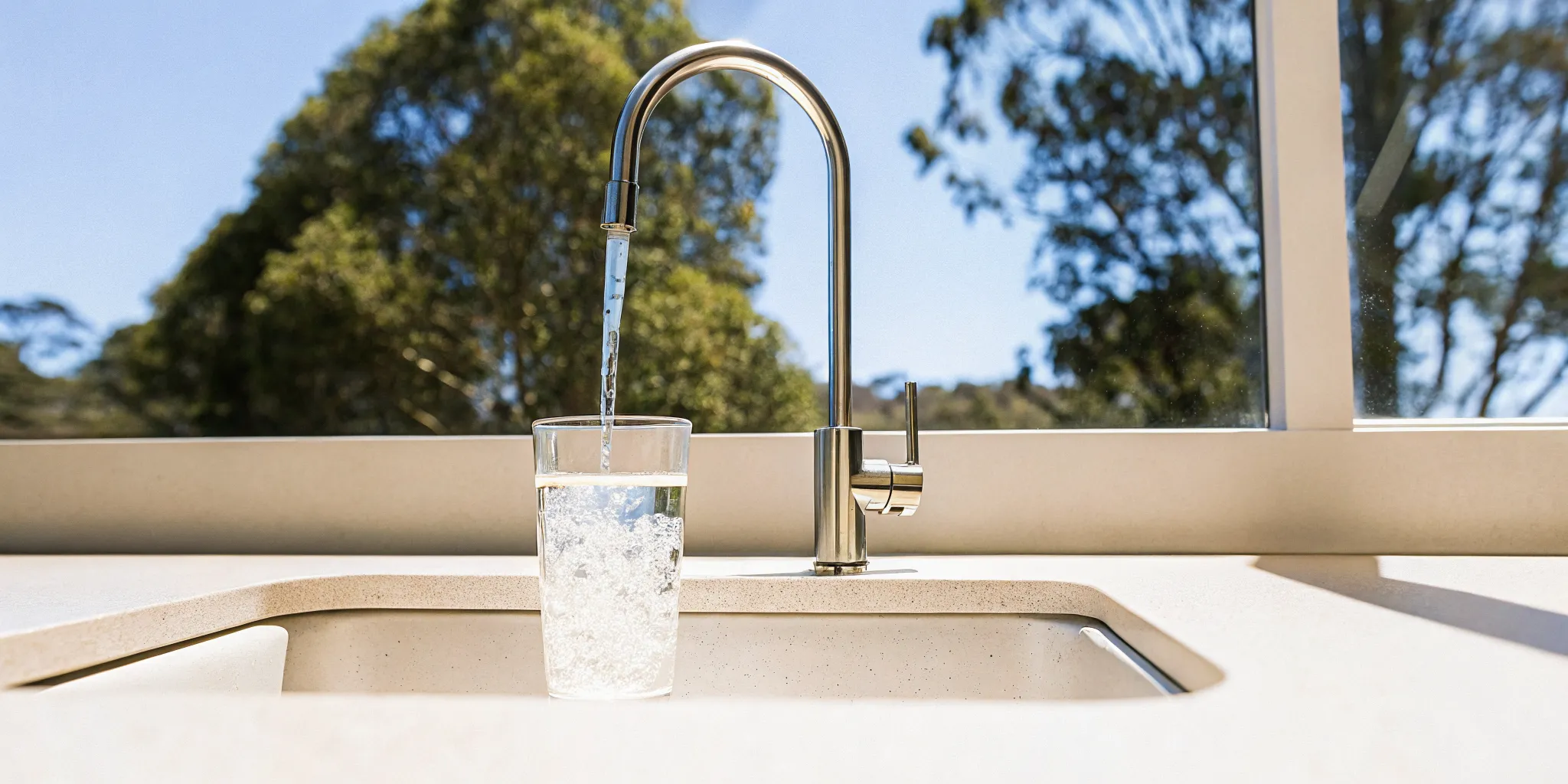
You don't have to hold your nose every time you turn on the faucet. That rotten egg smell is a solvable problem, but knowing where to start can feel overwhelming. Is it a simple fix, or do you need a whole new system? The answer depends entirely on what's causing the odor in the first place. Making the right choice saves you time, money, and frustration. This guide empowers you with the knowledge you need, explaining how to get rid of sulfur smell in well water by first identifying its source. We'll explore professional testing, DIY treatments like shock chlorination, and the different types of filtration systems that provide a permanent solution for clean, great-tasting water.
Need clear answers about your water? Schedule free water testing with Loon Lakes Water Systems before choosing equipment.
Key Takeaways
- Pinpoint the smell's origin: The rotten egg odor in your well water is caused by hydrogen sulfide, which can come from natural gas, sulfur bacteria, or a reaction inside your hot water heater. Knowing the source is the first step to finding the right fix.
- Don't guess, get a test: A professional water test is the only way to know exactly what's causing the smell and how to treat it. It measures sulfur levels accurately and checks for other hidden contaminants, giving you a clear roadmap for a solution.
- Choose a solution that lasts: While shock chlorination can be a temporary fix for bacteria, persistent sulfur problems need a permanent filtration system. The right equipment is chosen based on your water test results to provide a long-term solution.
Why Does My Well Water Smell Like Rotten Eggs?
If you've ever turned on your tap and been hit with that unmistakable rotten egg smell, you know how unpleasant it can be. It's a common issue for well owners here in Minnesota, and it's caused by the presence of hydrogen sulfide gas. While it's rarely a sign of a serious health risk, it can make your water taste and smell awful, stain your laundry, and corrode your plumbing. The good news is that you don't have to live with it.
The first step to fixing the problem is understanding where it's coming from. That sulfur smell isn't just one thing; it can originate from a few different sources. It could be naturally occurring gas in your groundwater, a colony of harmless bacteria setting up shop in your well, or even a chemical reaction happening inside your water heater. Pinpointing the cause is key to finding the right solution for your home. Let's walk through the three most common culprits behind that rotten egg odor.
Hydrogen Sulfide Gas
The direct source of that rotten egg smell is a compound called hydrogen sulfide (H2S). It's a gas that can dissolve into groundwater, and when you turn on your faucet, the gas is released into the air, creating the odor. According to the Minnesota Department of Health, this gas often forms naturally when underground organic material, like plants, starts to decay. It can also be produced through chemical reactions between water and sulfur-containing minerals in soil and rock formations. So, if your well is drilled into an area with this type of geology, it's not surprising that you might have H2S in your water.
Sulfur Bacteria
Another very common cause is a specific type of microorganism known as sulfur-reducing bacteria. These are tiny organisms that can live in your well, pressure tank, or plumbing system. They feed on naturally occurring sulfates in the water and, as a part of their digestive process, produce hydrogen sulfide gas as a byproduct. While these bacteria create a gas that smells awful, they are generally not considered harmful to your health. The smell might be stronger in the morning or after you've been away, as the gas has had time to build up in your pipes. A professional water test can help determine if bacteria are the source of your odor problem.
Your Water Heater
Have you noticed the rotten egg smell only appears when you run the hot water? If so, your water heater is the likely suspect. Most water heaters contain a component called an anode rod, which is designed to protect the tank from rusting. This rod is typically made of magnesium, and it can react with natural sulfates in your water to create hydrogen sulfide gas. Essentially, your water heater becomes a small factory for that stinky gas. This is a very common issue, and it explains why your cold water might smell perfectly fine while your hot water is unbearable. The fix often involves replacing the magnesium rod with one made from aluminum or zinc.
Is Sulfur in Well Water Harmful?
That rotten egg smell is definitely unpleasant, but the biggest question on your mind is likely about safety. While the odor itself is the most common complaint, the presence of sulfur in your well water can point to a few other issues, ranging from minor annoyances to more serious concerns for both your health and your home's plumbing system.
The good news is that in most cases, the concentration of sulfur is low enough that it's more of a nuisance than a danger. However, it's smart to understand the potential risks so you can make an informed decision about treating your water. Let's break down what you need to know about the safety of your water and the potential for damage to your pipes and appliances.
Health and Safety Concerns
For the most part, the presence of hydrogen sulfide in your water is not a direct threat to your health when you drink it. The smell is usually the only issue. However, it's important to be aware of a couple of key exceptions. In rare situations, a sulfur smell can be a red flag for contamination from sewage or other pollutants, which would make the water unsafe. If you have any reason to suspect this, you should stop drinking the water immediately and get it tested.
The more common safety concern involves the hydrogen sulfide gas itself. This gas is released from the water and can accumulate in poorly ventilated, enclosed areas like a well pit or basement. At high concentrations, this gas can be dangerous, so ensuring proper ventilation is crucial while you work on a long-term solution.
Damage to Your Plumbing
Beyond the smell, sulfur can be tough on your home. Hydrogen sulfide is corrosive and can cause metal pipes, including copper, steel, and iron, to tarnish or rust over time. You might notice this as unsightly yellow or black greasy stains on your sinks, toilets, and tubs, or even on your silverware and laundry. It can also damage the metal components inside your appliances, like your dishwasher and washing machine, potentially leading to costly repairs.
Furthermore, the sulfur bacteria that often cause the smell can create a thick slime inside your plumbing. This slime can clog your well screen, pipes, and fixtures, reducing water pressure and flow. It also creates an environment where other unwanted bacteria, like iron bacteria, can thrive, compounding your water quality issues. Addressing the sulfur problem is key to protecting your home's entire water system.
Start with water testing.
Loon Lakes Water Systems helps Minnesota homeowners understand hardness, iron, sulfur odor, drinking water concerns, and equipment issues before recommending a solution.
Schedule Free Water TestingHow to Test Your Well Water for Sulfur
Before you can fix that rotten egg smell, you need to know exactly what you're dealing with. Is it hydrogen sulfide gas or sulfur bacteria? And how much of it is in your water? Testing is the only way to get clear answers and find the right solution. Guessing can lead to buying the wrong equipment, which is a frustrating and expensive mistake. A proper water test gives you a roadmap, showing you the specific contaminants in your water and their concentration levels. This information is key to choosing an effective and efficient treatment system that will solve the problem for good.
DIY Test Kits
You might see DIY test kits at your local hardware store, and they can be a starting point. However, when it comes to sulfur, these kits have some serious limitations. The main issue is that hydrogen sulfide is a gas that escapes from water very quickly. For an accurate reading, the test must be performed on-site almost immediately after the sample is collected. According to experts at Penn State Extension, water samples for hydrogen sulfide need special treatment if they're being sent to a lab, which isn't practical for a home kit. So, while a DIY kit might confirm the presence of sulfur, it likely won't give you the accurate concentration levels needed to select the right filtration system.
Professional Water Testing
The most reliable way to understand your water quality is through professional testing. While you can definitely smell the sulfur, the most concerning contaminants are often invisible and have no taste or odor. The Minnesota Department of Health warns that even if your water has a strong smell, it's crucial to test for other things. A professional analysis gives you a complete picture of your water's chemistry. At Loon Lakes, we offer free water testing right at your home. We'll take a sample directly from your well and provide a detailed, easy-to-understand report on the spot. This ensures you get accurate results and a clear plan for what to do next, without any guesswork.
What Else to Test For
That rotten egg smell is an obvious problem, but it could be masking other, more serious issues. A comprehensive well water test should always check for more than just sulfur. The Minnesota Department of Health recommends that all well owners regularly test for contaminants like coliform bacteria, nitrate, arsenic, lead, and manganese. Depending on your location in Minnesota, it might also be wise to test for things like agricultural chemicals or volatile organic chemicals (VOCs). Getting a complete analysis ensures you're not just treating the smell but are also making your water safe for your family to drink and use every day. This is why a professional test is so valuable; it provides peace of mind about what's really in your water.
Eliminating the Sulfur Smell from Your Well Water
Once you know what's causing that rotten egg smell, you can choose the right way to get rid of it. The best solution depends on the source and concentration of the sulfur in your water. Some methods are simple DIY fixes, while others involve installing a long-term filtration system. The options can feel overwhelming, but they generally fall into two categories: temporary treatments that sanitize your well, and permanent filtration systems that continuously remove the problem at its source. Choosing between them without knowing the specifics of your water is like guessing in the dark.
That's why the first step is always getting a clear picture of your water's chemistry. A professional test will tell you not just if sulfur is present, but how much is there and whether it's hydrogen sulfide gas or sulfur-reducing bacteria. This information is critical. For example, a simple shock chlorination might work for bacteria, but it won't do anything for high levels of hydrogen sulfide gas coming from your aquifer. A free water test from a local expert can pinpoint the exact cause and guide you to the most effective and cost-efficient solution for your home, saving you time, money, and frustration.
Shock Chlorination
Shock chlorination is a common first step for treating sulfur bacteria. Think of it as a deep clean for your well. The process involves adding a specific amount of household bleach to your well water, letting it circulate through your pipes, and then flushing it out completely. While it's an effective way to kill bacteria and temporarily get rid of the smell, it's not a permanent fix. The bacteria can return, and you might need to repeat the process. It's also crucial to follow the steps carefully to protect your plumbing and septic system from the concentrated chlorine.
Aeration Systems
If your water has moderate to high levels of hydrogen sulfide gas, an aeration system is an excellent long-term solution. These systems work by injecting air into your water. This process, called oxidation, turns the dissolved hydrogen sulfide gas into a solid particle that can be easily filtered out. The harmless sulfur gas is then safely vented outside your home, so the smell is gone before the water ever reaches your tap. An iron filtration system often includes an aeration component, making it a powerful two-in-one solution for common Minnesota well water issues.
Catalytic Carbon Filtration
You might be familiar with activated carbon filters, but catalytic carbon filters are a step above for tackling sulfur. These filters are specially designed to speed up the chemical reaction that converts hydrogen sulfide into a harmless, filterable substance. The filter media acts as a catalyst, encouraging the oxidation process, and then traps the resulting particles. This method is very effective for removing lower levels of hydrogen sulfide and can significantly improve the taste and smell of your water throughout your entire home. It's a great, low-maintenance option for many households.
Chemical Oxidation
For homes with severe hydrogen sulfide contamination, a more aggressive approach may be needed. A chemical oxidation system automatically injects a small, controlled amount of an oxidizing agent, like chlorine or hydrogen peroxide, into your water supply. This chemical instantly neutralizes the hydrogen sulfide. After the oxidation step, the water passes through a carbon or multi-media filter to remove any remaining residue, leaving you with clean, odor-free water. These systems are powerful and highly effective, making them the go-to solution for the toughest sulfur problems.
Reverse Osmosis Systems
If you notice the sulfur smell is mainly in your drinking water, a reverse osmosis (RO) system could be the perfect fit. These systems are typically installed at a single point, like your kitchen sink, to provide purified water for drinking and cooking. An RO system uses a special membrane to filter out a wide range of contaminants, including the compounds that cause rotten egg smells. While it won't treat the water in your entire house, it's an affordable and highly effective way to ensure the water you drink is fresh, clean, and tastes great.
Replacing Your Anode Rod
If you only smell rotten eggs when you turn on the hot water, the problem might not be your well at all. It could be your water heater. Most water heaters contain a "sacrificial" anode rod, usually made of magnesium, to prevent the tank from corroding. This magnesium rod can react with naturally occurring sulfates in the water to create hydrogen sulfide gas right inside the tank. The fix is simple: a plumber can replace the magnesium rod with an aluminum one. According to the Minnesota Department of Health, this simple swap can stop the reaction and eliminate the hot water odor.
How to Shock Chlorinate Your Well: A Step-by-Step Guide
Shock chlorination is a common DIY method for treating sulfur bacteria in a well. It involves adding a high concentration of chlorine to your well and plumbing system to kill the bacteria causing that rotten egg smell. While it can be an effective short-term fix, it's a process that requires careful attention to detail. If you're not comfortable handling the calculations or chemicals, our team at Loon Lakes is always here to help with professional water treatment services. If you're ready to tackle it yourself, here's how to do it safely.
Gather Your Supplies
Before you start, you'll want to have everything you need on hand. You don't want to be running to the store with your well cap open. You will need a few basic items: plain, unscented household bleach (5.25% sodium hypochlorite is standard), a clean garden hose that can reach your wellhead, and tools to open your well cap. It's also essential to have a way to measure the depth of your well and the depth to the water level if you don't already know these figures. Using unscented bleach is important because you don't want to introduce perfumes or other unnecessary chemicals into your water supply.
Step 1: Calculate Your Chlorine Dose
Getting the right amount of chlorine is key. Too little won't solve the problem, and too much can be difficult to flush out. First, you need to figure out how much water is in your well. To do this, subtract the depth to the water from the total depth of the well. Then, multiply that number by 0.65 for a 4-inch diameter well or 1.47 for a 6-inch well to find the gallons in the well column. Add about 100 gallons to account for the water in your pressure tank and hot water heater. The general rule is to use 3 pints of bleach for every 100 gallons of water you need to treat.
Step 2: Mix and Add the Solution
With your well cap removed, you can now add the chlorine. For the best results, mix the calculated amount of bleach with about 10 gallons of water before pouring it into the well. This helps the chlorine distribute more evenly. If you can't pre-mix, you can pour the bleach directly into the well and immediately follow it with fresh water from your garden hose for several minutes. This will help circulate the solution and carry it down into the water column. Be careful when handling bleach and avoid splashing it on your clothes or skin.
Step 3: Circulate and Wait
Next, you need to pull the chlorinated water through your entire plumbing system. Attach a hose to an outdoor spigot and run the water back down into the well for about 15 minutes to ensure it's fully mixed. Then, go inside and turn on every cold water faucet, one by one, until you can smell chlorine. Do the same for your hot water taps. Once you smell chlorine at every faucet, turn them off. Now, it's time to wait. Let the chlorinated water sit in the system for at least eight hours, though waiting 12 to 24 hours is even better for a thorough disinfection.
Step 4: Flush Your System Safely
After the waiting period, you need to flush all the chlorinated water out of your system. This step is critical for protecting your septic system, as high concentrations of chlorine can kill the beneficial bacteria that make it work. Attach a garden hose to an outdoor spigot and run the water onto a safe area, like a gravel driveway, away from your septic tank and any delicate plants. Run the water until you can no longer smell chlorine. Then, flush the remaining chlorinated water from your indoor pipes by running your faucets. Just be mindful not to overload your septic system.
Step 5: Test Before You Drink
Once the chlorine smell is gone, your water might seem back to normal, but don't start drinking it just yet. It's essential to confirm the shock treatment worked and that your water is safe. The Minnesota Department of Health recommends testing your water for bacteria after shocking your well. This final step ensures no harmful contaminants are present. For complete peace of mind, schedule a free water test with us. We can verify your water is clean and help you find a long-term solution if the sulfur smell returns.
Protecting Your Septic System During Treatment
If you have both a well and a septic system, you have a self-contained water cycle right on your property. It's a great setup, but it means you need to be mindful of how one part affects the other. When you shock chlorinate your well to get rid of that rotten egg smell, you're using a powerful disinfectant. While it's great for cleaning your well, that same chlorine can cause major problems if it gets into your septic tank. Your septic system relies on a community of living bacteria to break down waste. Chlorine can wipe out that helpful bacteria, leading to clogs, backups, and costly repairs. The good news is that you can absolutely protect your septic system while treating your well. It just takes a few careful steps to keep everything running smoothly.
Keep Chlorinated Water Out of the Tank
Your septic tank isn't just a holding container; it's a living ecosystem. Millions of beneficial bacteria work around the clock to break down solids and treat the wastewater from your home. Chlorine is designed to kill bacteria, which is exactly what you don't want happening in your tank. Even a small amount of highly chlorinated water can disrupt this delicate balance. According to a report from the University of Georgia, you should avoid letting large volumes of chlorinated water enter your septic system. A significant dose of chlorine can kill off the bacteria colony, stopping the waste treatment process in its tracks and potentially leading to a system failure.
Divert Water When Flushing
The most critical step in protecting your septic system is to divert the chlorinated water away from it when you flush your well. After the chlorine has circulated through your plumbing, you'll need to run your water until it's gone. Instead of running it down your indoor drains, connect a garden hose to an outdoor spigot and run the water to a safe location. A gravel driveway or a ditch far away from desirable plants, gardens, or bodies of water is a good option. As one homeowner suggests, find an area "where you don't mind if the grass dies for a bit." Keep flushing until you can no longer smell chlorine from the hose. This simple action prevents the vast majority of chlorine from ever reaching your septic tank.
Restore Good Bacteria Post-Treatment
Even if you're careful, a small amount of chlorinated water might find its way into your septic tank. To give your system a helping hand, it's a good idea to help the beneficial bacteria repopulate after you're done flushing the well. You can do this by adding a septic starter or a bacteria additive to your system. These products contain the specific strains of bacteria your tank needs to get back to work breaking down waste. Think of it as a probiotic for your septic system. Following the product instructions and flushing it down the toilet is usually all it takes to help maintain your septic system's health and ensure it recovers quickly from the chlorination process.
Choosing the Right Long-Term Filtration System
While shock chlorination can handle a one-off sulfur problem, it's not a permanent fix for persistent rotten egg smells. If the issue keeps coming back, it's time to think about a long-term filtration system. Choosing the right equipment is a significant investment in your home's plumbing and your family's comfort, so it's important to get it right. The best system for your well will depend entirely on what's actually in your water, how you use it, and your budget for ongoing maintenance. There isn't a single "best" filter for sulfur; the right choice is the one that's customized for your specific situation.
Making the wrong choice can mean wasting money on a system that doesn't solve the problem or, even worse, creates new ones. For example, a filter that works for low sulfur levels might be completely overwhelmed by higher concentrations, leaving you right back where you started. A thoughtful approach ensures you get a solution that provides fresh, clean water for years to come. Let's walk through the key factors to consider so you can make a confident decision for your Minnesota home.
Match the System to Your Water Test
You wouldn't take medicine for an unknown illness, and you shouldn't buy a water filter without knowing exactly what you need to remove. Before you look at any equipment, the first step is always a thorough water analysis. A professional water test is essential to identify the concentration of hydrogen sulfide, iron, manganese, and any sulfur-reducing bacteria.
These results are your roadmap. They tell you not just what the problem is, but how severe it is. For example, low levels of hydrogen sulfide might be handled by one type of filter, while high levels require a more robust oxidation system. Starting with a test ensures you invest in a solution that is perfectly tailored to your well's specific chemistry.
Whole-Home vs. Point-of-Use
Next, you'll need to decide if you want to treat your water at a single faucet or throughout your entire house. A point-of-use system, like a reverse osmosis filter under the kitchen sink, is great for improving the taste of drinking water. However, it won't do anything about the rotten egg smell when you're showering, washing clothes, or running the dishwasher.
For a pervasive issue like sulfur, a whole-home system is usually the most effective solution. These filtration systems are installed at the point where water enters your house, treating every drop you use. This approach protects your plumbing and appliances from corrosion and staining and eliminates the unpleasant smell from every tap in your home, giving you a complete fix.
Consider Cost, Maintenance, and Environmental Impact
The sticker price of a filtration system is only one part of the total cost. Before you commit, it's important to understand the long-term ownership expenses. Ask about the maintenance schedule. How often will you need to change filters or add chemicals? Can you do it yourself, or does it require a professional service call? A system that seems cheaper upfront could cost more over time if it requires frequent and expensive upkeep.
Always ask for a written warranty and make sure you understand what it covers. A reliable company will stand behind its products and installation. At Loon Lakes, we believe in transparent recommendations and providing long-term support to ensure your system runs efficiently for its entire lifespan, giving you peace of mind and consistently great water.
When to Call a Water Treatment Professional
Tackling a home project yourself can be incredibly satisfying, but some jobs are best left to a specialist. When it comes to your home's water supply, guessing games can lead to frustration and wasted money on solutions that don't work. While a DIY shock chlorination might provide a temporary fix, it often doesn't address the root cause of the sulfur smell.
A water treatment professional does more than just sell equipment; they act as a detective for your water system. They have the tools and expertise to accurately diagnose the problem and recommend a solution that will work for the long haul. Calling in an expert ensures you get the right fix the first time, saving you from the headache of a recurring problem and giving you peace of mind that your water is clean and safe. If you're feeling stuck or the rotten egg smell keeps returning, it's a clear signal that it's time to get some help.
Signs It's Time to Call a Pro
You've tried shock chlorinating your well, and for a glorious few days, the sulfur smell was gone. But now it's back. This is one of the most common signs that you're dealing with a persistent issue, like a recurring sulfur bacteria colony, that a one-time shock won't solve. If the problem keeps happening, you likely need a dedicated water treatment system designed to continuously remove contaminants like hydrogen sulfide. Pay attention to other clues, too. Are you also seeing reddish-brown iron stains on your fixtures or laundry? Is the smell worse at certain taps? These details point to a systemic problem that requires a professional diagnosis to solve effectively.
The Value of a Professional Water Test
Before you invest in any filtration system, you need to know exactly what you're fighting. A professional water test is the single most important step toward permanently eliminating that rotten egg smell. It moves you from guesswork to a clear, science-backed action plan. An expert analysis will measure the specific levels of hydrogen sulfide, iron, manganese, and sulfur bacteria in your water. This information is critical because the right solution depends entirely on the type and concentration of contaminants present. Loon Lakes Water Systems offers free water testing to give you a precise understanding of your water quality, ensuring you choose the most effective and efficient treatment for your home.
Why a Local Minnesota Expert Matters
Water chemistry isn't the same everywhere, and Minnesota's geology presents its own unique challenges. A local water treatment specialist has invaluable experience with the specific water issues common to our region, from high iron content in the Iron Range to varying water hardness across the state. They understand how our climate can impact well systems and what solutions hold up best in Minnesota homes. A local professional can provide customized water solutions based on your well's specific volume and contamination levels, ensuring your system is sized correctly and functions properly for years to come. They are your neighbors, invested in providing reliable, long-term support.
Enjoy Fresh, Sulfur-Free Well Water
That rotten egg smell coming from your tap is more than just an annoyance; it's a daily frustration that can make you avoid using your own water. The good news is you don't have to live with it. Whether the sulfur odor is a new problem or one you've been battling for years, there are clear, effective ways to get your water back to being fresh and clean. From a quick well disinfection to a permanent filtration solution, solving this problem is entirely within reach.
For many Minnesota homeowners, the right approach depends on what's causing the smell. If sulfur bacteria are the culprits, a shock chlorination can act like a reset button for your well, quickly eliminating the odor-causing culprits. For more persistent issues caused by hydrogen sulfide gas in the groundwater, a long-term filtration system is usually the best answer. Solutions like aeration or catalytic carbon filters work around the clock to remove the sulfur before it ever reaches your faucet, giving you consistently great-tasting water. A professional can help you explore the best water treatment products for your specific situation.
Before you invest in any solution, the most important step is to understand exactly what's going on in your well. A guess can lead to wasted time and money on a fix that doesn't address the root cause. That's why starting with a free water test is so critical. It gives you a clear picture of the hydrogen sulfide levels, checks for bacteria, and identifies any other minerals (like iron) that might be contributing to the problem. With accurate results in hand, you can confidently choose a solution that will work for your home, your family, and your budget.
Frequently Asked Questions
Why does only my hot water smell like rotten eggs? If the smell is exclusive to your hot water, the problem is almost certainly your water heater, not your well. Most water heaters have a part called an anode rod that prevents rust. This rod, usually made of magnesium, can react with natural sulfates in your water and create hydrogen sulfide gas right inside the tank. The fix is often as simple as having a plumber replace that magnesium rod with an aluminum or zinc one, which stops the chemical reaction and the odor.
I tried shock chlorination, but the smell returned. What should I do next? This is a very common experience. Shock chlorination is great for killing off a colony of sulfur bacteria, but it's a temporary fix. If the smell comes back, it means the bacteria have re-established themselves or the source of the odor is actually hydrogen sulfide gas in your groundwater, which chlorination can't permanently solve. This is a clear sign that it's time to look into a long-term filtration system, like an aeration or catalytic carbon filter, that continuously treats the water as it enters your home.
Will a water softener get rid of the sulfur smell? Generally, no. A standard water softener is designed to remove hardness minerals like calcium and magnesium, which cause scale buildup. It is not designed to remove hydrogen sulfide gas or the bacteria that cause the rotten egg smell. While some softeners might slightly reduce the odor, they won't eliminate it. To effectively solve a sulfur problem, you need a system specifically designed for it, such as an iron and sulfur filter that uses oxidation.
Is it safe to drink water that smells like sulfur? In most cases, the low levels of hydrogen sulfide that cause the odor are not a direct health risk when you drink the water; it's more of a nuisance. The main concern is that a strong sulfur smell could potentially mask the scent of other, more serious contaminants. For this reason, and because the gas can be corrosive to your plumbing, it's always best to get your water tested and treat the problem rather than just live with it.
Do I really need a professional water test if I can already smell the problem? Yes, absolutely. While your nose tells you that sulfur is present, it can't tell you how much is there or if other, more harmful contaminants are also in your water. A professional test provides precise measurements that are essential for choosing the right filtration system. The solution for a low level of sulfur is very different from the one needed for a high concentration, and a test ensures you invest in a system that will actually work for your specific water chemistry.
Ready for better water?
Call 612-930-0156 or request a free water test. We will explain what is in your water and help you choose the right next step.
Request Free Water Testing