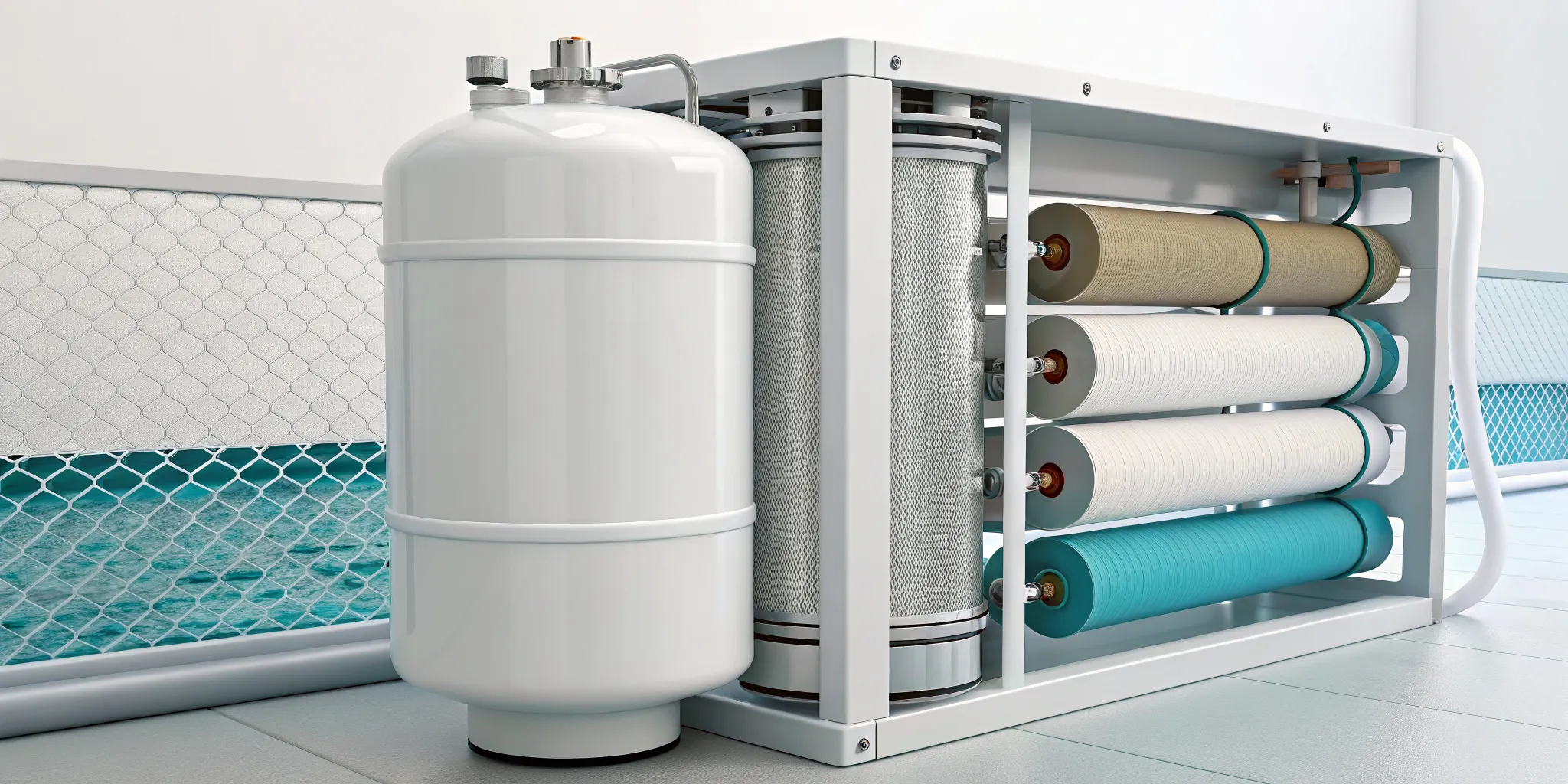
Are you constantly refilling a water pitcher or hauling cases of bottled water into your home? There is a more convenient, cost-effective, and sustainable way to get pristine drinking water. A reverse osmosis (RO) system connects directly to your plumbing to deliver an on-demand supply of purified water right at your kitchen sink. It produces water that is often cleaner and purer than what you can buy in a bottle. The secret to this quality is in how does reverse osmosis work. It's a multi-step process that strips out everything from sediment and chlorine to dissolved solids and microscopic pathogens. In this article, we'll explore the technology, compare it to other filters, and show you how an RO system can upgrade your hydration habits for good.
Need clear answers about your water? Schedule free water testing with Loon Lakes Water Systems before choosing equipment.
Key Takeaways
- It's more than a filter, it's a purifier: A reverse osmosis system uses a special membrane with microscopic pores to physically remove a huge list of contaminants, including lead, nitrates, and even bacteria. This process goes beyond simple filtering to deliver truly purified water.
- Pure water comes with a few considerations: RO systems remove almost everything, including healthy minerals, and use water to flush contaminants away. The good news is you can add a remineralization filter to restore minerals, and modern systems are designed to be much more water-efficient.
- Simple maintenance is key to long-term performance: To keep your system working perfectly, plan on changing the sediment and carbon filters every 12 to 24 months. The main RO membrane is the core component and typically needs replacement every two to five years to ensure your water quality stays high.
What Is Reverse Osmosis?
If you're looking for exceptionally clean, great-tasting drinking water right from your tap, reverse osmosis (RO) is a term you'll hear a lot. Think of it as a high-tech purification process that provides a final barrier between contaminants and your glass. At its core, RO uses household water pressure to push tap water through a special filter called a semi-permeable membrane. This membrane is incredibly fine, designed to let water molecules pass through while blocking a huge range of impurities. The result is purer, healthier water for you and your family. We can help you determine if one of our reverse osmosis drinking water systems is the right fit for your home.
Understanding the "Reverse" in Reverse Osmosis
To get what makes RO special, it helps to first understand natural osmosis. In nature, water with a lower concentration of dissolved solids (like salt) will naturally move toward water with a higher concentration to create a balance. A plant's roots absorbing water from the soil is a perfect example of this. Reverse osmosis, as the name suggests, flips this process. Instead of balancing things out, an RO system applies pressure to the "dirty" water side. This pressure is strong enough to force water molecules through the tiny pores of the semi-permeable membrane, leaving the larger contaminants like salts, minerals, and chemicals behind.
Why This Matters for Your Tap Water
So, what does this advanced filtering mean for the water coming out of your faucet? It means you get to enjoy water that's free from an extensive list of unwanted substances. An RO system is effective at removing everything from visible sediment and silt to dissolved solids, chlorine, and heavy metals like lead. It also tackles agricultural runoff like pesticides and even microscopic contaminants like bacteria and viruses. Because the membrane is so effective at filtering out even the tiniest pathogens, the water it produces is clean enough to drink without any extra steps like boiling. This gives you total peace of mind and consistently delicious water for drinking and cooking.
Breaking Down the Reverse Osmosis Process
So, how does a reverse osmosis system actually turn your questionable tap water into something pure and delicious? It's not magic, but it is a clever, multi-step journey. Think of it less like a single water filter and more like a comprehensive purification team working together under your sink. Each stage has a specific job, targeting different types of impurities to make sure the water that ends up in your glass is as clean as possible. Let's walk through the process step by step.
Step 1: Filtering Out the Big Stuff
Before the high-tech filtering begins, your water first passes through a pre-filter. This initial stage is designed to catch the larger particles, acting like a screen door for your water supply. It traps things like sediment, sand, silt, and rust that can be common in Minnesota well water. Removing this debris first is crucial because it protects the more delicate parts of the system, especially the reverse osmosis membrane, from getting clogged or damaged. This simple but important step ensures your system can work efficiently for years to come.
Step 2: The Heart of the System-The Membrane
Next, the water moves to the core of the system: the semi-permeable membrane. This is where the real heavy lifting happens. The membrane is a special filter with microscopic pores so tiny they are difficult to even imagine. Your home's water pressure forces water molecules through this membrane, but larger contaminants like salts, nitrates, and heavy metals are physically blocked and unable to pass through. These rejected impurities are then flushed down the drain, leaving much purer water on the other side. This is the key step that separates RO from other types of filtration.
Step 3: The Final Polish and Storage
After passing through the membrane, the purified water gets one last treatment. It flows through a final carbon filter that acts as a polishing stage. This filter's job is to remove any lingering tastes or odors that might have slipped through, ensuring the final product is crisp, clean, and odorless. From there, the clean water is stored in a small tank under your sink, ready for you to use whenever you turn on the dedicated RO faucet. If you're tired of water that tastes or smells off, our free water testing can pinpoint the cause.
Why Water Pressure Is Key
The "reverse" in reverse osmosis is what makes the process so effective. Normally, water would naturally flow from a less concentrated solution to a more concentrated one (this is osmosis). An RO system uses your home's water pressure to do the opposite. It applies force to the "dirty" water, pushing it against its natural flow and through the tiny pores of the membrane. This is why having adequate water pressure is important for the system to work correctly. As Minnesota water experts, we always check your pressure to ensure our recommended products will perform perfectly in your home.
Start with water testing.
Loon Lakes Water Systems helps Minnesota homeowners understand hardness, iron, sulfur odor, drinking water concerns, and equipment issues before recommending a solution.
Schedule Free Water TestingThe Parts of a Reverse Osmosis System
A reverse osmosis system might sound like a single, complex piece of equipment, but it's actually a team of filters and components working together. Each part has a specific job in the multi-stage purification process. When you see how they work in sequence, the whole system becomes much easier to understand. Most under-sink RO systems, like the ones we install in homes across Minnesota, have four main components that take your tap water from questionable to crystal clear.
Think of it as an assembly line for pure water. Your regular tap water goes in one end, and at each station, another layer of impurities is removed. By the time it reaches the dedicated faucet at your sink, it has passed through several layers of advanced filtration, leaving you with nothing but clean, great-tasting water. Let's walk through what each part does.
Pre-Filters
Before your water ever reaches the main reverse osmosis membrane, it has to pass through a couple of guards at the gate. These are the pre-filters, and their job is to tackle the bigger stuff first. The first is a sediment filter, which catches larger particles like dirt, sand, and rust that can make water cloudy.
Next up is a carbon filter. This stage is designed to absorb things that affect taste and smell, like the chlorine often used in city water treatment. This pre-filter duo does more than just initial cleaning; it also acts as a bodyguard for the most important part of the system, the RO membrane, protecting it from getting clogged or damaged by large sediment and chemicals.
The RO Membrane
This is the heart of the entire system. The reverse osmosis membrane is a semipermeable, paper-thin material with microscopic pores. After the pre-filters have removed the larger debris, water is forced through this membrane under pressure. The pores are so incredibly tiny that they only allow water molecules to pass through.
This is where the heavy lifting happens. Contaminants like dissolved salts, heavy metals (think lead and arsenic), and other microscopic impurities are blocked and flushed away. The RO membrane is what separates reverse osmosis from other types of filtration and allows it to remove such a high percentage of total dissolved solids (TDS) from your water, giving you truly purified results.
Post-Carbon Filter
After the water has passed through the RO membrane, it's incredibly pure. But before it gets to your glass, it makes one final stop: the post-carbon filter. You can think of this as the final polish. This filter's job is to catch any lingering tastes or odors the water might have picked up while sitting in the storage tank.
This last step ensures the water that comes out of your dedicated RO faucet is as fresh and clean-tasting as possible. It's the finishing touch that guarantees a crisp, pleasant drinking experience every time you fill up your cup, water bottle, or coffee pot.
Storage Tank and Faucet
The reverse osmosis process is very thorough, which also means it's not instantaneous. It takes time to produce a high volume of purified water. That's where the storage tank comes in. This small, pressurized tank holds a reserve of purified water, so you have it on demand whenever you turn on the faucet.
Speaking of the faucet, a point-of-use reverse osmosis (RO) system includes its own dedicated spigot, which we install right on your sink. This keeps your purified RO water separate from your regular hot and cold tap water, ensuring the water you use for drinking and cooking is always of the highest quality.
What an RO System Actually Removes
A reverse osmosis system is one of the most effective ways to purify water right at your tap. It works by pushing water through a series of filters, including a special semipermeable membrane with incredibly tiny pores. This multi-stage process is what allows it to remove a remarkably wide range of substances, leaving you with clean, great-tasting water. If you're curious about what's really being taken out of your water, a reverse osmosis drinking water system targets everything from visible grit to microscopic contaminants. Let's break down exactly what these systems are designed to remove.
Sediment, Silt, and Dirt
If your water ever looks cloudy or has visible specks floating in it, you're seeing sediment. These particles can include dirt, sand, rust from aging pipes, and other bits of organic matter. While often harmless, they can make your water unappealing and affect the performance of your appliances. The pre-filter stage in an RO system is designed specifically to catch this larger debris. It acts as the first line of defense, trapping these particles so they don't clog the more delicate RO membrane later in the process. This initial step clears up the water's appearance and protects the rest of the system.
Common Contaminants (Like Nitrates)
Some of the most common water contaminants are completely invisible. Things like nitrates, which can seep into groundwater from fertilizers and septic systems, are a concern in many areas of Minnesota. These dissolved solids pass right through simpler filters, but they can't get through the reverse osmosis membrane. The membrane's pores are so small that they block these chemical compounds while allowing water molecules to pass. This makes RO filtration an excellent solution for targeting specific dissolved contaminants that you can't see, taste, or smell but still want out of your drinking water.
Heavy Metals (Like Lead and Arsenic)
The potential for heavy metals like lead and arsenic in drinking water is a serious health concern. Lead can leach from old plumbing fixtures, while arsenic can occur naturally in groundwater. A high-quality reverse osmosis system is extremely effective at removing these harmful elements. The RO membrane acts as a barrier, physically blocking the molecules of heavy metals. Because you can't know what's in your water just by looking at it, the only way to be sure is with a professional analysis. A free water test can confirm if heavy metals are present and help determine the best solution for your home.
Chlorine and Other Chemicals
Does your tap water taste or smell like a swimming pool? That's likely chlorine, which municipal treatment plants add to disinfect the water supply. While it kills harmful bacteria, it doesn't do any favors for the taste of your morning coffee. Most RO systems include carbon filters as part of their multi-stage process. These carbon filters are fantastic at removing chlorine and other chemicals that affect taste and odor. The result is water that doesn't just test clean but also tastes crisp, fresh, and pure, just like it should.
Total Dissolved Solids (TDS)
Total Dissolved Solids, or TDS, is a measurement of all the inorganic salts, minerals, and metals dissolved in your water. While some minerals are fine, a high TDS level can indicate the presence of unwanted substances and often results in a "heavy" or salty taste. A reverse osmosis membrane has pores as small as 0.001 microns, allowing it to remove up to 99% of all dissolved solids. This is why RO water is often described as "pure." It dramatically reduces the TDS count, which is something you can even measure yourself with a simple TDS meter.
Microscopic Contaminants (Bacteria & Viruses)
For homes with well water or in areas where waterborne pathogens are a concern, an RO system provides an essential layer of protection. The pores in the RO membrane are so minuscule that they are smaller than bacteria, viruses, and protozoan cysts like Giardia and Cryptosporidium. This means these microscopic contaminants are physically blocked from passing through to your drinking water. According to the CDC, reverse osmosis is a highly effective method for removing these pathogens. This capability offers incredible peace of mind, ensuring the water from your tap is safe for the whole family to drink.
What an RO System Leaves Behind
So, what's left in your glass after the reverse osmosis process is complete? The short answer is simple: pure, clean water. Think of the RO membrane as a highly selective gatekeeper. Its job is to separate water molecules from just about everything else. Because the membrane's pores are so tiny, only water can easily pass through, leaving contaminants and dissolved solids behind to be flushed away.
This is where many people pause and ask, "But what about the good stuff?" It's a great question. Reverse osmosis systems also remove beneficial minerals like calcium and magnesium. The membrane doesn't distinguish between a harmful substance like lead and a healthy mineral like calcium; if the particle is larger than a water molecule, it gets filtered out.
It helps to remember that we get the vast majority of our essential minerals from the food we eat, not the water we drink. While water can contribute to our daily intake, a balanced diet is our primary source of these nutrients. For those who still want the peace of mind of having minerals in their water, there's a simple solution. Many of our reverse osmosis drinking water systems can be customized with a remineralization filter. This final stage adds a healthy blend of minerals back into the water right before it reaches your faucet, giving you the best of both worlds.
The Benefits and Drawbacks of Reverse Osmosis
Reverse osmosis is one of the most powerful water filtration methods available for your home. It's a fantastic solution for getting exceptionally pure drinking water right from your tap. But like any technology, it has its own set of pros and cons. Understanding both sides helps you decide if an RO system is the right fit for your family and your home's specific water needs. The first step is always understanding what's in your water in the first place, which is why we always start with a thorough test.
The core idea behind RO is simple: it uses household water pressure to push water through a special, semi-permeable membrane. This membrane has microscopic pores so tiny that they block almost everything that isn't a pure water molecule. Contaminants like dissolved salts, minerals, heavy metals, and even bacteria are physically blocked and flushed away. The result is incredibly clean, purified water. However, the process itself has some trade-offs worth considering, from water usage to the removal of minerals. Let's break down what people love about RO systems and what you should keep in mind before installing one.
The Upside: Why People Love RO Water
The biggest benefit of reverse osmosis is, without a doubt, the purity of the water. If you're concerned about specific contaminants in your tap water, an RO system offers incredible peace of mind. It's a workhorse that can remove up to 99% of total dissolved solids (TDS). This includes a long list of unwanted substances like lead, arsenic, nitrates, chlorine, fluoride, and pesticides. Because the membrane is so fine, it even filters out microscopic contaminants like bacteria and viruses. This is why many people say RO water has a crisp, clean taste; the system has removed the minerals and chemicals that can give tap water a distinct flavor or odor.
The Downside: What to Consider
The main drawback of traditional reverse osmosis systems is water efficiency. To flush away the filtered contaminants, the system uses a certain amount of water, which goes down the drain. Older models were known for being quite wasteful, sometimes using several gallons of water for every one gallon of purified water they produced. Thankfully, modern systems have become much more efficient. Another point to consider is that the RO process removes nearly everything, including beneficial minerals like calcium and magnesium. While we get most of our essential minerals from food, not water, some people prefer the taste of mineral water.
Clearing Up Common RO Myths
There's a lot of information out there about RO systems, so let's clear up a few common myths. First, you might hear that RO water is "dead" or unhealthy because it lacks minerals. For most people, this isn't a concern, as a balanced diet provides the minerals our bodies need. The primary job of water is hydration, and RO water does that perfectly. Second, while RO systems are highly effective, they aren't magic. No system is 100% perfect, but the water they produce is significantly cleaner and safer than standard tap water. Finally, the idea that all RO systems are extremely wasteful is outdated. High-efficiency point-of-use reverse osmosis systems are now the standard, minimizing the amount of water used in the filtration process.
Who Uses Reverse Osmosis?
You might be surprised to learn just how common reverse osmosis is. While many of us think of it as a system for our kitchen sink, the reality is that RO technology is a trusted workhorse in countless settings. From the water you drink at home to the products you buy at the grocery store, reverse osmosis plays a quiet but critical role in ensuring purity and quality. It's the gold standard for water filtration, used by industries where there is absolutely no room for error.
The same powerful process that major manufacturing and food production companies rely on is available for your home. Think about it: if RO is the go-to choice for creating perfectly pure water for sensitive medical applications and your favorite beverages, it's more than capable of providing your family with clean, great-tasting water every day. It's a versatile solution that scales from massive industrial plants all the way down to a dedicated faucet in your kitchen, giving you access to the same high level of filtration that professionals trust.
For Better Drinking Water at Home
For most of us, this is where we see reverse osmosis in action. Residential RO systems are typically point-of-use devices installed right under the kitchen sink. This setup connects the filtration system to a special, dedicated faucet, giving you a constant supply of purified water for drinking, filling water bottles, cooking, and making coffee or tea. It's an incredibly popular and effective solution for Minnesota homeowners who want to remove specific contaminants of concern, improve the taste of their tap water, and gain peace of mind. Instead of filtering all the water in your house, it focuses on providing the highest quality water right where you use it most.
In Your Favorite Foods and Drinks
Ever wonder how bottled water and your favorite soft drinks get that crisp, clean taste? There's a good chance reverse osmosis is involved. The food and beverage industry relies heavily on RO to ensure product consistency and purity. Because the process removes virtually all minerals and contaminants, it creates a perfect, neutral base. This allows companies to build their flavor profiles from scratch without interference from unpredictable minerals in the local water supply. Many industries use RO because it's so good at cleaning water, from making beverages to washing produce, ensuring the final product is safe and tastes exactly as it should.
Beyond the Kitchen: Industrial Uses
The need for ultra-pure water extends far beyond food and drinks. Reverse osmosis is a critical tool in many high-tech and sensitive industries. In the medical and pharmaceutical fields, RO water is used for everything from cleaning equipment and sterilization to creating medications where purity is non-negotiable. Hospitals depend on it for dialysis machines. Even the electronics industry uses RO to create incredibly clean water for rinsing delicate components like computer chips, where the tiniest mineral deposit could cause a defect. When an industry requires water that is as close to pure H2O as possible, reverse osmosis is the technology they turn to.
Keeping Your RO System Running Smoothly
Once your reverse osmosis system is installed, you can look forward to years of crisp, clean drinking water right from your tap. But like any high-performance appliance, it needs a little regular care to keep it working its best. Think of it like changing the oil in your car; a few simple maintenance steps ensure everything runs efficiently and lasts for the long haul. Taking care of your RO system protects your investment and guarantees the water you drink is always pure. If you ever feel unsure about maintenance, remember that local experts are here to help with professional water treatment services. Below are the four key tasks to keep your system in top shape.
Change Your Filters on Schedule
The most important maintenance task is changing the filters on time. Most RO systems have several filters that work together. As one source explains, many systems have filters "before and after the main RO membrane to catch different types of impurities." The pre-filters catch larger particles like sediment and chlorine, protecting the delicate RO membrane from getting clogged or damaged. The post-filter gives the water a final polish before it reaches your glass. Following your system's recommended schedule, usually every 12 to 24 months, is essential. If you neglect them, clogged filters can slow your water flow and, worse, stop working effectively, which defeats the whole purpose of having a filtration system.
Know When to Replace the RO Membrane
The reverse osmosis membrane is the core of your system, and it needs to be replaced, too, just not as often as the other filters. This membrane is a workhorse, with tiny pores that can remove up to 99% of dissolved solids from your water. It typically lasts between two and five years, depending on your water quality and usage. How do you know when it's time for a change? You might notice your water flow slowing down significantly, or the water might not taste as clean as it used to. The best way to be sure is to test the water. A simple TDS (Total Dissolved Solids) meter can show you if performance is dropping, or you can schedule a free water test to get a professional analysis.
Perform an Annual System Sanitization
Over time, your system's storage tank and water lines can become a place for harmless but unpleasant bacteria and biofilm to grow. To keep your water tasting fresh and clean, it's a good idea to sanitize the entire system about once a year. This process involves turning off the water supply, emptying the tank, and flushing the system with a special sanitizing solution designed for RO units. While the system is designed to periodically drain water to "wash away the trapped impurities," a full annual sanitization is a deeper clean that ensures long-term hygiene. This is a task many homeowners are comfortable doing themselves, but if it sounds like a hassle, it's a standard part of a professional maintenance visit.
Keep an Eye on Pressure and Leaks
Reverse osmosis relies on your home's water pressure to work. As one expert puts it, "strong pressure" is needed to force water molecules through the membrane while leaving impurities behind. If your home's water pressure drops, your RO system will produce water much more slowly and less efficiently. Alongside pressure, it's smart to do a quick visual check for leaks every few months. Look around the filter housings, the connections, and under the sink where the unit is stored. A small drip can be a sign of a loose fitting or a failing seal. Catching these issues early can prevent water damage and ensure your system continues to operate safely and effectively. If you spot a leak or notice a major drop in performance, it's best to call for a professional repair.
Is a Reverse Osmosis System Right for Your Minnesota Home?
Living in Minnesota, we get our water from all sorts of sources, from city supplies to private wells. This means water quality can be a bit of a mixed bag. If you've ever wondered what's really in your tap water or just can't stand the taste, you've probably considered your options. A reverse osmosis (RO) system is a popular choice, but is it the right one for you?
For many Minnesota homes, the answer is a definite yes. Our local groundwater can sometimes contain things we'd rather not drink, like nitrates, arsenic, or lead. An RO system is one of the most effective ways to get peace of mind, as it can reduce a wide range of contaminants right at your kitchen sink. Beyond safety, there's the simple benefit of taste. If your water has a chemical or "off" flavor from chlorine or other minerals, an RO system will give you crisp, clean-tasting water that makes coffee, tea, and even your cooking taste better.
Of course, there's the practical side to consider. An RO system is an investment, but when you add up what you spend on bottled water, it often pays for itself over time, not to mention you'll be sending far fewer plastic bottles to the landfill. They do require some upkeep, mainly changing the filters every six to twelve months to keep everything running perfectly. But for the confidence of knowing your family is drinking pure, safe water, many homeowners find it's a small price to pay. The best first step is always to find out what's in your water with a professional test, which will tell you exactly what you're dealing with and if an RO system is the perfect solution for your home.
Frequently Asked Questions
Will an RO system remove the healthy minerals from my water? Yes, the reverse osmosis membrane is designed to remove nearly everything that isn't a water molecule, and that includes beneficial minerals like calcium and magnesium. However, it's helpful to remember that we get the vast majority of our essential minerals from a balanced diet, not from our drinking water. If you prefer the taste of mineral water or want the absolute best of both worlds, we can add a remineralization filter to your system. This final stage adds healthy minerals back into the purified water before it gets to your faucet.
How is a reverse osmosis system different from a simple pitcher filter? Think of it as the difference between a light dusting and a deep clean. A pitcher filter typically uses a carbon filter to improve taste and odor by reducing chlorine. A reverse osmosis system is a multi-stage powerhouse. It uses pre-filters, a special membrane, and a post-filter to remove a much broader range of contaminants, including dissolved solids like nitrates, heavy metals like lead, and even microscopic pathogens. While a pitcher is a good start, an RO system provides a significantly higher level of purification.
I've heard RO systems waste a lot of water. Is that true? That's a common concern, and it was certainly true of older, less advanced models. To purify the water, the system has to flush the filtered-out contaminants down the drain, which does use some water. However, modern reverse osmosis systems are designed to be much more efficient. The amount of water used in the process has been greatly reduced, so you can enjoy pure water without worrying about excessive waste. We always recommend high-efficiency models to our clients.
How much maintenance is really involved with an RO system? Keeping your system running smoothly is surprisingly simple. The main task is changing the pre-filters and post-filter on a regular schedule, usually once every six to twelve months, depending on your water usage. The core of the system, the RO membrane itself, is much more durable and typically only needs to be replaced every two to five years. It's a small amount of upkeep that ensures you get consistently pure, great-tasting water.
How do I know if I actually need a reverse osmosis system? The best way to answer that question is to find out what's in your water. If your water has an unpleasant taste or odor, or if you're concerned about specific local water issues like nitrates or arsenic, an RO system is an excellent solution. The most definitive step is to get your water professionally tested. A comprehensive test will give you a clear picture of your water quality and help you decide if a reverse osmosis system is the right choice for your home.
Ready for better water?
Call 612-930-0156 or request a free water test. We will explain what is in your water and help you choose the right next step.
Request Free Water Testing