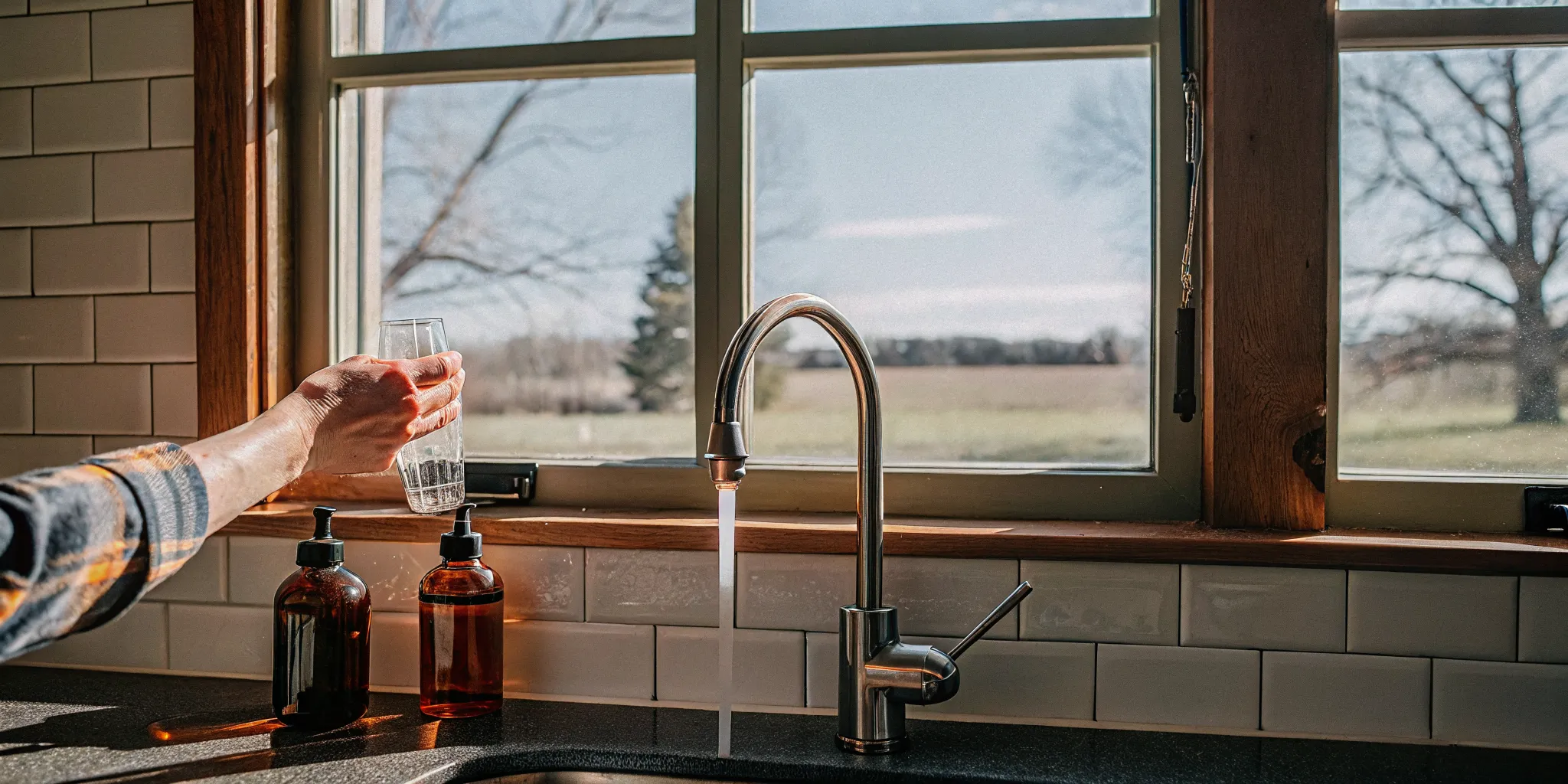
Owning a private well in Minnesota means you are in charge of your own water safety. Most local water under the ground contains hidden risks like nitrate or arsenic that need lab tools to find.
Test Minnesota well water for coliform bacteria and nitrate every year, and test for arsenic at least once. Test again promptly after flooding, well repairs, or changes in taste, color, or odor. Use a certified laboratory for health-related contaminants, and test for manganese before an infant drinks the water.
How often to test well water in Minnesota
As a well owner in Minnesota, you are the person in charge of your own water safety. Many common risks have no taste or smell. You cannot see them without a proper lab test. The Minnesota Department of Health suggests a set plan for every well. This helps you find and fix issues before they hurt your family. Most people think their water is fine if it looks clear. But a test is the only way to know for sure.
Annual baseline tests
The state suggests two tests every single year. You should check for coliform bacteria and nitrate levels. Bacteria in your water can be a sign that pests or dirt are getting into your well. These germs can lead to stomach pain or other health problems. High nitrate levels are also a big risk. This is true for homes with young babies. Too much nitrate in the water can cause blue baby syndrome. This is a serious condition that requires prompt medical care because it prevents the blood from carrying oxygen as it should.
Regular checks are the best way to keep your home safe. We suggest you add these tests to your yearly home tasks. A quick expert water testing session can give you calm. It also helps you spot small leaks or seal cracks early. You might want to test in the spring after the snow melts. This is when runoff is most likely to seep into the ground. Keeping a log of your results each year is a smart move. It helps you see shifts in your well over time.
Tests to perform at least once
Some harmful things in the soil stay at the same level for a long time. You do not need to test for them every year. But you must test for them at least once. Arsenic is a good case of this. Many wells in Minnesota have some arsenic in them. Long term use of water with arsenic can lead to cancer or skin problems. You should also test for manganese before a baby drinks the water. This metal can affect how a child grows.
If you have a well water filter system, your testing needs might change. You should test the water after it goes through your filters. This shows if the system still works well. It also helps you know when to change the parts in your filter. Regular annual checks make sure your home stays safe. If your test shows a new risk, you can update your filters to match. This keeps your water clean and your family healthy.
When to test more often
A routine schedule is a great start. But some events mean you need to test right away. If your water starts to smell like rotten eggs, call for a test. A change in color or taste is also a big red flag. These shifts often point to a new leak or a change in the soil. You should also test after a big flood. Flood water can carry dirt and germs into your well head. Even a small fix to your pump or pipes should trigger a test. It makes sure no new germs got in during the work.
Use a lab that has a state license for these tests. This makes sure your results are right. If you have questions about your well, we are here to help. You can call Loon Lakes Water Systems at 612-930-0156 to talk about your well. We help our neighbors in Minnesota find the best path to clean water. Our team can help you read your lab report and plan next steps.
| Criteria | Routine Testing | Triggered Testing |
|---|---|---|
| Frequency | Fixed times every year | Right after a change |
| Core Goal | Find hidden health risks | Check for new damage |
| Common Tests | Bacteria and nitrate | Lead, sulfur, or silt |
| Best Use Case | Normal home maintenance | After floods or repairs |
| Benefit | Long-term safety records | Fast fix for new issues |
Which contaminants should Minnesota well owners test for?
As a private well owner, you are in charge of your own water safety. Many harmful things in water have no smell, color, or taste. Testing is the only way to know for sure if your water is safe for your family. The state does not check your well for you. You must take the lead to keep your water clean and safe for drinking and cooking. Getting a clear look at what is in your water is the first step to any fix. According to the EPA, you should test your well at least once a year.
Annual health safety checks
The Minnesota Department of Health says you should test your well every year for two main things. These are coliform bacteria and nitrate. Bacteria in your well can show that harmful germs are getting into your water supply. While some bacteria are not harmful, they act as a red flag for other germs. If bacteria show up in a test, you must find out how they got in.
High nitrate levels are also a big risk for your family. They often come from farm runoff or septic systems. This chemical can be very bad for babies. It can stop their blood from carrying enough oxygen. To stay safe, you should plan for annual retesting to catch new issues. This simple step helps you spot changes before they become big health problems. Always check your water after it goes through any filters or softeners you use to make sure they still work well.
One-time and life-stage tests
Some tests do not need to happen every year. For example, you should test for arsenic at least once. Many wells in Minnesota have arsenic in the ground around them. Low levels of arsenic over a long time can lead to serious health risks. These include skin issues and even some types of cancer. You can find more details on these risks from the Minnesota Department of Health.
If you have a baby in the house, test for manganese too. This metal is found in many parts of the state. High levels can affect how a child grows and learns. It is best to test for it before a baby starts to drink the water. You only need to do this once unless you see a change in your water later on. Testing early gives you peace of mind that your water is safe for your kids.
When to test outside of the yearly schedule
You may need to test more often if you see signs of a problem. If your water starts to smell like rotten eggs or looks cloudy, get a test right away. Changes in taste are also a sign that something is wrong. Do not wait for your next yearly check to find out what is going on. Quick action can stop a small issue from becoming a big repair. You should also test if you have work done on your well pump or pipes.
Big events like floods can also spoil your well. Flood water can carry germs and dirt into your well head. Use professional water testing after any flood to make sure your well is still clean. This helps you know if you need to shock your well or add new filters. It is best to use a lab that has the right tools to find tiny germs. Taking fast action keeps your home safe and your water fresh. Regular checks are a key part of keeping a healthy home in Minnesota.
When should you test well water between routine checks?
Changes in water taste or color
You may see or smell signs that your well water has changed. If your water looks cloudy or smells like eggs, you should test it right away. Any new metallic taste or brown stains on your sinks can mean there is a shift in your water. The Minnesota Department of Health says to test any time you notice a change in water taste, color, or smell.
Do not wait for your next check if you see these signs. Small changes in your well can lead to big problems with your pipes or your health. A quick test can find the cause of the odor or stain.
Many common germs and minerals are hard to spot and have no scent. This means you must test to know what is in your cup. You can also Schedule Free Water Testing with a local expert to find the best fix for your home.
After floods or well repairs
Big storms or floods can wash germs or waste into your well. This risk is high if the top of your well was under water during the event. You should test for bacteria after any flood to make sure your tap water is still safe.
Germs like coliform can show that other harmful bugs or viruses are in your water supply. Testing is the only way to be sure your well is clean. In Minnesota, well owners must keep their own water safe for the home.
Any work on your pump or pipes can also let dirt or germs into the system. It is smart to test your water after any repair or plumbing change. Even a small fix can stir up sediment or let in pests.
If you treat your water, you should also test it after it passes through your system. This makes sure your filters are working right. For more tips on care, check our guide on annual retesting and well upkeep.
Health shifts and property sales
Life changes are another good reason to check your well. If you have a new baby or a pregnant person in your home, you must test for nitrate and manganese. High nitrate levels can cause blue baby syndrome.
This is a very grave health risk for small kids. You should test for these before a baby drinks the water to keep them safe. A mystery illness in your home is also a sign to check your well for germs.
You should also get professional water testing before you buy or sell a house. Testing for things like arsenic at least once is key for any well owner.
Long term use of arsenic can lead to health risks like cancer or diabetes. Knowing the water quality helps you make a fair deal and keeps the new owners safe. If you need help with your well, call us at 612-930-0156.
How to collect and submit a reliable well water sample
Getting a clear picture of your water quality starts with a clean sample. Many common issues like iron or sulfur are easy to spot by smell or sight. But other risks like nitrate and bacteria have no taste or odor. To know if your water is safe, you must test. The Minnesota Department of Health notes that testing is your responsibility as a private well owner.
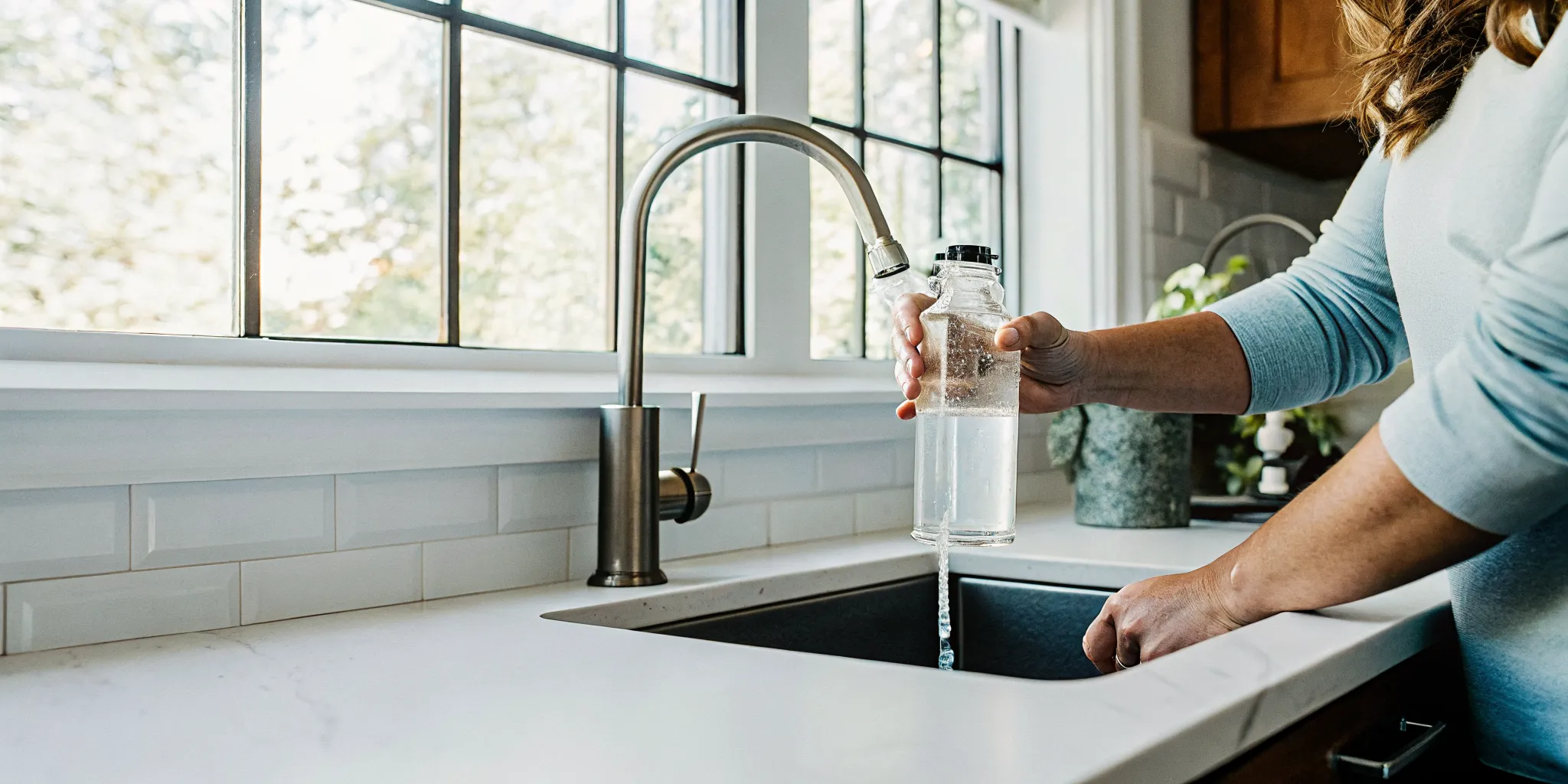
Choose an accredited lab
Never use old food jars or dirty jugs for your water sample. These can taint the results and lead to false alarms. Instead, use the clean bottles from a certified lab. You can find a list of local labs or start with professional water testing to find common local problems. Most labs will give you a kit with clear steps on how to fill the bottles.
Steps for a safe sample
- Find the right tap. Use a faucet that you use often, like the kitchen sink. Remove any small parts or filters from the tap before you start.
- Flush the lines. Run the cold water for a few minutes. This clears out any water that has been sitting in your pipes so you get a fresh sample from the well.
- Fill the bottles. Open the lab bottle with care. Do not touch the inside of the cap or the rim of the bottle. Fill it to the line shown in your kit.
- Label and seal. Close the bottle tight right away. Write the date, time, and where you took the sample on the label.
- Ship fast. Some tests, like bacteria, need to reach the lab within 24 to 48 hours. Keep the sample cool and get it to the lab as soon as you can.
Check your treatment system
If you already have a filter or softener, it is wise to test the water after it passes through your gear. This shows that your system is working well. Keeping up with annual retesting helps you spot when a filter needs a change. If you treat your water, the state says you should test the water after treatment to ensure safety.
What should you do with your well water test results?
Once you get your lab report, you must look at each result to see if it meets health standards. The Minnesota Department of Health provides tips on how to use your test results to keep your home safe. It is your job as a well owner to check these levels often. If a test shows a health risk, you should act fast to fix the problem.
Handling health concerns
If your results show high levels of coliform bacteria, nitrate, or arsenic, you should contact a local health official or a certified lab. These issues can lead to real health risks if you do not treat them. For example, high nitrate can cause serious illness in infants. You can find out more about these risks through official health guides for private wells. Always use an accredited lab for these tests to get the best data.
Managing taste and odor issues
Many well owners find issues that are not health risks but make the water hard to use. This includes orange stains from iron, a smell like rotten eggs from sulfur, or scale buildup. For these concerns, you should talk to a water specialist. At Loon Lakes Water Systems, we offer professional water testing to find the right fix for these common symptoms. We can help you choose a system that removes these smells and stains.
Planning for long term care
Even if your results are clear now, you should plan for annual retesting to catch any new changes. It is a good idea to keep a folder with all your past reports. This helps you see how your well water changes over time. You should test your well more often if you notice a new taste or smell in your glass. Regular checks are the best way to make sure your water stays clean for your family.
Can a free water test replace certified laboratory testing?
Many people ask if a free test is enough. A free water test is a great first step. It helps find common issues like hard water or iron. But it does not replace a full lab test for health. Both tests have a role in keeping your home safe. One tells you how the water treats your home, while the other tells you if it is safe for your family.
What a free water test covers
A free test looks at how your water acts and feels. It checks for things like iron, manganese, and hardness. These things can stain your sinks or clog your pipes. High iron can leave orange spots on clothes and dishes. Hard water can cause white scale to build up on shower heads and machines. This screening is the best way to find the right care system for your home.
You can schedule expert water testing to see if you need a softener or iron filter. This test is also good for checking how well your current gear works. If your water starts to smell like rotten eggs, a free test can find if you have sulfur issues. But these tests mostly do not look for germs or chemicals that can cause health problems. They focus on the parts of your water that you can see, smell, or taste.
When to use a certified lab
Lab tests look for hidden health risks. Many bad things in water have no taste or smell. You cannot see arsenic or bacteria just by looking at a glass. The Minnesota Department of Health says you are in charge of your own well safety. You should use a state lab for these health tests. This is the only way to be sure your water is safe to drink and cook with.
Lab tests check for things like nitrates, which are harmful for babies. Nitrates can cause a bad illness called blue baby syndrome. Arsenic is another risk that needs a lab test. Long-term use of water with arsenic can link to health issues like cancer. A lab will use special tools to find tiny amounts of these toxins. This level of detail is needed to protect your health over many years.
How often to test well water in Minnesota
Knowing how often to test well water in Minnesota is key for well owners. You should keep a steady plan to catch problems early. Most common tests should happen at least once per year. This helps you track changes in your well over time. Some owners also plan for yearly re-tests to ensure their filters still work well.
- Test for coliform bacteria and nitrates every year.
- Test for arsenic at least once to find your base level.
- Test for manganese before a baby drinks the water.
- Test any time you notice a new taste, color, or smell.
- Test after a big event like a flood or a new well pump fix.
Using both free and lab tests gives you the full picture of your water quality. The free test helps you keep your home and pipes in good shape. The lab test ensures your family stays healthy. Both are needed to manage your well water the right way.
Build a well water testing calendar you can maintain
Set a steady annual date
Keeping your well water safe starts with a simple plan. Pick one date each year to run your main tests. Most people find that the start of spring or the end of fall works best. A set date helps you stay on top of common risks.
The Minnesota Department of Health says you should test for coliform bacteria every year. You must also test for nitrate once a year to keep your family safe. This routine keeps your drinking water clean all year long.
A steady plan is key when you want to know **how often to test well water in Minnesota**. Set a phone alarm or a note on your wall calendar to make it a habit. This yearly check lets you spot new trends in your water quality early.
If you use a filter, you should always test the water after it passes through your annual retesting or treatment system. This step shows that your gear is still doing its job well. It also alerts you if it is time to replace a part.
Watch for changes and big events
Basic testing is vital, but some events need you to act right away. You should not wait for your annual date if you notice a change in how your water looks or feels. If you smell sulfur or see new stains on your sink, it is time to call a pro.
Sudden changes in taste, color, or odor are clear signs that your well needs a check. You should also test your well after big events like local floods. High water can wash waste or chemicals into your well and make it unsafe to drink.
Growing families have special needs for water safety too. If you have a baby in the home, you must test for manganese before they drink the water. You should also check for arsenic at least once.
Since these risks have no taste or smell, professional water testing is the only way to find them. Taking these extra steps helps you protect the people who matter most. It gives you peace of mind as a parent or homeowner.
Keep a water record book
A good plan is only part of the task. You also need a safe place to store your lab reports and repair notes. Use a simple folder or a phone app to save every test result you get.
These records are helpful if you ever decide to sell your home. Buyers and banks often ask for proof of well safety before they close a deal. Having these papers ready makes the sale much easier for everyone.
Log all your upkeep too. Write down when you change filters or add salt to your softener. Watch how your system works over time by tracking these tasks.
It also helps local experts like Loon Lakes Water Systems give you better advice when you need a fix. Keeping clear logs takes away the doubt and keeps your home running well. This is the best way to manage your well for many years.
Frequently Asked Questions
How often should I test my private well water in Minnesota?
The Minnesota Department of Health says you should test your well water for bacteria and nitrate every year. You also need to test for arsenic at least one time. It is wise to test for lead and manganese once too. If you use a water filter or softener, test the water after it passes through the system. This ensures your treatment tools work right and keep your family safe from harm.
When should I test my well water beyond the annual recommendation?
You should test your well water if you see, smell, or taste a change in the water. Look for cloudy water, odd smells like sulfur, or a metallic taste. Big events like a flood or a nearby chemical spill also mean you need a new test. If a new baby is coming home, test for manganese and nitrate right away. These steps ensure your water stays clean and safe for everyone who drinks it.
Is it required to test private well water in Minnesota?
Minnesota law does not force you to test your own private well. But you are the person who must make sure your water is safe to drink. The state suggests regular checks because many harmful things have no taste or smell. If you do not test, you might drink things that cause health problems. Local experts can help you with professional water testing to keep your well in top shape.
What should I test my well water for?
Every year, you should test for coliform bacteria and nitrate. These things show if waste or runoff is getting into your well. You should also test for arsenic, lead, and manganese at least once. If you live near a farm or factory, you may need tests for other chemicals. Testing for these items helps you pick the right water filter. Always use a lab that has state approval to get results you can trust.
Ready to Schedule Your Free Minnesota Well Water Test?
Waiting to test your well water can lead to serious risks because many harmful things in water have no taste, smell, or color. You may not know they are there until they cause health issues, damage your pipes, or lead to high costs to fix your home. By testing your water today, you can find small issues before they turn into big, costly problems that affect your whole house. It takes very little time to get the facts about our water treatment services and gain peace of mind for the year. Acting now means you can enjoy clean water and make sure your well is safe for all in your home right now.
Ready to schedule free water testing? Call 612-930-0156 to talk to a water expert about your well today.
Start with clear answers
Schedule free water testing.
Understand common water-quality concerns and get a clear, local recommendation for your Minnesota home.