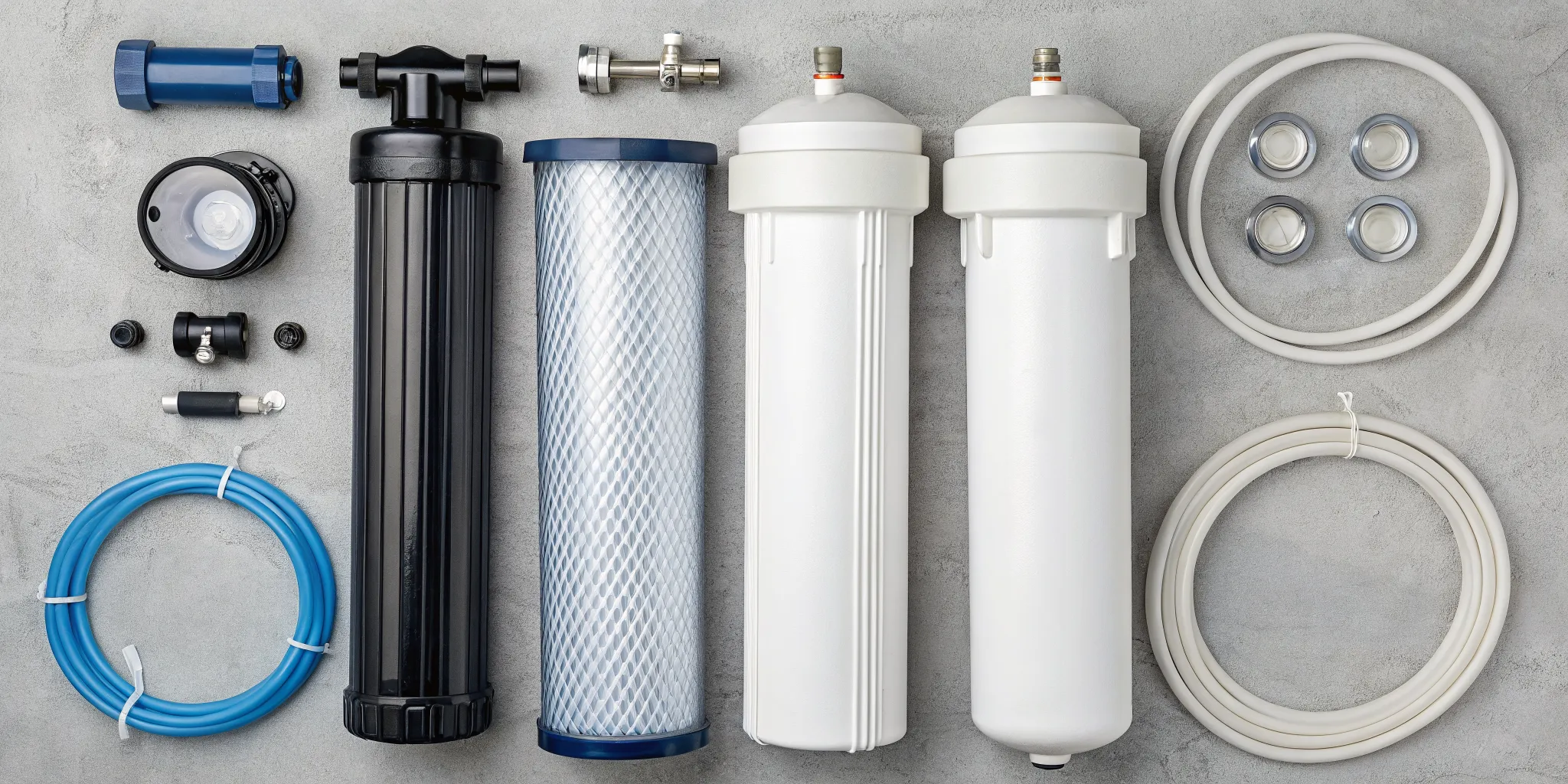
There are a lot of myths out there about well water. Some people believe that if water is clear, it must be clean, while others think one simple filter can solve every problem. The truth is, many of the most concerning contaminants are completely invisible, and a one-size-fits-all approach rarely works. Relying on guesswork or incomplete advice can leave your family with water that isn't as safe or clean as you think. It's time to separate fact from fiction. This guide will bust the common myths and give you a clear, straightforward path to better water. Understanding the truth about your well is the first step toward choosing an effective well water filtration system that protects your home and your health.
Need clear answers about your water? Schedule free water testing with Loon Lakes Water Systems before choosing equipment.
Key Takeaways
- Test your water first: Don't guess what's wrong with your water; get the facts. A professional water test is the critical first step, giving you a clear roadmap to the right filtration system and preventing you from wasting money on equipment that won't work.
- Match the filter to the problem: One filter rarely solves multiple well water issues. The best systems are customized, using a combination of filters (like an iron filter plus a water softener) to create a complete solution that addresses every issue found in your water test.
- Commit to simple maintenance: Your filtration system needs regular upkeep to perform well. Plan on simple tasks like changing filters on a schedule and retesting your water annually to ensure your system keeps running efficiently and your water stays clean.
What's Lurking in Your Well Water?
Drawing water from your own private well can feel like a slice of self-sufficient paradise. But unlike city water, your well isn't treated by a municipality, which means what you see isn't always what you get. The ground acts as a natural filter, but it doesn't catch everything. Minerals, bacteria, and other contaminants can find their way into your water supply, affecting its taste, smell, and safety. The first step to getting clean, clear water is understanding what you're dealing with. A comprehensive water test is the only way to know for sure, but some common culprits leave telltale signs. Let's look at the most frequent issues we find in Minnesota wells.
Iron and Manganese
If you've noticed rusty, reddish-brown stains in your sinks, toilets, or on your laundry, you likely have an issue with iron. Manganese is its close cousin, leaving behind brownish-black stains. These naturally occurring metals are very common in Minnesota's groundwater. While they don't pose a major health risk, they can give your water a metallic taste and a strange odor. They also build up inside your pipes and water-using appliances, reducing their efficiency and lifespan. An effective iron filtration system is designed to target and remove these minerals, protecting your home and making your water taste great again.
Bacteria and Viruses
This is the category of contaminants you can't see, smell, or taste, but it's the most important one to address. Microorganisms like coliform bacteria can enter your well from surface runoff or a failing septic system, posing a significant health risk to your family. The only way to know if your water is contaminated with bacteria is to have it tested. If bacteria are detected, it's a problem that needs immediate attention. A UV purification system is an excellent solution, as it uses ultraviolet light to neutralize 99.9% of microorganisms, making your water safe to drink right from the tap without adding any chemicals.
Sediment and Turbidity
Does your water ever look cloudy, hazy, or have tiny particles floating in it? That's a sign of sediment and turbidity. Sediment is simply physical debris like sand, silt, and dirt that gets stirred up and pulled into your well. While it's generally not harmful to your health, it can make your water look unappealing and taste gritty. More importantly, sediment can clog your faucets and build up in your appliances, causing unnecessary wear and tear. A sediment filter is often the first line of defense in a well water system, trapping these particles and improving the clarity and quality of your water supply.
Nitrates and Pesticides
Especially common in Minnesota's agricultural regions, nitrates and pesticides can seep into groundwater from fertilizers, animal waste, and crop spraying. These contaminants are invisible, odorless, and tasteless, so you won't know they're there without a proper water test. High levels of nitrates are a particular health concern for infants and pregnant women. Certain pesticides can also have long-term health effects. Thankfully, specialized water treatment services can effectively remove these chemicals. A whole-home filtration system can ensure that the water you use for drinking, cooking, and bathing is clean and safe.
Sulfur and "Rotten Egg" Smell
If turning on your tap releases a smell like rotten eggs, you're dealing with hydrogen sulfide gas. This is a common and very noticeable issue for well owners. The gas is produced by certain types of bacteria in the groundwater that use sulfur as an energy source. While the smell is unpleasant, low levels of hydrogen sulfide are not typically a danger to your health. However, you shouldn't have to live with water that makes you hold your nose. Specialized filtration systems can effectively remove the gas, eliminating the offensive odor and dramatically improving your water's taste.
Tannins and Hard Water Minerals
Tannins are natural organic materials from decaying vegetation that can give your water a yellowish or brownish tint, similar to weak tea. While harmless, they can stain your laundry and fixtures. Hard water, on the other hand, is caused by high concentrations of dissolved minerals like calcium and magnesium. This is a widespread issue in Minnesota. You can feel its effects every day: soap that won't lather, stiff laundry, spots on your dishes, and dry skin and hair. Hard water also creates scale buildup that can clog your pipes and ruin your appliances. A water softener is the best solution for hardness, while other filters can handle tannins, giving you clear, soft water.
Signs You Need a Well Water Filter
If you own a private well, you're not just a homeowner; you're also your own water manager. Unlike city water, which is treated and monitored by a municipality, the quality and safety of your well water are entirely your responsibility. While that freedom is great, it also means you need to be vigilant. Sometimes, the signs of a problem are obvious, like strange smells or stains. But often, the most serious contaminants are completely invisible, making them impossible to detect on your own.
The only way to know for sure what's in your water is to have it professionally tested. Before you even think about buying a filter, a comprehensive water analysis will give you a clear roadmap, showing you exactly what issues you need to address. Think of it as getting a diagnosis before you try to find a cure. Many problems with well water are specific to our local Minnesota geology, so understanding your water's unique chemistry is the critical first step. If you're noticing anything "off" with your water, it's a clear signal that it's time to find out what's going on.
The Obvious Clues: What You Can See, Smell, and Taste
Your senses are often the first line of defense. If you've ever poured a glass of water that looked cloudy or noticed stubborn, reddish-brown stains in your sinks and toilets, you're likely dealing with iron or sediment. A "rotten egg" smell is a classic sign of hydrogen sulfide gas, while a metallic taste points back to high levels of iron or other minerals. You might also see black or brown specks in your water, which can indicate manganese. These are all clear indicators that your water could benefit from a targeted filtration system.
The Hidden Problems: What You Can't Detect
Unfortunately, some of the most concerning well water contaminants have no taste, color, or odor. Bacteria like Coliform, viruses, and nitrates from agricultural runoff can pose health risks but go completely unnoticed without proper testing. The same goes for pesticides and other industrial chemicals that may have seeped into the groundwater. These invisible threats are precisely why regular testing is so important for well owners. Relying on your senses alone can give you a false sense of security, while a professional test provides the data you need to ensure your water is truly safe for your family.
The Household Annoyances: How Your Water Affects Your Home
Sometimes the signs are less about the water itself and more about how it behaves in your home. Are your dishes covered in white spots even after a wash? Is your skin and hair constantly dry and itchy? Does your soap and shampoo refuse to lather properly? These are all telltale signs of hard water, caused by an excess of calcium and magnesium. Over time, this mineral buildup, or scale, can also damage your pipes and shorten the lifespan of your water-using appliances like your water heater, dishwasher, and coffee maker. Addressing your water quality isn't just about taste and safety; it's also about protecting your home's infrastructure.
Start with water testing.
Loon Lakes Water Systems helps Minnesota homeowners understand hardness, iron, sulfur odor, drinking water concerns, and equipment issues before recommending a solution.
Schedule Free Water TestingYour Guide to Well Water Filtration Systems
Once you know what's in your water, you can find the right tool for the job. Well water filtration isn't a one-size-fits-all solution; it's about combining the right technologies to tackle your specific contaminants. Think of it like building a team where each player has a special skill. A comprehensive system often involves several stages of filtration working together to deliver clean, safe, and great-tasting water throughout your home. Let's walk through the most common types of systems and what they do best.
Sediment Filters
Think of a sediment filter as the security guard for your entire water system. It's the first line of defense, designed to catch and remove physical particles like sand, dirt, silt, and rust before they can cause trouble. By trapping this larger debris, a sediment filter protects more sensitive and expensive filters downstream from clogging and damage. It also keeps your faucet aerators, showerheads, and appliances running smoothly. These filters are simple but essential for any well water setup, ensuring the rest of your system can work effectively. Regular replacement is key to keeping your water flowing freely.
Activated Carbon Filters
If your water has an off taste or a funky smell, an activated carbon filter is your best friend. These filters are fantastic at removing chemical contaminants that affect water quality and safety. Using a process called adsorption, the carbon material traps things like chlorine, pesticides, herbicides, and other volatile organic compounds (VOCs). The result is water that tastes and smells clean and fresh. You can find carbon filters in everything from simple pitcher filters to powerful whole-home water conditioning systems that treat every drop of water entering your house, making it better for drinking, cooking, and even your skin and hair.
Iron Filtration Systems
For many Minnesotans with well water, iron is the number one enemy. It's the culprit behind those stubborn orange and brown stains on your sinks, tubs, and laundry, and it gives your water an unpleasant metallic taste. An iron filter is specifically designed to tackle this problem. These systems typically use an oxidation process to change dissolved iron and manganese into solid particles that can be easily filtered out and flushed away. A good iron filtration system not only protects your fixtures and clothing but completely transforms your water from a problem into a pleasure to use.
Reverse Osmosis (RO) Systems
When it comes to purity, especially for the water you drink and cook with, nothing beats a reverse osmosis system. RO systems use a special membrane that filters water at a molecular level, removing an incredibly broad range of contaminants that other filters might miss. This includes dissolved solids, heavy metals like lead and arsenic, nitrates, and fluoride. Typically installed under the kitchen sink, reverse osmosis drinking water systems provide a dedicated faucet for exceptionally pure water. It's the ultimate peace of mind for your family's health and hydration.
UV Purifiers
While other filters remove particles and chemicals, a UV purifier provides a critical layer of microbiological safety. If your water test shows the presence of bacteria, viruses, or other living microorganisms, a UV system is essential. It works by exposing water to a powerful ultraviolet light, which instantly neutralizes the DNA of these pathogens, rendering them harmless without adding any chemicals to your water. It's a highly effective, chemical-free way to disinfect your water supply and protect your family from waterborne illnesses. The first step is always to get a free water test to see if bacteria are a concern.
Whole-Home Water Conditioners
A whole-home water conditioner, often including a water softener, addresses issues that affect your entire house. Hard water minerals, for example, can build up in pipes, reduce the efficiency of your water heater, and leave soap scum on everything. A water conditioner treats the water as it enters your home, protecting your plumbing and appliances while also making cleaning easier and your skin softer. When combined with other filtration methods, it creates a complete solution. This ensures that every faucet delivers high-quality water that is free from hardness, unpleasant smells, and other common issues found in Minnesota wells.
Do You Need More Than One Filter?
It's a great question, and the honest answer is: it depends entirely on your water. Think of it like this: you wouldn't use the same medicine to treat a headache and a broken arm. Water contaminants are just as varied, and they often require different types of treatment. While a single, robust filter can sometimes handle a specific issue, it's common for well water to have a cocktail of problems that one filter alone can't solve. You might be dealing with iron, hard water minerals, and sulfur all at once.
Trying to fix all that with a single piece of equipment is like asking one person to do the job of a whole team; it's just not effective. The only way to know for sure what your water needs is to find out exactly what's in it. A professional analysis gives you a clear roadmap, showing you which contaminants are present and at what levels. This information is the key to designing a system that actually works. Before you spend a dime on equipment, a free water test will tell you whether you need a single soldier or a whole army to get the clean, safe water you deserve.
When One Filter Is Enough
Sometimes, a single, targeted solution is all you need. If your water test reveals one primary problem, a specialized filter can be a perfect fit. For example, if your main complaints are rust-colored stains and a "rotten egg" smell, a dedicated iron and sulfur filter might be the only system you need to install. These all-in-one units are designed to be highly effective against those specific culprits. Similarly, if your water is mostly clean but you're concerned about potential bacteria, a standalone UV sterilizer can provide peace of mind without altering the water's taste or mineral content. The key is simplicity; if your water issues are simple, your solution can be too.
Why You Might Need a Multi-Stage System
More often than not, well water presents a few challenges at once. You might have hard water minerals that create scale buildup, iron that stains your fixtures, and sediment that makes your water cloudy. A single filter just isn't equipped to handle that many different jobs effectively. This is where a multi-stage system becomes necessary. Each stage in the system is chosen to target a specific contaminant. By combining different types of water treatment products, you can create a comprehensive solution that addresses every issue revealed in your water test, ensuring nothing slips through the cracks and the water throughout your home is truly clean.
Common Filter Pairings for Well Water
One of the most effective and popular strategies for treating well water involves a two-step approach. The first step is a whole-house system that acts as the first line of defense. This is often an iron filter or a water softener that treats all the water entering your home, protecting your pipes, plumbing, and appliances from staining and scale. The second step is a point-of-use system, like a Reverse Osmosis (RO) filter, installed under your kitchen sink. This provides an extra layer of purification for the water you drink and cook with, removing an even wider range of contaminants for the best possible taste and quality.
How to Choose the Right Well Water Filter
Picking the right filtration system can feel like a huge decision, but it doesn't have to be overwhelming. The key is to approach it methodically, starting with the facts about your water and your home. When you know exactly what you're dealing with, you can confidently choose a system that will provide clean, safe water for years to come. Think of it as creating a custom solution that's perfectly tailored to your well, your family, and your budget. It's about moving past the guesswork and making an informed choice that solves your specific water problems, whether that's rusty stains in the sink, a strange smell from the tap, or concerns about unseen contaminants.
This process isn't about finding a one-size-fits-all magic box. It's about understanding the unique character of your well water and matching it with the right technology. We'll cover everything from getting a clear picture of your water quality to calculating your household's daily needs. By breaking it down into manageable steps, you can feel empowered to select a system that not only works effectively but also fits seamlessly into your life. Let's walk through the essential steps to find the perfect fit for your Minnesota home, ensuring every glass of water is clean and refreshing.
Start with a Professional Water Test
Before you even think about buying a filter, the first step is always to test your water. Your well water has a unique chemical makeup based on your specific location in Minnesota, and guessing what's in it can lead you to buy the wrong equipment, wasting both time and money. A comprehensive water analysis from a certified lab is the only way to know for sure what you need to filter out. This isn't just about finding major contaminants; it's about getting a complete picture of your water's pH, hardness, and mineral content. We believe this step is so important that we offer a free water test to give you a clear, data-driven starting point.
Match the Filter to the Contaminant
Once your water test results are in, you can match the problem to the solution. Different contaminants require different types of filtration. For example, if your test shows high levels of iron, you'll need an iron filter, not just a basic sediment filter. If you're dealing with a rotten-egg smell, that points to hydrogen sulfide gas, which requires a specific type of oxidation or carbon filter. Hard water minerals are handled by a water softener. Understanding your report allows you to select the right water treatment products that directly target the issues in your well, ensuring you get the results you want without paying for features you don't need.
Consider Your Home's Water Use
Next, think about how much water your household uses on a daily basis. A single person living in a small home has very different water demands than a family of five with multiple bathrooms, a dishwasher, and a washing machine that seem to run constantly. Your water filtration system needs to be able to keep up with your peak demand, which is the time of day your family uses the most water at once (like in the morning when people are showering and you're starting laundry). A system that's too small for your needs will struggle to keep up, leading to frustrating drops in water pressure.
Check Flow Rate and System Size
This brings us to flow rate, which is measured in gallons per minute (GPM). Your filtration system's GPM should be high enough to meet your household's peak demand without causing a drop in water pressure. A simple way to estimate this is to consider the number of bathrooms and high-use fixtures in your home. A system sized for a one-bathroom house won't be adequate for a three-bathroom house. Choosing the right size ensures that you can run the shower and the dishwasher at the same time without your water flow slowing to a trickle. As local experts, our team has years of experience helping Minnesota homeowners select a right-sized solution that fits their home perfectly.
Plan for Maintenance and Budget
Finally, a great water filtration system is a long-term investment, and that includes planning for ongoing maintenance. Most systems are not "set-it-and-forget-it." They require regular upkeep, such as changing filter cartridges, refilling salt in a water softener, or scheduling professional check-ups. Be sure you understand the maintenance schedule and associated costs for any system you're considering. Yearly costs can range from around $150 to $300 for filter replacements. Factoring these expenses into your budget from the start ensures there are no surprises down the road and that your system continues to run efficiently. Our water treatment services include ongoing support to make maintenance simple and predictable.
What Makes a Great System Stand Out?
When you start looking at well water filters, the options can feel overwhelming. How do you separate a truly effective system from one that just looks good on paper? A great system isn't just a single piece of equipment; it's a complete solution designed for your specific water. It's about smart design, powerful technology, and a long-term commitment to quality. Here are the key features that make a well water filtration system stand out from the rest, ensuring you get clean, safe water for years to come.
Multi-Stage Filtration
Think of treating well water like a team sport. It's rare for one player to do all the work, and the same goes for filters. A multi-stage filtration system uses several different types of filters working together in a specific order to tackle a variety of issues. A typical setup might start with a sediment filter to catch sand and silt, followed by an iron filter to remove rust-staining minerals, and then a water softener to handle hardness. Each stage prepares the water for the next, resulting in a more effective and efficient process. This layered approach ensures that every contaminant is addressed, giving you the best possible water quality throughout your home.
Advanced Tech: UV & Reverse Osmosis
For certain contaminants, you need to bring in the specialists. That's where advanced technologies like Ultraviolet (UV) purifiers and Reverse Osmosis (RO) come in. A UV purifier uses a special lamp to neutralize up to 99.9% of microorganisms like bacteria and viruses, making your water microbiologically safe without adding chemicals. For the water you drink and cook with, a Reverse Osmosis system is the gold standard. Usually installed under the kitchen sink, it pushes water through a very fine membrane to remove dissolved solids, heavy metals, and other tiny impurities that other filters can miss.
Customizable Solutions
Your well water is as unique as your Minnesota property. That's why a one-size-fits-all filter from a big-box store often falls short. A truly great system is one that is customized to solve your specific problems, whether it's the rotten-egg smell of sulfur, rust stains from iron, or unseen contaminants. The process should always begin with a detailed analysis of your water. A professional water test identifies exactly what's in your water and at what levels. This allows a specialist to design a system with the right components in the right order, ensuring you're not paying for filtration you don't need and that the system you get actually works.
Durability and Warranties
A water filtration system is a significant investment in your home, so it needs to be built to last. High-quality systems use durable, professional-grade materials that can stand up to the tough water conditions often found in Minnesota wells, like high levels of iron or manganese. Look for systems that come with strong manufacturer warranties, especially on key components like control valves and tanks. A lifetime or 10-year warranty isn't just a piece of paper; it's a company's vote of confidence in its own product. Choosing a durable system backed by a solid warranty and a reputable local installer gives you peace of mind that your investment is protected.
Whole-Home vs. Point-of-Use
Understanding the difference between "whole-home" and "point-of-use" systems is key to getting the right setup. A whole-home system connects to your main water line, treating all the water that enters your house. This protects not just your drinking water but also your pipes, fixtures, and water-using appliances from issues like hard water scale and iron staining. A point-of-use system, on the other hand, treats water at a single tap, like an RO filter under the kitchen sink. For the most comprehensive solution, many Minnesota homes benefit from using both. A whole-home system handles the heavy lifting, while a point-of-use system provides that final polish for the best-tasting drinking water.
The Costs of Well Water Filtration
Figuring out the budget for a well water filtration system is a key step. Think of it as an investment in your home and your family's health. The total cost generally falls into three main buckets: the initial price of the equipment, the cost to get it installed, and the ongoing expenses for maintenance. Understanding each piece helps you plan and choose a system that works for your home and your wallet without any surprises.
Upfront Equipment Costs
Let's talk about the initial investment. The price for well water filtration equipment can range from a few hundred dollars to several thousand. You might see basic systems starting around $500, while more comprehensive solutions can go up to $5,200 or more. This difference comes down to what the system needs to do. A simple sediment filter will cost less than a powerful iron filtration system designed to tackle Minnesota's stubborn rust stains. The key is to match the equipment to your water test results, so you're only paying for the filtration you actually need.
Installation Costs
Once you have your system, the next step is getting it installed. While some kits come with instructions for a DIY approach, hiring a professional is often the best route. Professional installation typically costs between $500 and $800 and ensures there are no leaks, the system is calibrated correctly, and everything is up to code. Think of it as peace of mind. A proper installation protects your investment and makes sure your system runs efficiently from day one. That's why our process always starts with a free water test to guarantee the right fit and a flawless setup.
Ongoing Maintenance
A filtration system is not a "set it and forget it" appliance. To keep it running smoothly, you'll need to plan for regular maintenance, which mostly involves replacing filters. Annually, you can expect to spend between $150 and $300 on these upkeep costs. For example, the sediment pre-filter on many whole-home systems needs to be changed every six to nine months. The exact schedule depends on your water quality and how much water your household uses. Consistent maintenance ensures your water stays clean and your system lasts for years, and having a local expert for long-term support can make this process completely stress-free.
Well Water Filtration Myths, Busted
When it comes to well water, separating fact from fiction can feel like a full-time job. You've probably heard a lot of different opinions from neighbors, online forums, and even the person at the hardware store. Let's clear the air and tackle some of the most common myths about well water filtration so you can feel confident about the water in your home.
"All well water is unsafe"
This is one of the biggest and most persistent myths. While it's true that private well water isn't regulated by the government like city water is, it doesn't mean it's automatically unsafe. Many Minnesota wells provide clean, healthy water. The key difference is that the responsibility for safety falls on you, the homeowner. The only way to know for sure what's in your water is to test it. A professional analysis will give you a clear picture of your water's quality and help you determine if any action is needed. Think of it as a check-up for your well, ensuring your family has safe, great-tasting water.
"One filter can do it all"
It would be nice if a single, magical filter could solve every water problem, but that's rarely the case with well water. Your well might have high iron causing stains, sediment making it cloudy, and hard water minerals creating scale buildup. A simple carbon filter might improve the taste but won't do anything for the iron or hardness. Effective well water treatment often requires a multi-stage approach, where different types of filters work together to tackle specific contaminants. A customized system ensures that all your water issues are addressed, not just the most obvious one.
"Filtration systems are set-it-and-forget-it"
Installing a water filtration system is a fantastic step, but it's not the final one. These systems are hardworking pieces of equipment that need regular maintenance to perform their best. Filters need to be changed, salt needs to be added to softeners, and components need to be checked. Neglecting maintenance can lead to a drop in water quality and can even damage the system itself. Luckily, a good provider will not only install your system but also explain the upkeep and offer ongoing support to keep it running smoothly for years to come.
"Well water is always hard"
Many people assume that if you have a well, you have hard water. While it's a common issue in Minnesota due to our geology, it's not a universal rule. The hardness of well water can vary quite a bit from one location to another, even within the same town. Your water might be perfectly soft but have a high iron content, or vice versa. Making assumptions can lead you to buy the wrong equipment. Before investing in a water softener, it's essential to get a free water test to find out your water's specific hardness level and what other minerals might be present.
How to Maintain Your Filtration System
Installing a well water filtration system is a huge step toward cleaner, safer water for your home. But the work doesn't stop there. To keep your system running effectively for years to come, you'll need to give it some regular attention. Think of it like changing the oil in your car; consistent maintenance protects your investment and ensures you're always getting the best possible performance.
Proper upkeep prevents small issues from turning into big, expensive problems. It also guarantees that the water your family uses for drinking, cooking, and bathing remains free of the contaminants you worked so hard to remove. A well-maintained system is a reliable one, giving you peace of mind with every drop. The good news is that most of the tasks are straightforward, and for everything else, a local expert is just a call away.
Replace Filters on Schedule
This is the most critical maintenance task you'll handle. Every filter in your system has a limited lifespan. Over time, they become clogged with the sediment, minerals, and other contaminants they've captured. A full filter can't do its job, and it can even reduce your home's water pressure. For example, a standard sediment filter often needs to be replaced every six to nine months.
Check your system's manual for the recommended replacement schedule for each component, from sediment pre-filters to carbon tanks and reverse osmosis membranes. Set a recurring reminder on your phone or calendar so you never miss a change. Staying on top of this simple task is the easiest way to ensure your system works as intended.
Retest Your Water Annually
Well water isn't static. Its composition can change due to seasonal shifts, heavy rainfall, snowmelt, or even changes in the surrounding land. That's why it's so important to test your water at least once a year. An annual test acts as a report card for your filtration system, confirming that it's still effectively removing the target contaminants.
An annual retest also helps you catch any new issues that might have appeared. For instance, a new source of contamination could introduce something your current system isn't designed to handle. By testing regularly, you can stay ahead of potential problems and adjust your filtration strategy if needed, ensuring your water quality never dips.
Watch for Warning Signs
Your senses are one of your best tools for monitoring your water system. If you start noticing issues that you thought were solved, your system is trying to tell you something. Pay close attention to any changes in your water's quality. Is that faint rotten-egg smell coming back? Are you seeing new iron stains in your sinks or toilets?
Other red flags include a noticeable drop in water flow, which could signal a clogged filter, or water that suddenly appears cloudy or discolored. Don't ignore these signs. They are early warnings that your system needs attention, whether it's a simple filter change or a more significant adjustment. Acting quickly can prevent further issues and keep your water clean.
Schedule Professional Check-ups
While you can handle tasks like changing filters, it's wise to schedule periodic professional check-ups. A trained technician can perform a more thorough inspection, spotting subtle issues you might miss. They can test your water pressure, check system settings, and ensure all mechanical and electrical components are in good working order. This is especially important for complex multi-stage systems or those with electronic controls.
Having a local expert perform routine water treatment services provides an extra layer of confidence. At Loon Lakes, our team knows exactly what to look for in Minnesota wells. We can help you keep your system running at peak efficiency, extending its lifespan and ensuring your family always has access to high-quality water.
A Minnesotan's Guide to Clean Well Water
Living in Minnesota means we get to enjoy beautiful lakes and natural landscapes, but it also means our well water comes with its own set of challenges. Our state's iron-rich soil is a big reason why so many of us deal with rusty orange stains in our sinks and tubs. Beyond iron, well water can contain sediment that makes it cloudy, sulfur that gives it a "rotten egg" smell, and even unseen bacteria. Because the water quality can change from one town to the next, a whole-house treatment system that works for your cousin in Duluth might not be the right fit for your home near the Twin Cities. The key is to figure out exactly what's in your water before you try to fix it.
Why Local Expertise Matters
If you're on a private well, you're the one in charge of your water quality. Unlike city water, which is regularly tested and treated by the municipality, your well is your responsibility. This is where having a local expert on your side makes all the difference. A company that understands Minnesota's specific water issues can provide solutions that a national chain might overlook. We know the geology here, from the Iron Range to the southern prairies, and we understand how it affects your water. This local knowledge allows us to go beyond generic recommendations and design a system that truly addresses the problems unique to your home. Our team at Loon Lakes Water Systems is based right here, so we're your neighbors, not just a voice on a phone.
Get Your Free Water Test
Before you spend a dime on a filtration system, you need to know what you're fighting. Guessing can lead to buying the wrong equipment, wasting money, and still being stuck with bad water. A professional water test is the most important first step. It gives you a clear picture of what's going on by measuring things like iron levels, water hardness, pH, and other contaminants. This information is essential for choosing the right solution. We offer a completely free water testing service to help you get started. We'll come to your home, test your water, and explain the results in a way that's easy to understand, with no strings attached.
Frequently Asked Questions
My well water seems fine. Do I really need to do anything? That's great news if your water looks and tastes good, but unfortunately, some of the most serious contaminants are completely invisible. Things like bacteria or nitrates don't have a taste, color, or smell, so you would never know they are there without a proper analysis. Think of a water test as a simple, preventative check-up for your home. It's the only way to get total peace of mind and confirm that the water your family is using every day is truly safe.
What's a realistic budget for a good well water filtration system? The cost depends entirely on what your water test reveals, since the goal is to solve your specific problems without paying for equipment you don't need. Generally, you can think about it in three parts: the system itself, which can range from around $500 for a simple filter to $5,200 or more for a comprehensive, multi-stage solution; professional installation, which is typically between $500 and $800; and annual maintenance, which usually costs about $150 to $300 for filter replacements.
Why can't I just buy a whole-house filter from a big-box store? While it might seem like an easy fix, those off-the-shelf filters are generic, one-size-fits-all solutions. Well water in Minnesota often has a unique mix of issues, like very high iron levels combined with hard water minerals. A generic filter may not be powerful enough to handle these specific challenges, leaving you with the same problems you started with. A custom system designed from your water test results is the only way to guarantee you get a solution that actually works for your home.
How much work is it to maintain one of these systems? A filtration system does require some simple, routine upkeep to keep it running well, so it isn't a "set-it-and-forget-it" appliance. The most common task is changing out filter cartridges, which you might do every six to nine months depending on your water quality and usage. If you have a water softener, you will also need to add salt periodically. These tasks are straightforward, and we always walk you through the maintenance schedule so you know exactly what to expect.
If my main concern is drinking water, is a reverse osmosis system all I need? A reverse osmosis (RO) system is the gold standard for pure drinking water, but it only treats the water at a single faucet. It won't do anything to protect the rest of your house from problem water. If your well has hard water minerals or iron, they can still build up in your pipes, stain your sinks, and damage expensive appliances like your water heater and dishwasher. For many homes, the best approach is a whole-home system to protect your plumbing and appliances, combined with an RO system for the purest drinking water.
Ready for better water?
Call 612-930-0156 or request a free water test. We will explain what is in your water and help you choose the right next step.
Request Free Water Testing