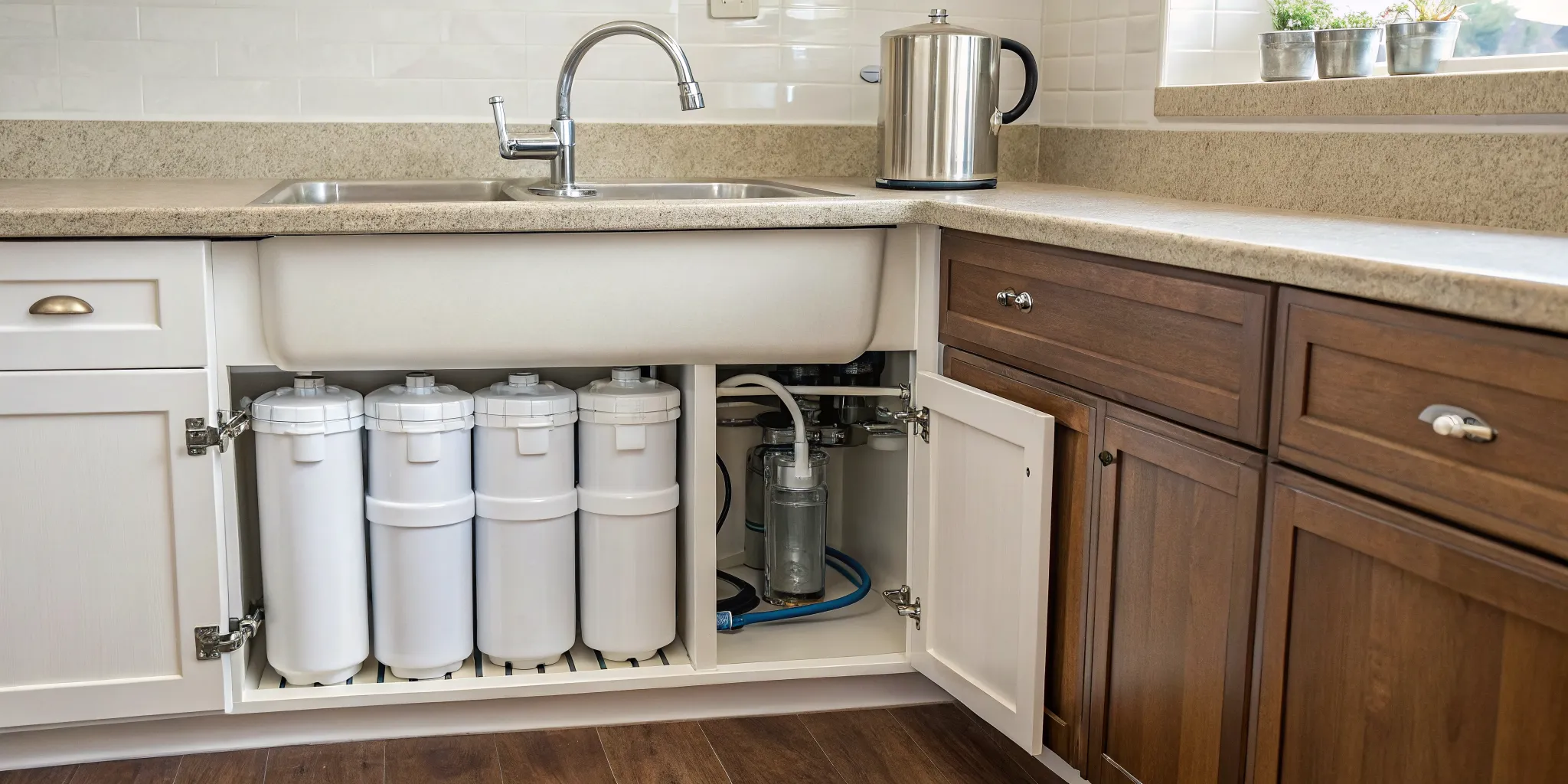
If you're serious about the taste of your morning coffee or love to cook, you already know that water is a crucial ingredient. The chlorine, minerals, and other dissolved solids in standard tap water can make your coffee bitter, your tea cloudy, and dull the vibrant flavors of your food. The secret to elevating everything you make in the kitchen is starting with a pure base. An under sink reverse osmosis system provides exceptionally clean, neutral-tasting water that lets the true flavors of your ingredients shine. It's a simple upgrade that makes a noticeable difference in every sip and every bite.
Need clear answers about your water? Schedule free water testing with Loon Lakes Water Systems before choosing equipment.
Key Takeaways
- Get the Purest Water for Drinking and Cooking: A reverse osmosis system is the best way to purify your kitchen tap water. It uses a multi-stage process to remove a wide range of contaminants, including lead, PFAS, and dissolved solids, giving you clean, safe, and great-tasting water right where you use it most.
- Know Its Role in Your Home: An under-sink RO system is a specialist for drinking water; it will not fix house-wide issues like hard water scale or iron stains. For complete water treatment, it often works best alongside a whole-home system like a water softener, creating the perfect combination of protection and purity.
- Save Money and Ditch Plastic Bottles: While there is an initial investment, an RO system produces purified water for just pennies per gallon. This makes it far more affordable than buying bottled water in the long run, all while reducing your plastic waste and requiring only simple, periodic filter changes.
What Is an Under-Sink Reverse Osmosis System?
If you're looking for the purest possible drinking water straight from your kitchen tap, a reverse osmosis (RO) system is the gold standard. These are point-of-use water filters, meaning they get installed in one spot, typically right under your kitchen sink, to treat the water you use for drinking and cooking. An RO system works by using your home's water pressure to push water through a special, semipermeable membrane. This membrane acts like an extremely fine filter, catching and removing up to 99% of dissolved solids and other contaminants.
This process is incredibly effective at targeting things you definitely don't want in your water, like heavy metals (lead and arsenic), fluoride, salts, and emerging contaminants like PFAS. While a whole-home system treats all the water entering your house, an under-sink RO system focuses on providing top-tier water quality where it matters most: your glass, coffee pot, and cooking pans. For many Minnesota homeowners dealing with complex water issues, pairing a water softener with one of these reverse osmosis drinking water systems creates the perfect combination for clean, great-tasting water throughout the house.
How Reverse Osmosis Works
The magic of a reverse osmosis system happens in multiple stages. First, your tap water enters a series of pre-filters. These initial filters catch larger particles like sediment, rust, and chlorine, which protects the more delicate RO membrane and improves the water's taste and smell. Next, the water is forced through the semipermeable reverse osmosis membrane. This is the core of the system, where the real heavy lifting happens. The membrane's pores are so tiny that they block an extensive list of contaminants, including lead, nitrates, and PFAS, allowing only clean water molecules to pass through. Finally, the purified water goes through a post-filter before it reaches your glass, often a carbon filter that gives it a final polish for the best possible taste.
Tankless vs. Tank-Based: Which Is for You?
When choosing an RO system, one of the first decisions is whether to go with a traditional tank-based model or a modern tankless one. A tank-based system filters water slowly and stores it in a small pressurized tank under your sink, so you have purified water ready when you need it. These systems are highly effective and generally more affordable upfront. Their main drawback is the space they require; the tank can take up a significant amount of your under-sink cabinet.
On the other hand, tankless reverse osmosis systems filter water on demand, giving you an endless supply of fresh water without needing a storage tank. This makes them incredibly compact, freeing up valuable cabinet space. While they often have a higher initial cost, many people find the space-saving design and continuous flow well worth it.
What Does an RO System Remove from Your Water?
A reverse osmosis system acts like a super-fine sieve for your water. Its semipermeable membrane has microscopic pores that are so small, they allow water molecules to pass through but block almost everything else. This process is incredibly effective at producing exceptionally pure water right from your kitchen tap. But what exactly is it filtering out? Let's break down the common substances an RO system removes and what it leaves behind.
Common Contaminants: Lead, Arsenic, and PFAS
One of the biggest reasons homeowners install an RO system is for peace of mind. These systems are fantastic at removing a wide range of serious contaminants that you can't see, taste, or smell. This includes heavy metals like lead, which can leach from older pipes, and arsenic, a chemical that can naturally occur in Minnesota's groundwater. RO is also one of the most effective methods for removing chlorine, fluoride, nitrates, and emerging contaminants like PFAS, often called "forever chemicals." The first step to knowing what you need to remove is understanding what's in your water, which is why we always start with free water testing.
Understanding Total Dissolved Solids (TDS)
Have you ever heard the term TDS? It stands for Total Dissolved Solids, and it's a measurement of all the inorganic salts, minerals, and metals dissolved in your water. While a high TDS level isn't automatically a health risk, it can cause your water to taste salty, bitter, or metallic. An RO system is the undisputed champion at reducing TDS. By forcing water through its fine membrane, it can remove 90% or more of all dissolved solids. This is what gives RO water its signature crisp, clean, and pure taste. It's the perfect blank slate for making better-tasting coffee, tea, and ice cubes.
The Deal with Minerals and Remineralization
Because the reverse osmosis process is so thorough, it removes nearly everything, including beneficial minerals like calcium and magnesium. This can leave the water tasting a bit "flat" and slightly acidic. To solve this, many modern RO systems include a final remineralization stage. After the water is purified, it passes through a special filter that adds a balanced amount of healthy minerals back in. This not only improves the taste for a more natural, refreshing flavor but also raises the water's pH. We can help you choose from a variety of RO products that include this feature for the best possible drinking water.
What an RO System *Doesn't* Remove
It's important to remember that an under-sink RO system is a point-of-use filter. It's designed to provide pristine water from a single faucet, not treat your entire home. It won't solve issues like hard water scale buildup on your showerheads or iron staining in your toilets. For those problems, you would need a whole-home solution like a water softener or an iron filter. An RO system is the final polishing step for your drinking water. Often, the best approach is a combination of systems tailored to your home's specific needs, which is something our team specializes in creating with our full range of water treatment services.
Start with water testing.
Loon Lakes Water Systems helps Minnesota homeowners understand hardness, iron, sulfur odor, drinking water concerns, and equipment issues before recommending a solution.
Schedule Free Water TestingIs an Under-Sink RO System Right for Your Minnesota Home?
Deciding on the right water treatment for your home can feel like a big task, especially here in Minnesota where water quality can differ so much from one town to the next. An under-sink reverse osmosis (RO) system is a popular choice for a reason: it delivers exceptionally pure water right where you use it most. But is it the right fit for you? The answer depends on your specific water concerns and what you hope to achieve. Let's look at some common Minnesota water issues and see how an RO system can help, so you can make a confident choice for your family.
Common Water Quality Issues in Minnesota
Our state's water is generally safe, but it can pick up unwanted passengers on its way to your tap. Things like lead from older pipes, nitrates from agricultural runoff, and even "forever chemicals" like PFAS can be present. An RO system is incredibly effective at removing these, along with fluoride and chlorine, giving you peace of mind with every glass. If you're unsure what's in your water, the first step is always to find out. A professional analysis will give you a clear picture of your water's makeup, which is why we offer free water testing to help you get started.
Who Benefits Most from an RO System?
Honestly, anyone who wants pure, great-tasting water will love having an RO system. If you're tired of buying plastic water bottles or dealing with the taste of chlorine in your tap water, an RO system is a game-changer. It provides bottled-quality water for drinking, cooking, making coffee, and filling ice trays. These systems are fantastic for health-conscious families and anyone concerned about contaminants, as they can remove over 1,000 different substances. You get the confidence of knowing your water is clean, without the waste and expense of bottled water. Exploring our RO products can give you an idea of the different options available.
When You Might Need More Than Just RO
An under-sink RO system is a powerhouse for purifying your drinking water, but it's important to know its limits. It's a "point-of-use" system, meaning it treats the water at a single faucet. If your main concerns are things that affect your whole house, like hard water scale buildup in your dishwasher or iron stains in your sinks and laundry, an RO system alone won't solve them. In these cases, you'd want to look at whole-home solutions like a water softener or an iron filter. Often, the best approach is a combination: a whole-home system to protect your pipes and appliances, plus an RO system for pristine drinking water. Our full range of water treatment services can tackle any issue your water throws at you.
The Everyday Benefits of an Under-Sink RO System
Installing a reverse osmosis (RO) system might seem like a small change, but it can have a big impact on your daily life. Beyond just filtering your water, an RO system transforms how you drink, cook, and even manage your kitchen. It's an investment in convenience, quality, and peace of mind, delivering tangible benefits from the moment it's installed. You get better-tasting water, healthier meals, a smaller environmental footprint, and a cleaner, more streamlined kitchen space.
Enjoy Pure, Great-Tasting Water on Tap
Imagine turning on your faucet and getting crisp, refreshing water every single time. That's the primary promise of an under-sink RO system. These systems are incredibly effective, using a semipermeable membrane to filter out up to 99% of contaminants. This includes common Minnesota water concerns like heavy metals (lead, arsenic), chemicals like PFAS, and other total dissolved solids (TDS) that can give your water a strange taste or cloudy appearance. The result is pure, great-tasting water that you and your family can trust, right from a dedicated tap at your sink. It's the quality of premium bottled water, without any of the plastic waste or hassle.
Upgrade Your Cooking, Coffee, and Tea
Have you ever noticed your coffee tastes a little bitter or your ice cubes come out cloudy? Your water is likely the culprit. Impurities like chlorine and excess minerals affect the flavor and appearance of everything you make. When you cook with RO water, you're using a pure base that lets the true flavors of your ingredients shine through. Your morning coffee will taste richer, your tea will steep more clearly, and even simple things like pasta and steamed vegetables will taste cleaner. If you're not sure what's in your water, a free water test can identify the exact minerals and contaminants affecting your cooking.
Save Money and Ditch Bottled Water
If your family constantly reaches for bottled water, you know how quickly the costs add up, not to mention the mountain of plastic it creates. An under-sink RO system produces purified water for just pennies per gallon, offering a fantastic return on your investment. You'll quickly save money compared to buying cases of water from the store. More importantly, you'll significantly reduce your household's plastic waste and environmental footprint. It's a simple switch that benefits both your wallet and the planet, giving you unlimited access to clean water without the guilt of single-use plastics.
Get a Clean Look with a Space-Saving Design
A major benefit of modern RO systems is how seamlessly they fit into your kitchen. Forget bulky filters cluttering your countertop or taking up valuable space in your fridge. Under-sink systems are tucked away out of sight, and many new tankless reverse osmosis systems are incredibly compact, preserving precious cabinet space. The system connects to a small, elegant faucet installed right on your sink, providing a clean, minimalist look. This dedicated tap gives you instant access to purified water for drinking and cooking, making your daily routine more efficient and your kitchen feel more organized.
Key Features to Look for in an RO System
Once you've decided that a reverse osmosis system is the right solution for your home, the next step is choosing the perfect model. When you start browsing, you'll see a lot of different options with various features and price points, which can feel a little overwhelming. But don't worry, I'm here to help you make sense of it all. Think of it like buying a car; you want to look under the hood and understand what you're getting. The best RO system for you will depend on your household's water usage, your specific water quality issues, and your budget.
Understanding the key features will help you compare different systems and feel confident that you're making a smart investment in your home's water quality. From the number of filtration stages to how much water it wastes, every detail matters. Some features are about performance, ensuring you get the purest water possible. Others are about convenience and long-term cost savings. Before you get too deep into comparing models, it's always a great idea to know exactly what's in your water. A free water test gives you a clear baseline, so you can choose a system that effectively targets the specific contaminants in your Minnesota water. With that information in hand, you can use the following guide to find the perfect reverse osmosis system for your family.
Filtration Stages
When you look at an RO system, pay close attention to its filtration stages. A quality system will have more than just a basic carbon filter. While carbon is great for improving taste and odor, true purification comes from a multi-stage process. Most top-tier systems include at least four stages: a sediment pre-filter to catch dirt and rust, a carbon pre-filter to remove chlorine, the reverse osmosis membrane that tackles the tiniest contaminants, and a final carbon post-filter to polish the water's taste. Each stage protects the next, making the entire system more effective and extending the life of the all-important RO membrane.
Water Output and Flow Rate
Nobody likes waiting forever for a glass of water to fill. That's where the Gallons Per Day (GPD) rating comes in. This number tells you how quickly the system can produce purified water. You'll see systems ranging from around 100 GPD to over 800 GPD. A higher GPD means a faster flow rate at the tap and quicker refilling of the storage tank. If you have a large family, do a lot of cooking with purified water, or simply value speed and convenience, opting for a system with a higher GPD is a great choice. For smaller households, a standard GPD rating is often perfectly fine.
Water Efficiency Ratio
Reverse osmosis works by forcing water through a membrane, and this process creates wastewater (often called brine) that carries away the rejected contaminants. An important feature to check is the system's waste-to-pure-water ratio. Older, less efficient systems might waste three or four gallons of water for every one gallon of pure water they produce. Modern, high-efficiency systems are much better, with some achieving a 1:1 ratio. A better efficiency ratio not only conserves water, which is great for the environment, but it can also help keep your water bill a little lower.
NSF Certification
This is a big one. Look for a system that has been certified by the NSF (National Sanitation Foundation). This independent organization tests water treatment products to verify they meet strict public health standards. Specifically, you'll want to see certifications like NSF/ANSI 58, which confirms the system's ability to reduce a wide range of contaminants, and NSF/ANSI 372, which verifies it is made with lead-free materials. An NSF certification is your assurance that the system performs as advertised and is safe for your family. Don't just take the manufacturer's word for it; this third-party verification is essential.
Easy Filter Changes
Maintaining your RO system is key to its performance, and that means changing the filters regularly. To make this chore as painless as possible, look for a system designed for easy filter changes. Many modern units feature a simple twist-and-pull design that allows you to swap out old filters in seconds, often without needing any tools or even turning off your water supply. This might seem like a small detail, but when it comes time for maintenance, you'll be grateful you chose a system that's simple to care for. It makes it much more likely you'll stick to the recommended service schedule and enjoy pure water for years to come.
Breaking Down the Cost of a Reverse Osmosis System
Thinking about an RO system is exciting, but it's natural to wonder about the price tag. It's helpful to see it not just as a purchase, but as an investment in your home and your family's health. The total cost can be split into two main parts: the initial price for the system and installation, and the long-term expenses for maintenance. Understanding both gives you a clear picture of what to expect, so you can decide if it's the right fit for your budget and your home. Let's walk through what goes into each of these costs.
Initial System and Installation Costs
The first expense is the RO system itself, along with professional installation. Under-sink systems are installed right where you need them most: in your kitchen. This involves placing a small, dedicated faucet at your sink for purified water, connecting the system to your cold water supply, and linking it to a drain line for the wastewater. Some modern tankless systems may also require a nearby electrical outlet. The exact cost can vary depending on the model you choose. The best way to get an accurate price is to start with a free water test, which helps us recommend the perfect system for your specific water quality needs.
Ongoing Maintenance and Filter Costs
To keep your RO system running smoothly and your water tasting great, you'll need to plan for routine upkeep. This involves replacing filters periodically. Most systems have pre-filters and post-filters that should be changed every six to 12 months. The reverse osmosis membrane, which does the most intensive filtering, has a longer lifespan and typically needs to be replaced every two to three years. Sticking to this schedule is essential for maintaining water quality and system efficiency. We can help you understand the specific needs of your unit and even provide long-term support to make maintenance simple.
RO vs. Bottled Water: A Cost Comparison
If you're regularly buying bottled water, an RO system can lead to some serious savings over time. While there's an upfront investment, the cost of producing your own purified water comes out to just pennies per gallon. Compare that to the endless cycle of buying cases of water from the store. Not only is an RO system more economical in the long run, but it's also a much more sustainable choice. You'll drastically reduce your household's plastic waste and say goodbye to lugging heavy water bottles home from the grocery store for good.
What to Know About RO System Installation
Getting a reverse osmosis system is exciting, but a little planning goes a long way toward a smooth installation. Before you commit, there are three key things to consider: the physical space under your sink, your home's water pressure, and whether you want to install it yourself or call in a professional. Thinking through these details ensures you choose the right system and get it running without any surprises. It's all about making sure your new RO system fits perfectly into your home and your life, giving you that pure, clean water you're looking for from day one. Let's walk through what you need to check.
Checking Your Space and Plumbing
First things first, take a peek under your kitchen sink. This is where most RO systems live, and they need a surprising amount of room. You'll have to fit a few filter housings and a storage tank (unless you choose a tankless model). Measure the space to make sure everything will fit comfortably alongside your garbage disposal and cleaning supplies. You'll also need to confirm your plumbing can accommodate the system. An RO unit connects to your cold water line and requires a separate drain line for the wastewater it filters out. Taking a quick look now can save you a major headache later.
Why Water Pressure Matters
A reverse osmosis system relies on your home's water pressure to work its magic. The pressure is what forces water through the ultra-fine RO membrane, separating out the contaminants. If your pressure is too low, the system won't be able to filter water effectively, leading to slow water flow and a lot of wasted water. Most systems have a minimum pressure requirement, usually around 40 to 60 PSI. If you have well water or just suspect low pressure, it's a good idea to get it checked. We can easily test your pressure during a free water analysis to make sure an RO system will perform perfectly in your home.
DIY vs. Professional Installation: What's Best?
Many RO systems are marketed as DIY-friendly, and if you're handy, you might be able to tackle the job yourself. Installation typically involves drilling a hole in your countertop for the dedicated RO faucet, tapping into your cold water line, and connecting a line to your sink's drain. While it can be a straightforward project for some, it also comes with the risk of leaks or improper setup. Opting for a professional installation gives you peace of mind. An expert will ensure every connection is secure, the system is running at peak efficiency, and you won't have to worry about water damage from a faulty connection.
How to Maintain Your Under-Sink RO System
One of the best things about an under-sink reverse osmosis system is that it quietly does its job without needing much attention. However, a little routine upkeep is essential to make sure you're always getting the purest, best-tasting water. Think of it like changing the oil in your car; these simple steps protect your investment and keep everything running smoothly for years to come.
Regular maintenance ensures your system operates efficiently, prevents potential issues, and guarantees your water quality remains top-notch. The good news is that it's straightforward and doesn't require a lot of your time. Most of the work involves swapping out filters on a set schedule and keeping an eye out for any changes in performance. By staying on top of these tasks, you can relax knowing your RO system is delivering clean, healthy water every time you turn on the tap.
Your Filter Replacement Schedule
The most common maintenance task for your RO system is changing the filters. Your system has pre-filters that catch larger particles like sediment and chlorine before the water ever reaches the delicate RO membrane. It also has a post-filter to polish the water one last time before it gets to your glass. To keep your water pure, these pre- and post-filters should be replaced every 6 to 12 months. The exact timing can depend on your home's water quality and how much water you use. I find it helpful to set a recurring reminder on my phone so I never forget.
When to Replace the RO Membrane
The reverse osmosis membrane is the heart of your system. It's what performs the ultra-fine filtration that removes the tiniest contaminants. Because the pre-filters protect it from sediment and chlorine, the membrane itself has a much longer lifespan, typically lasting two to three years. If your water has high levels of total dissolved solids (TDS) or is particularly hard, you might need to replace it closer to the two-year mark. Noticing a change in water taste or a slower flow rate can be signs that the membrane is nearing the end of its life and needs to be replaced.
Signs Your System Needs Service
Your RO system will usually give you a few clues when it needs attention. The most obvious sign is a noticeable drop in water flow from the RO faucet; if it's taking forever to fill your glass, a clogged filter is likely the culprit. Another sign is a change in the taste or smell of your water, which indicates the filters are no longer working effectively. Many modern systems are designed for quick, tool-free filter changes, but if you're still having issues, it might be time for a check-up. If you suspect something is off, a professional can help diagnose the problem and get your system back in shape. We offer free water testing to pinpoint exactly what's going on.
RO vs. Other Water Filtration: What's the Difference?
It's easy to get tangled up in the different types of water treatment systems out there. While reverse osmosis is a fantastic solution for pure drinking water, it's not the only tool in the toolbox. Sometimes, it's the perfect standalone system, and other times, it works best as part of a team. Let's clear up the confusion by comparing RO systems to other common options.
RO Systems vs. Water Softeners
Think of this as a specialist versus a specialist, each with a different job. A reverse osmosis system is your go-to for purity. It uses a fine membrane to remove a huge list of contaminants from your drinking water, including lead, chlorine, nitrates, and concerning chemicals like PFAS. Its main goal is to give you the cleanest, safest water possible right from the tap. A water softener, on the other hand, is designed to tackle one specific problem: hardness. It removes minerals like calcium and magnesium that cause soap scum, dry skin, and damaging scale buildup in your pipes and appliances. While a softener makes your water better for cleaning and bathing, it doesn't remove the wide range of contaminants an RO system does.
RO Systems vs. Whole-Home Filters
The main difference here comes down to scope: are you treating water at one tap or for the entire house? An under-sink RO system is a point-of-use filter, meaning it purifies the water at a single location, usually your kitchen sink. For most families, this is the perfect setup for getting pristine water for drinking and cooking. A whole-home filter is a point-of-entry system that treats all the water as it comes into your house. This is a great solution if you're dealing with issues that affect your whole home, like high sediment from well water or strong chlorine odors in the shower. While a whole-home system provides a general level of filtration everywhere, an RO system provides a much higher level of purification for the water you actually consume.
When You Might Need a Combination of Systems
These systems are not mutually exclusive; in fact, they often work best together. Here in Minnesota, it's very common to have hard water. In this case, you might want both a water softener and an RO system. The softener treats all the water in your home, protecting your plumbing and appliances (including the RO system itself) from scale. Then, the RO system takes that softened water and purifies it for drinking. This combination gives you the best of both worlds: scale-free water throughout your home and exceptionally pure water at your kitchen sink. The only way to know for sure what your home needs is to understand what's in your water. A free water test is the perfect first step to creating a customized solution.
Get Pure, Great-Tasting Water from Your Tap
An under-sink reverse osmosis (RO) system is all about getting incredibly pure, great-tasting water right from a dedicated faucet at your kitchen sink. Imagine having water that's as clean and crisp as the bottled kind, but without the constant expense or the mountain of plastic waste. It's a simple, convenient way to get premium water on demand for drinking, cooking, and making ice.
These systems work by pushing your tap water through a very fine, semipermeable membrane. This filtration process is remarkably thorough, removing up to 99% of total dissolved solids (TDS). This includes contaminants you definitely don't want in your family's water, such as lead, arsenic, chlorine, and even persistent "forever chemicals" like PFAS. If you're curious about what's in your home's water, a great first step is to schedule a free water analysis to get a clear picture.
The difference isn't just in what's removed; it's in what you can taste. Pure, filtered water makes everything better. Your morning coffee tastes richer, your tea is clearer, and the flavors in your home-cooked meals come through more brightly. It's a small kitchen upgrade that makes a noticeable difference every single day. By investing in one of our reverse osmosis systems, you can stop buying bottled water, which is a win for both your budget and the environment.
Related Articles
- How to Choose the Best Water Filtration System for Your Home
- Water Softeners vs. Reverse Osmosis: What's the Difference?
- Understanding PFAS in Minnesota's Water Supply
- The Benefits of Whole-Home Water Filtration
- How Often Should You Replace Your Water Filters?
Frequently Asked Questions
If a reverse osmosis system removes everything, will my water taste flat? That's a great question, and it's a common concern. Because the reverse osmosis process is so thorough, it does remove beneficial minerals like calcium and magnesium along with the contaminants. This can result in water that tastes a little flat or different than what you're used to. To solve this, many modern RO systems include a final remineralization stage. After the water is purified, it passes through a filter that adds a small, balanced amount of healthy minerals back in, which improves the taste and raises the pH for a more refreshing, natural flavor.
How much space does an RO system actually take up under my sink? The amount of space needed really depends on the type of system you choose. A traditional tank-based system requires room for both the filter assembly and a small storage tank, which can take up a good portion of a standard kitchen cabinet. If under-sink storage is a priority for you, a tankless RO system is a fantastic alternative. These modern units filter water on demand, so they don't need a storage tank at all. This makes them incredibly compact, freeing up valuable space for your cleaning supplies and other items.
If I have hard water, should I get a water softener or an RO system? This is a classic question, and the answer is that they do two completely different jobs. A water softener is a whole-home solution designed to remove hardness minerals (calcium and magnesium) that cause scale buildup, soap scum, and dry skin. An RO system is a point-of-use filter that provides exceptionally pure drinking water by removing a huge list of contaminants from a single tap. For many Minnesota homes, the best solution is actually using both. The softener protects your pipes and appliances, and the RO system gives you pristine water for drinking and cooking.
How often do I have to change the filters, and is it a difficult process? Maintaining your RO system is simpler than you might think. The pre-filters and post-filters, which handle things like sediment and chlorine, typically need to be replaced every six to twelve months. The RO membrane itself, which does the heavy lifting, lasts much longer, usually two to three years. Many modern systems are designed for convenience, with easy twist-off filter cartridges that you can change in seconds without any special tools. Sticking to this simple schedule ensures you get the best performance and purest water from your system.
Is a reverse osmosis system expensive to run? When you look at the big picture, an RO system is quite economical. There is an initial investment for the system and installation, plus the ongoing cost of replacement filters. However, the system produces purified water for just pennies per gallon. If you currently buy bottled water, you'll likely find that the RO system pays for itself over time. You get the convenience of unlimited clean water right from your tap while saving money and significantly reducing your household's plastic waste.
Ready for better water?
Call 612-930-0156 or request a free water test. We will explain what is in your water and help you choose the right next step.
Request Free Water Testing