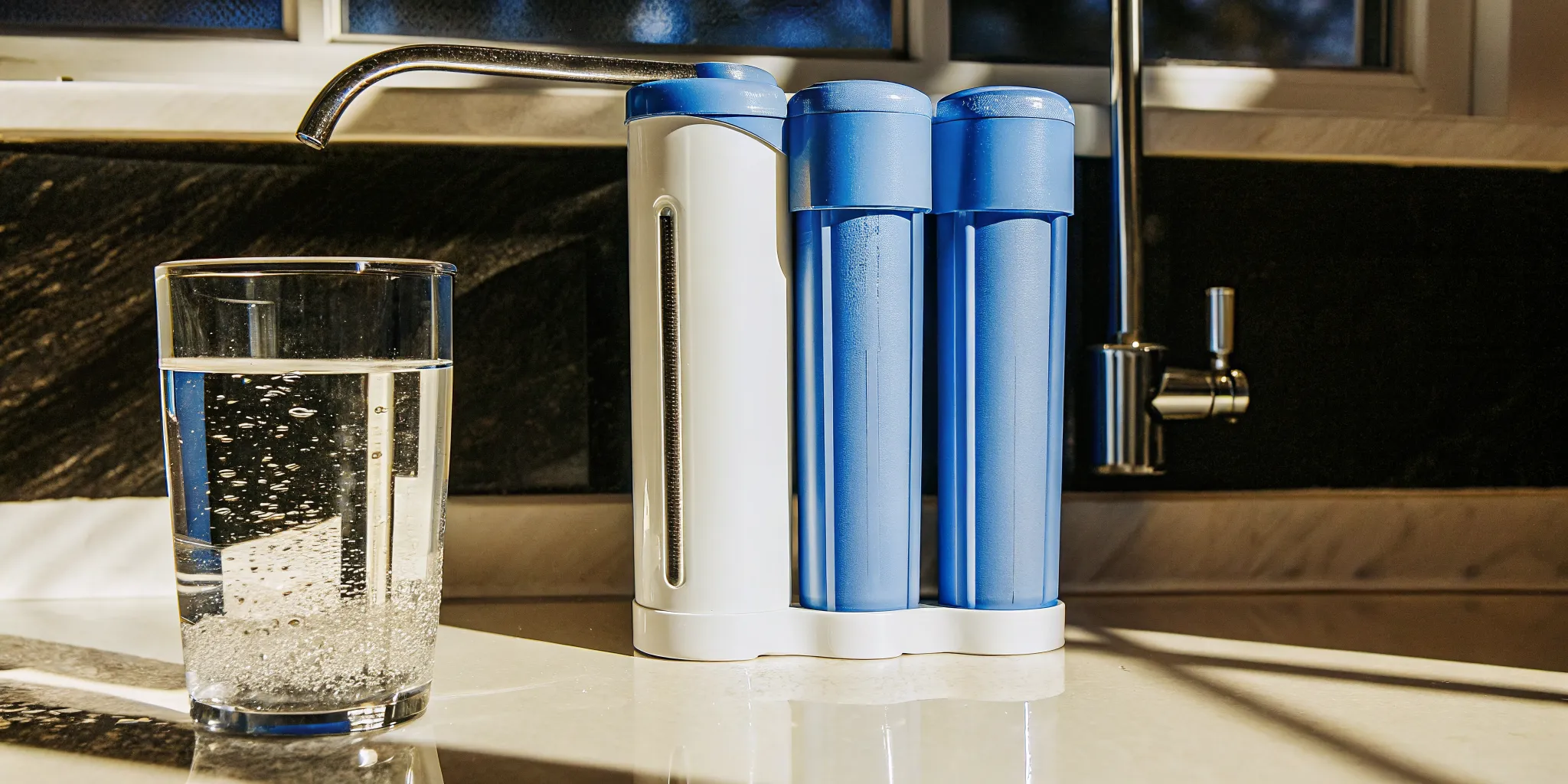
You want to feel confident about the water your family drinks every day. While Minnesota water is treated, concerns about contaminants like lead from old pipes, nitrates, or other impurities are valid. A standard filter helps with taste, but a reverse osmosis system provides a much higher level of protection. It acts as a final barrier, removing a wide spectrum of dissolved solids and contaminants that other methods miss. Installing a water osmosis system is about gaining peace of mind. This guide will explain what these systems remove and how a free water test can reveal exactly what's in your tap water.
Need clear answers about your water? Schedule free water testing with Loon Lakes Water Systems before choosing equipment.
Key Takeaways
- RO provides next-level purification: Unlike basic filters that only improve taste, a reverse osmosis system removes a wide spectrum of serious contaminants, including lead, arsenic, and nitrates, giving you truly pure drinking water.
- Start with a water test: Before choosing any system, get your water professionally tested. This is the only way to know exactly what contaminants you are dealing with and select a solution that effectively targets your home's specific water quality issues.
- Maintenance protects your investment: An RO system is not a set-it-and-forget-it appliance. Following a simple schedule for changing filters is essential to protect your investment and guarantee it continues to deliver pure, safe water for years to come.
What is a Reverse Osmosis System?
If you've ever wished for water that's as clean and pure as the bottled kind, but straight from your kitchen tap, you're probably thinking of a reverse osmosis system. Often called an RO system, this is one of the most effective ways to filter your home's drinking water. It's an advanced, multi-stage process that goes far beyond a simple pitcher filter to remove a huge range of contaminants. Think of it as a high-tech gatekeeper for your water, ensuring only the cleanest, purest H2O makes it into your glass. Let's break down exactly how it works.
How Does Reverse Osmosis Work?
The magic of reverse osmosis happens in a few key steps. First, your tap water enters the system and passes through pre-filters, typically a sediment filter and a carbon filter. These initial stages catch the big stuff: dirt, rust, sand, and chlorine. Removing these particles first is important because it protects the most critical part of the system, the RO membrane, from getting clogged or damaged. Once the water is pre-filtered, your home's water pressure pushes it toward the membrane. This is where the real purification happens, separating the pure water molecules from the unwanted contaminants left behind.
The Role of the Semipermeable Membrane
The semipermeable membrane is the star of the show. Imagine a screen with incredibly tiny holes, about 0.0001 microns in size; that's thousands of times smaller than a human hair. This membrane is so fine that it only allows water molecules to pass through. Everything else, like dissolved salts, heavy metals (think lead and arsenic), and other chemical impurities, is too large to squeeze through the pores. These rejected contaminants are then flushed away, leaving you with exceptionally pure water. It's this highly selective barrier that makes reverse osmosis drinking water systems so effective at producing clean, great-tasting water for your family.
How is RO Different from Standard Filtration?
You might be wondering how an RO system compares to the filter in your fridge or a countertop pitcher. While standard filters are great for improving taste and odor by reducing chlorine, they have their limits. Reverse osmosis is a much more comprehensive filtration method. It's designed to remove a significantly wider spectrum of contaminants that standard filters simply can't catch. We're talking about things like dissolved solids, nitrates, fluoride, arsenic, and lead. If you're concerned about more than just the taste of your water, an RO system provides a higher level of protection. A free water test is the best way to know exactly what's in your water and which type of filtration is right for you.
What Does a Reverse Osmosis System Remove from Water?
A reverse osmosis (RO) system is one of the most powerful tools you can have for improving your home's drinking water. Think of it as a super-fine filter that works at the molecular level. By pushing water through a special semipermeable membrane, it separates pure water molecules from a huge list of unwanted substances. The result is water that's not just cleaner and safer, but also tastes noticeably better right from the tap.
This process is incredibly effective, but it's also specific. It targets certain types of contaminants while letting others pass by, which is why RO systems often include additional filtration stages. Understanding what an RO system does, and doesn't, remove is key to deciding if it's the right solution for your home. It's also important to address the common question about whether it strips away beneficial minerals along with the bad stuff. We'll walk through exactly what you can expect from one of our reverse osmosis drinking water systems so you can feel confident about the water your family is drinking.
Contaminants an RO System Filters Out
Reverse osmosis is a powerhouse when it comes to purification. It's designed to remove a wide spectrum of contaminants that you definitely don't want in your drinking water. The semipermeable membrane is so fine that it can block particles larger than a water molecule. This includes heavy metals like lead and arsenic, which can have serious health effects.
It also effectively removes nitrates, fluoride, and total dissolved solids (TDS), which are dissolved salts and minerals that can give water an unpleasant taste. In fact, some systems can remove up to 99% of more than 150 different impurities. This is why RO is one of the most effective water filtration technologies available for residential use, giving you peace of mind with every glass.
What an RO System Doesn't Filter Out
While RO systems are fantastic, they aren't designed to remove everything. Certain dissolved gases, like chlorine, can sometimes pass through the membrane. This is why most quality RO systems include carbon pre-filters and post-filters. These additional stages are specifically there to capture chlorine and other volatile organic compounds (VOCs) that affect taste and odor, ensuring the final product is crisp and clean.
It's also important to know that standard RO systems are not intended to treat water with significant bacterial or viral contamination. If your water source has microbiological issues, an ultraviolet (UV) purification system might be needed alongside the RO unit. The best way to know exactly what your water needs is to start with a professional analysis. A free water test will identify the specific contaminants in your supply and help us recommend the perfect solution.
Does RO Remove Healthy Minerals?
This is one of the most common questions we hear, and it's a valid one. The answer is yes, the reverse osmosis process does remove minerals like calcium and magnesium along with harmful contaminants. However, this isn't a cause for health concerns. The vast majority of essential minerals our bodies need come from the food we eat, not the water we drink. You'd have to drink gallons of mineral-rich water to get the same amount of calcium as you would from a single glass of milk.
For those who prefer the taste of mineral water or want to add those elements back in, many modern RO systems offer a solution. You can opt for a system with a dedicated remineralization filter that adds a healthy blend of minerals back into the water after the purification process is complete. This gives you the best of both worlds: pure, clean water with the added benefit of healthy minerals.
Start with water testing.
Loon Lakes Water Systems helps Minnesota homeowners understand hardness, iron, sulfur odor, drinking water concerns, and equipment issues before recommending a solution.
Schedule Free Water TestingWhat Are the Benefits of an RO Drinking Water System?
Installing a reverse osmosis (RO) system is about more than just getting a new piece of equipment under your sink; it's about upgrading your quality of life. The advantages show up in your daily routine, from the taste of your morning coffee to the peace of mind you have when your kids grab a glass of water. An RO system brings convenience, safety, and even long-term savings right to your kitchen tap. If you're tired of dealing with off-tasting water or constantly buying plastic bottles, understanding these benefits is the first step toward a better solution for your home.
Enjoy Cleaner, Better-Tasting Water
The most immediate change you'll notice with an RO system is the dramatic improvement in your water's taste and smell. That crisp, clean taste you expect from a fresh bottle of water can come straight from your faucet. This is because RO systems are incredibly effective at purification, removing up to 99% of total dissolved solids (TDS). This includes minerals that cause hardness, salts, and chemicals like chlorine that often give tap water a distinct "off" taste. By filtering these out, a reverse osmosis system leaves you with pure, refreshing water that makes everything from your morning coffee to your cooked pasta taste better.
Support Your Family's Health and Safety
Knowing exactly what's in the water your family drinks provides incredible peace of mind. RO systems go beyond simple taste and odor filters to remove a wide range of potentially harmful contaminants. According to the EPA, this can include lead from old pipes, industrial chemicals like PFAS, arsenic, and certain bacteria or viruses. For Minnesota families, especially those with young children or elderly members, this added layer of protection is invaluable. The first step to ensuring your water is safe is to understand what's in it. A free water test can identify specific issues, helping you confirm that an RO system is the right choice for protecting your household's health.
Save Money on Bottled Water
If your recycling bin is constantly overflowing with plastic water bottles, an RO system can be a game-changer for both your wallet and the environment. While there is an initial investment, the long-term savings are significant. An RO system produces purified water for just pennies per gallon, making it far more cost-effective than continuously buying cases of bottled water. Think about how much you spend on bottled water each month or year; that money can be reinvested into a permanent solution for your home. Plus, you'll drastically reduce your household's plastic waste and never have to lug a heavy case of water home from the grocery store again.
Is a Reverse Osmosis System Worth It? The Pros and Cons
Deciding whether to install a reverse osmosis system is a big step. Like any home upgrade, it comes with clear benefits and a few potential drawbacks. Thinking through both sides is the best way to figure out if an RO system is the right fit for your home and family. Let's break down the main points to consider so you can make a choice you feel confident about.
The Upsides
The biggest advantage of a reverse osmosis system is the exceptional quality of the water it produces. These systems are incredibly effective, removing up to 99% of total dissolved solids (TDS). This includes a long list of contaminants you definitely don't want in your glass, such as lead, arsenic, nitrates, and chlorine. The result is water that isn't just safer, but also tastes and smells noticeably cleaner and fresher. Over time, you'll also save a significant amount of money by ditching bottled water. Instead of constantly buying plastic bottles, you get pristine water right from your tap for just pennies per gallon. It's a smart investment for both your health and your wallet.
The Downsides
One of the most common concerns about RO systems is water waste. It's true that older models sent a lot of water down the drain during the filtration process. However, modern RO systems are much more efficient, with some high-quality models achieving a near 1:1 ratio of clean water to wastewater. Another point of discussion is mineral removal. While RO does remove healthy minerals like calcium and magnesium, most people get the majority of these minerals from food, not water. For those who are concerned, remineralization filters can be added to reintroduce beneficial minerals. The best way to know if an RO system is even necessary for your home is to understand what's in your water first, which is where a free water test can provide a clear answer.
Busting Common Myths About Reverse Osmosis
Reverse osmosis systems get a lot of attention, but they also come with a lot of questions and, frankly, some misinformation. It can be tough to separate fact from fiction when you're just trying to figure out the best way to get clean, safe water for your family. Let's clear up a few of the most common myths you might have heard so you can make a decision with confidence. Getting straight answers from a local expert who understands Minnesota water is always the best first step.
Myth: "RO water is unhealthy because it lacks minerals."
This is probably the most common concern I hear, and it's an understandable one. While it's true that reverse osmosis drinking water systems remove minerals along with contaminants, this doesn't make the water unhealthy. The reality is that we get the vast majority of our essential minerals like calcium and magnesium from our food, not our drinking water. You'd have to drink gallons and gallons of water to get the same amount of minerals found in a single serving of leafy greens. The main job of water is hydration, and an RO system provides incredibly pure water, free from harmful contaminants, to do just that.
Myth: "RO systems waste too much water."
It's true that the reverse osmosis process uses water to flush away the filtered contaminants. Early RO systems weren't very efficient, and this reputation has stuck around. However, modern technology has come a long way. Many of today's high-efficiency systems have drastically reduced the amount of water used in the process, with some achieving a nearly 1:1 ratio of pure water to wastewater. When you work with a professional, they can help you choose a modern, efficient system that conserves water while still delivering top-tier filtration.
Myth: "RO systems are expensive to maintain."
Looking at the initial price and filter replacement costs can feel like a lot, but it's important to see the bigger picture. Think about how much you currently spend on bottled water each year; for many families, that cost adds up quickly. An RO system is an investment that often pays for itself over time by eliminating the need for single-use plastic bottles. The best way to understand the true value is to start with a clear picture of your water quality. A free water test can show you exactly what's in your water, helping you decide if an RO system is a worthwhile investment for your home.
How to Choose the Right RO System
Picking a reverse osmosis system can feel a little overwhelming with all the options out there. But it really just comes down to matching the right features to your home's specific needs. Think of it less like a test and more like a checklist. We'll walk through the key things to look for, so you can feel confident you're making the best choice for your family. Getting clear on these factors will help you find a system that delivers pure, great-tasting water for years to come.
Look for NSF Certifications
When you start comparing systems, one of the first things you should look for is an NSF/ANSI certification. Think of it as a seal of approval from a trusted, independent organization that verifies a water treatment system is safe and effective. This certification confirms that the system actually removes the contaminants it claims to, meeting strict public health standards. A manufacturer can say anything about their product, but an NSF certification means it has been rigorously tested and proven to perform. It's a simple way to filter out the low-quality options and focus on reliable, effective systems that will truly protect your family's health.
Consider Filtration Stages and Remineralization
RO systems work by pushing water through several filters. A typical setup includes pre-filters for sediment and chlorine, the reverse osmosis membrane that does the heavy lifting, and a post-filter to polish the taste. Some systems have more stages for even purer water. Because RO is so effective, it also removes beneficial minerals like calcium and magnesium. To solve this, many modern systems include a remineralization stage that adds these healthy minerals back in, which can improve the water's taste and alkalinity. The right number of stages for you depends on your water quality, which is something a free water test can easily determine for your specific Minnesota home.
Evaluate Flow Rate and Capacity
Have you ever been stuck waiting for a slow filter pitcher to fill up? You'll want to avoid that with your RO system. A system's capacity is measured in gallons per day (GPD), which tells you how much purified water it can produce in 24 hours. A smaller household might be perfectly happy with a 50 GPD system, but a larger family that drinks a lot of water and uses it for cooking will appreciate a higher capacity of 75 GPD or more. A higher flow rate ensures you have a strong, steady stream of pure water right when you need it, without the wait.
Check the Water Efficiency Ratio
One of the old knocks against RO systems was that they wasted a lot of water. While older models were inefficient, modern technology has changed the game. The efficiency is described as a ratio of waste water to purified water. For example, a 3:1 ratio means three gallons of water go down the drain for every one gallon of pure water produced. Today, you can find high-efficiency systems with much better ratios, like 2:1 or even 1:1. Choosing an efficient model not only helps conserve water, which is always a good thing, but it can also help keep your water bill a little lower.
Decide Between Tank and Tankless Designs
You'll also need to choose between a system with a storage tank and a tankless design. Traditional RO systems use a small tank stored under the sink to hold a reserve of purified water, ensuring it's ready when you turn on the faucet. Tankless systems, on the other hand, purify water on demand. Tankless models are a great space-saver and provide an endless supply of fresh water, but they often come with a higher price tag. A system with a tank is typically more affordable and ensures you have water even if the power goes out. Consider your under-sink space and budget to decide which style is the best fit for your kitchen.
Plan for Filter Replacements
A reverse osmosis system is not a "set it and forget it" appliance. To keep it running efficiently and ensure your water stays pure, you'll need to replace the filters and membrane regularly. Clogged filters can slow your water flow, strain the system, and eventually stop removing contaminants effectively. Before you buy a system, look into the recommended replacement schedule and the cost of the filters. Most pre- and post-filters need to be changed every 6 to 12 months, while the RO membrane can last for two to three years. Factoring these ongoing maintenance costs into your budget from the start will help you maintain your system for peak performance.
How Much Does a Reverse Osmosis System Cost?
When you're thinking about the cost of a reverse osmosis system, it helps to look at three main parts: the initial price of the unit, the ongoing upkeep for filters, and the cost of installation. Understanding the full picture helps you see the long-term value of having pure, clean water on demand. While it's an investment, many families find that it pays for itself over time, especially when they stop buying bottled water.
Let's break down what you can expect to spend at each stage. This will give you a clear idea of the total commitment and help you budget for your new system without any surprises. Remember, the right system for your home depends on your water quality, which is why starting with a water test is always the best first step.
The Initial System Cost
The upfront cost of the system itself is where you'll make your first investment. High-quality under-sink RO systems that sit neatly out of sight typically range from $150 to $400. This price usually includes the main filtration unit, a storage tank, and a dedicated drinking water faucet that gets installed right on your sink. The exact price depends on the brand, the number of filtration stages, and any extra features like a remineralization filter. Think of this as the one-time purchase that gets you set up for years of better-tasting water.
Ongoing Filter and Maintenance Costs
To keep your RO system running efficiently, you'll need to replace the filters regularly. This is the main ongoing cost. Most systems have pre-filters and post-filters that need to be replaced every six to 12 months. The core of the system, the reverse osmosis membrane, is more durable and usually lasts two to three years before it needs swapping out. These replacement costs are typically modest and are a crucial part of your system's long-term support. Some people also choose to add a remineralization filter to add beneficial minerals like calcium and magnesium back into the water, which may have its own replacement schedule.
The Cost of Professional Installation
While some handy homeowners might tackle installation themselves, getting an under-sink RO system set up correctly involves plumbing connections that are best left to a professional. A pro ensures there are no leaks and that the system operates at peak performance from day one. This peace of mind is well worth the installation cost. Before you even choose a system, a great first step is to schedule a free water test. A specialist can analyze your water, recommend the perfect system for your home's specific needs, and give you a clear, all-in-one quote for the unit and installation.
Under-Sink vs. Whole-Home: Which RO System Fits Your Life?
When you decide to bring reverse osmosis into your home, the next big question is where you need that purified water the most. The choice between an under-sink system and a whole-home system comes down to your specific goals, your home's water quality, and your budget. One provides targeted purity right where you use it most, while the other offers a complete solution for every faucet in your house. Let's look at how each one works so you can figure out the best fit for your family.
Under-Sink Systems for Targeted Purity
If your main goal is to have exceptionally pure water for drinking and cooking, an under-sink reverse osmosis system is a fantastic and popular choice. These compact units, also known as point-of-use systems, are installed right under your kitchen sink. They connect to a special, dedicated faucet to deliver purified water on demand. This means every glass of water you drink and every pot of soup you cook starts with the cleanest possible water. It's an efficient way to get the benefits of RO filtration for consumption without the expense of treating all the water in your home. These under-sink systems are perfect for tackling bad tastes or specific contaminants in your drinking water.
Whole-Home Systems for Total Coverage
For those who want comprehensive water purity everywhere, a whole-home reverse osmosis system is the ultimate solution. Also called a point-of-entry system, this unit is installed where the main water line enters your house, treating every drop of water you use. This means you get purified water not just from the kitchen sink, but from your bathroom faucets, showers, and even in your washing machine and dishwasher. A whole-home system is ideal if you're dealing with widespread water issues or want to protect your family and your home's plumbing from contaminants. It ensures that the water you bathe in is just as clean as the water you drink, providing total peace of mind.
Point-of-Use vs. Point-of-Entry Explained
You'll hear the terms "point-of-use" (POU) and "point-of-entry" (POE) a lot when researching water systems, and the difference is simple. A point-of-use system treats water at a single fixture, like the dedicated faucet that comes with an under-sink RO unit. It's designed for a specific purpose, like drinking water. In contrast, a point-of-entry system treats all the water entering your home, providing filtered water to every tap and appliance. Understanding this distinction is key to choosing the right solution. If you only want to improve your drinking water, POU is perfect. If you want to solve water problems throughout your entire house, POE is the way to go.
How to Maintain Your Reverse Osmosis System
Once your reverse osmosis system is installed, a little routine care will keep it running smoothly for years. Think of it like changing the oil in your car; these simple steps protect your investment and ensure you're always getting the purest, best-tasting water possible. Proper maintenance guarantees your system operates at peak efficiency, prevents potential issues, and continues to remove contaminants effectively.
Most of the upkeep is straightforward and just involves keeping an eye on a few key components. Setting a few reminders on your calendar is all it takes to stay on top of the schedule. And if you ever feel unsure, remember that professional support is always available. At Loon Lakes, we don't just install systems; we provide comprehensive long-term support to help you maintain your equipment, giving you total peace of mind. Taking care of your RO system is the best way to make sure it takes care of you and your family.
Stick to a Filter Replacement Schedule
The most important part of maintaining your RO system is changing the filters on time. These filters do the heavy lifting, and over time, they get clogged with the contaminants they remove from your water. A clogged filter can slow down water flow and reduce the system's effectiveness. Generally, the pre-filters and post-filters should be replaced every 6 to 12 months. The reverse osmosis membrane itself is more durable and typically lasts two to three years. We can help you identify the right replacement filters and set a schedule that makes sense for your specific system and water usage.
Sanitize the System and Monitor Water Pressure
To keep your system hygienic and running efficiently, it's a good idea to sanitize it annually. This process cleans the storage tank and water lines, preventing any potential for bacteria to grow. You should also keep an eye on your water pressure. A sudden drop in pressure can be a sign that your filters are clogged or that there's another issue that needs attention. Taking care of your system properly ensures it will last a long time. While some homeowners handle this themselves, many prefer to have a professional from a company like Loon Lakes Water Systems manage it during an annual service visit.
Check for Leaks and Flush the System Regularly
A quick visual inspection now and then can save you a lot of trouble. Check the connections and tubing around your RO system for any signs of drips or leaks. Catching a small leak early prevents water damage and waste. It's also important to flush the system periodically, especially if you have a model with a storage tank. This clears out any sediment and keeps the membrane working efficiently. If you're ever concerned that your system isn't performing as it should, a professional water analysis can provide clear answers. You can always schedule a free water test to confirm your water quality.
Is an RO System Right for Your Minnesota Home?
Deciding on a water treatment solution can feel like a big task, but it really comes down to your specific needs. For many Minnesota homeowners, a reverse osmosis system is an excellent choice for ensuring the water from your tap is as pure and clean as possible. While water softeners are fantastic for tackling the hard water found across our state, an RO system goes a step further. It targets the microscopic contaminants that a softener doesn't, giving you total confidence in your drinking water.
Solving Common Minnesota Water Issues
Minnesota's water can contain more than just hardness minerals. Depending on your location, your water might have elevated levels of nitrates from agricultural runoff, dissolved solids, or even contaminants like arsenic. Reverse osmosis is one of the most effective filtration methods for handling these specific issues. An RO system uses a special membrane to remove impurities like lead, chlorine, fluoride, and dissolved salts. By filtering out these invisible particles, you get water that's not just safer to drink but also tastes and smells significantly better. It's a targeted solution for the purity concerns that many of us have.
How a Free Water Test Can Guide Your Decision
You can't solve a problem you don't understand, and the same is true for your water. The first step toward better water is always a professional analysis. Choosing the right system requires a clear picture of your home's unique water quality. A comprehensive test reveals exactly what's in your water, from mineral content to specific contaminants. This information is key to deciding if an RO system is the right fit. We offer a free water test to give you the data you need to make a confident and informed decision, ensuring you invest in a solution that directly addresses your home's needs.
Why Professional Installation Matters
While some countertop RO filters are simple to set up, a high-performance under-sink system requires more expertise. The plumbing connections for these systems need to be handled correctly to prevent leaks and ensure the unit operates efficiently. Professional installation and support guarantees that your system is set up for optimal performance from day one. A local expert can also make sure the system is properly integrated with your existing plumbing and answer any questions you have about maintenance. This way, you can relax and enjoy the benefits of pure water without worrying about the technical details.
Frequently Asked Questions
I've heard RO systems remove healthy minerals. Is the water bad for you? This is a very common concern, but you can rest easy. While reverse osmosis does remove minerals like calcium and magnesium, the water it produces is not unhealthy. We get the vast majority of our essential minerals from food, not from the water we drink. The primary purpose of water is hydration, and an RO system provides exceptionally pure water for that job. If you prefer the taste of mineral water, you can always add a remineralization filter to your system, which puts a healthy blend of minerals back in after the purification process.
Do I need a reverse osmosis system if I already have a water softener? That's a great question, and it highlights how different systems have different jobs. Think of a water softener as a solution for your whole house, protecting your pipes and appliances from hard water scale buildup. A reverse osmosis system is a specialist for your drinking water. It installs at your kitchen sink to remove a much wider range of microscopic contaminants that affect taste, smell, and safety, things a softener isn't designed to catch. Many Minnesota homes benefit from having both systems working together.
How much maintenance does an RO system actually require? The upkeep is quite simple and predictable. The main task is replacing the filters to keep the system working effectively. Most of the sediment and carbon filters need to be changed every six to twelve months, which is a quick job. The reverse osmosis membrane itself is the core of the system and typically lasts for two to three years. Setting a calendar reminder is all it takes to stay on top of the schedule and ensure you always have pure water.
Will I really save money by installing an RO system? If you're a regular buyer of bottled water, the answer is almost certainly yes. Take a moment to think about what you spend on cases of water each month. An RO system has an upfront cost, but it produces purified water for just pennies per gallon. Over time, that initial investment is often paid back by the money you save from no longer needing to buy single-use plastic bottles. Plus, you get the convenience of having an endless supply of great-tasting water right at your tap.
Why is a water test necessary before choosing a system? Your water is unique. Even in the same neighborhood, water quality can vary from one house to the next. A water test acts like a diagnostic tool, giving us a clear picture of exactly what is in your water, from hardness levels to specific contaminants like arsenic or nitrates. Without this information, you'd just be guessing. A professional water test ensures you get a system that is perfectly matched to solve your specific water problems, so you can be confident you're investing in the right solution.
Ready for better water?
Call 612-930-0156 or request a free water test. We will explain what is in your water and help you choose the right next step.
Request Free Water Testing