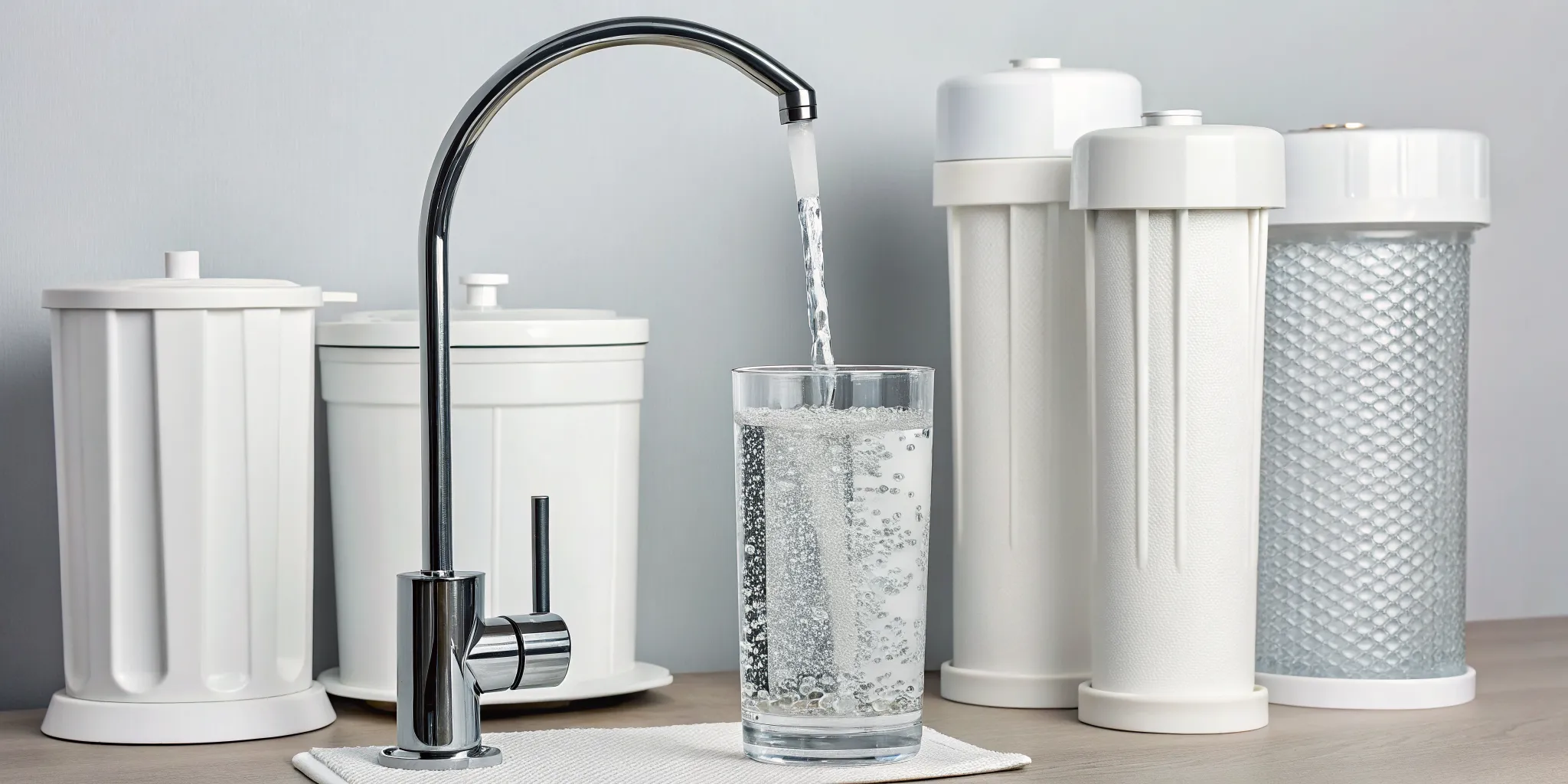
That reddish-brown stain in your sink that never seems to scrub away? The chalky white film on your shower door? That faint "swimming pool" smell from your kitchen tap? These aren't just quirks of your house; they're signs that your water is carrying unwanted passengers. Here in Minnesota, our water often contains minerals, chemicals, and other contaminants that affect its taste, smell, and performance. The good news is you don't have to live with it. The right water purification systems are designed to target these specific issues, giving you cleaner, safer, and better-tasting water. This guide will walk you through how to identify your home's water problems and find the perfect solution.
Need clear answers about your water? Schedule free water testing with Loon Lakes Water Systems before choosing equipment.
Key Takeaways
- Start with a water test: Before choosing any system, get a professional water analysis. This is the only way to know exactly what's in your water, removing the guesswork and ensuring you solve the right problem from the start.
- Pair the right tool with the job: Different systems target different issues, so a water softener won't fix an iron problem. Your test results will act as a guide, helping you match the correct technology to the specific contaminants in your water.
- Choose between whole-house or point-of-use: Think about your main goals. A whole-house system treats every drop of water to protect your plumbing and appliances, while a point-of-use system is a great, targeted solution for getting pure water right at your kitchen sink.
What Is a Water Purification System?
At its core, a water purification system is a process or device that removes undesirable chemicals, biological contaminants, suspended solids, and gases from water. Think of it as a highly specialized gatekeeper for your home's water supply. Its job is to catch and remove impurities before the water ever reaches your tap, showerhead, or washing machine. The goal is to produce water that is safer, clearer, and better-tasting for drinking, cooking, and cleaning.
Here in Minnesota, our water can carry a variety of passengers, from the minerals that cause hard water spots to the iron that leaves reddish-brown stains in your sink. City water is treated with chlorine, which can affect taste and smell, while private well water might contain bacteria or other natural contaminants. A purification system is designed to target these specific issues. By installing one of our water treatment solutions, you're not just getting a filter; you're getting a customized setup designed to address exactly what's in your water, giving you peace of mind with every drop.
How Do Water Purification Systems Work?
Different systems use different technologies to clean your water, and they often work together for the best results. One of the most common methods is reverse osmosis (RO), which forces water through a super-fine membrane to remove dissolved solids, heavy metals, and other tiny particles. Another popular method is activated carbon filtration, where carbon acts like a sponge to absorb things like chlorine, chemicals, and unpleasant tastes or odors. For targeting biological contaminants, ultraviolet (UV) purification uses a special light to neutralize bacteria and viruses without adding any chemicals to your water. The right system for you depends entirely on what's in your water to begin with.
Why Your Minnesota Water Source Matters
The water flowing into your home comes from one of two places: a municipal supply (city water) or a private well. This distinction is the single most important factor in choosing a purification system. City water is treated to be safe, but it often contains chlorine and can pick up contaminants on its way to you. Well water, on the other hand, is untreated and can contain iron, manganese, sulfur, or even bacteria from the surrounding ground. A system designed for city water won't be effective against well water problems, and vice versa. That's why starting with a free water analysis is so important. It tells us exactly what we're dealing with so we can recommend a solution that truly fits your home's needs.
Common Types of Water Purification Systems
Walking through the world of water purification can feel like learning a new language. With so many technologies available, it's easy to get overwhelmed. The key is to remember that each system is designed to solve a specific problem. There isn't a single "best" system, only the one that's best for your water. Understanding what each type does will help you make an informed choice, and it all starts with knowing what's in your water in the first place. A professional free water analysis is the perfect starting point to identify the exact contaminants you need to address, guiding you to the right solution for your home.
Reverse Osmosis (RO)
Think of Reverse Osmosis (RO) as the ultimate fine-mesh filter for your drinking water. Reverse Osmosis (RO) systems are incredibly effective because they use high pressure to force water through a special membrane with microscopic pores. This process is great at removing a wide range of contaminants, including dissolved solids (TDS), lead, and even emerging concerns like PFAS. While older models used storage tanks, many modern RO systems now have tankless designs. Some even include a remineralization stage that adds back healthy minerals like calcium and magnesium, ensuring your purified water tastes crisp and refreshing right from the tap.
Activated Carbon Filtration
If your main complaints are about the taste and smell of your water, an activated carbon filter might be what you need. This is one of the most common and trusted methods for water treatment. Activated Carbon Filtration works like a sponge, using a special porous carbon material to absorb impurities. It's particularly good at trapping chlorine, which is often the cause of that "pool water" smell in city water. It also effectively reduces volatile organic compounds (VOCs) and other chemicals that create unpleasant tastes and odors. You'll find this technology in everything from simple pitcher filters to more robust under-sink systems.
Ultraviolet (UV) Purification
When your water concerns are less about minerals and more about microscopic living organisms, Ultraviolet (UV) purification is the answer. This technology doesn't filter water in the traditional sense; instead, it sterilizes it. Ultraviolet (UV) Purification systems use a special lamp that exposes water to UV light, which deactivates the DNA of bacteria, viruses, and other pathogens, preventing them from reproducing and causing illness. It's a chemical-free way to ensure your water is biologically safe. UV systems are often paired with other filtration methods, like RO or carbon filters, to provide a complete barrier against a wide range of contaminants.
Water Softeners and Ion Exchange
If you see white, crusty buildup on your faucets and showerheads, you're dealing with hard water. Here in Minnesota, it's a common problem. Water softeners are specifically designed to tackle this issue using a process called ion exchange. They work by swapping out the "hard" minerals, primarily calcium and magnesium, for "soft" sodium or potassium ions. The result is water that's much gentler on your plumbing, fixtures, and appliances like dishwashers and water heaters. Softer water also helps soaps lather better, leaving your skin feeling smoother and your clothes looking brighter.
Whole-House Water Conditioners
For a solution that treats every drop of water in your home, a whole-house system is the way to go. Unlike point-of-use filters that only treat water at a specific tap, Whole-House Filtration systems are installed on your main water line. This means the water you use for showering, laundry, and cooking is just as clean as the water you drink. These systems can be customized to target the specific issues found in your water test, from reducing chlorine to filtering out sediment. By treating water at the source, you also improve your home's air quality by reducing contaminants that can be released in shower steam.
Start with water testing.
Loon Lakes Water Systems helps Minnesota homeowners understand hardness, iron, sulfur odor, drinking water concerns, and equipment issues before recommending a solution.
Schedule Free Water TestingWhat Contaminants Do Water Purifiers Remove?
Water purification systems are not a one-size-fits-all solution because every water source is unique. A system that works wonders for your neighbor might not address the specific issues in your home's water. The key is to match the technology to the contaminant. Whether you're dealing with hard water buildup, strange smells, or concerns about invisible chemicals, there's a system designed to tackle it. Understanding what these systems can remove is the first step toward getting cleaner, safer, and better-tasting water from every tap. The best way to know exactly what you're dealing with is to start with a professional water analysis.
Hardness Minerals
If you see chalky white residue on your faucets and shower doors or find that your soap and shampoo don't lather well, you're likely dealing with hard water. The culprits are hardness minerals, mainly calcium and magnesium. While not harmful to your health, they can be a real nuisance. This mineral buildup, called scale, can clog your pipes and reduce the efficiency and lifespan of water-using appliances like your dishwasher and water heater. A water softener is specifically designed to reduce these minerals, leaving you with water that's gentler on your skin, your plumbing, and your appliances.
Iron, Manganese, and Sulfur
Few things ruin a glass of water faster than a metallic taste or a "rotten egg" smell. In Minnesota, it's common for well water to contain iron, manganese, and sulfur. Iron is notorious for leaving reddish-brown rust stains on sinks, tubs, and laundry, while manganese can cause dark, blackish stains. Sulfur is the source of that unpleasant odor. Thankfully, you don't have to live with it. Specialized iron filtration systems are incredibly effective at removing these elements. The result is clear, great-tasting water that is much more pleasant for drinking, cooking, and bathing.
Bacteria and Viruses
For homes on private wells, microbiological contaminants like bacteria and viruses are a potential concern since the water isn't treated by a municipal facility. Even city water can be at risk if there's a water main break. A water purifier with an ultraviolet (UV) filter provides a powerful line of defense against these invisible threats. As water passes through the system, UV light zaps microorganisms, rendering them harmless. This technology can eliminate up to 99.8% of bacteria and viruses, giving you peace of mind that your family's drinking water is safe and pure without adding any chemicals.
Chlorine and Chemicals
Municipal water treatment plants often use chlorine to disinfect the water supply, which is important for safety but can leave your water with a swimming pool-like taste and smell. Beyond chlorine, water can pick up other contaminants on its journey to your home, including industrial chemicals, pesticides, and lead from old pipes. Activated carbon filters are excellent at adsorbing these compounds. A quality whole-house system can effectively remove a wide range of contaminants, giving you water that is not only safer but also tastes and smells much cleaner right from the tap.
Whole-House vs. Point-of-Use: Which Is Right for You?
Choosing a water purification system can feel like a big decision, but it really comes down to one key question: do you want to treat all the water in your home, or just the water at a specific tap? There's no single "best" answer; the right choice depends on your water test results, your home's needs, and your budget.
A whole-house system is a comprehensive solution that treats water as it enters your home, ensuring every faucet, shower, and appliance gets filtered water. A point-of-use system is a more targeted approach, filtering water at a single location, like your kitchen sink. Let's break down the differences to help you figure out which path is the right one for you and your family.
Whole-House Systems
If you're dealing with issues like hard water scaling up in your pipes, iron stains in your sinks, or a chlorine smell every time you shower, a whole-house system is likely the solution you're looking for. These systems are installed on your main water line, purifying every drop of water that enters your home. This means you get the benefits of clean water not just for drinking, but also for bathing, laundry, and cooking. Treating all your water can also extend the life of your pipes and water-using appliances. The ultimate goal of these systems is to support a healthier home environment by providing clean, safe water from every tap.
Under-Sink and Faucet Systems
Maybe your water test came back mostly clear, but you're still concerned about the taste and quality of your drinking water. This is where point-of-use systems shine. These filters are installed at a single location, most commonly the kitchen sink. Under-sink units are tucked away out of sight, while faucet-mounted filters attach directly to your tap. Many of these systems use powerful technology, and some of the most effective are Reverse Osmosis filters, which can remove a very wide range of contaminants. This approach is a great, cost-effective way to get high-purity water for drinking and cooking without committing to a whole-house installation.
Countertop and Portable Options
If you're a renter or simply not ready to install a permanent system, you still have great options for better water. Countertop filters are easy to set up and can provide a steady supply of purified water, while pitcher filters offer grab-and-go convenience. These are excellent for improving the taste and smell of your water and reducing common contaminants like chlorine. Even simple, portable water filters can use sophisticated technology like carbon and UV light to ensure your drinking water is clean and safe. They offer flexibility and are a perfect starting point for anyone looking to improve their water quality without a big commitment.
Breaking Down the Cost of Water Purification
Thinking about a water purification system for your home is a lot like any other major home improvement project. The first question on your mind is probably, "What's this going to cost me?" It's a fair question, and the answer isn't just a single price tag. The total cost is a combination of the initial purchase and installation, the routine upkeep it requires, and the incredible value it adds to your home and health over the years.
The right system for you depends entirely on what's in your water. A home with hard city water will need a different solution than a home on a private well dealing with iron and sulfur. That's why understanding your specific water quality issues is the first step. From there, you can get a clear picture of the true investment, which we can break down into three main parts.
Initial Installation Costs
The upfront cost of a water purification system can vary quite a bit, and it's influenced by a few key factors. The biggest one is the type of system you need. A simple under-sink filter for drinking water will naturally have a lower initial cost than a comprehensive whole-house system that treats every drop of water entering your home. The complexity of your home's plumbing and whether you're on city or well water also play a role. Professional installation is crucial to make sure everything works perfectly from the start, and this service is typically part of the initial investment. When you partner with a local expert, you get customized water solutions designed specifically for your home's needs, not a one-size-fits-all box.
Ongoing Maintenance and Filter Replacements
Once your system is up and running, there are some small ongoing costs for maintenance, primarily for filter replacements. Think of it like changing the oil in your car; it's essential for keeping everything in top shape. Different filters have different lifespans. For example, a sediment pre-filter might need to be changed every six to nine months, while the main carbon or reverse osmosis filters can last for many years. According to the CDC, understanding the maintenance schedule is a key part of owning home water treatment systems. Sticking to a regular replacement schedule ensures your system continues to remove contaminants effectively and your water stays clean and safe.
Long-Term Value
This is where the investment really starts to pay you back. A whole-house water system can significantly reduce your reliance on single-use plastic water bottles, saving you money and cutting down on waste. It also protects your pipes and water-using appliances like your dishwasher, washing machine, and water heater from the damaging effects of hard water scale and sediment buildup. This means fewer repairs and a longer lifespan for your appliances. Most importantly, you get the peace of mind that comes from providing your family with clean, healthy water free from contaminants like chlorine, iron, and other chemicals. It's not just an expense; it's a lasting improvement to your home and well-being.
Common Myths About Water Purification
When it comes to water quality, it's easy to get tangled in a web of conflicting advice and confusing claims. Deciding on the right water purification system for your home can feel overwhelming, but it doesn't have to be. Let's clear the air and bust a few of the most common myths I hear from homeowners. Understanding the facts will help you make a confident choice for your family's health and your home's plumbing.
Myth: "All water filters do the same thing."
This is one of the biggest misconceptions out there. The truth is, different filters are designed to solve different problems. A filter that's great for removing chlorine might do nothing for the iron causing those rusty stains in your sink. Choosing the right setup depends entirely on what's actually in your water. For example, a reverse osmosis system is excellent for removing dissolved solids and contaminants, while an activated carbon filter is a pro at getting rid of unpleasant tastes and odors. That's why starting with a free water analysis is the most important first step. It tells us exactly what we're dealing with so we can match you with the right technology.
Myth: "Bottled water is always safer than tap."
Many of us reach for bottled water thinking it's the purest option, but that's not always the case. The regulations for bottled water can be less strict than for municipal tap water, and the quality varies widely between brands. Plus, the environmental cost of single-use plastics and the financial cost of buying cases of water add up quickly. A whole-house filtration system provides a more reliable and sustainable solution. It delivers clean, great-tasting water from every faucet in your home, from the kitchen sink to the shower. You get peace of mind without the plastic waste.
Myth: "Installation is a one-and-done job."
Installing a water purification system is a fantastic investment in your home, but it's not something you can just set and forget. To keep your water clean and your system running efficiently, ongoing maintenance is essential. Filters and membranes need to be replaced on a regular schedule, typically ranging from every few months to every few years depending on the part and your water usage. This is where working with a local expert makes all the difference. We don't just install your system and disappear; we provide the comprehensive long-term support you need to ensure it performs perfectly for years to come.
What Certifications Should You Look For?
When you start looking at water purification systems, you'll see a lot of different claims and technical jargon. So, how do you know which products actually live up to their promises? This is where certifications come in. Think of them as a report card for water treatment equipment. Independent organizations test these systems to make sure they are safe, well-built, and do what they claim to do. Looking for these seals of approval is one of the easiest ways to ensure you're choosing a high-quality system for your home. The two most important certifications to look for are from the NSF and the WQA.
Understanding NSF/ANSI Standards
When you see "NSF/ANSI" on a product, it means it has been tested to meet the strict requirements set by the National Sanitation Foundation and the American National Standards Institute. These aren't just random letters; they represent a rigorous evaluation process. The NSF/ANSI standards confirm that a system's materials won't add anything harmful to your water, that it's structurally sound, and that it effectively reduces the specific contaminants it targets. For example, NSF/ANSI 42 certifies a filter's ability to reduce aesthetic issues like chlorine taste, while NSF/ANSI 53 certifies the reduction of health-concerning contaminants like lead.
The WQA Gold Seal
Another top-tier certification to look for is the Gold Seal from the Water Quality Association (WQA). The WQA is a trade organization for the water treatment industry, and its Gold Seal program is a sign of a product's commitment to safety and performance. To earn this seal, a system must pass demanding tests that verify its contaminant-reduction capabilities and material safety. What's great about the WQA Gold Seal certification is that it requires annual audits of the manufacturing facility and re-testing every few years to ensure the product continues to meet the standard. This gives you confidence that the system will perform reliably for years to come.
Why Certifications Matter for Your Home
Ultimately, certifications give you peace of mind. They provide independent proof that a water purification system can deliver on its promises, so you aren't just relying on a company's marketing claims. Choosing a certified product ensures the system you bring into your home is made from safe materials and effectively removes the contaminants that are impacting your water quality. An uncertified filter might not work as advertised, or worse, it could be made from low-quality materials that break down or add new impurities. Investing in a certified system protects your health and ensures you get real, long-term value from your purchase.
Do You Really Need a Water Purification System?
It's a fair question to ask. With so many options available, it's easy to wonder if a water purification system is a genuine necessity or just another home appliance. The truth is, the answer depends entirely on what's in your water. While municipal water is treated to be safe, it doesn't always taste, smell, or feel great. And if you have a private well, you're solely responsible for its quality. The best way to figure out if you need a system is to pay attention to the signs your water is giving you and then get a clear, data-driven picture of what's going on.
Signs Your Water Quality Is Poor
You don't have to be a scientist to spot clues that your water quality isn't what it should be. Often, your own senses are the first line of defense. If your water has a metallic taste, a rotten egg smell, or a cloudy appearance, those are clear indicators of underlying issues like iron, sulfur, or sediment. You might also notice problems that aren't as obvious at first sip. Do your soaps and detergents refuse to lather properly? Do you see reddish-brown stains on your sinks and tubs, or find that your white laundry comes out looking dingy? These are classic signs of hard water and high mineral content that a whole-home water conditioning system can fix.
Why You Should Start with a Professional Water Test
Before you spend a dime on equipment, the most important step you can take is to find out exactly what's in your water. Guessing can lead you to buy a system that doesn't solve your problem, or worse, one you don't even need. A professional water test removes all the guesswork. It identifies the specific contaminants present in your local water supply, whether it's hardness minerals, bacteria, iron, or chemicals left over from municipal treatment. Here in Minnesota, water chemistry can vary from one town to the next. That's why we offer a free water testing service to give you a precise, no-obligation analysis of your home's water and a clear path forward.
How to Choose the Right Water Purification System
Picking the right water purification system can feel like a big decision, but it doesn't have to be overwhelming. The key is to approach it methodically. Instead of guessing which system might work, you can follow a few simple steps to find a solution that's perfectly tailored to your home's specific needs. It's all about understanding your water, your household, and the technology that will give you the best results. By breaking it down, you can confidently choose a system that provides clean, safe, and great-tasting water for years to come.
Match the System to Your Water Test Results
The single most important step in choosing a water system is to know exactly what's in your water. You can't fix a problem you haven't identified. A professional water test will give you a detailed report on everything from hardness minerals and iron to specific chemicals or bacteria. This analysis is your roadmap. For example, if your test shows high levels of calcium and magnesium, a water softener is the right tool for the job. If it reveals bacteria, a UV purification system would be a better fit. Starting with a free water testing appointment removes the guesswork and ensures you invest in a solution that directly addresses your water quality issues.
Consider Your Household's Water Usage
Next, think about how and where you use water in your home. Are you mainly concerned with the taste and purity of your drinking water, or are you seeing the effects of poor water quality throughout your house? If you only want to improve the water from your kitchen tap, a point-of-use system like an under-sink reverse osmosis unit might be enough. However, if you're dealing with issues like soap scum, stained fixtures, and dry skin, a whole-house system is a better choice. These systems are installed on your main water line, treating every drop of water that enters your home and protecting your plumbing and appliances.
Compare Key Features and Technologies
Once you know what you need to remove and where you need to treat it, you can compare the different technologies available. Each one is designed for a specific purpose. For instance, reverse osmosis (RO) systems use a fine membrane to force water through, effectively removing dissolved solids, heavy metals, and other microscopic contaminants. Activated carbon filters are excellent at absorbing chlorine and other chemicals that cause bad tastes and odors. Meanwhile, ultraviolet (UV) purification uses light to sterilize bacteria and viruses without adding any chemicals to your water. Understanding these basic functions will help you select the right combination of products for your home.
Plan for Installation and Maintenance
Finally, consider the long-term commitment. A water purification system is an appliance that requires regular upkeep to perform at its best. This includes changing filters, replacing UV lamps, or adding salt to a water softener. Before you buy, make sure you understand the maintenance schedule and costs. While some smaller systems may seem like a simple DIY project, professional installation is often the best way to ensure everything is set up correctly and efficiently. Choosing a local expert who also provides ongoing service and support gives you peace of mind, knowing your system will be properly maintained for its entire lifespan.
Get the Right System for Your Minnesota Home
With so many types of water systems on the market, figuring out which one is right for your home can feel a bit overwhelming. The secret is that the "best" system is different for everyone. It all comes down to what's actually in your water. Here in Minnesota, our water can have high levels of iron that cause rust stains or hard water minerals that leave chalky buildup on your fixtures. Your neighbor's water issues might be completely different from yours, even if you live on the same street.
That's why finding the right solution isn't about guessing or picking the most popular option online. It's a straightforward, two-step process. First, you need to understand your water's unique chemistry. Second, you need a system designed specifically to address what you find. This approach ensures you invest in a solution that actually works for your home and family, giving you clean, safe, and great-tasting water from every tap. Let's walk through how that works.
Start with a Free Water Analysis
You wouldn't take medicine without a diagnosis, and the same logic applies to your water. A professional water analysis is the essential first step because you can't fix a problem you don't fully understand. This test tells you exactly which contaminants are present, like hardness minerals, iron, bacteria, or chemicals, and at what levels. The CDC confirms that a water analysis is crucial for understanding the specific needs of your water supply. This is why we offer a completely free water analysis for Minnesota homeowners. We'll come to your home, take a sample, and give you a clear, easy-to-understand report on your water quality, with no strings attached. It's the only way to get the data you need to make a confident decision.
Receive a Custom Solution for Your Water
Once your water test results are in, you can move on to finding the perfect solution. This is where the data from your analysis becomes so powerful. Instead of choosing a generic filter, you can select a system tailored to your home's specific needs. For example, if your water is high in iron but not particularly hard, a dedicated iron filter is a better choice than a standard water softener. If you have multiple issues, you might need a combination of products. A specialist can interpret your results and recommend the right equipment to ensure every faucet, shower, and appliance gets clean, conditioned water. This customized approach guarantees you aren't overpaying for technology you don't need or, worse, getting a system that doesn't solve your problem.
Frequently Asked Questions
I have city water, so isn't it already safe to drink? This is a great question. While municipal water is treated to meet federal safety standards, that doesn't mean it's the best quality for your home. City treatment often involves chlorine, which can affect the taste and smell of your water. Plus, water can pick up minerals and other contaminants from aging pipes on its way to your house. A purification system acts as a final barrier, removing things like chlorine and hard water minerals to give you water that is not only safe but also tastes great and is gentler on your home's plumbing and appliances.
What's the real difference between a water softener and a water filter? It helps to think of them as specialists with different jobs. A water softener is designed for one specific task: removing the hardness minerals (calcium and magnesium) that cause scale buildup and soap scum. A water filter is a broader term for a system that removes other things, such as iron, sulfur, chlorine, or bacteria. Many Minnesota homes actually benefit from having both, a softener to handle the hardness and other filters to address taste, smell, or staining.
Will installing a whole-house system lower my water pressure? This is a common concern, but a properly designed and professionally installed system should not have a noticeable impact on your water pressure. When a system is correctly sized for your home's plumbing and water usage, the flow is seamless. Issues with water pressure typically arise from systems that are too small for the home or have been poorly maintained with clogged filters. We make sure to size every system correctly to prevent this very problem.
How long does a water purification system typically last? A quality water purification system is a long-term investment in your home. With proper maintenance, the main components of a whole-house system, like the tanks and valves, can easily last 10 to 15 years or even longer. The parts that do the work, like the filters or internal media, have a shorter lifespan and need to be replaced on a regular schedule to keep the system running effectively. Regular upkeep is the key to ensuring your system has a long and productive life.
What does the 'free water analysis' actually involve? It's a simple and straightforward process. One of our water specialists will come to your home at a time that works for you. We'll take a small sample of your water directly from the tap and run a few tests right there on the spot. It only takes a few minutes. We can identify issues like hardness, iron, and other common problems. We will then explain the results to you in plain language and answer any questions you have, with no pressure or obligation.
Ready for better water?
Call 612-930-0156 or request a free water test. We will explain what is in your water and help you choose the right next step.
Request Free Water Testing