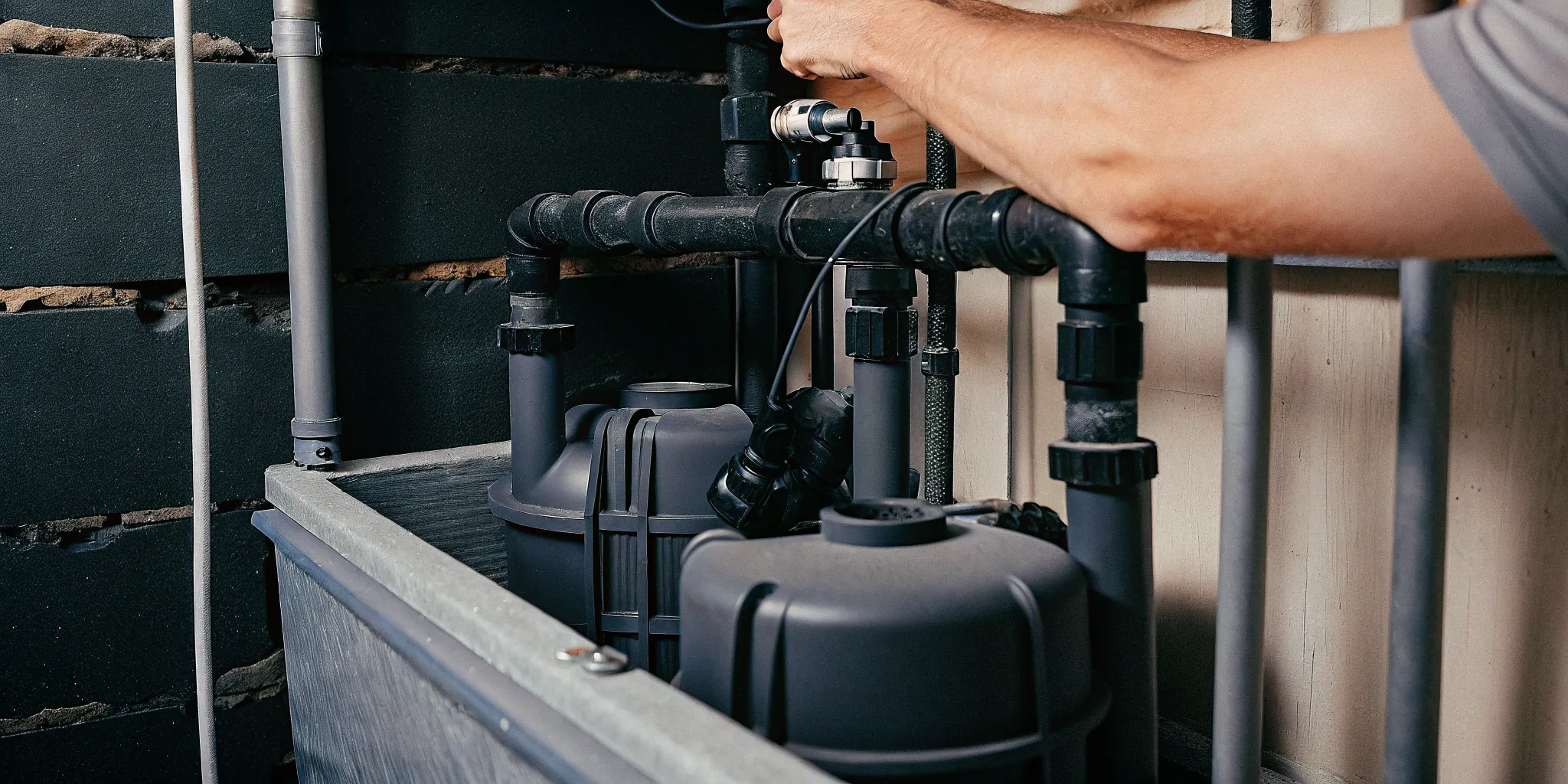
Water softener installation and maintenance are key for keeping your home safe from the harmful effects of mineral buildup. In Minnesota, about 85 percent of homes have high calcium and magnesium levels. These systems use ion exchange to swap hard minerals for soft sodium ions. Proper setup ensures the system is the right size for your family and joined to your pipes correctly. Regular care involves checking salt levels and booking yearly checks to stop salt blocks or water waste. According to the Environmental Protection Agency, well-kept systems use less water and salt while helping your home machines last longer. Taking these steps helps you avoid big repair bills and keeps your water clear and fresh.
Water Softener Installation And Maintenance: Why Minnesota Homeowners Need a Water Softener
Minnesota water is unique because of the land's history. Long ago, glaciers moved across the state and left behind rich soil and minerals. While this is great for farming, it means most of our water contains high levels of calcium and magnesium. In fact, hard water affects about 85% of households in our state. This makes a water softener a common sight in local homes across the Twin Cities metro and the surrounding counties.
Hard water is more than just a minor bother. It can cause scale to build up inside your pipes and water heater. Over time, this buildup can block flow and damage your home tools. Using a plan for water softener maintenance helps you keep these systems running well for a long time. Without one, you might notice white spots on your dishes or dry, itchy skin after you bathe.
Understanding Grains per Gallon
To know if you need a softener, you first need to check your water. We measure hardness using a unit called grains per gallon, or gpg. This tells you how much mineral content is in each gallon of water. According to the Pennsylvania State University Extension, water is slightly hard if it falls between 1.0 and 3.5 gpg. If your water tests at 7.0 to 10.5 gpg, it is classed as hard.
Many homes in Minnesota test much higher than these levels. Water is very hard when it has more than 10.5 grains per gallon. At this level, you will likely see heavy scale on your shower heads and faucets. You may also find that your soap does not lather well. High hardness levels make it hard for soap to do its job, which means you have to use more soap to get things clean.
Iron Issues in Well Water
If you live in a rural area and use a private well, you face another challenge. About 90% of private wells in the state contain dissolved iron. This iron can cause an iron-like taste in your drinking water and a rotten egg smell. It also leaves stubborn orange or brown stains on sinks, tubs, and laundry. While a standard softener can remove some iron, high levels often need a special filter to keep your water clear.
Getting a professional test is the first step to finding a fix. An expert can look at your test results and see if you need a standard softener or an iron filtration system. This ensures you get the right gear for your needs. Once you have the right system, you can enjoy water that tastes better and protects your home. Testing first helps you avoid buying gear that might not solve your actual water problems.
How a Professional Water Softener System Works
A professional water softener solves hard water issues through a smart process. Most people see the result as soft water that does not leave spots or soap scum. But the real work happens inside the tank using tiny resin beads. This method is the standard for professional water softener installation and maintenance in homes today.
The ion exchange process
Water softeners use a process called ion exchange to treat hard water. Hard water contains high levels of dissolved calcium and magnesium. Inside the softener tank, many plastic beads hold onto sodium ions. As hard water flows over these beads, the minerals stick to the resin. In their place, the beads release sodium or potassium ions into the water. This cation exchange removes the minerals that cause scale buildup on your pipes.
The regeneration cycle
Over time, the resin beads become full of calcium and magnesium. When they cannot hold any more minerals, the system must clean itself. This is called the regeneration cycle. The softener flushes the tank with a strong brine solution from the salt tank. This salt water knocks the hard minerals off the beads and sends them down the drain. This step recharges the system with fresh sodium ions so it can start its work again.
Water use and efficiency
A professional system is set to run its cleaning cycle only when needed. Most modern units track how much water you use to save on salt and water costs. Still, the process of cleaning the resin can use 25 gallons of water or more per day. Good water softener maintenance helps ensure the system runs at the right times. Proper settings prevent your unit from wasting water or salt while keeping your home safe from hard water damage.
Professional Water Softener Installation Steps
Setting up a water system takes care and skill. A good setup makes sure your home has soft water for years. It also guards your pipes and units from hard water damage. When you choose professional water softener installation and maintenance, you get a system that works right from day one.
Preparing for your new water system
Every home in the Twin Cities area is not the same. Some houses use city water, while others rely on private wells. Before the work starts, a pro will look at your water grade and your home's layout. This step helps create a clear plan for your needs. They check where the main water line enters your home and find the best spot for the new tanks.
It is key to know the makeup of your water first. Most homes in Minnesota have hard water that can clog pipes. You can learn more about how softeners remove minerals through a process called ion exchange. This testing makes sure the system is set to handle just the level of hardness in your local supply. Once the plan is ready, the pro gets all the tools and parts needed to finish the job safely.
The installation process
A normal setup follows a set path to make sure things are safe and good. The pro works to connect the system without upsetting your daily life too much. They follow these steps to get your system running:
- Review the plan. The team looks over the site survey to confirm where each part goes. This makes sure the tanks fit well and are easy to reach for later care.
- Shut off the water. The main water valve is turned off to prevent leaks during the work. The pro also turns off the power to your water heater to keep it safe.
- Install the bypass valve. This valve lets you send water around the softener if you ever need to do repairs. It is a key part of any expert setup.
- Connect to the plumbing. The pro cuts into the main line and connects it to the softener inlet and outlet. They use high-grade pipes and fittings to prevent leaks.
- Set up the drain line. The system needs a way to flush out hard minerals during its cleaning cycle. The drain line must be placed right to avoid backflow issues.
- Connect the brine tank. The brine tank holds the salt needed for the system to work. The pro connects the brine line to the main softener tank.
- Power on and test. The pro turns the water back on and checks every joint for leaks. They then start a forced cleaning cycle to make sure the system works as it should.
Final checks and testing
After the work is done, the pro programs the control head. They enter your water hardness level and the time of day. This helps the system know when to clean itself. Good settings help save water and salt over the long run. The cleaning cycle flushes ions out of the system to keep it fresh and ready for use.
The final step is to show you how the system works. You will learn how to check the salt levels and what to look for if a problem starts. The pro will also explain the plan for later checks. Taking care of your system now prevents big repair bills later. With a pro setup, you can enjoy soft water that is better for your skin, hair, and home.
Comparing Water Softening and Whole-Home Treatment Options
Every home in Minnesota faces unique water needs. While many people look for a basic water softener, your home might need a stronger tool. Modern systems do more than just stop scale. They can also target iron, chemicals, and bad smells to give you clean water for your whole house.
Comparing Common Water Systems
Knowing the difference between a basic softener and a whole-home system helps when choosing a water softener or filter. Basic units focus on minerals like calcium and magnesium that cause hard water buildup. Multi-stage systems use special layers to filter out chlorine and other things that affect taste and scent.
| System Type. | Main Target. | Ideal Household. | Key Benefit. |
|---|---|---|---|
| Basic Water Softener. | Calcium and magnesium. | Homes with city water and scale issues. | Stops pipe and appliance damage. |
| Iron Filtration System. | Iron and manganese. | Well water homes with orange stains. | Ends rust spots on laundry and sinks. |
| Multi-Stage Treatment. | Hardness and chemicals. | Families wanting top water quality. | Removes chlorine taste and odors. |
Advanced Multi-Stage Treatment
For those who want the best results, multi-stage options offer a full plan. Loon Lakes Water Systems is an authorized Puronics dealer. We offer systems with SilverShield HYgene tech. These systems use WQA Gold Seal certified gear to make sure your water is clean. While water softeners help protect appliances, adding multi-stage filters handles more types of waste.
Choosing the Right Plan for Your Well
If you have a private well, you likely deal with more than just hard water. Facts show that 90% of private wells in Minnesota contain iron. A standard water softener can remove some iron, but high levels often need a dedicated iron system to work well. We suggest a pro test to find what is in your water before you pick a system.
Essential Water Softener Maintenance Schedule
Owning a water softener in Minnesota means you can say goodbye to hard water stains and dry skin. But to keep those benefits, you must keep up with a regular maintenance schedule. Proper care ensures your system runs well and helps you avoid high repair costs. It also ensures your system uses only the water it needs to stay clean. Following a simple routine is the best way to get the most out of your professional water softener installation and maintenance.
Weekly salt checks
The most important task is checking your salt level. Most systems need a look at least once a week or every two weeks. You should always see salt in the brine tank, and it should be at least half full. If you let the salt run out, your water will get hard again very fast. This can cause scale buildup in your pipes and water heater. Keeping the tank full prevents these issues and keeps the softening process working as it should.
You also need to choose the right type of salt for your system. Using high-purity salt pellets is often better than rock salt. Rock salt has more dirt and minerals that can build up over time. This buildup can lead to problems like salt bridges, where a hard crust forms over the water. High-purity salt helps minimize water waste by keeping the system clean and efficient.
Yearly professional service
While salt checks are easy to do at home, some tasks need an expert eye. A yearly visit from a pro can find small issues before they become big breaks. An expert can check the valve settings and the resin bed to make sure everything is tuned right. They can also test your water to see if the system is still removing the right amount of minerals. This keeps your system in top shape for years to come.
Good water softener maintenance also involves cleaning the brine tank once a year. Over time, salt can turn into a thick paste at the bottom of the tank. This is called salt mushing, and it can block the flow of water. A pro can clean out this mush and sanitize the system. This ensures the regeneration process uses about 25 gallons of water per cycle without any blocks or waste.
Common maintenance fixes
If you notice your water feels hard, you might have a salt bridge. You can often fix this by gently breaking up the salt crust with a broom handle. Be careful not to hit the sides of the tank or damage any parts inside. If the bridge keeps coming back, you may be using too much salt or the wrong kind. Filling the tank less high or using a different salt can often solve the problem.
For more complex issues, it is best to call for help. At Loon Lakes, we know that every home in the Twin Cities area has unique water needs. We repair all brands and models to make sure your home stays protected from hard water. Keeping your system on a set schedule is the easiest way to ensure you always have soft, clean water for your family.
Water Softener Troubleshooting: Common Issues and Fixes
Most water softener problems happen in the brine tank where salt is kept. If your water starts feeling hard again or you see spots on your dishes, your system may need a quick fix. Regular water softener maintenance can help you find these issues before they cause big repairs.
Fixing salt bridges and mushing
A salt bridge is a hard crust that forms over the water in your brine tank. This crust creates an empty space that stops the salt from reaching the water. When this happens, the system cannot make the brine needed for the ion exchange process. You can often fix this by gently breaking the crust with a broom handle.
Salt mushing is a thicker problem. It happens when salt breaks down into a heavy sludge at the bottom of the tank. This sludge blocks the well pipe and stops the system from cleaning itself. To fix mushing, you must drain the tank, remove the old salt, and clean out the sludge before adding fresh salt.
Checking the regeneration cycle
If your salt levels look fine but the water is still hard, the system may not be running its clean cycle. This regeneration process flushes out the minerals the system has trapped. Check your timer to make sure it is set to the right time of day. A power outage can sometimes reset these clocks and cause the system to run when you are using water.
Repairing all brands and models
Some issues are harder to fix on your own, such as a stuck valve or a broken motor. Loon Lakes Water Systems can help with these repairs. We work on all brands and models of water softeners, not just the ones we sell. Our team can test your water and find the root cause of any problem to get your soft water back fast.
Frequently Asked Questions
What is the average cost to install a water softener?
The cost to install a water softener depends on a few things. These include the size of your house and the type of system you pick. Costs also change based on your current plumbing and local labor rates. According to Lowe's, these factors all play a role in the final price. A pro will look at your pipes and water needs to give you a fair quote. This helps you find a system that fits your budget.
How long does a water softener installation take?
A pro setup usually takes about three to four hours for the actual labor. However, the whole job starts with a home visit and a water test. It often takes about a week from your first call to the final setup. Pro installers need time to check your pipes and make a plan. This careful work helps prevent leaks and makes sure the system runs well. Choosing an expert ensures the work is done right the first time.
Does a water softener help with a rotten egg smell?
A basic water softener can remove small amounts of iron. But it may not stop a strong rotten egg smell. This odor is often due to sulfur or high iron in well water. As noted by NDSU Extension, high iron levels often need a special iron filter. A water test will find the exact cause of the odor. Once you know what is in your water, an expert can help you pick the best treatment system.
What if my house lacks the plumbing for a water softener?
You can still get a water softener even if your home does not have the right pipes yet. A pro can install new lines and a power outlet for you. This is a common task for older homes in Minnesota. An expert will check your basement or utility room to find a good spot. They will then create a custom plan to link the unit to your main water line. This ensures your whole home gets the soft water it needs.
Ready to stop hard water from hurting your Minnesota home?
Leaving hard water issues alone lets scale build up in your pipes and will ruin your home machines soon. This delay leads to high energy bills and the risk of a costly plumbing break that you can avoid. Starting now ensures you protect your pipes and get back to the soft water your family needs. Our professional water softener installation and maintenance service helps you save money and protect your home value. We take the guesswork out of water quality so you can feel good about the water you use every day.
Ready to schedule a free water test and consultation? Call (612) 930-0156 to talk to a local water expert about your home today and get the clear answers you need.