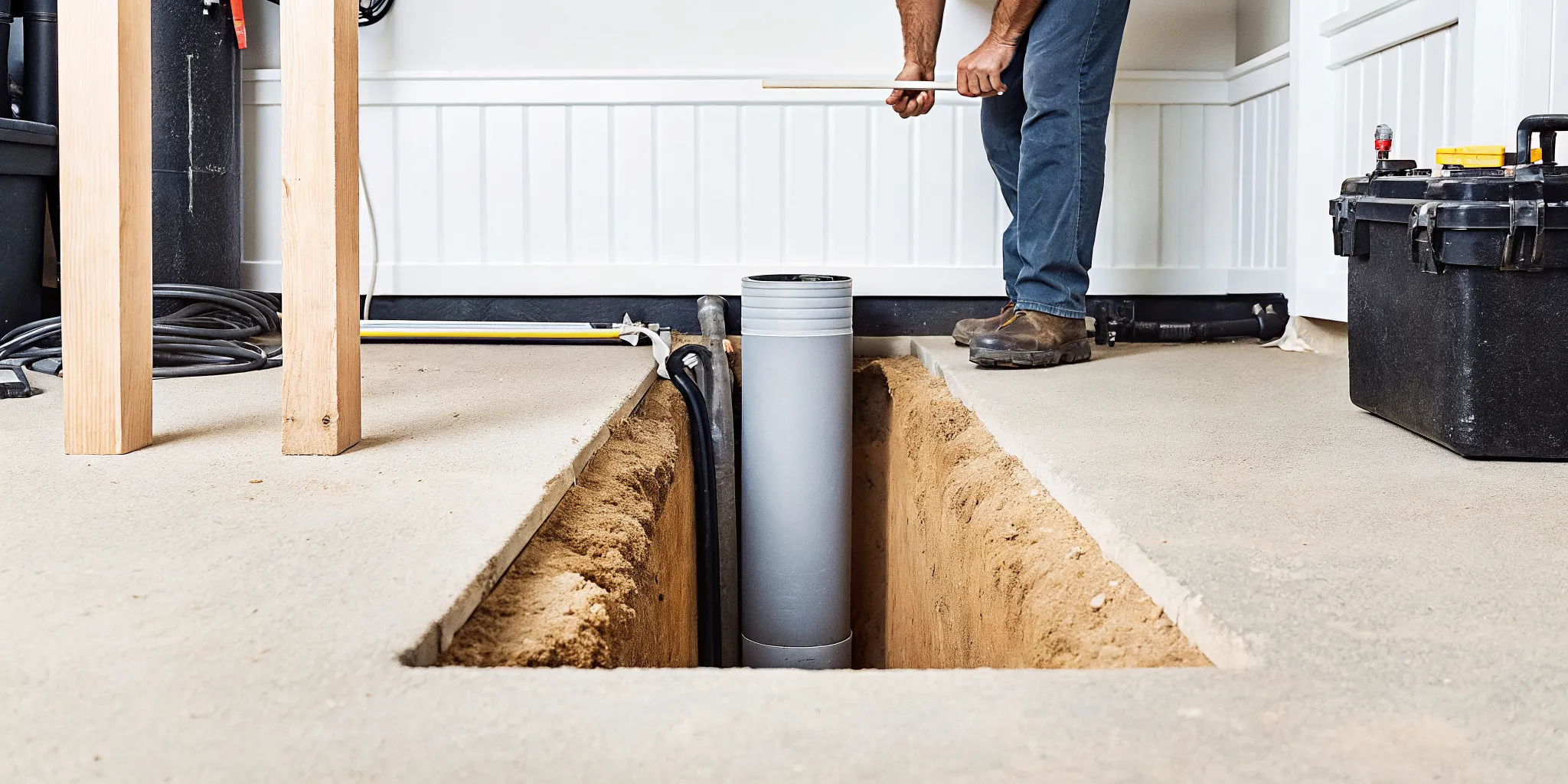
Professional water softener installation chaska mn is the best way to fix the high mineral levels in local water. Homeowners in Chaska often see white scale on sinks and orange stains in tubs from too much calcium and iron. University of Minnesota experts say you should test your water to find your exact needs before buying any new equipment. This test helps you pick a system that can handle the high hardness levels in your specific home. A well installed softener stops scale from building up in pipes and helps your water heater last much longer. It also makes your water feel better on your skin and keeps your laundry and clothes looking bright.
Schedule Your Free Water Test Today →
Choosing the right system starts with a look at the minerals in your supply. To find the best fix, you should first learn Why Chaska Well Water Tends to Be Hard and Iron-Heavy. This local land is the main reason why water treatment is so important for your home. You can start your project by exploring.Water Softener Installation Chaska Mn: Why Chaska Well Water Tends to Be Hard and Iron-Heavy
If you live in Chaska, you probably know the signs of hard water. You might see white spots on your glasses or feel a film on your skin after a shower. These problems happen because our local water is full of minerals. Most water treatment in Chaska focuses on removing calcium and magnesium. In Minnesota, about 85 percent of homes have hard water. This water picks up minerals as it moves through the ground and into the local aquifer.
Hard water is not just a minor issue for homeowners. It can lead to big costs for your plumbing and your home goods. When water contains high levels of minerals, it leaves behind a crusty buildup. This scale can clog your pipes and lower your water flow. It also makes your water heater work much harder, which can raise your energy bills. This is why many people in the Twin Cities metro area choose to test their water before problems get worse.
The geology of the Minnesota River valley
Chaska sits in the Minnesota River valley, which has a unique set of rocks and soil. Under the ground in Carver County, there are thick layers of limestone. When rain falls, it moves through this limestone. The water dissolves the rock and carries away tiny bits of minerals. This process creates high levels of calcium and magnesium ions. According to the Minnesota Department of Health, these two minerals are what define water hardness.
The local soil also has a lot of iron. In fact, 90 percent of private wells in Minnesota have iron in the water. This is why many Chaska homes have orange stains in their sinks and tubs. This iron can be hard on your plumbing. It can build up inside your pipes and slow down your water flow. It also gives the water a metallic taste that makes it unpleasant to drink or cook with. Over time, high iron levels can even damage your clothes and fixtures.
Temporary versus permanent hardness
There are two types of hardness in Chaska water. Temporary hardness comes from calcium and magnesium bicarbonates. You can often remove this by boiling the water, which leaves behind a crusty scale. Permanent hardness comes from sulfates or chlorides. Boiling does not help with this type. Most homes in our area have a mix of both. This is why a professional water softener installation is the best way to keep your water soft every day.
Hardness levels can also change over time. This is true even if you use the city water system. Sensors that track hardness are very helpful in areas where the water quality shifts. The University of Minnesota notes that these sensors help your system work better by adjusting to these changes. This ensures your home always has the right level of soft water. It also helps you avoid wasting salt or energy when your water quality is better than usual.
What happens when hard water meets soap
One of the most annoying parts of hard water is how it reacts with soap. When the minerals in the water meet your soap, they create soap scum. This sticky grey film stays on your shower walls and your skin. It also makes it very hard to get a good lather. You might find yourself using more soap and shampoo just to feel clean. This extra soap use can cost you more money over time. It can also leave your skin feeling dry and itchy after every wash.
Your laundry also suffers from this reaction. Hard water minerals get trapped in the fabric of your clothes. This makes your shirts and towels feel stiff and look dingy. It can even make your fabrics wear out faster than they should. A good softener helps soap work the way it should. This leads to cleaner clothes and less scrubbing in the bathroom. If you notice these signs, it may be time to look into a new system. A quick check of your water can show you exactly what is causing these issues.
What Our Water Testing Process Looks Like in Chaska
Every Chaska home has its own water needs. Some houses use city water, while others have private wells. Since water quality can change from street to street, a single plan rarely works for everyone. People in Minnesota should always test their water to find what they need before they buy a new system. This step helps you get the right tools without paying for things you do not need.Your free home visit
We start by listening to you. Do you see orange stains in your sinks? Is there a white crust on your shower heads? During our visit, we talk about these signs. We act as a guide to help you learn about your home. Our team wants to help you learn what is in your pipes before you make any big plans. Many people in Carver County deal with old pipes or high mineral levels. We help you sort through these issues with ease.Checking your water quality
We test your water right at your kitchen tap. This provides the facts we need for a good water test. We look for more than just hard water. Our team also checks for iron, pH levels, and other minerals. In Chaska, high iron levels are common. These can harm a system if a pro does not find them early. We use expert tools to get clear facts for your home. You will see the results on the spot.- Schedule your free test: Call us at 612-930-0156 to pick a time that works for you. We offer open times to fit your busy life.
- On-site sample collection: We come to your home to get fresh water. We check for hardness, iron, pH, TDS, and manganese right at your tap.
- Lab-grade analysis: We use expert tools to get a deep look at your water quality. Our test shows us just what is in your water.
- Review the findings: We explain the results in plain words. You will know the truth about your water before we leave.
- System recommendation: We suggest the best water softener installation based on what we found. This helps the system fit your home's needs.
Choosing the best system
Once we have the facts, we show you your options. If your water is very hard, we may suggest a water softener installation chaska mn families can rely on for years. We follow a simple path: test first, explain clearly, and install correctly. This way of working helps your new system last for a long time. It also helps keep your home and your family safe. Our goal is to give you clean water that feels great and tastes even better.Sizing and Installing a Softener for a Chaska Home
Each home in Chaska has unique water needs. A small house with two people uses less water than a large home with a big family. We look at your water test results to find the right size for your new system. Our water softener installation in Chaska, MN starts with counting how many grains of hardness your home needs to remove each day. We also look at the iron levels in your water to make sure the resin can handle the load.
Finding the right size for your home
Most water softeners use a process called ion exchange. In this process, the system swaps hard minerals like calcium and magnesium for sodium ions. The Minnesota Department of Health says this happens as water flows through a resin bed. The beads in the bed catch the hard minerals and release a small amount of salt into your water.
To get the sizing right, we check your water flow and how much water you use. We want a system that works well without wasting salt or water. If a system is too small, it will run out of soft water too fast. If it is too big, it might not rinse the resin often enough. We help you find the best match for your house.
Choosing a single or twin tank system
Many owners in Chaska choose between a single tank and a twin tank system. A twin tank system has two resin tanks. When one tank is full of minerals, the other one takes over. This setup gives you soft water all day and night. It also helps save salt because the system does not need to keep a large reserve space.
| Feature | Single-Tank System | Twin-Tank System |
|---|---|---|
| Soft water availability | Pauses during regeneration | Continuous, 24/7 |
| Space needed | Less floor space | Larger footprint |
| Salt efficiency | Good with DIR controller | Better; no reserve capacity needed |
| Upfront cost | Lower | Higher |
| Best for | Smaller homes, predictable usage | Larger families, high water demand |
We suggest using a demand-initiated regeneration (DIR) system. These systems are much smarter than old-style timers. According to the University of Minnesota, a DIR system tracks your real water use and only cleans the resin when it needs to. This helps you save money on salt and water. You can learn more about our water softener installation options to see which tank style fits your space.
Professional installation steps
An expert install is the best way to make sure your system works well. The Minnesota Department of Health states that proper setup is needed to avoid health risks and poor water quality. If a system is not set up right, it could let germs grow or cause leaks in your home pipes.
Our team follows a set path to get your system running. For a complete overview of softener care beyond installation, visit our comprehensive guide to water softener installation and maintenance in Minnesota. We work to make the process smooth for your home. We usually follow these steps:
- Find the main water line and install a bypass valve.
- Connect the drain line and set up the brine tank.
- Set the controls and start the first cleaning cycle.
This makes sure your water is soft and clean from the very first day.
What to Expect on Installation Day
Getting a new system is a big step for your home. When you book a water softener installation in Chaska, MN, you want a smooth and clean process. At Loon Lakes, we know that setting up your unit right is as vital as the unit itself. In fact, a proper installation keeps your water safe for your family. Good work prevents health risks and keeps the system running for a long time.
A Fast and Clean Service
Most homeowners wonder how long the work will take. For most houses, a pro can finish the job in just a few hours. We aim to keep any break to your day low so you can get back to your routine. Our team arrives with the right tools and a clear plan to handle your plumbing with care. We treat your home like our own and leave the workspace as clean as we found it. This quick turn-around is part of our goal to give the best water treatment in Chaska.
The Benefits of a Pro Setup
Doing it right the first time saves you money and stress. A pro setup ensures your valves work and your drain lines are safe. We also check your water pressure to make sure it fits your new unit. When an expert handles the pipes, you don't have to worry about leaks. This peace of mind is why people in Carver County trust our team for their water needs.
Your Step-by-Step Guide
We follow a clear path to get your soft water flowing. Each step ensures the system fits your home perfectly and works as it should. Here is the process our experts use to get the job done right.
- Arrival and Site Prep. Our pro arrives on time. We lay down mats to protect your floors. We check the area to make sure there is enough space for the tank.
- Water Shut-Off. We turn off the main water valve. This stops the flow so we can work on the pipes. We find the best spot to link the softener to your main line.
- Pipe Connection. We cut into your main pipe and add a bypass valve. This lets you turn the softener off if needed while still having water. We use top parts for a tight fit.
- Drain and Brine Lines. We set up a line for waste water. This line goes to a floor drain. We also connect the brine tank, which holds the salt for the system.
- Setting the Control Valve. Our tech programs the softener head. We use your water test to set the hardness level. This tells the unit when to clean itself based on use.
- System Test. We turn the water back on and look for leaks. We run a short test cycle to see the unit in action. This proves the system is ready for your home.
- Final Walkthrough. We show you how the system works. We explain how to add salt and what the screen means. We also give tips on simple care.
Our team is here to make the change easy. These steps ensure your new system is ready to protect your pipes and appliances from scale. If you have questions about your home setup, we are happy to help. We want you to feel good about your water from the moment we finish the job.
Keeping Your Water Softener Running Smoothly
Your new water softener needs very little care to keep working well. Most modern systems use demand-initiated regeneration. This means the system only cleans itself based on how much water you actually use. This process makes your system more efficient and helps you save on salt and water over time. You can learn more about efficient water softening from the University of Minnesota.
Check your salt monthly
The most important task is to check your salt levels once a month. You should keep the brine tank at least half full of salt at all times. If the salt level gets too low, the system cannot make the brine needed to clean the resin beads. When you buy salt, look for high-quality pellets or solar salt. These types of salt tend to leave less debris in the tank than rock salt does.
Watch for iron buildup
Many homes in Chaska have high levels of iron in their well water. Standard softeners are not always built to handle heavy iron. Over time, iron can foul the resin bed and make it less effective. If you notice orange stains in your sinks again, you may need an iron removal additive. The Minnesota Department of Health notes that proper maintenance is key to keeping your water quality high and preventing health risks.
Clean the brine tank
You do not need to clean the brine tank often, but it is a good idea to do so every five to ten years. Over time, a thick crust called a salt bridge can form. This crust stops the salt from mixing with the water. If you see a hard layer in your tank, you can carefully break it up with a broom handle. For a full cleaning or professional check, you can always reach out for water softener installation and service help.
Listen for regeneration
Your system will periodically go through a cycle to refresh the resin beads. This process includes backwashing, a brine rinse, and a final rinse to clear out the hardness ions. You might hear a motor running or water flowing during this time. This is normal and shows that the system is working as it should. If you hear loud grinding sounds or if the water stays hard, it may be time for a professional service call.
Frequently Asked Questions
Does my Chaska home need a water softener?
Most homes in Chaska gain from a softener because Minnesota water is often rich in calcium and magnesium. You may notice hard water signs like white crust on faucets, dry skin, or spots on your dishes. As shown by the University of Minnesota, using a softener can help your home machines last longer and keep pipes clear of scale. Expert testing finds if your water needs this care.
Why is water testing important before installing a softener?
Testing your water is a key first step because it shows the exact amount of hardness and iron in your home. Without these facts, a system might be too small or fail to treat problems like iron. The Water Resources Center notes that you should test your water to find the right care for your needs. This helps your new system work well and gives you the best water for your family.
What is included in a professional water softener installation?
A pro setup covers the full work for your new water system. This work includes testing water flow, hooking up the unit to your main water line, and setting up the brine tank. Our experts also set the valve to match your home use and water hardness levels. Good setup is vital because the Minnesota Department of Health warns that bad work can lead to health risks from dirty water.
How long does water softener installation take?
Most home water softener jobs in Chaska are done in two to four hours. The total time depends on your pipes and the type of system you pick. A pro will first check the site and then do the work and testing. Because correct setup is key for the system to work well, we take time to check every part and setting before we finish.
How do I get a free water test in Chaska, MN?
You can schedule a free water test and meeting by calling Loon Lakes Water Systems at 612-930-0156. We visit your home in Chaska to test your water and look at your pipes. Our experts will then explain your results and help you find the best system for your home and family. This first step is the best way to make sure you get the right care for your local water needs.