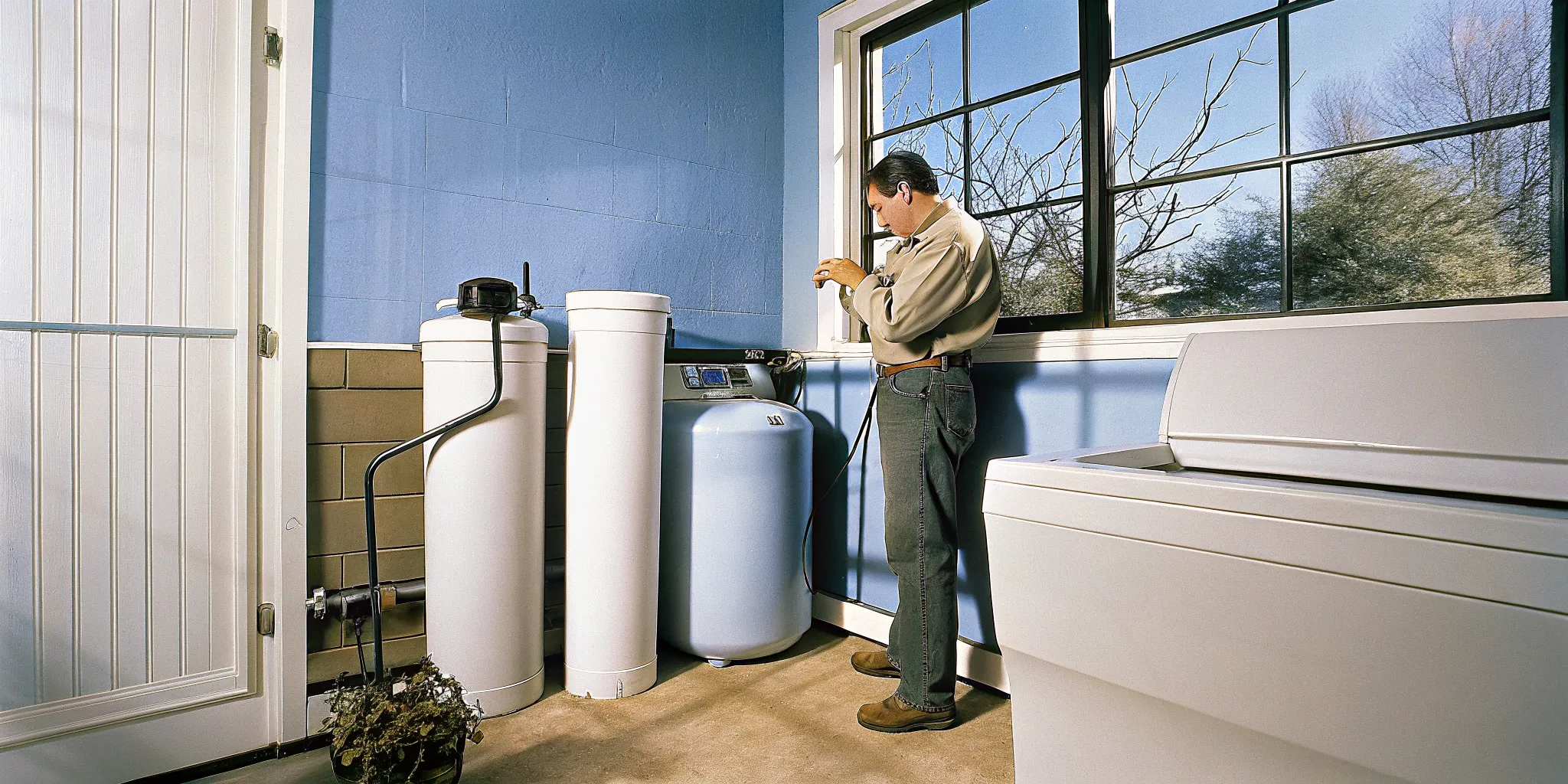
The water softener repair vs replacement choice depends on the age of your system and the cost of the fix. If your unit is less than ten years old and needs a small part, a repair is usually best. However, as a system gets older, parts are hard to find and it stops working as well. Experts at SoftPro Water Systems suggest buying a new unit if the repair cost is more than half the price of a new one. Modern machines also use much less salt and water than older models. Buying a new unit can save you money and prevent leaks. We recommend checking the control valve before you spend money on a fix.
Water softener repair vs replacement at a glance
Finding the right path between water softener repair vs replacement starts with a clear look at your system. In Minnesota, our water is often very hard and full of iron. This puts a lot of stress on your units. You may wonder if a quick fix will work or if it is time to buy a new one. A good choice saves you money and keeps your home running well.
Signs your system needs help
Many issues start small. You might find a salt bridge in the tank. This is just a hard crust of salt that stops the system from working. You can often fix this yourself by breaking the crust. Also, a leaky valve or a bad motor can often be fixed. These small repairs can add years to your system's life. Experts can help find these small parts to get your unit back on track.
But some signs show a deeper problem. If you notice spots on your dishes or dry skin after a bath, the resin might be worn out. Resin is the bead-like material that pulls minerals out of the water. Over time, these beads break down. This is very common in homes with high iron levels. You should have your water tested if you see these signs. A pro can tell if a simple part change will fix the issue or if the main tank is failing.
Knowing when to replace
Age is one of the most important things to check. Most water softeners last about 10 to 15 years. If your unit is over 12 years old, parts will start to fail more often. Older units also use more salt and water. Newer models use demand-based cleaning. This means they only clean the resin when needed. These smart systems can use 26% to 60% less salt than old units. This helps you save on salt and water costs each month.
The cost of the fix is another big factor. We suggest the 50% rule for most homes. If the cost of the repair is more than half the price of a new unit, you should replace it. A new system gives you a fresh start and a new warranty. It also ensures your appliances stay safe from scale. You can look at all your repair or replacement options to find the best value for your budget.
Making a smart choice
A quick look helps you see the best choice for your home. Repairs are great for young units with small part failures. But a new system is often better for older units that struggle with Minnesota's tough water. Replacing a system also lets you switch to smarter tech. This can lead to better water quality and fewer care tasks over time. Thinking about both now and the future will help you decide.
If you are still not sure, talk to a local water expert. They can test your water and check your unit. This helps you avoid spending money on a fix that might not last. A pro can show you how a new unit might pay for itself in salt savings over a few years. Getting a clear answer now prevents big water issues later.
| Factor | Repair Choice | Replacement Choice |
|---|---|---|
| System Age | Under 10 years old | Over 12 years old |
| Repair Cost | Under 50% of new | Over 50% of new |
| Efficiency | Keeps current use | Lower salt and water use |
| Water Quality | Fixes small issues | Best for high iron levels |
| Warranty | No new warranty | Full new warranty |
What symptoms suggest your water softener needs attention?
Hard water is a common issue for many homes in Minnesota. When your system starts to fail, you will notice clear changes in your daily life. Knowing these signs early can save you money and protect your pipes. It can also help you decide if you need a quick fix or if you should look at repair or replacement options.
Visible scale and soap scum
One of the first signs of a problem is a white, crusty buildup on your faucets. This scale is made of hard minerals like calcium. It can clog your shower heads and slow down your water flow over time. You may also see:
- Soap scum in your tubs that is hard to scrub away.
- Spots on your glass dishes after they dry.
- Dull or stiff clothes after a wash cycle.
As noted by the University of Minnesota, soft water helps prevent scale on fixtures and can even extend the life of your home machines. If you see these signs, your system might not be removing the minerals as it should.
Changes in how water feels
Soft water should make your skin feel smooth and clean. If your skin feels dry or itchy after you shower, your softener could be failing. You may also find that your soap does not lather well. Instead of big bubbles, you get a thin film that is hard to rinse off. In some cases, you might notice a metal taste or see red spots in your sink if the unit stops removing iron. These changes often show that the resin in the tank can no longer do its job.
Odd sounds and salt usage
You should check your salt tank once a month to make sure it is working right. If the salt level stays the same for weeks, you may have a salt bridge. This is a hard crust that forms over the water. It stops the salt from mixing with the water to clean the resin. On the other hand, using too much salt can be a sign of a leak or a valve issue. Watch for a system that runs its cleaning cycle too often or makes loud grinding noises. These system faults mean it is time for a pro to look at your unit.
When to call for help
Some signs are more urgent than others. A leak around the base of the tank needs a fast repair to prevent floor damage. If your water turns brown or smells like eggs, you should test your water right away. While some issues are just a matter of salt levels, others point to a worn-out tank. A pro can help you test the grains of hardness to see if a repair will work. They can give you a clear view of your repair or replacement options based on the age of your unit.
When does water softener repair make sense?
If your water feels hard again, you might think you need a new system right away. But many issues are easy to fix with the right care. Picking between water softener repair vs replacement is based on what is wrong and how old the unit is. Some parts fail because of wear, but the main tank may still be in good shape.
Common moving parts to fix
Most water softeners use a control valve to manage the flow of water. Over time, the seals and O-rings inside this valve can wear out. You might see a small leak or find that the unit stays stuck in one cycle. Replacing these small parts is much cheaper than buying a whole new system.
An expert can also clean the brine injector if it gets clogged with dirt. This simple step can fix your system without a big cost. It is often worth a service call to see if a small part is the only issue. A local pro can find these problems fast and get your water soft again.
Solving salt and resin issues
Sometimes the problem is not a broken part at all. A salt bridge can form in the brine tank. This stops the salt from mixing with the water. You can often find and fix this by gently breaking the hard crust of salt. Also, a power outage might reset your unit settings. If the unit runs at the wrong time, you will run out of soft water.
Checking your salt levels every month helps keep your system running well. High iron levels can also coat the resin beads and stop them from working. Using a resin cleaner can often solve this problem. Experts from the University of Minnesota note that regular care is key to keeping these units working well and long lasting.
When to call an expert
It is always best to have a pro look at your system before you make a choice. A tech can run a test to see if the resin beads inside the tank are still good. Resin can last a long time, but chlorine can break it down after ten or fifteen years. If the resin is shot, a repair may not be worth the price.
Before you decide, it is wise to test your water to see exactly what is happening in your home. A local team can guide you through your repair or replacement options based on those results. They can tell if a fix will last or if a new unit is a better bet for your budget.
Comparing repair and replacement costs
A good rule of thumb is to look at the total cost of the fix. If the repair bill is more than half the price of a new unit, it is likely time to get a new one. Older units often use much more salt and water than new ones. You may save money in the long run by upgrading now.
Newer models use a method called demand-initiated regeneration. This can save you a lot of money on salt and water each year. If your unit is over twelve years old and needs a major part, a new system is often the smart move. You can Schedule Free Water Testing to help you decide which path is right for your Minnesota home.
When is replacement the more practical choice?
Fixing an old unit might seem like the cheap path, but it can lead to more costs over time. Many Minnesota homeowners find that frequent service calls on an aging system quickly add up. If you deal with salt bridges or hard water spots often, it may be time to look at newer water softener and filtration products. Choosing a new system often gives better water quality and more reliable service.
Old tech and efficiency
Older systems usually run on a simple timer. This means they cycle at set times, whether you used much water or not. Modern systems use demand-initiated regeneration (DIR). These units track your water use and only run when needed. Research shows that demand-initiated softeners can use 26% to 60% less salt than older time-clock models. This change helps save money on salt and keeps our local Twin Cities water cleaner.
Wear and finding parts
Internal parts like valves and resin beds do not last forever. When a resin tank cracks or a control head fails, the cost of parts and labor can be high. It is often wise to get a new system if the cost to fix your old unit is more than half the price of a new one. Also, parts for very old models can be hard to find. If a pro cannot find the right seals or motors, you might be left with a system that simply cannot be fixed.
Changes in home water needs
Your water needs can change as your life does. A system sized for two people may not keep up if your family grows. If you add a new bath or a high-flow shower, your current unit might be too small. Overworked softeners wear out faster and may let hard water through during busy times. In these cases, a new, right-sized unit is the best way to protect your home. We suggest you schedule free water testing to see if your water has changed since your last install.
A new system also ensures you have the right tech for your specific water. For example, if your well water has high iron, you may need more than a standard softener. Systems with hardness sensors are very helpful in areas where water quality shifts. Before you fix an old unit, check your repair or replacement options with a local expert to find the best long-term fit.
What should a water softener inspection evaluate?
A full check of your system is the first step in choosing between a water softener repair vs replacement. A pro should not just look at the machine. They must check your water and how the unit works in your home. This path helps find the real cause of any issues you see.
Initial water testing
Testing is key to know if your system still works. You should have your water tested to see the level of hardness and iron. A tech will test the raw water and the treated water. This shows how much mineral buildup the unit really removes.
Physical system check
The tech will look at the tank and the salt. They check for salt bridges or salt mush in the brine tank. These blocks can stop the system from making the brine it needs. They also look for leaks or wear on the valves and pipes.
Review symptoms and history. The tech asks about the issues you see. They look for signs like scale on taps or dry skin. They also check how old the unit is and its past repairs.
Test raw and treated water. Testing both types of water shows the system's current health. It finds if the resin can still grab minerals. This data helps you weigh your repair or replacement options with clear facts.
Inspect the brine tank. Salt levels should be checked once a month to keep the unit working well. The pro checks for salt crusts that block the water flow. They also look for dirt or mud at the bottom of the tank.
Check the control valve. The tech runs a cycle to see the valve in action. They check if the motor moves well and if the clock keeps time. They also check that the settings match your home's water use.
Check the resin bed. Resin is the heart of the system. The pro looks for resin beads in the water or low flow. Old resin may need a deep clean or a full swap to work again.
Confirm the unit size. Your home needs may have changed since the install. The pro checks if the tank size fits your daily water use. A unit that is too small will work too hard and fail early.
Explain your choices. After the check, the tech gives you a full report. They should explain the costs for a fix versus a new unit. This helps you make a choice based on long-term value and water quality.
Expert guidance and sizing
A good tech acts as a guide, not a sales rep. They should explain the pros and cons of each path. For example, new demand units use less salt and water than old models. This can save you money over time if a fix is too costly. You can schedule free water testing to get a clear view of your home's needs.
How can you make a confident repair-or-replace decision?
When your water softener stops working well, you have a big choice to make. You can try to fix the old unit or buy a new one. To pick the best path, start by looking at how the machine acts. Check if your soap still makes bubbles or if you see white spots on your dishes. You should also watch how much salt the system uses. If it uses much more or much less than before, a part might be worn out. Finding these signs early helps you talk with a pro about your repair or replacement options.
Check your water type first
Before you spend money on a fix, you must know what is in your water. It is wise to have your water tested before you choose a repair or a new unit. A test shows the exact levels of hardness and iron in your home. In some cases, high iron levels over 10 ppm mean you need a special filter instead of a standard softener. Knowing what is in your water prevents you from fixing a machine that cannot handle your local water. It also ensures your system is set up to work right for your own house. Testing first is the best way to avoid a fix that does not solve the root problem.
Think about the age of your unit
The age of your softener is a main part of your choice. Older units often use a clock to reset. Modern units use demand-initiated regeneration, which tracks how much water you use. These new demand-initiated softeners can save 26% to 60% on salt compared to old models. If your unit is over ten years old, a repair might be a short fix. New systems with hardness sensors or twin-tank designs work better and give more soft water. Often, the salt savings from a new unit will pay for the machine over a few years. Buying a new unit can also protect your home appliances from scale and hard water damage.
Talk with a local pro
A service visit from a local pro gives you a clear look at your system. They can check for leaks, resin issues, or motor failure. Ask them to show you the cost of the repair versus the price of a new install. A good pro will explain if a simple part swap will give you many more years of soft water. If the repair cost is more than half the price of a new unit, it is often time to upgrade. You can help the pro by tracking any odd sounds or smells coming from the unit. Note if you have seen a hard salt bridge in the tank. This local advice helps you make a choice that fits your budget and your home's needs.
Frequently Asked Questions
What is the average life expectancy of a water softener?
Most water softeners last about 10 to 15 years. If your unit is more than 12 years old and starts to fail, it is often better to replace it rather than fix it. Older systems use more salt and water than new models. Upgrading to a modern unit can help you save money on salt and protect your home appliances from hard water damage for a long time.
How much does water softener repair usually cost?
The cost of a repair depends on the problem. Small fixes like cleaning a valve or replacing an O-ring are often cheap. However, major repairs can cost hundreds of dollars. According to industry estimates, if a repair bill is more than half the price of a new system, replacement is usually the smarter move. A new unit often costs between $1,500 and $3,000 including installation.
Will a water softener help with sulfur or iron?
Standard softeners can remove small amounts of iron and manganese, but they are not designed to fix sulfur or "rotten egg" odors. Experts at North Dakota State University state that softeners can handle up to 10 ppm of iron. If your water has higher iron levels or a strong sulfur smell, you likely need a dedicated iron filter. Testing your water first is the best way to find the right system.
When is it better to replace a water softener rather than repair it?
It is better to replace your unit if it is very old, needs a major part, or if your water needs have changed. Modern systems with demand-initiated regeneration are much more efficient. These units track your water use and can save you about 26% to 60% on salt compared to old timer models. Replacing an inefficient unit helps lower your monthly costs and provides more consistent soft water for your Twin Cities home.
Ready to fix your hard water issues for good?
Hard water causes scale to build up inside your pipes. This build up often leads to very high plumbing repair bills. You should act now to protect your home and your machines. Fixing the problem today saves you money and stress. Our local team helps you find the best way to get soft water back. We help you decide if a repair or a new system is right for you. Check our Request Service to learn more about our process. Soft water protects your home and helps your soap work better. Getting a free water test is the first step toward a long-term fix.
Ready to request water softener service? Call 612-930-0156 to get your free water test and system inspection.
Get a clear repair-or-replace recommendation.
Loon Lakes Water Systems can test your water, inspect your equipment, and explain the practical tradeoffs without pressure.
Request Service Call 612-930-0156