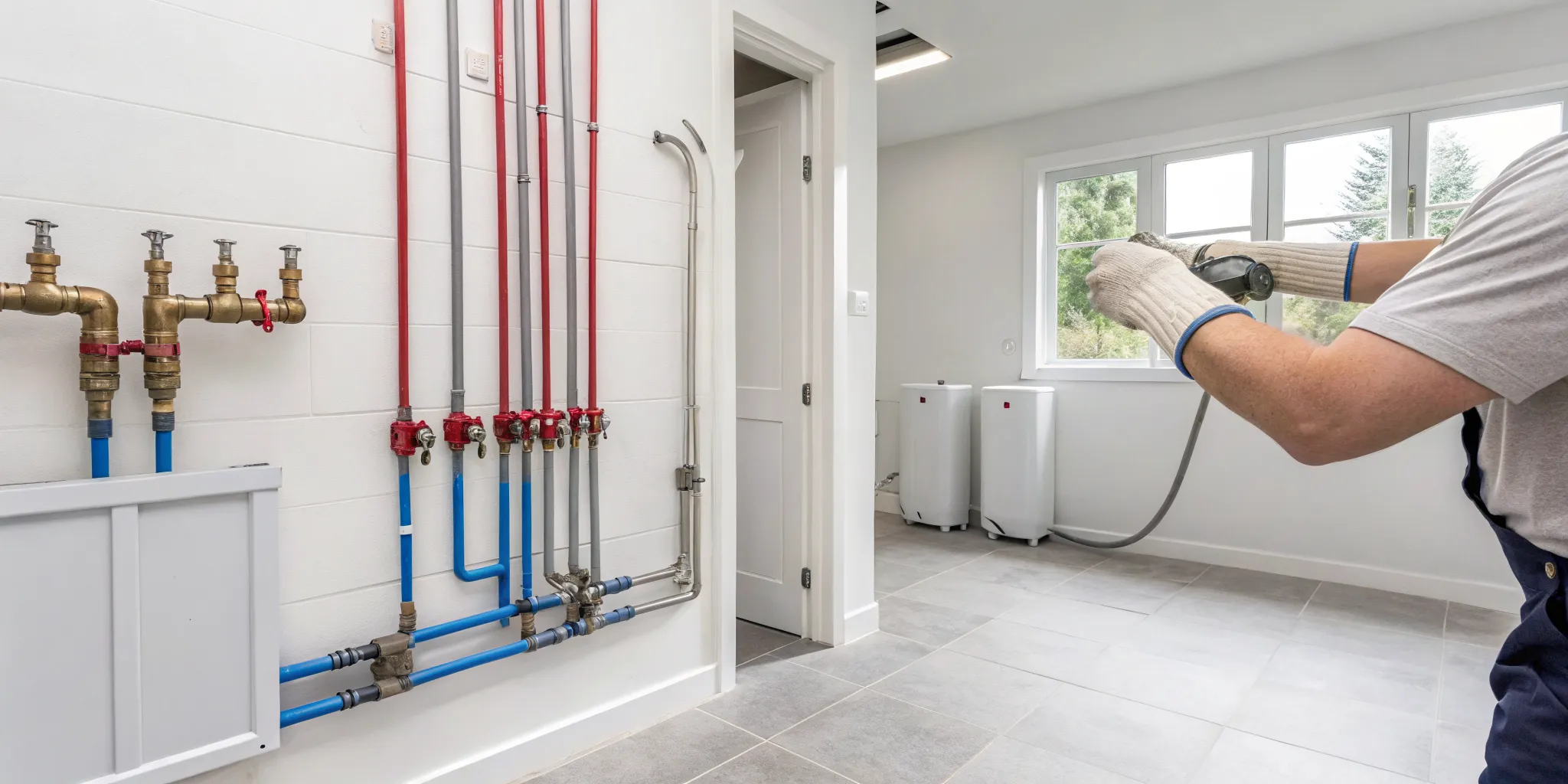
If you're on a first-name basis with your water softener repair technician, it might be time for a change. While an occasional fix is normal, frequent service calls for an aging system can add up quickly, both in cost and frustration. At some point, continuing to patch up an old, inefficient unit no longer makes financial sense. A modern water softener replacement can offer better performance, use less salt and water, and provide the reliability you need. This guide will help you recognize the signs that your system is on its last legs and determine if investing in a new unit is the right move.
Need clear answers about your water? Schedule free water testing with Loon Lakes Water Systems before choosing equipment.
Key Takeaways
- Start with a water test, not a guess: Before buying anything, get your water professionally tested. This is the only way to know your exact water hardness and if you have other issues like iron, which determines the right size and type of system you need for a lasting solution.
- Invest in professional-grade systems and installation: A cheap softener from a big-box store often leads to poor performance and voided warranties. Working with a local specialist ensures you get a durable, correctly sized system that is installed properly, saving you money and frustration over the life of the unit.
- Protect your investment with simple maintenance: To get the most out of your new softener, use high-quality salt and keep the tank at least half full. These simple habits, along with periodic professional check-ups, prevent common issues and help your system run efficiently for its entire 10 to 15-year lifespan.
Is It Time to Replace Your Water Softener?
A water softener is one of those household workhorses you don't think about until it stops doing its job. When it's working correctly, you get spot-free dishes, soft laundry, and sudsy showers. But when it starts to fail, the old problems of hard water creep back in. While a quality water softener can last for years, it won't last forever. So, how do you know if you're due for a simple fix or a full replacement?
Recognizing the signs of a failing system is the first step. Sometimes, the issue is as simple as needing more salt or a minor adjustment. Other times, you might be facing a more significant problem that requires a professional water softener repair. However, if your system is getting old or the repair bills are starting to pile up, investing in a new water softener is often the more sensible long-term solution. A modern system can be more efficient, saving you money on salt and water while providing consistently soft water for your home. If you're noticing any of the classic signs of hard water making a comeback, it's time to take a closer look at your system and figure out the best path forward.
Your Water Feels Hard Again
One of the first clues that your water softener is struggling is a change in how the water feels. You might remember that slick, almost slippery feeling of soft water when you first got your system. If that feeling is gone and your water now feels, well, normal, it's a sign that minerals are no longer being removed effectively. Another telltale sign is that it takes a lot more soap or shampoo to create a good lather in the shower. If you find yourself reaching for extra soap just to get some bubbles going, your water softener likely isn't performing as it should.
Soap Isn't Lathering and Laundry Looks Dingy
Beyond the shower, a failing water softener makes its presence known in your daily chores. You'll notice that hand soap and dish soap don't lather up easily, and you might see more soap scum left behind in your sinks. Your laundry is another major indicator. Hard water minerals can get trapped in the fibers of your clothes, leaving them feeling stiff and looking dull or yellowish. You may also find that detergent doesn't rinse out completely and stains are tougher to remove. If your bright whites are looking dingy and your towels feel scratchy, your softener is probably the culprit.
You're Seeing Mineral Buildup and Stains
Hard water leaves behind visible evidence. Take a look at your faucets, showerheads, and the pipes under your sink. If you see a chalky, crusty white substance building up, that's limescale from calcium and magnesium deposits. These mineral deposits can clog your plumbing and reduce water flow over time. In Minnesota, it's also common to see reddish-brown stains in your sinks, toilets, and tubs. This is a sign of high iron content in your water, a problem that often requires a dedicated iron filtration system or a softener designed to handle it.
Your Skin and Hair Feel Dry and Itchy
The minerals in hard water don't just affect your home; they affect your body, too. If you step out of the shower and your skin feels tight, dry, and itchy, it could be due to a soap film that hard water leaves behind. This residue can clog pores and strip your skin and hair of their natural, protective oils. The result is often irritated skin and dull, brittle hair that's difficult to manage. If you and your family are suddenly dealing with skin dryness or you're noticing soap spots on your clean glasses, your water softener has likely stopped working.
Your System Is Over a Decade Old
Even with perfect maintenance, a water softener has a finite lifespan. Most residential systems last between 10 and 15 years. If your unit is approaching or has passed the decade mark, it's probably not working as efficiently as it once did. Older models use more salt and water during their regeneration cycles compared to modern, high-efficiency units. While it might still be functioning to some degree, an aging system is likely costing you more to operate and may not be providing the same quality of soft water you're used to.
You're Calling for Repairs More Often
An occasional repair is normal, but if you find yourself calling for service more and more frequently, it's a sign that your water softener is on its last legs. The costs of replacing worn-out parts, fixing motor issues, or clearing resin bed problems can add up quickly. At some point, it becomes more cost-effective to replace the entire unit rather than continue to patch up an old, unreliable system. Before making a final decision, a free water test can confirm if your water has changed and help a professional diagnose whether a repair or replacement is your best option.
Should You Test Your Water Before Getting a New Softener?
Yes, absolutely. Think of it this way: you wouldn't buy a new furnace without knowing the size of your house, right? It's the same idea with a water softener. Before you invest in a new system, it's essential to test your water. This isn't just a formality; it's the most critical step in finding a solution that actually works for your home and lasts for the long haul.
Your home's water chemistry is unique. Even if your old system worked for a while, water conditions can change. A professional water test tells you exactly what you're dealing with *now*. It goes beyond just confirming you have hard water; it measures the specific hardness level, which is crucial for determining the size and capacity of the softener you'll need. Getting this right prevents the system from working too hard or not enough, ensuring it runs efficiently.
More importantly, a test can reveal other issues you might not even be aware of, like high iron content (the culprit behind those orange stains), manganese, or an unbalanced pH. A standard water softener isn't always equipped to handle these specific problems. By testing first, you can choose a system with the right specialized media to target your water's exact needs. This targeted approach saves you from the frustration and expense of buying a softener that doesn't solve all your water problems.
Start with water testing.
Loon Lakes Water Systems helps Minnesota homeowners understand hardness, iron, sulfur odor, drinking water concerns, and equipment issues before recommending a solution.
Schedule Free Water TestingHow to Choose the Right Replacement Water Softener
Choosing a new water softener feels like a big decision, because it is! It's a key piece of equipment for your home that you'll rely on for the next decade or more. Getting it right means enjoying soft water without headaches, while the wrong choice can lead to frustration and wasted money. To find the perfect fit, you'll want to focus on three main things: the type of system, the right size for your household, and any modern features that will make your life easier. Let's walk through each one so you can feel confident in your choice.
Salt-Based vs. Salt-Free: What's the Difference?
This is the first major choice you'll make. A salt-based water softener uses a process called ion exchange to physically remove the hard minerals (calcium and magnesium) from your water. This is what gives you that truly soft, silky feeling and stops mineral buildup in its tracks. On the other hand, salt-free systems, often called water conditioners, don't actually remove the minerals. Instead, they use technology to change the minerals' structure so they are less likely to stick to pipes and appliances. Salt-based systems require you to add salt periodically, while salt-free systems are lower maintenance. For the kind of hard water we see here in Minnesota, a salt-based system is almost always the most effective solution for getting rid of hardness completely.
How to Get the Right Size for Your Home
Getting the size right is critical for efficiency and performance. And when we talk about size, we're not talking about the physical dimensions of the tank, but its capacity to remove hardness minerals before it needs to regenerate. A system that's too small will constantly be running to catch up and won't be able to keep your water consistently soft. A system that's too big will waste salt and water by regenerating before it needs to. The right size depends on two key factors: your home's daily water usage (based on the number of people living there) and, most importantly, the specific hardness of your water. The only way to know your water's hardness for sure is to get it tested. A free water test will give you the exact numbers needed to choose a perfectly sized system for your home.
Modern Features That Are Worth the Investment
Water softeners have come a long way from the clunky, inefficient models of the past. Today's systems have features that can save you significant money on salt and water over time. Instead of regenerating on a fixed timer like older units, high-efficiency models use digital controls to monitor your actual water usage and only run a cleaning cycle when necessary. This "on-demand" regeneration is much more precise and economical. Some modern systems even come with built-in Wi-Fi for monitoring salt levels and water usage from an app on your phone, sending you an alert when it's time for a refill. While these features might add a bit to the initial cost, they pay for themselves in convenience and long-term savings, making your water treatment services more efficient than ever.
Finding a High-Quality Water Softener System
Once you've decided to replace your water softener, the next big question is where to get it. While it might be tempting to grab a one-size-fits-all model from a big-box store, a water softener is a long-term investment in your home. Finding a high-quality system that's right for your specific needs often means looking beyond the aisle of a hardware store and toward a specialist who can provide a more tailored solution.
Why Professional-Grade Systems Outperform Big-Box Models
When you walk into a big-box store, you'll see softeners designed to hit a certain price point. To get there, manufacturers often use lower-quality components, like plastic parts and less durable control valves. Professional-grade products, on the other hand, are built for performance and longevity. They typically feature higher-quality resin, more robust internal parts, and more efficient technology. This means they not only last longer but also use less salt and water over their lifespan, saving you money in the long run. A professional system is an investment in reliability, not just a quick fix for your hard water problem.
The Value of Local Expertise for Minnesota Water
Minnesota water has its own unique personality, often with high levels of iron and other minerals that can be tough on appliances. A generic softener might not be equipped to handle these specific challenges. This is where local expertise becomes invaluable. A Minnesota-based specialist understands the local water chemistry and can recommend a system that's perfectly matched to your home's needs. They ensure the softener is sized and installed correctly for the best performance, something that's critical for its efficiency and lifespan. Getting a free water test is the first step toward getting a truly customized solution, not just a generic box.
Understanding Warranties and Long-Term Support
A good water softener can last 10 to 15 years, but that lifespan depends on proper installation and maintenance. One of the biggest risks of a DIY installation is that you could accidentally void the manufacturer's warranty. Professional installation almost always protects your warranty, giving you peace of mind. Beyond the warranty, think about long-term support. If your system needs a repair or a tune-up, who will you call? A local specialist provides ongoing services and support for the systems they install. This relationship ensures your investment is protected and your water stays soft for years to come.
What to Budget for Your Water Softener Replacement
Thinking about replacing your water softener can feel a bit like buying a new furnace or water heater. You know it's an important investment for your home, but figuring out the costs can be tricky. The final price depends on the system you choose, whether you hire a pro for the installation, and the long-term upkeep. Let's walk through what you can expect to budget for, so you can feel confident in your decision.
Breaking Down the Cost of the Unit
First, let's talk about the main event: the water softener itself. A quality water softener is typically built to last about 10 to 15 years, depending on your water's hardness and how much water your family uses. The price of a new unit can vary quite a bit based on its size, features, and overall quality. A basic model from a big-box store will cost less upfront, but a professional-grade system is often a better long-term investment. These higher-quality water softener systems are built with more durable parts and are better equipped to handle the specific challenges of Minnesota water, giving you more reliable performance for years to come.
Factoring in Professional Installation
Once you have your new unit, you need to get it installed. While a DIY installation is possible, hiring a professional is often the smarter move. Professional installation costs can range from a few hundred to several hundred dollars, but that price comes with some major benefits. An experienced technician ensures the job is done right the first time, preventing leaks or damage. More importantly, many manufacturers require professional installation to keep the product warranty valid. If any unexpected issues pop up during the setup, a pro can handle them quickly, giving you total peace of mind.
Renting vs. Buying: A Quick Comparison
If the upfront cost of a new system feels like too much, renting can seem like an attractive alternative. Rental programs often include a one-time setup fee and a manageable monthly payment that covers the unit and any necessary maintenance. This can be a good short-term solution if your budget is tight. However, over the long run, buying your system is almost always more cost-effective. Those monthly rental fees add up, and you don't build any equity. Owning your system means that once it's paid for, your only ongoing cost is salt and routine maintenance, saving you a lot of money over the life of the unit.
Planning for Long-Term Maintenance
The costs don't stop entirely after installation. The most common ongoing expense is salt, which your system uses to regenerate and remove hardness minerals. Beyond that, the resin beads inside your softener, which do the actual work, typically last 12 to 15 years. It's also good to know that most softeners lose a little bit of effectiveness each year, maybe around 1% to 2%. Regular check-ups can help you stay on top of this. Scheduling a free water test every few years is a great way to make sure your system is still working at its best and to catch any potential issues before they become bigger problems.
How to Replace a Water Softener: A Step-by-Step Guide
If you're comfortable with basic plumbing, replacing your water softener can be a rewarding weekend project. It's a task that requires some muscle and attention to detail, but it's definitely manageable. Before you start, I recommend reading through these steps and the manual for your new system to get a clear picture of the process. The goal is to swap out the old unit for the new one without any surprise trips to the hardware store or a mini-flood in your utility room.
Remember, every home's plumbing is a little different, so your setup might have its own quirks. If you get halfway through and feel like you're in over your head, don't hesitate to stop and call a professional. A proper water softener installation ensures your system works efficiently from day one and protects your home from potential leaks. But if you're ready to roll up your sleeves, let's get started.
Gather Your Tools and Materials
The first rule of any successful DIY project is to have everything you need within arm's reach before you begin. You don't want to be scrambling to find a wrench while water is turned off to your whole house. For a standard water softener replacement, you'll likely need some basic plumbing tools like a set of wrenches, pliers, and a screwdriver.
Take a look at the new water softener you purchased. Its manual should list any specific tools or fittings required for installation. It's also a good idea to have some towels and a bucket handy to catch any residual water from the old unit. Getting organized now will make the entire process feel much smoother and more straightforward.
Step 1: Shut Off and Drain the Water
First things first, you need to stop the flow of water. Find the main water supply valve for your house and turn it off completely. Next, locate the bypass valve on your old water softener. It's usually a handle or a set of knobs on the back of the unit. Switch it to the "bypass" position. This isolates the softener from your home's plumbing, which is exactly what you want.
To release any remaining pressure in the pipes, go to a nearby faucet (like in a laundry sink or a downstairs bathroom) and turn on the cold water until it stops running. This simple step helps prevent a surprise spray of water when you start disconnecting the lines.
Step 2: Disconnect and Remove the Old Unit
Now it's time to say goodbye to the old system. Start by unplugging it from the electrical outlet. Then, carefully disconnect the drain line. Next, you'll disconnect the main water lines from the bypass valve. These are often held in place with small clips that you can remove. Once the lines are detached, the old unit is free.
A word of caution: these tanks are heavy, especially when they still have salt and water in them. To make it much easier to move, scoop out any leftover salt from the brine tank. You can then carefully tip the unit to drain the remaining water into a floor drain or bucket before hauling it away.
Step 3: Set Up and Connect the New Unit
With the old unit out of the way, you can bring in the new one. Carefully position your new water softener on a flat, level surface. Make sure it's placed so the inlet and outlet ports line up correctly with your home's plumbing. From here, you'll essentially reverse the process you just completed.
Reconnect the main water supply lines to the new bypass valve, making sure to secure them with the clips that came with your unit. Attach the new drain line to the designated port and run the other end to a proper drain, ensuring it's secure. Double-check that all your connections are tight to prevent any leaks later on.
Step 4: Program and Test Your New System
You're on the home stretch! Plug the new softener into the wall. Now comes a crucial step: programming the control head. You'll need to set the current time and, most importantly, your water hardness level. For your system to work efficiently, it needs to know exactly how hard your water is. If you're not sure, a free water test can give you the precise number you need for perfect programming.
Once it's programmed, slowly turn the main water supply back on. Put the softener's bypass valve into the "service" position and listen for the tank to start filling. Carefully check all the new connections for any drips or leaks. Finally, run a manual regeneration cycle to make sure everything is working as it should.
DIY vs. Professional Installation: Which Is Right for You?
Once you've picked out your new water softener, you face a big decision: should you install it yourself or hire a professional? Deciding between a DIY project and calling in an expert depends on your comfort level with plumbing, your schedule, and how much you value peace of mind. Let's walk through the factors so you can feel confident in your choice.
The Pros and Cons of a DIY Install
If you're handy and love a good project, a DIY installation can be a rewarding experience. The biggest draw is saving money on labor costs, which can be anywhere from $100 to $300. It's a great feeling to successfully complete a home improvement task on your own. However, it's important to be realistic. You'll need some basic plumbing skills and the right tools, like pipe wrenches and pliers. You should also plan to set aside a full weekend for the project. A small mistake during installation can lead to leaks or improper function, resulting in costly repairs that erase any money you saved.
When to Call a Professional
Calling a professional is the fastest and most reliable way to get your soft water flowing again. An expert ensures your new system is the right size and is installed in the best location for peak performance and a long lifespan. They can handle any unexpected plumbing quirks that pop up, which is common in older Minnesota homes. While you might spend a weekend on a DIY install, a professional can typically complete a water softener installation in just a few hours. This is the best option if you want the job done quickly, correctly, and with no stress on your part.
How Your Installation Choice Can Affect Your Warranty
This is a detail that's easy to overlook but can have major consequences. Many water softener manufacturers will void the product warranty if the system is not installed by a licensed professional. A DIY installation could leave you without coverage if a part fails down the road. Hiring a certified technician protects your investment and ensures your warranty remains valid. It's a layer of security that provides long-term value. Starting the process with a free water test and professional guidance ensures you get the right system and a protected warranty from day one.
How to Make Your New Water Softener Last
Getting a new water softener is a fantastic investment in your home's comfort and the longevity of your appliances. Now that it's installed, you want to make sure it runs efficiently for years to come. The good news is that a little bit of care goes a long way. Most water softeners are designed to last between 10 and 15 years, but reaching that upper limit, especially with Minnesota's challenging water, depends on consistent upkeep.
Think of it like owning a car. You wouldn't drive it for years without changing the oil, and the same principle applies here. Regular attention prevents small issues from becoming big, expensive problems. Simple steps like using the right kind of salt, performing basic checks, and understanding how our local water affects your system can make all the difference. Taking these proactive measures will not only extend the life of your softener but also ensure you're getting the perfectly soft water you expect, day in and day out. We'll walk through a few key maintenance tips to help you protect your investment and keep your system in top condition.
Pick the Right Kind of Salt
It might seem like all salt is the same, but the type you put in your brine tank really matters. Using a high-quality salt is one of the easiest ways to prevent common issues like "salt bridges" or a mushy salt pile at the bottom of your tank, both of which can stop your softener from working correctly.
For most modern, high-efficiency softeners, evaporated salt pellets are the best choice. They are the purest form of salt, so they dissolve cleanly and leave behind very little residue that could clog your system's internal parts. Solar salt is another decent option, but it can contain more insoluble particles. Rock salt is the least recommended, as it's the least pure and most likely to cause buildup and maintenance headaches down the road.
Simple Maintenance You Can Do Yourself
You don't need to be a plumbing expert to handle some basic water softener upkeep. The most important task is simply keeping an eye on your salt level. Check the brine tank about once a month and make sure it's at least half full. When you add more, avoid filling it to the very top, as this can contribute to salt bridging.
Beyond adding salt, it's a good idea to periodically check for any issues. Sometimes, a system that seems broken just needs a simple fix, like cleaning the valves or breaking up a salt bridge. If your system is older, the resin beads that do the actual softening might need to be replaced. While some people with basic plumbing skills can handle a repair, it's always wise to get a professional opinion before assuming you need a full replacement.
Special Considerations for Minnesota Water
Minnesota is known for its hard water, which is often packed with minerals like iron and calcium. This means our water softeners work much harder than systems in other parts of the country. While a typical softener might last 10 to 15 years, its actual lifespan here depends heavily on your specific water quality and how much water your household uses. The higher the mineral content, the more frequently your system has to regenerate, which puts more wear and tear on its components over time.
Because of this, understanding exactly what's in your water is key. A free water test can tell you your water's hardness level and iron content, which helps you set up your softener for optimal performance and longevity. Regular professional check-ups are also a smart move to ensure your system is calibrated correctly for our local water conditions.
How to Get the Best Value on a New Water Softener
Getting the best value on a new water softener isn't just about finding the lowest price. It's about investing in a system that works efficiently for years, saves you money on soap and appliance repairs, and comes with reliable support. A cheap unit that fails early or doesn't actually soften your water is no bargain. To make a smart investment, you need to look at the complete picture, from seasonal deals to the expertise of the person installing it.
Keep an Eye Out for Seasonal Promotions
If you have some flexibility on timing, you can often find great deals on water softeners during holiday sales events. Retailers frequently offer discounts around Memorial Day, Labor Day, and Black Friday. You might see promotions like factory-direct pricing or extra percentages off select systems. Keeping an eye on the best times to buy appliances can help you save on the initial purchase. Just remember that a sale price is only one part of the equation. A heavily discounted unit isn't a good deal if it's the wrong size for your home or isn't designed to handle Minnesota's specific water chemistry, like high iron levels.
Why Working with a Local Specialist Can Save You Money
It might seem like you can save money by grabbing a softener from a big-box store, but working with a local specialist often provides better long-term value. A professional ensures your system is sized and installed correctly for peak performance and a longer lifespan, which also helps keep your warranty valid. We start every project with free water testing to understand exactly what's in your water. This allows us to recommend a system that targets your specific issues, so you aren't paying for a generic solution that doesn't work. A local expert can also quickly handle any unexpected issues, saving you from costly headaches down the road.
Red Flags of a "Too Good to Be True" Deal
If a price seems unbelievably low, it's wise to be cautious. Some deals come with hidden costs that quickly add up. For example, a bargain-priced unit might require a tricky installation, and mistakes can lead to expensive plumbing repairs that erase any initial savings. Also, be wary of companies that lock you into contracts with extra charges. Some homeowners have reported being overcharged for things like salt delivery, so it's important to read the fine print. A trustworthy company will offer transparent pricing and clear explanations of all their water treatment services, without pressuring you into a deal that isn't right for you.
Frequently Asked Questions
My softener is over 10 years old, but my water seems fine. Do I really need to replace it? That's a fair question. If your water still feels soft, it can be hard to justify a replacement. Think of it like an old refrigerator; it might still feel cold inside, but it's likely using a lot more electricity than a new one. An older water softener is probably using much more salt and water to get the job done. A modern, high-efficiency system can lead to real savings over time, and a quick water test can confirm if your current unit is truly keeping up with your home's needs.
I'm pretty sure my water softener is failing. What is the absolute first thing I should do? Before you start shopping for a new unit, the very first step is to get your water tested. It's tempting to just buy a new model that looks like your old one, but water conditions can change over the years. A professional water test gives you a clear picture of your water's current hardness level and reveals other potential issues, like high iron. This information is essential for choosing a system that will actually solve your problems and run efficiently for years to come.
I'm pretty handy around the house. Can I just install the new softener myself and save some money? You certainly can, and it's a great way to save on labor costs if you're confident in your plumbing skills. Just be aware of the potential downsides. A small mistake during the setup could lead to a leak, and many manufacturers require professional installation to keep the warranty valid. If you want the job done quickly and correctly, and you value the peace of mind that comes with a protected warranty, having a professional handle the installation is often the smarter choice.
What's a realistic budget for a new water softener? The total cost is more than just the price tag on the unit itself. You need to factor in the system, which varies by quality and features, plus the cost of professional installation. While a pro install adds to the upfront price, it protects your warranty and prevents costly mistakes. Remember to also plan for long-term upkeep, which is mainly just the cost of salt. Buying a quality system from a specialist is often a better value over 10 years than a cheaper box-store model that might need more frequent repairs.
Why does it matter that I live in Minnesota? Isn't all hard water the same? That's a great question, and the answer is no. Water here in Minnesota is unique. It's not just hard; it often has high levels of iron, which causes those reddish-brown stains and requires a more robust solution. A generic water softener bought online or from a big-box store might not be equipped to handle our local water chemistry effectively, leading to poor performance. Choosing a system specifically recommended for Minnesota water ensures it will work correctly and last longer.
Ready for better water?
Call 612-930-0156 or request a free water test. We will explain what is in your water and help you choose the right next step.
Request Free Water Testing