The hidden costs of homeownership can be frustrating, especially when an expensive appliance fails years before it should. Often, the problem isn't a manufacturing defect; it's the water running through it every day. Mineral buildup from hard water acts like cholesterol in your home's plumbing and appliances, forcing them to work harder, consume more energy, and break down sooner. Protecting your investment starts with understanding the source of the damage. The key question is, what is hard water? It is water loaded with minerals that create scale, a destructive force that silently shortens the lifespan of your home's most vital systems. Here, we'll explore how to identify it and why treating it is one of the smartest investments you can make.
Need clear answers about your water? Schedule free water testing with Loon Lakes Water Systems before choosing equipment.
Key Takeaways
- Understand the real cost of hard water: While safe to drink, the high mineral content in Minnesota's water causes expensive damage to pipes and appliances, makes cleaning more difficult, and can lead to dry skin and dull hair.
- Get your water tested professionally: DIY tests are a good start, but a professional analysis is the only way to get a complete picture of your water's hardness and mineral content, which is crucial for finding the right solution.
- Invest in a long-term solution: A water softener is the most effective way to remove hardness minerals, protecting your home, saving you money on utilities and soaps, and improving the daily comfort of your skin, hair, and clothes.
What Is Hard Water?
"Hard water" is a term you've probably heard, especially if you've noticed chalky white spots on your dishes or a stubborn film on your shower door. Put simply, hard water is water with a high mineral content. While it sounds serious, it's not a health concern for drinking. Instead, it's a widespread household nuisance that can affect everything from your skin and hair to your pipes and appliances. The main culprits are dissolved minerals, specifically calcium and magnesium. Think of water as a traveler. As it makes its way from its source to your tap, it passes through layers of rock and soil, picking up these minerals like souvenirs. The more minerals it collects on its journey, the "harder" the water becomes when it arrives at your home.
Here in Minnesota, our unique geology means we often deal with some of the hardest water in the country. This can lead to frustrating issues like soap that won't lather, laundry that feels stiff, and appliances that wear out too quickly. If any of this sounds familiar, you're not just imagining it. The good news is that you don't have to live with it. The first step is to understand exactly what's in your water. A professional analysis can pinpoint the mineral levels and help you find the right solution for your home. We provide free water testing to give Minnesota homeowners clear answers and a path to better water.
What Minerals Make Water Hard?
The two main minerals responsible for making water hard are calcium and magnesium. While other minerals can be present, these two are the most common and have the biggest impact. When dissolved in water, they create the issues we associate with hardness, like scale buildup and soap scum. Calcium often comes from rocks like limestone and chalk, while magnesium is picked up from dolomite and other geological formations. Your water's hardness level is determined by the combined concentration of these two minerals. Our water treatment products are specifically designed to target and remove these minerals, restoring your water's softness and protecting your home.
Where Does Hard Water Come From?
Hard water begins its journey long before it reaches your faucet. It forms when naturally soft rainwater seeps into the ground and becomes groundwater. As this water flows through underground aquifers, it passes over and through rock formations. In many parts of Minnesota, the ground is rich in mineral-dense rock like limestone and gypsum. The water acts as a solvent, dissolving small amounts of these minerals, primarily calcium and magnesium, and carrying them along. So, by the time this groundwater is pumped into the municipal supply or your private well, it's already loaded with the minerals that cause hardness.
How Hard Is Minnesota's Water?
If you live in Minnesota, there's a very high chance you have hard water. Our state's geology is rich in the limestone and other mineral deposits that contribute to water hardness. While the exact level can vary from city to city, and even from one well to another, most of the state falls into the "hard" or "very hard" categories. This isn't just a minor inconvenience; it's a constant battle against scale buildup, appliance inefficiency, and skin irritation. The only way to know for sure how hard your water is and what to do about it is to have it tested. A professional water analysis is the first step toward a lasting solution.
How Do You Measure Water Hardness?
If you've noticed the telltale signs of hard water around your home, you might be wondering just *how* hard your water actually is. Water hardness isn't just a vague description; it's a specific measurement that can be tested and quantified. Understanding the numbers is the first step toward finding the right solution for your home.
When professionals talk about water hardness, they use a specific scale to classify it, much like a doctor measures blood pressure. The results tell us the concentration of dissolved minerals, primarily calcium and magnesium, in your water supply. Knowing your water's exact hardness level allows for a tailored approach, ensuring you get a system that effectively handles the mineral load without being overkill. The best way to get a precise reading is to get a professional water analysis, which removes all the guesswork.
PPM vs. GPG: Decoding the Numbers
When you get your water test results, you'll likely see two common units of measurement: parts per million (ppm) or grains per gallon (gpg). Think of parts per million as a simple ratio. If your water has 100 ppm of hardness, it means there are 100 milligrams of calcium carbonate for every liter of water.
While ppm is a standard scientific measurement, the water treatment industry often uses grains per gallon. It's just a different unit for measuring the same thing, like using inches instead of centimeters. The conversion is straightforward: one gpg is equal to 17.1 ppm. So, if you see a measurement in one unit, you can easily figure out the other. Understanding water hardness measurements helps you compare different systems and make an informed choice.
The Official Water Hardness Scale
So, what do these numbers actually mean for your home? The U.S. Geological Survey (USGS) provides a standard classification scale that helps put your test results into context. Water with less than 60 ppm (or about 3.5 gpg) is considered soft. As the mineral content increases, the classification changes.
Here's a simple breakdown of the official scale:
- Soft: 0-60 ppm (0-3.5 gpg)
- Moderately Hard: 61-120 ppm (3.5-7.0 gpg)
- Hard: 121-180 ppm (7.0-10.5 gpg)
- Very Hard: 181 ppm or more (10.5 gpg or more)
Most municipal water suppliers and well water sources in Minnesota fall into the "hard" or "very hard" categories. Learning the hard water basics can help you understand why your home is experiencing issues like soap scum and appliance inefficiency.
Start with water testing.
Loon Lakes Water Systems helps Minnesota homeowners understand hardness, iron, sulfur odor, drinking water concerns, and equipment issues before recommending a solution.
Schedule Free Water TestingSigns You Have Hard Water
You don't need a microscope to see the effects of hard water. The signs are probably right in front of you, showing up in your kitchen, bathroom, and even on your skin and hair. These issues are incredibly common across Minnesota, but many people just assume they're a normal part of homeownership. While these clues can point to a problem, the only way to know for sure what's in your water is to get a professional water analysis. Let's walk through the most common signs that you might be dealing with hard water.
Crusty Buildup on Faucets and Fixtures
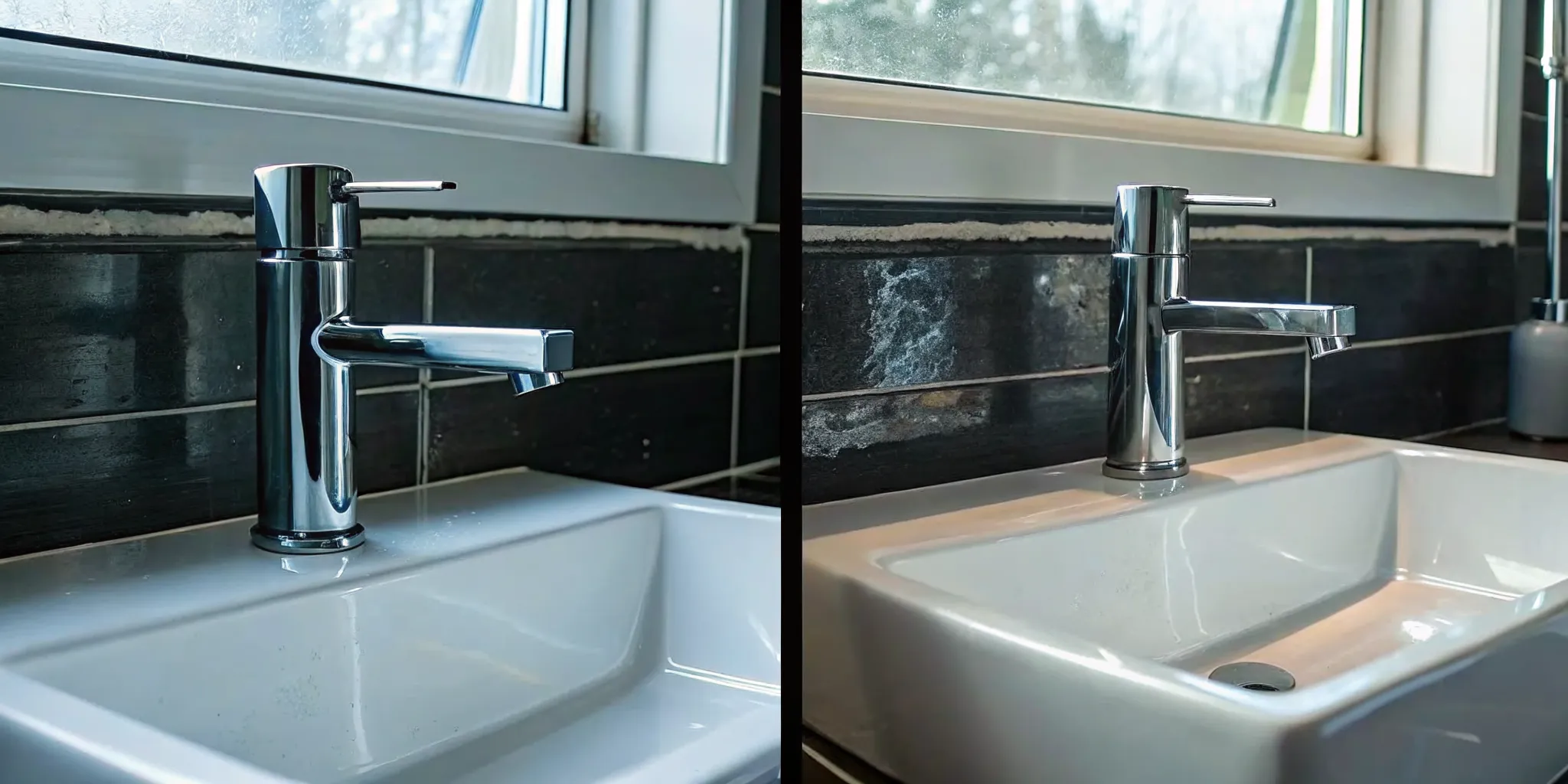
Have you noticed a stubborn, chalky white residue on your showerheads and faucets? That crusty buildup is limescale, which is left behind as hard water evaporates. You'll often find it inside your coffee maker and tea kettle, too. These mineral deposits are the calling card of hard water. While you can scrub them away with vinegar, they will keep coming back as long as the minerals are present in your water. This buildup isn't just an eyesore; it can also clog faucet aerators and showerheads, reducing water flow over time.
Soap Scum in Your Shower
If you feel like you're constantly battling a sticky, white film on your shower doors and tub, you can thank hard water. The minerals in hard water have a chemical reaction with soap that prevents it from lathering properly. Instead of creating rich suds, the soap combines with calcium and magnesium to form that dreaded soap scum. This means you end up using more soap and shampoo just to get clean, and you spend a lot more time scrubbing your bathroom to get rid of the residue it leaves behind.
Spots on Dishes and Faded Laundry
The battle with hard water continues in the kitchen and laundry room. If your glasses and silverware come out of the dishwasher covered in spots or a cloudy film, you're seeing mineral deposits. This residue, also known as limescale, can make even the cleanest dishes look dirty. In the laundry, those same minerals make detergents less effective. They can leave deposits on fabric fibers, causing your clothes to feel stiff and look dull. You might even notice that vibrant colors fade faster and whites turn a bit gray or yellow over time.
Dry Skin and Lifeless Hair
Your shower shouldn't leave you feeling itchy and dry. The minerals in hard water can strip moisture from your skin and hair. This can leave your skin feeling tight and irritated, and it may even aggravate conditions like eczema. Hard water also makes it difficult to fully rinse soap and shampoo from your body and hair, leaving behind a residue that can clog pores and weigh hair down. If your hair feels dull, brittle, and is difficult to style, your water could be the culprit.
Clogged Pipes and Low Water Pressure
While the visible signs of hard water are annoying, the hidden damage can be much more serious. Over time, mineral deposits build up inside your home's plumbing, creating a hard, thick layer of scale. This buildup narrows the diameter of your pipes, which restricts water flow and leads to lower water pressure throughout your house. It's a gradual process you might not notice at first, but it puts a significant strain on your entire plumbing system and can lead to costly clogs and repairs down the road.
How Hard Water Affects Your Pipes and Appliances
The damage from hard water often happens where you can't see it, working from the inside out to create problems in your home's plumbing and appliances. The main culprit is mineral buildup, a chalky deposit also known as scale. This scale acts like cholesterol for your home's water system, gradually constricting pipes and forcing your appliances to struggle. Over time, this silent damage can lead to expensive repairs, premature replacements, and surprisingly high utility bills. It's a slow-moving problem that can have a major impact on your home and your budget.
Why Your Appliances Are Working Overtime
The hard, chalky scale left by Minnesota's water doesn't just look bad on your faucets; it builds up inside your appliances. Think about your water heater, dishwasher, and washing machine. Mineral buildup can clog their internal pipes and coat heating elements, forcing them to work much harder to do their jobs. For example, a water heater with a layer of scale on its heating element needs more energy and time to heat your water. This constant strain not only makes your appliances less effective but also shortens their lifespan, leading to frustrating breakdowns and costly repairs you weren't expecting.
The Impact on Your Energy Bills
When your appliances have to work harder, they use more energy. It's a simple but costly fact. That scale buildup on your water heater's heating element acts as a layer of insulation, preventing heat from transferring efficiently to the water. As a result, your water heater runs longer and uses more gas or electricity just to reach the set temperature. The same principle applies to your dishwasher and washing machine. This inefficiency directly translates to increased energy consumption and higher monthly utility bills. Addressing your hard water with a solution like a water softener isn't just about protecting your appliances; it's a practical way to manage your household expenses.
Is Hard Water Bad for Your Health?
This is one of the most common questions we hear, and the answer is a little more complex than a simple yes or no. Let's get the biggest concern out of the way first: for drinking, the general consensus is that hard water is safe. The high mineral content, specifically calcium and magnesium, that defines hard water doesn't pose an internal health risk for most people. In fact, as we'll explore in a moment, those minerals are actually essential for your body.
However, just because it's safe to drink doesn't mean it's good for your body in other ways. The story changes when we talk about external exposure. The same minerals that leave stubborn spots on your dishes can also take a toll on your skin and hair, causing dryness, irritation, and dullness. So, while you don't need to worry about what's in your glass, it's worth paying attention to how your water affects you in the shower. The real, tangible issues with hard water are less about internal health and more about external comfort and the long-term health of your home's plumbing and appliances. We'll break down the facts so you can feel confident about the water in your home.
The Connection to Dry Skin and Eczema
If you struggle with dry, itchy skin or eczema, your hard water could be making things worse. The calcium and magnesium in hard water react with soap to form a sticky residue, often called soap scum. This film can be difficult to rinse away completely, leaving a layer on your skin that can clog pores and cause irritation. It can also strip your skin of its natural oils, leading to dryness and aggravating conditions like eczema. Some research suggests a link between hard water exposure and the risk of eczema in young children. While switching to soft water may not be a cure, it can certainly help reduce the daily irritation your skin faces.
Are the Extra Minerals Good for You?
It might sound strange, but the minerals that make water "hard" are actually good for you. Calcium and magnesium are vital nutrients for bone health, heart function, and hundreds of other bodily processes. The World Health Organization has stated that there is no convincing evidence that hard water has negative effects on human health. In fact, it can contribute a small amount toward your daily intake of these important minerals. Think of it as a tiny, unintentional supplement in every glass. However, the amount is usually not significant enough to rely on as a primary source, and it doesn't outweigh the many frustrating side effects hard water has on your home.
Separating Fact from Fiction
You might find some studies online suggesting a link between hard water and a lower risk of certain health conditions, but the evidence is often weak or inconclusive. The WHO has reviewed this research and maintains that there isn't enough data to recommend a specific water hardness level for health reasons. The bottom line is that drinking hard water won't hurt you and might offer a tiny mineral benefit. The real, proven problems are the ones you can see and feel: scale buildup in your pipes, overworked appliances, stiff laundry, and dry, irritated skin. Understanding exactly what's in your water is the first step to solving these issues, which is why we always start with a professional water analysis.
Debunking Common Hard Water Myths
When it comes to hard water, it can be tough to separate fact from fiction. You've probably heard all sorts of things, from scary warnings to dismissive comments. Let's clear the air and tackle some of the most common myths you'll encounter. Understanding the truth about hard water is the first step toward finding the right solution for your Minnesota home.
Myth: "Hard water is unsafe to drink."
Let's get this one out of the way first: hard water is not dangerous to drink. The "hardness" simply comes from dissolved minerals like calcium and magnesium, which our bodies use anyway. According to the World Health Organization, there is no convincing evidence that hard water causes adverse health effects. While the mineral content can vary, the water from your tap is treated to be safe for consumption. The real issues with hard water aren't about safety, but about the nuisance and damage it causes around your home.
Myth: "Soft water tastes better."
This is purely a matter of personal preference. Many people actually prefer the taste of hard water, describing it as having a richer, more "mineral" flavor. Those dissolved minerals, calcium and magnesium, are the reason why. Soft water, on the other hand, can have a slightly salty or flat taste to some, especially if it's treated with a salt-based softener. If your main goal is the purest, most neutral taste, the best solution is often a reverse osmosis drinking water system. This process filters out nearly everything, leaving you with crisp, clean water for drinking and cooking.
Myth: "It's just a plumbing problem."
If only it were that simple! While hard water is definitely tough on your plumbing, its effects are felt all over your house. That mineral buildup dries out your skin and leaves your hair feeling limp and dull. It's also the culprit behind stubborn soap scum on your shower doors and spotty dishes, no matter how much you scrub. Because hard water minerals react with soap, you end up using more detergent, shampoo, and cleaners to get the same results. This myth completely overlooks the daily frustrations and hidden costs of hard water, which is why getting a free water analysis is so important.
How to Test for Hard Water
So, you've noticed the telltale signs: spotty dishes, stiff laundry, or maybe your skin and hair just feel off. Suspecting you have hard water is the first step, but confirming it is how you can start finding a real solution. The good news is that you don't have to guess. There are several ways to test your water's hardness, ranging from a quick home experiment to a comprehensive professional analysis. Each method can give you valuable information and help you decide what to do next.
Figuring out your water's specific hardness level is key, especially here in Minnesota where water quality can vary dramatically from one town to the next. Knowing your numbers helps you understand the severity of the problem and points you toward the most effective treatment. Let's walk through the three main ways you can test your water, starting with the simplest.
Try the DIY Soap Test at Home
If you want a quick, free way to check for hardness, start with the classic soap test. All you need is a clear bottle with a secure cap (like a water bottle) and some basic liquid soap, not a detergent.
First, fill the clean bottle about one-third full with water straight from your tap. Next, add about 10 drops of the liquid soap, put the cap on tightly, and give it a vigorous shake for about 10 seconds. Now, take a look. If you see a thick layer of fluffy suds on top and the water below is mostly clear, you likely have soft water. If you see very few bubbles and the water looks cloudy or milky, that's a clear sign of hard water. The minerals in hard water react with the soap to form a scummy residue instead of a rich lather. This simple DIY test is a great first indicator.
Use a Water Hardness Test Kit
For a more precise reading than the soap test can offer, your next best step is a water hardness test kit. These are inexpensive and easy to find at most home improvement stores or online. Most kits come with test strips that you simply dip into a sample of your tap water for a few seconds.
After you dip the strip, you'll pull it out and compare its color to a chart included in the kit. The chart will show a range of colors that correspond to different hardness levels, usually measured in grains per gallon (GPG) or parts per million (PPM). This gives you a specific number instead of just a "yes" or "no" answer. While not as detailed as a lab analysis, a test kit provides solid data that can help you understand the scale of your hard water problem and begin exploring your options.
Get a Professional Water Analysis
If you want the most accurate and comprehensive understanding of your water, nothing beats a professional analysis. While DIY tests are helpful, they only test for hardness. Your water could contain other things like high levels of iron, chlorine, or other contaminants that affect its taste, smell, and quality. A professional test provides a detailed report on your water's complete chemical makeup.
This is the most reliable way to get a clear picture and make an informed decision about treatment. We believe everyone in Minnesota deserves to know exactly what's in their water, which is why we offer a completely free water analysis. One of our local experts will come to your home, perform a thorough test, and explain the results to you on the spot, with no pressure or obligation. It's the surest way to get the answers you need.
Your Guide to Hard Water Solutions
Once you know you have hard water, the next step is figuring out the best way to handle it. The right solution depends on your water's specific chemistry, your home's needs, and your personal preferences. There isn't a single "best" answer for everyone, but understanding the main options is the perfect place to start. From traditional softeners to advanced filtration, let's walk through the most effective ways to tackle hard water and improve your home's water quality for good.
Salt-Based Water Softeners
This is the classic, most effective solution for eliminating hard water. A salt-based water softener is a whole-home system that removes hardness minerals at the source. As water enters your home, it passes through a tank filled with tiny resin beads. These beads attract the calcium and magnesium ions, swapping them for soft sodium ions in a process called ion exchange. The result is truly soft water flowing from every faucet. Periodically, the system cleans itself through a regeneration cycle, using a salt-water (brine) solution to wash the collected minerals off the resin beads and flush them away. If you want to get rid of soap scum, protect your appliances, and enjoy the feel of soft water, a water softener installation is the gold standard.
Salt-Free Water Conditioners
If you're looking for an alternative to salt, a salt-free water conditioner might be the right fit. It's important to know that these systems don't actually remove the hardness minerals, so they don't technically "soften" the water. Instead, they use a process called Template-Assisted Crystallization (TAC) to change the structure of the minerals. This prevents the minerals from sticking to surfaces and forming scale inside your pipes and on your fixtures. It's a great low-maintenance option that reduces scale buildup without using salt or chemicals. While you won't get the same slippery feel of soft water, a conditioner can effectively protect your plumbing and appliances from scale-related damage.
Reverse Osmosis Drinking Water Systems
While water softeners treat your whole house, a Reverse Osmosis (RO) system focuses on providing ultra-pure water for drinking and cooking. Typically installed under your kitchen sink with a dedicated faucet, an RO system uses pressure to force water through a semi-permeable membrane. This membrane is so fine that it filters out a huge range of contaminants, including dissolved solids like calcium and magnesium, as well as chlorine, lead, and more. If your main goal is to have crystal-clear, great-tasting water straight from the tap, a reverse osmosis system is an excellent choice. It's often paired with a whole-home softener to provide the best of both worlds: soft water for cleaning and purified water for drinking.
Whole-Home Filtration Systems
A whole-home filtration system offers a comprehensive approach to improving your water. These systems treat water at the point it enters your house, ensuring every tap delivers filtered water. They are highly customizable and can be designed to address a variety of issues specific to your water quality. For instance, a system can combine a water softener to handle hardness, an iron filter to eliminate rust stains, and a carbon filter to remove chlorine tastes and odors. The first step is always understanding what's in your water. A professional analysis helps identify the exact contaminants, allowing us to recommend a tailored system that gives you clean, safe, and great-tasting water throughout your entire home. Getting a free water test is the best way to start building your perfect solution.
Is a Water Softener a Good Investment?
Thinking about a water softener often brings up one big question: is it worth the money? It's easy to see it as just another household expense, but it's more helpful to think of it as an investment in your home and your daily comfort. While there's an upfront cost, a water softener works behind the scenes to save you money and solve some of the most annoying problems hard water creates. From protecting your pipes and appliances to improving your skin and hair, the benefits add up quickly. Let's break down what you're really getting for your money.
The Long-Term Savings
Hard water is tough on your wallet. Mineral buildup forces your water-using appliances, like your water heater and dishwasher, to work much harder, which shows up on your utility bills. Over time, this strain can lead to expensive repairs and even cause your appliances to fail years earlier than they should. A water softener stops this mineral damage before it starts, helping your appliances run efficiently and last longer. When you consider the cost of replacing a water heater or washing machine, investing in one of our water softener systems to protect them makes a lot of financial sense.
Better Skin, Hair, and Cleaner Clothes
If you struggle with dry, itchy skin or dull, lifeless hair, your water could be the culprit. The minerals in hard water react with soap to create a film that doesn't rinse away easily, leaving your skin feeling dry and your hair weighed down. Soft water allows soap and shampoo to lather properly and rinse clean, leaving you feeling genuinely refreshed. This benefit extends to your laundry room, too. Detergents work more effectively in soft water, so your clothes come out brighter, feel softer, and last longer without that dingy, stiff feeling that hard water minerals can leave behind.
Weighing the Costs vs. the Benefits
When you add it all up, the value of a water softener becomes clear. You get lower energy bills, longer-lasting appliances, cleaner dishes, and brighter clothes. Plus, you get the daily comfort of softer skin and hair. The initial cost is a one-time investment that pays you back by preventing costly future repairs and reducing your monthly utility expenses. The best way to know if a softener is the right investment for your home is to understand exactly what's in your water. A free water analysis gives you a clear picture of your water's hardness, allowing you to make an informed decision based on your specific needs.
Get Your Minnesota Water Tested for Free
If you're seeing the tell-tale signs of hard water around your home, you're probably wondering just how hard your water actually is. The good news is that you don't have to guess. Getting your water tested in Minnesota is straightforward, and you have a few great options that won't cost you a dime. A good starting point is to check the annual water quality report from your local municipality. Most cities and towns publish these reports on their websites, giving you a general overview of the water supply in your area, which often includes hardness levels.
While a city report is helpful, it doesn't tell you what's happening inside your home's specific plumbing. For a more accurate and personalized picture, the best step is to get a professional analysis. At Loon Lakes Water Systems, we provide a completely free water test right at your tap. This allows us to pinpoint the exact hardness level and check for other common Minnesota water issues, like iron or sulfur. This detailed assessment helps you understand exactly what's in your water so you can make a confident, informed decision about the right solution for your home.
You can also find resources and guidance on water testing through the Minnesota Department of Health. They can point you toward certified laboratories if you need comprehensive testing for a wide range of contaminants beyond just hardness. By taking advantage of these free and accessible testing options, you'll have the clear data you need to address any water quality concerns and protect your home's plumbing and appliances.
Frequently Asked Questions
Is hard water actually dangerous to drink? Not at all. The minerals that make water hard, mainly calcium and magnesium, are harmless to drink and are even essential nutrients for your body. The problems with hard water are not about your internal health, but about the external effects on your home and body. It causes mineral buildup that damages pipes and appliances, and it can leave your skin and hair feeling dry and irritated.
What's the real difference between a water softener and a water filter? Think of it this way: a water softener has one specific job, which is to remove the minerals that cause hardness. It targets calcium and magnesium to stop scale buildup and soap scum. A water filter, on the other hand, is designed to remove other things, like chlorine, iron, sediment, or sulfur, to improve the water's taste and smell. Many homes benefit from having both, which can be combined into a single, whole-home system.
Will a salt-based water softener make my drinking water taste salty? This is a common concern, but the answer is no. A water softener uses salt to clean its internal resin beads, not to add salt directly into your water. The process, called ion exchange, swaps the hard minerals for a very small amount of sodium. The amount is so minimal that most people can't taste it, and it's typically less sodium than you'd find in a slice of bread.
My city's water report looks okay, so why do I still have white spots and dry skin? A city water report provides a great general average for your area, but it can't tell you what's happening at your specific tap. Water quality can change as it travels through miles of pipes to get to your house. A professional test at your home measures the water you are actually using, giving you a precise picture of its hardness and chemistry. This is the only way to know for sure what is causing the issues you see and feel.
If I get a water softener, how much maintenance is involved? Modern water softeners are designed to be very low maintenance. Your main job will be to keep the system filled with salt, which you might need to do every month or two, depending on the system and your water usage. Beyond that, a quality system that is professionally installed and calibrated to your home's specific water chemistry should work efficiently for years with very little fuss.
Ready for better water?
Call 612-930-0156 or request a free water test. We will explain what is in your water and help you choose the right next step.
Request Free Water Testing