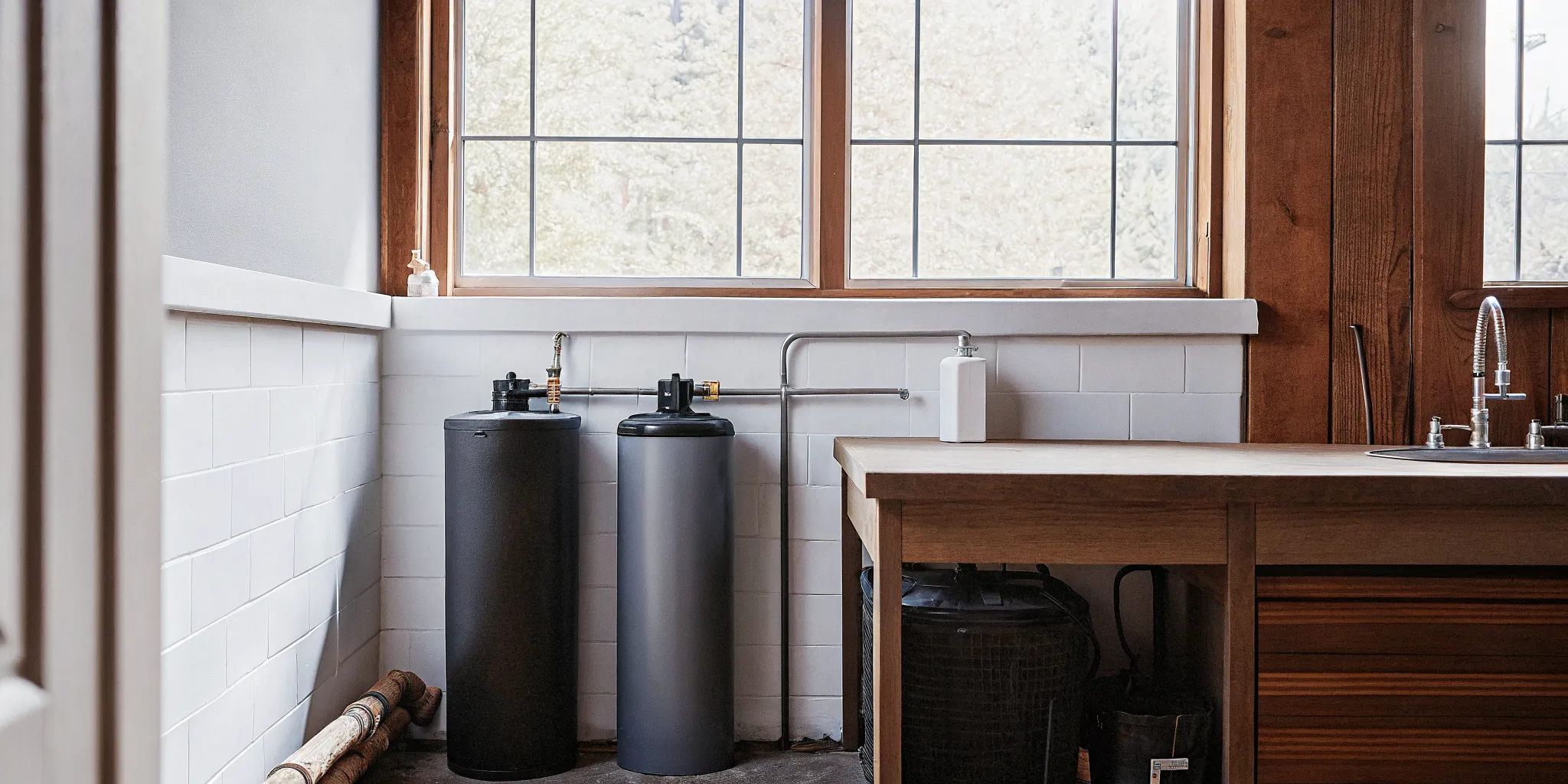
A family of four in Minnesota typically needs a water softener with a thirty-two thousand grain capacity. However, high iron or very hard water can quickly double that need for your home. Proper sizing prevents hard water from leaking in and keeps your plumbing clear.
Schedule free water testing to size your water softener correctly.
What size water softener do I need? It is a math problem based on your daily water use. The number of people in your home, and your specific local hardness level. You must also add five grains of hardness for every one part per million of iron found during your test to make sure the system removes all minerals correctly. According to industry standards, most families of four need a system between thirty-two thousand and forty thousand grains to avoid using too much salt or causing wear. Experts suggest picking a system that handles your weekly load while running at seventy-five percent capacity to keep things working right and prevent hard water leaks at home.
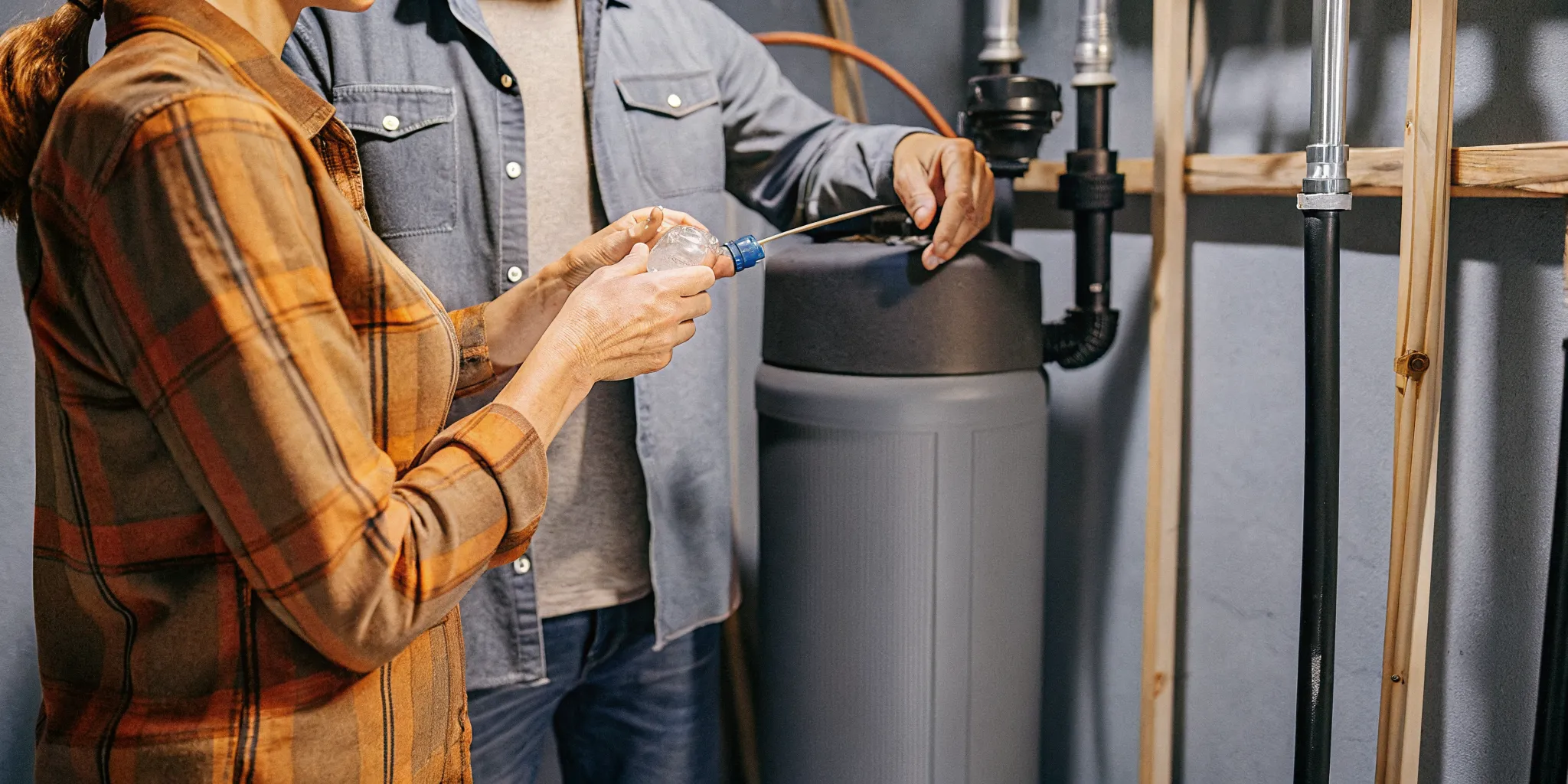
What size water softener do I need? Start with the grain load
Picking the right size for a water softener is the best way to keep your home running well. If a system is too small, it will work too hard and waste salt. If it is too large, you might spend more money than you need to. To find the right fit, you must look at your daily grain load. This is a measure of how many minerals the system must remove each day to give you soft water. Proper sizing makes sure that your water stays soft and your pipes stay clean.
Find your daily water use
The first step in picking the right size for your unit is to find out how much water your home uses. Pros often use a simple rule for this number. They guess each person in a house uses about 75 gallons of water every day. If you have four people in your home, your total daily use is about 300 gallons. You should also think about times when you have guests or use more water for laundry.
This number shows how big of a job your softener must do. Large homes with five or more people often need a bigger unit. These units can hold 48,000 to 64,000 grains. For a normal home with three or four people, a unit with 32,000 to 40,000 grains is usually enough. If your house has high-flow showers or many bathrooms, you may need a unit that can handle a larger flow of water at one time.
Check your total water hardness
Next, you need to know how hard your water is. Hard water has bits of calcium and magnesium in it. These minerals cause scale to build up in pipes and make it hard for soap to work. Hardness is measured in grains per gallon (GPG). In Minnesota, about 85% of homes have hard water, so knowing your GPG is a key step. Very hard water, which is above 12 GPG, will make your daily grain load much higher.
If you have a private well, you also need to check for iron. Iron can stain your sinks and laundry orange. It also adds to the work your softener has to do. For every 1 part per million (ppm) of iron in your water, you should add 5 GPG to your hardness score. This new number is your total grain load. You can start with free water testing to find your right levels before you buy a new system.
Use the grain load formula
Once you have your water use and your hardness level, you can use the standard formula. To find your daily grain load, multiply the gallons of water you use each day by your hardness. For example, if you use 300 gallons a day and your hardness is 10 GPG, your daily load is 3,000 grains. This tells you just how much work the resin beads inside the tank must do each day.
Most systems are sized to handle a full week of water before they need to refresh. To find your weekly size, multiply your daily load by seven. In the example above, you would need a system that can handle 21,000 grains per week. Pros often suggest proper softener sizing to make sure your unit does not wear out too fast. Using a unit that is a bit larger than your base needs helps it run well and last longer. It also stops hard water from getting into your home when the system is busy cleaning itself.
Why hardness and iron testing change the answer
You cannot know what size water softener do I need without a clear water test. Many people try to guess based on their area or a neighbor's advice. But water chemistry can change from one street to the next. Testing tells you the exact amount of minerals in your water. This is the only way to pick a system that works well for years.
Why you must test first
Water hardness is the amount of dissolved calcium and magnesium in your water. These minerals cause scale to build up in your pipes and water heater. According to the U.S. Geological Survey, hard water also makes it harder to get things clean with soap. If you guess your hardness level, you might buy a system that is too small. A small system will run out of soft water too fast. It will also waste salt and water by cleaning itself too often.
At Loon Lakes, we start with proper softener sizing based on real data. We check for hardness, iron, and other minerals that affect your system. Knowing these numbers helps us match a system to your home's needs. This ensures your softener lasts a long time and keeps your water soft.
How iron changes your math
Iron is a common problem in Minnesota, chiefly for homes with private wells. Iron can occur in Minnesota well water and should be measured before choosing a softener. Iron causes orange stains on your sinks and laundry. It also acts like "extra" hardness inside your softener. If your water has iron, you must adjust your math to find the right size. If you don't, your system will fail to remove the hardness and the iron.
The rule is to add 5 grains of hardness for every 1 part per million of iron. For example, if your test shows 10 grains of hardness and 2 parts of iron, your total hardness for sizing is 20 grains. You then multiply this number by your daily water use. Most experts say one person uses about 75 gallons of water per day. This new math is what you use to find the best tank size. Skipping this step is the most common reason softeners fail in our area. Using the right math ensures you get the choosing the right softener size for your well water.
Local water differences in Minnesota
Minnesota has many types of water sources across the Twin Cities and beyond. About 85% of homes here deal with hard water at some level. If you live in a city, your water might be treated by the town, but it can still be hard. City water often has chlorine, which can wear out the resin in your softener over time. This makes the system work less well after a few years of use.
Well water is often much harder and usually has iron or sulfur in it. Sulfur is what causes that "rotten egg" smell that many well owners know. These differences mean there is no "one size fits all" answer for our state. A system that works in Minneapolis might not be right for a home in a rural county. Each home needs a setup that matches its own water source. Knowing your source is key to finding what size water softener do I need. By testing your water, you find out exactly what is in it. Then you can pick a system that gives you clean, soft water for every tap in your house.
How household size and water use affect capacity
When you ask choosing the right softener size, your home's water use is the best place to start. A system must handle your daily needs without running out of soft water. If it is too small, it will clean itself too often. This wastes salt and water. If it is too big, the resin inside may sit too long. Most experts suggest a system that cleans itself once every six to seven days.
Estimating your daily water demand
The number of people in your home is the main factor for water use. Most people use about 75 gallons of water each day for tasks like bathing, cooking, and cleaning. To find your home's total use, multiply 75 by the number of people living there. For example, a home with four people will use about 300 gallons per day. You can find more data on home water use from the U.S. Geological Survey.
Water softeners are sized by grains of capacity. To find your daily grain load, multiply your daily water use by your water hardness. Total hardness is the amount of calcium and magnesium in your water. In Minnesota, many homes have very hard water, often above 12 grains per gallon. You can learn about how these minerals work from the USGS hardness guide.
Accounting for peak flow and habits
Beyond daily averages, you must think about peak flow. This is the most water you use at one time. This happens when two showers and a washing machine run at once. High-use fixtures like large tubs or rain shower heads need a system that can move water fast. If the system cannot keep up, you might see a drop in water pressure. You might also get hard water during these busy times. Knowing how to size your water softener for these peaks keeps your water soft all day.
Your habits also change how much water you use. Frequent guests or a growing family will increase your needs. Some homes also see seasonal changes, like using more water in the summer. It is best to size your system for your highest expected use. This helps you avoid hard water leaks when your home is busy. Professional proper softener sizing ensures your unit can handle these shifts without failing.
Adjusting for iron and well water
If you have a private well, you likely have iron in your water. Iron makes your softener work much harder than hardness alone. For every one part per million of iron, you should add five grains per gallon to your hardness score. This is called compensated hardness. Without this change, your system will be too small. It will not remove all the iron. This can lead to orange stains on your sinks and tubs. Most Minnesota wells contain iron. Getting free water testing is a vital step before you buy any new equipment.
A homeowner-friendly water softener sizing example
Finding the right size for your water softener helps you avoid hard water spots and salt waste. You do not want a unit that is too small, as it will run too often. You also do not want one that is too large, as it may not rinse itself well. To answer the question, what size water softener do I need, you can look at a simple example. This math helps you see how much work your unit must do each week.
Find your daily water needs
Most experts say that one person uses about 75 gallons of water every day. This covers showers, laundry, and flushing the toilet. For a family of four, that means you use 300 gallons of water per day. This is the base for all your math. If you use more water for hobbies or a pool, your needs might be higher. It is best to look at your water bill to find your real use.
The step-by-step sizing math
- Count the people in your home. Start with everyone who lives in the house full-time. For this example, we will use a family of four.
- Find your daily water use. Multiply your house count by 75 gallons. For our family, that is 4 people times 75 gallons, which equals 300 gallons per day.
- Check your water hardness levels. Hardness is the amount of calcium and magnesium in your water. If your test shows 10 grains per gallon (GPG), use that number.
- Add a factor for iron. If you have iron in your well water, it makes the unit work harder. Add 5 GPG to your hardness for every 1 part per million (ppm) of iron. If you have 2 ppm of iron, add 10 to your 10 GPG for a total of 20 GPG.
- Find your daily grain load. Multiply your daily water use by your total hardness. In our case, 300 gallons times 20 GPG equals 6,000 grains per day.
- Find your weekly size needs. Most systems should go about a week between cleanings. Multiply 6,000 grains by 7 days to get 42,000 grains.
Why your water test matters
Picking the right size is also about saving money. A unit that is sized well uses less salt and less water to clean itself. If the unit is too small, it cleans itself too often and wastes salt. If it is too big, the resin inside might get dirty before it cleans. Finding the sweet spot helps your unit last longer and work better. This keeps your soft water flowing without high costs.
This math is a great start, but it only works if your numbers are right. Small changes in your iron or hardness levels can change the size you need by a lot. Also, if your family grows or you add new guest rooms, your water use will go up. This is why an expert free water test is so helpful. It gives you the exact facts you need to pick a unit that lasts for years. A local pro can look at your plumbing and usage to help you find the best fit for your Minnesota home.
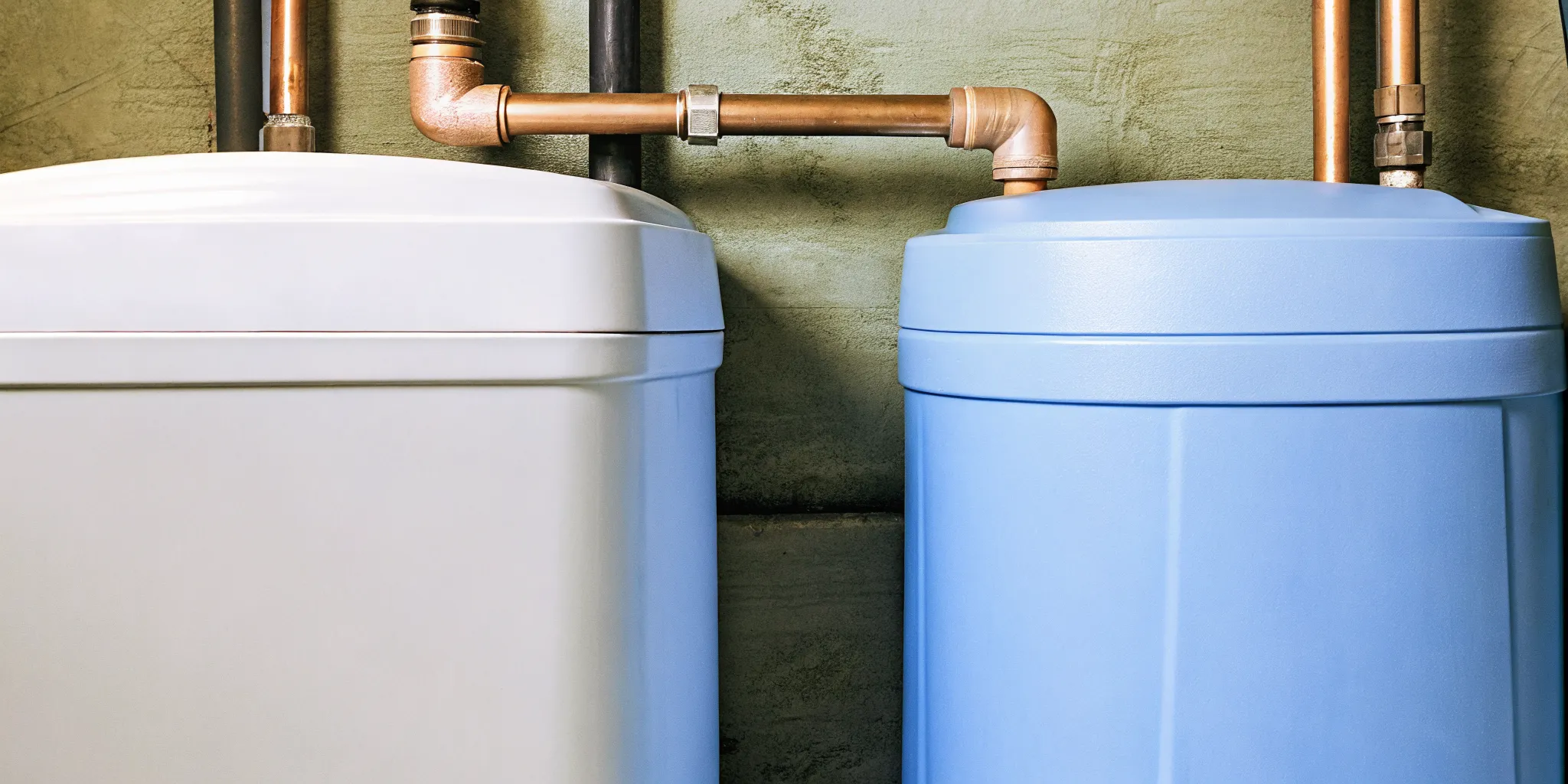
Why bigger is not always better
You might think a large water softener is always a safe bet for your home. If a small unit works well, a big one must be better, right? But picking a system that is too large can lead to real problems. It is not just about having enough size to handle hard water minerals like calcium and magnesium. You also need a system that fits your home's water use and plumbing flow. A system that is not the right fit can cost you more money and cause more stress over time.
Risks of choosing a small system
When you pick a softener that is too small for your home, it works much harder than it should. An undersized unit must clean itself very often to keep up with the water you use. This frequent cleaning leads to more wear on the system parts and shorter system life. It also wastes a lot of salt and water because of how often it cycles. If the system cannot keep up with your needs, hard water can leak into your home's pipes. This is why proper softener sizing is so vital for long-term care and saving on salt.
A small system might also struggle with your peak water flow. If too many people use water at once, the system might not be able to soften it fast enough. This can lead to hard water reaching your shower or laundry even when the system is not empty. It can also cause a drop in water pressure when the unit tries to keep up. Choosing a size that matches your peak demand helps you keep steady flow and soft water all day long.
The high cost of an oversized unit
Buying a system that is too large also has downsides you might not expect. A giant tank might sit for too long between cleanings if you do not use enough water. When a system does not clean often enough, the resin beads inside can get dirty or grow bacteria. Also, a big system uses more salt and water during each cycle than a smaller one. You want a unit that runs with the best salt use to keep your costs low. Many experts say you should set your system to use about 75% of its full size to stop issues and keep it clean.
The grain size on the box can be false for your home. A system built for 48,000 grains might only hit that peak if it uses huge amounts of salt. This is why listed size is often a bad guide. For most homes, it is better to run a system at a lower setting to get the most out of every bag of salt. Instead, look for a size that fits your daily load with a smart cleaning plan. You can start by getting Free Water Testing to know your exact needs before you buy any unit.
Finding your perfect system size
The best way to pick a size is to see how other systems will work in your home's daily life. A good system should handle your peak water flow without a drop in pressure. It should also clean itself every six to ten days to keep the resin fresh. If it cleans more or less than that, you may have the wrong size for your home. This table shows how sizing affects your home water care and salt use.
| Factor | Undersized | Correctly Sized | Oversized |
|---|---|---|---|
| Cleaning Cycle | Too often (daily) | Every 6 to 10 days | Rarely (over 14 days) |
| Salt Use | Poor (wastes salt) | Best use | Poor use |
| System Life | Short due to high wear | Long and steady | Long, but resin may get dirty |
| Water Flow | May cause low pressure | Steady and strong | Strong but wasteful |
Getting the right fit means you get soft water without wasting money on salt or repairs. A pro can look at your plumbing and water test results to find the best match for your house. This helps you stop the hidden costs of a system that is either too small or too big for your life. Knowing your size helps you pick a system that lasts for years without the fuss.
How regeneration settings affect the right size
The settings your pro picks change how much water your softener can clean before it needs to rest. This rest period is called regeneration. When you ask what size water softener do I need, you must look at how often the system will run this cycle. A system that cleans itself too often will wear out fast and waste salt. To avoid this, experts suggest proper softener sizing based on your home's unique water test results.
Why usable capacity matters
Most softeners are not set to use their full grain capacity. Using every grain of space makes the system less useful. It can also lead to hard water leaking into your pipes. Many pros set systems to use about 75 percent of their total capacity. This buffer helps the resin stay in good shape for a longer time. It also prevents the scale buildup that the U.S. Geological Survey notes can damage home water heaters and clog pipes.
If your water is hard, this setting is even more vital. Hardness over 12 grains per gallon puts a heavy load on the resin. Without the right capacity, the unit might need to clean itself every single day. This frequent cycle leads to extra wear and higher salt costs. Choosing a larger tank allows for more time between cycles. This keeps your how to size your water softener plan on track for long-term savings and better work.
Smart cleaning and reserve
Modern water softeners use a meter to track how much water you use. This is called demand-started regeneration. The system waits until the resin is nearly full before it starts a cleaning cycle. It also keeps a small amount of capacity in reserve. This reserve ensures you have soft water if you use more than usual one day. If your system is too small, the reserve will be tiny. You might run out of soft water before the next scheduled cleaning time.
The reserve size depends on your daily water habits. A family of four uses more water than a single person. Your pro will set the reserve based on your peak use. If the tank is small, the system must regenerate more often to keep that reserve ready. This is why looking at your daily water flow is a key part of proper softener sizing for your household.
Salt use and system savings
The amount of salt used during a cycle also affects capacity. Using more salt can squeeze more capacity out of a small resin tank. However, this is not the best way to run a home. It uses much more salt for each grain of hardness removed. High salt doses can also shorten the life of the resin. A larger system can use a lower salt dose to achieve the same results. This saves you money on salt bags over the life of the machine.
Pro settings bridge the gap between the tank size and your daily needs. A pro will balance salt use, water waste, and resin life. They set the valve to match your water's specific minerals. They also look at your plumbing size and water pressure. These small changes help the system run with low waste and high value. When you find the right balance, you get soft water without the high cost of constant upkeep or salt refills. You also avoid the risk of hard water breakthrough during peak times.
Frequently Asked Questions
How do I calculate what size water softener I need?
To find your best system size, multiply the number of people in your home by 75 gallons of daily water use. Next, multiply that total by your water hardness in grains per gallon. For a weekly capacity, multiply that result by seven. According to the industry standard formula, this helps you find the total grain load your unit must remove before it needs to clean itself.
How does iron in my water affect the size of water softener I need?
Iron adds to the compensated hardness your system must handle. For every one part per million of iron found in your water, you should add five grains per gallon to your base hardness score. Iron is common in Minnesota well water, so failing to adjust for this mineral can lead to an undersized unit that cannot keep up with local needs. This helps prevent orange stains on your fixtures and laundry.
What size water softener is needed for an average home?
A normal home with three to four people usually needs a system with a capacity between 32,000 and 40,000 grains. However, this depends on how hard your water is. If you live in a part of Minnesota with high mineral levels, you may need a larger unit to avoid salt waste. This sizing guide shows why matching the system to your specific water test results is the best way to get good performance.
What happens if my water softener is too small?
If your unit is too small, it will have to clean its resin bed more often than it should. This leads to salt waste and puts extra wear on the valve and other parts. It also increases the risk of hard water getting into your pipes when the system reaches its limit too soon. Getting an accurate water test ensures you pick a size that runs well and lasts for many years.
Ready to find the right water softener size for your home?
Accurate sizing starts with measured hardness, iron, and household water use. A test-first recommendation helps prevent hard water breakthrough, excessive regeneration, and unnecessary salt use without pushing you toward more capacity than your home needs.
Ready to schedule free water testing? Call 612-930-0156 to talk with Loon Lakes Water Systems and schedule your free water test.