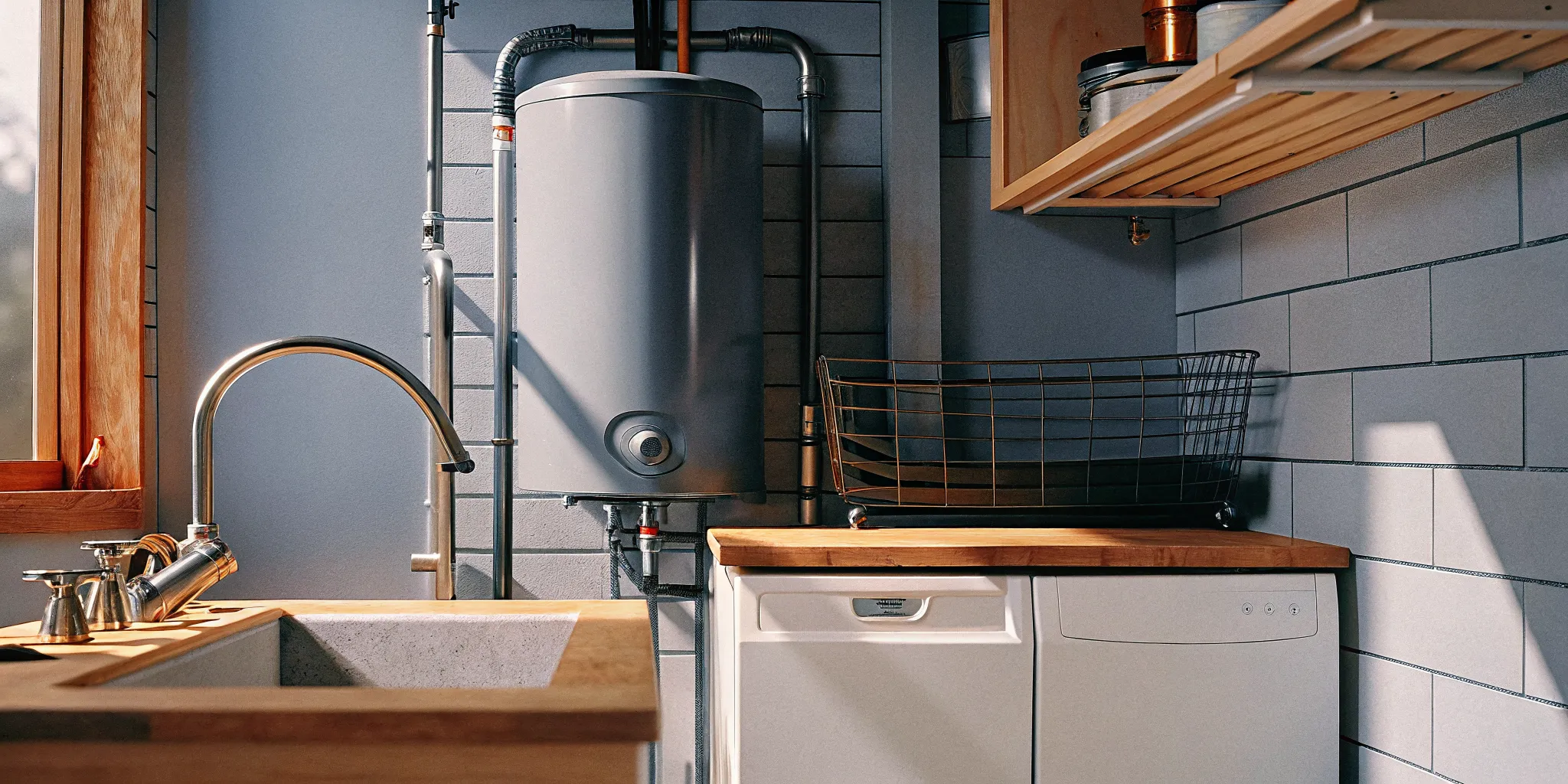
Hard water effects on appliances often begin quietly: a cloudy dishwasher load, a noisy water heater, or a faucet that no longer flows evenly. Calcium and magnesium are common in Minnesota water, but when those minerals collect as scale, they can interfere with water-contact parts and make routine maintenance more frequent.
Hard water can leave scale on heating elements, clog small openings, reduce flow, and contribute to premature wear. The practical response is to test first, identify the hardness level and any related concerns such as iron, then choose maintenance or treatment based on the results.
Knowing how minerals affect your home helps you distinguish ordinary wear from a water-quality issue. The sections below explain where scale develops, which warning signs matter, and how Loon Lakes Water Systems can help you make an informed plan.
Hard water effects on appliances start with mineral scale
Hard water is a very common issue for people in Minnesota. Many Minnesota homes deal with elevated levels of minerals such as calcium and magnesium. While these minerals are safe to drink, they are not kind to your home. They cause a rock-like buildup called scale. This buildup is the main reason behind most hard water effects on appliances. If you have scale in your home, it means your water is working against your gear every day.
Why heat makes scale worse
Scale forms when minerals in your water turn into solid bits. This change happens most often when water gets hot or when it dries. When you run your water heater, the heat causes calcium and magnesium to settle out. These minerals stick to the tank walls and the heating parts. Research shows that calcium carbonate scale buildup occurs in both tank and tankless water heaters. The heat acts like a glue that bonds the minerals to any metal surface they touch.
This process does not stop in the heater. Hot water carries these minerals into your dishwasher and washing machine. As the water sprays and heats up, more scale forms on the parts inside. You might not see it at first, but a thin layer of rock is growing inside your pipes. This layer acts as a wall that keeps heat from reaching the water. This is a big reason how hard water affects your home plumbing and leads to higher power bills over time.
Common signs of gear scale
You can often spot scale by looking at the small parts of your faucets. White crust on faucet tips or shower heads is a major clue. This crust blocks the tiny holes where water should flow. This leads to weak or uneven spray patterns that make it hard to rinse off. You may also see these signs on your dishes and glasses. Hard water leaves white spots or a cloudy film that will not go away with normal soap.
Here are some visible signs that scale is affecting your home:
- White spots or a chalky film on glasses after a dishwasher cycle.
- A stiff or scratchy feel to your clothes after they come out of the wash.
- Soap scum that builds up fast in your sinks and tubs.
- Low water pressure at your faucets because of clogged screens.
Hidden damage in major systems
The most harm happens where you cannot see it. Scale coats the inside of your major systems. It builds up on the pumps, seals, and valves that move water through your home. These parts have to work much harder to do their jobs. This extra stress is a key part of preventing hard water damage to appliances before they fail. When parts are coated in rock, they are more likely to leak or break down.
Hidden scale also acts as a trap for other issues. It can catch small bits of iron or silt, which makes the buildup even harder. In Minnesota, many private wells have iron that mixes with hard water. This mix can leave orange stains and thick sludge inside your gear. Over time, these layers lower how well your home works. You might not know there is a problem until a machine stops working. Taking a look at your water now can help you find these hidden threats before they cost you money.
Which household appliances show hard water problems first?
Water heaters, dishwashers, and washing machines often show hard water problems first because they repeatedly heat, spray, or move mineral-rich water.
Hard water is common in Minnesota. This water contains high levels of minerals like calcium and magnesium. These minerals create a hard crust called scale. This scale builds up inside your pipes and tools. It often hits the machines that heat or use a lot of water first. Since hard water is so common here, it helps to know what to look for in your own home.
Water heaters and energy loss
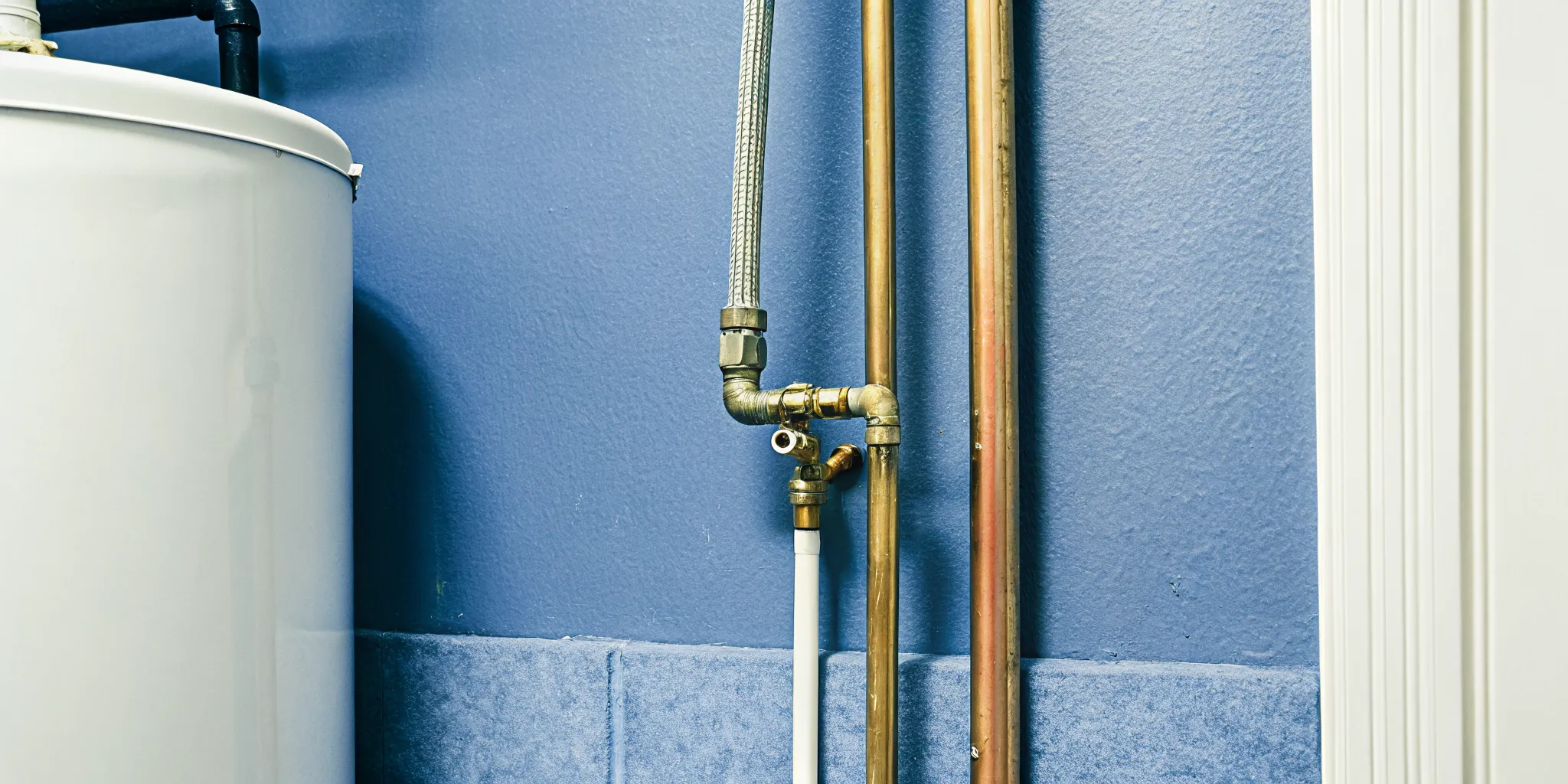
Your water heater is usually the first place to show signs of hard water damage. When water gets hot, minerals fall out of the liquid. They turn into solid scale at the bottom of the tank or on heating coils. This layer acts like a thick blanket that blocks heat. It makes the heater work harder and use more power to warm your water. This extra work can lead to higher bills and more wear on the system.
You can often hear this problem before you see it. If your heater makes popping or rumbling sounds, it may be a sign of scale. The noise comes from steam bubbles that get trapped under the mineral crust. This buildup can hurt energy use in both tank and tankless units. Over time, the stress from this heat block leads to leaks or failed parts. You may need to flush the tank more often to keep it running well.
Dishwashers and visible film
Dishwashers are also at risk from hard water. You will likely see the effects on your plates and glasses first. Hard water leaves behind white spots or a cloudy film. This happens because the minerals do not rinse away with the water. Instead, they dry onto the surface of your dishes. This film can make even clean dishes look dirty and dull.
Inside the machine, scale can clog the small holes in the spray arms. This reduces water flow and keeps your dishes from getting a deep clean. Hard water also makes soap and soap products work less well. You might find that you need to use more soap just to get a good lather. To learn more, see how hard water affects your home plumbing and your daily chores. Checking for white film on the inner walls of the machine is a good way to find scale early.
Washing machines and soap scum
Washing machines face the same risks from mineral scale. The buildup can form on the heating element and the inner drum. This makes the motor work harder, which leads to more repairs. You might notice that your clothes feel rough or look faded after a wash. This is because the minerals stay in the fabric and make the fibers stiff.
Hard water reacts with soap to create a sticky film called soap scum. This film can trap dirt in your laundry instead of washing it away. It also builds up inside the pump and hoses of the washer. This can cause the machine to drain slowly or smell bad over time. Using a water system is a great way of preventing hard water damage to appliances and keeping your clothes soft. If you see grey stains on your white clothes, it could be a sign of hard water.
How does hard water affect plumbing and fixtures?
Hard water leaves visible deposits on fixtures and can gradually narrow small plumbing openings. The result may be uneven spray, reduced flow, stubborn spotting, and valves that become difficult to operate.
Hard water is a common issue for many Minnesota homeowners. When minerals like calcium and magnesium stay in your water, they can cause many problems for your home plumbing. These minerals often form a hard crust called scale. This scale builds up on your faucets and inside your pipes over time. You might notice that your fixtures lose their shine or develop white spots that are hard to clean.
Visible damage to faucets and showerheads
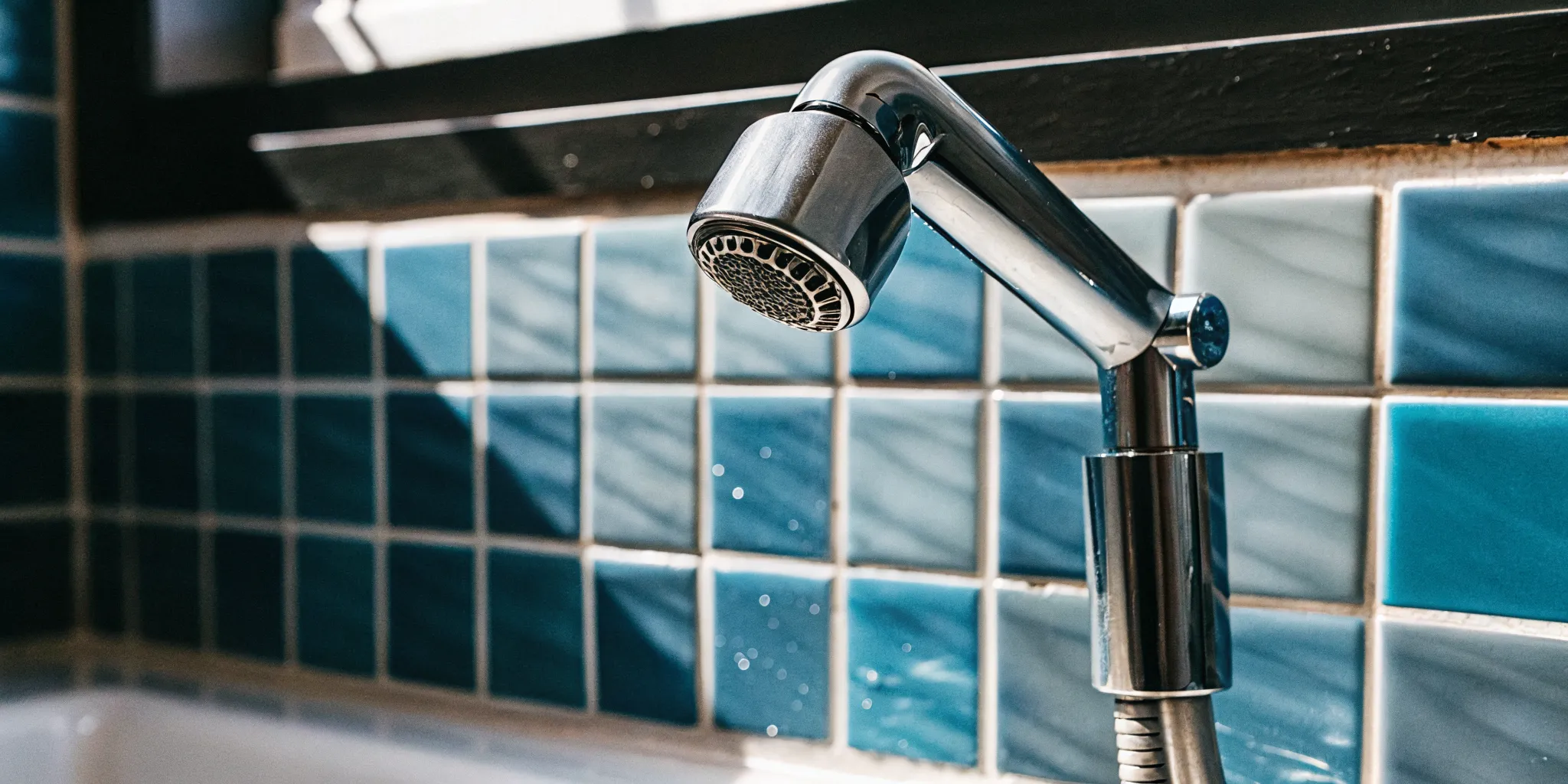
You may first notice hard water issues on your bathroom and kitchen fixtures. White, chalky spots often appear on chrome and brushed nickel surfaces. This buildup can do more than just look bad. It can also block the small holes in your showerheads and faucet aerators. According to Loon Lakes Water Systems, scale buildup can lead to uneven water spray patterns and reduced flow.
If you see these spots, it is a sign that your water has high mineral levels. You may find that you need to clean your fixtures more often to keep them working well. Scrubbing these spots away can take a lot of time and effort. Using harsh cleaners to remove the crust can also damage the finish on your expensive faucets. These signs are often the first clues of how hard water affects your home plumbing and fixtures.
Hidden scale buildup inside pipes
While the spots on your faucets are easy to see, the real damage often happens where you cannot look. Mineral deposits from hard water can grow inside your plumbing pipes. As the scale layer gets thicker, it leaves less room for water to move through the lines. Research shows that calcium carbonate scale can lead to infrastructure damage in home water systems.
This internal buildup can slowly lower the water pressure in your whole home. You might notice that your shower feels weak or that it takes longer to fill the bathtub. This is one of the most common hard water effects on appliances and plumbing systems. While hard water does not always cause a total clog, it makes your plumbing work much harder than it should. Thick scale can also make it harder for your water to stay at the right heat as it moves through the house.
Effects on valves and plumbing flow
Hard water can also affect the moving parts inside your plumbing. Valves that control the flow of water can become stuck or leaky because of mineral crust. This includes the shut-off valves under your sinks and the main water valve for your house. If a valve cannot close all the way, you might face a higher risk of water damage during a leak. This can lead to repairs, although the right response depends on test results and the condition of the plumbing.
Over time, these issues can lead to higher repair bills and the need for new parts. Protecting your home starts with knowing what is in your water. If you are worried about your pipes, you can schedule a free water test to see how hard your water is. Getting the right facts helps you choose the best way to keep your plumbing in good shape for years to come. Local experts can help you find a plan that fits your home and your budget.
Warning signs that point to hard water
Most people in Minnesota deal with high mineral levels in their water. These minerals, mainly calcium and magnesium, leave clear signs around your home. You might see white spots on your clean dishes or a film on your glass shower doors. These are hard water effects on appliances and fixtures that you can see. Spotting these issues early can help you avoid big repair bills later.
Signs on your fixtures and dishes
One of the first things you may notice is soap scum in your sink or shower. Hard water makes it hard for soap to work well. This leaves a sticky film behind. You might also see white crusty buildup on your faucets. This is scale. Over time, how hard water affects your home plumbing can lead to lower water flow as these minerals build up inside your pipes.
Your kitchen also shows signs of hard water. If your glasses come out of the dishwasher with white spots or a cloudy film, minerals are likely the cause. This film is hard to scrub off and may need special cleaners. These identifying hard water signs in appliances can help you know when it is time to check your water quality.
Impact on hot water systems
Your water heater often shows the worst effects of hard water. Heat makes minerals settle out of the water faster. This creates a hard layer of scale on the heating parts. This layer acts like a blanket. It makes your heater work harder and use more energy to warm your water. Research shows that this scale buildup in water heaters can hurt energy efficiency and even damage the tank over time.
| Warning Sign | Where It Appears | What It Means | Next Step |
|---|---|---|---|
| White Spots | Glassware and dishes | Mineral film left behind | Test water hardness |
| Crusty Buildup | Faucets and showerheads | Scale is clogging flow | Clean with vinegar |
| Soap Scum | Sinks and bathtubs | Soap is not lathering | Check softener salt |
| Low Flow | All water outlets | Scale inside the pipes | Schedule water test |
| Strange Noises | Water heater tank | Scale on heating parts | Flush the water tank |
The value of testing first
While these signs are helpful, they do not tell you the full story. Every home in the Twin Cities has a different level of hardness. Knowing your exact numbers helps you pick the right fix. We always suggest that you schedule free water testing before you buy any new system. This ensures you get a tool that fits your home and keeps your water clean.
What maintenance can reduce hard water buildup?
Regularly cleaning accessible fixtures, following appliance manuals, and servicing water heaters can reduce existing buildup. Maintenance manages scale already present, while water treatment addresses the incoming mineral load.
Hard water is a common issue in many Minnesota homes. It can lead to a range of finding hard water signs in appliances, like white spots or slow water flow. While cleaning helps, it only treats the signs of the problem. It does not change the water itself. To keep your home running well, you must take care of the parts where water flows. These steps help you manage the effects on your pipes and machines.
Clean your home fixtures
Scale buildup often starts at your faucets and sinks. You might see a white crust on the tips of your taps. This crust can block the small holes in your faucet aerators. When this happens, your water might spray in odd ways. It can also lower the water pressure in your sink. To fix this, you should clean these parts often. Most people can do this with simple tools and a mild cleaner like vinegar. This keeps your sinks and showers looking clean and working right.
Check your large appliances
Your large machines also need care. This includes your dishwasher and washer. Hard water can leave a film on the inside of these machines. Over time, how hard water affects your home plumbing can lead to deeper issues. The minerals can coat heating parts and small pipes. This makes the machines work harder and use more power. It can even lead to breaks that cost a lot to fix. Checking these parts now can save you money later.
Follow these steps to keep your home in good shape. Steady care can stop minor issues from turning into big repairs.
- Remove and soak faucet aerators. Take the tips off your faucets and put them in a bowl of vinegar to break down minerals.
- Clean showerheads with a small bag. Tie a bag of cleaner around the showerhead and let it soak to clear the small holes.
- Read your machine manuals. Check the steps from the maker of your machines for how to clear out scale.
- Flush your water heater tank. A study in the National Library of Medicine shows that scale can hurt your home, so flush the tank once a year.
- Test your water for free. You can book free water testing to see the level of minerals in your water.
Steady care can help your machines last longer. It keeps them clean and running well. But remember that cleaning only fixes the damage that already happened. It does not stop new scale from forming in your pipes. If you find yourself cleaning every week, it might be time for a better fix. A water softener can stop the minerals before they even enter your home. This can reduce repeated cleaning and help limit new mineral deposits.
When should you consider whole-home water conditioning?
Consider whole-home water conditioning when testing confirms hardness and scale repeatedly affects several fixtures or appliances. A properly selected system can address minerals before water reaches those surfaces.
Many people in Minnesota only think about their water when they see a problem. Hard water is widespread across the state. If you see white crust on your sink or spots on your glass, you likely have it too. These signs show that minerals are moving through every pipe in your house. A whole-home system treats all the water at once. This keeps your plumbing and fixtures safe.
Common signs of hard water
You can often find clues of water issues in your everyday life. Soap may not lather well in the shower, or you might find a film on your skin. These issues happen because calcium and magnesium react with your soap. Over time, these minerals build up and cause clear damage to your home.
- White spots or a cloudy film on your dishes after they dry.
- Soap scum that is hard to scrub off shower walls or tubs.
- Low water pressure caused by scale inside your pipes.
- Uneven spray from your showerheads or sink faucets.
Limits of surface cleaning
It is easy to reach for a bottle of cleaner when you see a spot. But cleaning the surface does not fix the root of the issue. Hard water issues start where the water enters your home. By the time you see scale on a faucet, it is already deep inside your pipes and water heater.
For your hot water tank, the risk is even higher. Scale acts as a layer that traps heat. This makes the heater work harder and use more power. Experts at the National Institutes of Health found that this buildup can lower energy efficiency and damage the tank. A whole-home system stops these minerals before they can settle in your heater.
Benefits of whole-home treatment
If you find yourself fixing the same issues every month, it may be time for a change. Point fixes like special soaps or shower filters only help in one spot. Whole-home water conditioning protects every machine that uses water. This helps you avoid the hard water effects on appliances like your dishwasher, laundry machine, and coffee maker.
Addressing scale at the source can protect water-contact surfaces throughout the home. You will use less soap and spend less time scrubbing. To find the right fit for your home, you should start with a close look at your water. You can schedule free water testing to see exactly what is in your local supply.
How can a water test confirm the cause?
A water test measures hardness instead of relying on symptoms alone. It can help separate calcium and magnesium scale from related issues such as iron or sulfur, so the recommendation fits the actual water.
You may see white spots on your dishes or scale on your showerhead. These are clear signs of hard water in your home. But visible clues only tell part of the story. To truly protect your home, you must find out what is in your water. A water test is the best way to do this.
Visible signs vs clear facts
Many people guess their water is hard when they see soap scum or film on their glass. These signs show that minerals are present. But you cannot tell how hard your water is just by looking. You also cannot see iron or other minerals that may hide in your pipes. Finding hard water signs in machines is a good start, but it is not a full answer.
A water test gives you a clear number for your water hardness. We measure this in grains per gallon. Knowing this number helps you pick the right tools to fix the issue. It also shows if you have other problems like iron or sulfur. These extra minerals can cause stains and bad smells. A simple test takes the guesswork out of the task.
Finding the exact mineral count
Hard water has high levels of minerals like calcium and magnesium. These minerals are what cause scale buildup in water heaters and other machines. Scale acts like a blanket inside your appliances. It makes them work harder and use more power. This can lead to big repair bills or even a broken machine too soon.
A test shows the exact mix of minerals in your well or city water. Hardness levels vary significantly by water source and location, so your water may differ from a nearby home. A precise test tells you how much work your softener needs to do. This helps you set up your system to work at its best.
The value of an expert test
You can buy home kits, but they are often hard to read. A professional water test can provide clearer measurements and evaluate relevant concerns beyond hardness. Testing helps the team recommend an appropriate response instead of relying on appearance or odor alone.
At Loon Lakes Water Systems, we follow a simple rule: test first. We want to be sure we find the real cause of your water issues. Our team provides free water testing to help you know more about your water. We do not use pushy sales tricks. Instead, we give you the facts you need to make a good choice for your home. This helps you stop the hard water effects on appliances before they start.
Once you have your test results, you can move forward with trust. You will know if you need a softener, an iron filter, or both. This plan ensures your appliances last longer and work better. It is the first step toward a home with clean, soft water.
Frequently Asked Questions
The answers below cover common questions about appliance scale, maintenance, and water heater performance.
Does hard water affect the lifespan of appliances?
Hard water can contribute to premature appliance wear. The minerals in the water form a thick crust on parts like heating coils and pumps. This can make components work harder and wear sooner. According to Loon Lakes Water Systems, taking care of your water early can stop the need for costly repairs. Without a fix, you may have to replace your washer or water heater much sooner than you planned.
How can I protect my appliances from hard water damage?
When testing confirms hardness, a properly sized water softener can help protect water-using appliances. This tool removes hard minerals before they enter your home. A whole-home system treats all the water that flows to your sinks and tools. Loon Lakes Water Systems offers these fixes to protect your home. This stops the scale from building up in the first place. This may reduce scale-related energy waste and wear.
What is the best way to remove limescale from appliances?
Removing scale can be hard because it sticks to surfaces. You can use mild acids like vinegar to soak small parts like faucet tips. However, deep scale inside a machine may need special cleaners. These cleaners can be harsh, so read the tool manual first. Loon Lakes Water Systems notes that scale is hard to clear once it forms. Preventing new scale may be more practical than repeatedly cleaning deposits after they form.
How does hard water impact water heater efficiency?
Hard water scale can reduce water heater efficiency. Minerals form a layer of scale on heating parts. This layer acts like a wall that keeps heat from reaching the water. The unit must run for a longer time to get the water hot. A study in the National Library of Medicine shows that this scale hurts energy use in both tank and tankless systems. Depending on the amount of scale and equipment condition, this can contribute to higher utility use.
Ready to stop hard water from damaging your home?
Start with a water test, then choose a response based on the results and the condition of your equipment. Loon Lakes Water Systems can explain the findings and help you compare practical next steps.
Hard minerals can continue collecting inside water heaters, plumbing openings, and appliances until the incoming water or maintenance routine changes. Rather than guessing at a solution, start by confirming the hardness level and discussing whether maintenance, repair, or the right water softener system fits your home.
Schedule Free Water Testing or call 612-930-0156 for a clear, practical plan.