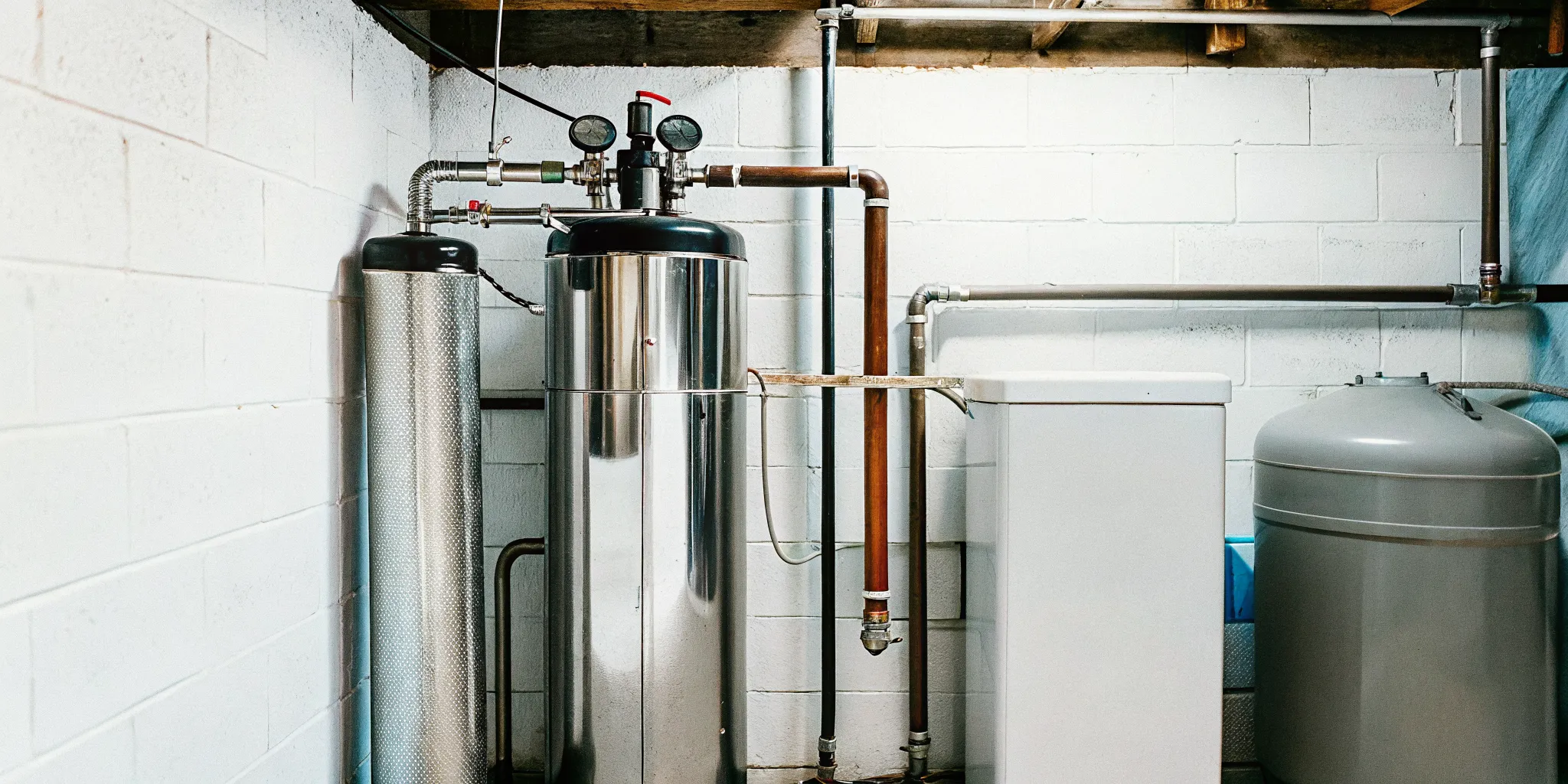
Iron filtration well water treatment Minnesota systems remove heavy mineral deposits that cause orange staining and metallic tastes in private wells. Since 90 percent of Minnesota wells contain iron, most homeowners need a special filter to protect their plumbing and laundry. The Minnesota Department of Health says iron levels above 0.3 mg/L cause stains and odors in your home. Effective treatment systems use oxidation or special media to pull dissolved iron out of the water before it reaches your faucets. These systems often work alongside water softeners to handle both mineral hardness and high iron levels. By installing a professional filtration system, you can stop rust spots on clothes and keep your drinking water clear. Testing your water is the first step toward finding the right treatment for your specific well.
Iron Filtration Well Water Treatment Minnesota: What Is Iron in Well Water and Why Is It a Problem in Minnesota?
Iron is a natural part of the earth and the most common mineral in its crust. In Minnesota, the soil and bedrock are rich with iron deposits left behind by glaciers. As rain and snow soak into the ground, they pick up these minerals and carry them into our underground water supply. This makes iron filtration well water treatment a top priority for most local homeowners.
According to the Minnesota Department of Health, iron levels above 0.3 milligrams per liter are often considered objectionable. While iron does not usually pose a health risk, it causes major headaches for plumbing and appliances. About 90% of private wells in the state contain some level of iron, which can vary greatly from one town to the next.
Types of iron in your well
There are three main forms of iron that show up in Minnesota wells. Ferrous iron is often called clear water iron because the water looks clean when it first comes out of the tap. Once it hits the air, it turns orange or red. Ferric iron, or red water iron, is already rusty and visible as soon as you turn on the faucet. It looks like tiny bits of rust floating in your glass.
The third type is iron bacteria. These tiny organisms feed on the iron in your water and create a thick, slimy sludge. This slime often builds up in toilet tanks and plumbing lines. You might notice a strange smell or oil-like sheen on the water surface if you have this problem. Proper iron removal for well water is the only way to clear out these stubborn bacteria.
Signs of an iron problem
The most common sign of high iron is bright orange or brown staining. These stains show up on your sinks, toilets, and laundry. Over time, the mineral can ruin white clothes and leave ugly rings in your bathtub. It can also give your drinking water a sharp, metallic taste that makes coffee and tea taste bitter.
Iron is also hard on your home infrastructure. It builds up inside pipes, water heaters, and pressure tanks. This scale reduces water flow and makes your appliances work harder, which can lead to early failure. If you see orange stains or notice low water pressure, treating iron in Minnesota homes can save you money on repairs and replacements in the long run.
Signs Your Well Water Has an Iron Problem
Most well owners in Minnesota deal with some level of iron in their water. In fact, iron is present in about 90% of private wells across the state. While it does not usually pose a health risk, water with iron levels above 0.3 milligrams per liter is often considered objectionable by homeowners. This mineral can cause many issues that affect your daily life and your home's plumbing. Recognizing the early signs can help you find the right treating iron in Minnesota homes solution before the damage gets worse.
Visible stains on fixtures and laundry
One of the most common signs of an iron problem is the appearance of orange, red, or brown stains. You may see these marks on your sinks, toilets, and showers. These stains happen when the iron in your water meets the air and rusts. This process can also ruin your clothes during a wash cycle, leaving permanent spots on your favorite items. According to the Minnesota Department of Health, iron can cause yellow or brown stains on dishes and plumbing fixtures that are hard to remove with standard cleaners.
Changes in water taste and smell
High iron levels often change the way your water tastes and smells. Many people describe the flavor as metallic or like pennies. This taste can carry over into your coffee, tea, and cooked food. You might also notice a foul smell coming from your taps. A sulfur or "rotten egg" odor often accompanies iron in well water. In some cases, iron can even cause a rainbow sheen to appear on the surface of your beverages in bright light. If you notice these changes, it is a clear sign that you need to look into iron removal for well water.
Cloudy water and plumbing issues
Iron can also change the look and flow of your water. You might see cloudy or tiny red particles in your tap water. Over time, these minerals build up inside your pipes and appliances. This scale buildup can reduce water flow and lower the pressure in your home. It can even clog dishwashers, water heaters, and lawn sprinklers. To protect your home, experts recommend that well owners test their water at least once every year. Testing helps you find the exact iron level so you can choose the best treatment for your specific needs.
Start with water testing.
Loon Lakes Water Systems helps Minnesota homeowners understand iron, hardness, sulfur odor, and well water concerns before recommending a solution.
Schedule Free Water TestingHow Iron Filtration Works: Treatment Technologies Explained
Treating iron in well water is not a simple task. The best tool depends on the type of iron in your water and how much is there. In Minnesota, owners use a few ways to keep their water clear. Most systems work by turning clear, hidden iron into a solid form.
Once the iron is solid, it can be filtered out. Choosing the right method will save you money and protect your home from rust. It is the best way to keep your well water safe and clean for your family.
Manganese Greensand and Oxidizing Filters
A manganese greensand filter is a common choice for many Minnesota wells. This tool uses a special sand coated with manganese oxide. It works well for "red water" iron, also known as ferric iron. These filters can treat iron levels up to 15 milligrams per liter (mg/L).
This makes greensand a strong choice for homes with high iron content. You can read more about these standards from the Minnesota Department of Health. You will need to rinse these systems to keep them clean. This rinsing process is called backwashing.
It washes away the trapped iron and refreshes the filter sand. These tools are a top choice for water filtration systems for Minnesota homes with heavy iron loads. They are built to last and handle the tough water found in our state.
Aeration and Ozone Injection Systems
Aeration is a natural way to clean your water. It uses oxygen to change how iron acts in the system. In an aeration setup, air is mixed with the water supply. This causes the hidden iron to turn into solid rust flakes.
A separate filter then catches these solid flakes. This method is helpful because it does not use harsh chemicals. It also helps remove the "rotten egg" smell that often comes with well water in rural areas. It is a safe and simple way to treat well water.
Ozone and Chemical Treatment
Ozone injection is a more powerful version of this process. Ozone is a type of oxygen that reacts very quickly with iron. It is one of the most strong ways to treat iron and sulfur. It also kills germs that can grow in deep wells.
Ozone systems cost more to set up, but they work well for tough water problems. They are a great fit for large homes or shops that need a lot of water every day. These systems keep your water fresh and clean for years to come.
Chemical injection uses a pump to add cleaners to your water supply. Most people use chlorine or hydrogen peroxide. These chemicals react with the iron so it can be filtered out easily. This setup is very steady for very high iron levels.
The system also keeps your plumbing safe from small germs. You will need to check the tank and refill the chemicals once in a while. This simple task keeps the system running well. It is a strong choice for heavy iron loads in Minnesota.
Water softeners are the most common tools in Minnesota homes. They are built to remove hard water minerals like calcium. They can also remove small amounts of "clear water" iron. This is iron that looks clear when it first comes out of the tap.
If your water has more than a few parts per million of iron, a softener might not be enough. You may still see orange stains in water on your sinks and toilets. In those cases, a special iron filter is the best way to protect your home from rust damage.
Sediment filters are small and simple tools. They use a mesh or paper screen to catch solid iron bits. They are good as a first step to protect your other systems. But they cannot remove iron that is still hidden in the water.
Most well owners use them along with a bigger system. They help prevent clogs in your pipes and fixtures. Replacing the filter cartridge is a quick and easy job. This helps keep your water flowing at the right pressure.
| System Type | Iron Type Removed | Effective Range | Main Maintenance |
|---|---|---|---|
| Manganese Greensand | Ferric (Red Water) | Up to 15 mg/L | Regular rinsing |
| Aeration Filter | Ferrous and Ferric | Low to Medium | Media changes |
| Ozone Injection | Ferrous and Bacteria | High | Check air pump |
| Chemical Pump | High Iron and Odor | Very High | Refill cleaner |
| Water Softener | Ferrous (Clear Water) | Low Levels | Add salt pellets |
| Sediment Filter | Solid Particles | Physical bits | Replace cartridge |
Iron Filtration vs. Water Softeners: What Does Your Minnesota Well Water Need?
Many Minnesota homeowners ask if they can just use a water softener to fix their iron problems. The short answer is that it depends on the type of iron in your well. About 90 percent of private wells in the state have iron, and many also have hard water. While a softener helps with some issues, it may not stop all the stains on your sinks and laundry.
How Water Softeners Handle Iron
Water softeners are built to take out hard water minerals like calcium and magnesium. They can also remove a small amount of clear-water iron. This type of iron is known as ferrous iron. It stays dissolved in your water and only turns red or brown after it hits the air. If your iron levels are low, a good softener might be enough to keep your water clear.
But there are limits to what a softener can do. Most softeners can only handle iron levels below 5 milligrams per liter. When levels are higher, the iron can clog the softener and stop it from working. Water with iron levels above 0.3 milligrams per liter is seen as bad by the Minnesota Dept of Health. If your well has high levels of iron, using only a softener often leads to orange stains and a metal taste.
Why You May Need an Iron Filter
An iron filter is a better choice if you have red-water iron. This is called ferric iron. Unlike clear-water iron, ferric iron is a solid bit that you can see. If your water looks cloudy or rusty right out of the tap, a softener will not fix it. These bits will get stuck in the softener resin and cause big problems for your pipes over time.
Iron filters work by catching these bits before they enter your home. Some systems use air or special minerals to turn dissolved iron into solids so they can be filtered out. These systems are also better at treating iron in Minnesota homes where iron bacteria are present. Iron bacteria can create a slimy mess in your pipes that a standard softener cannot handle.
The Good Points of a Combo System
In many parts of Minnesota, well water has both high iron and high hardness. In these cases, the best plan is to use both an iron filter and a water softener. This combo system gives you the cleanest water you can get. The iron filter removes the heavy iron and sulfur smells. Then, the water softener takes out the left over hardness and tiny bits of clear-water iron. This setup protects your home and makes your water feel and taste better.
| Feature | Water Softener | Iron Filter | Combo System |
|---|---|---|---|
| Removes Hardness | Yes | No | Yes |
| Removes Clear Iron | Small amounts | Yes | Yes |
| Removes Red Iron | No | Yes | Yes |
| Removes Odors | No | Yes (with carbon) | Yes |
| Protects Plumbing | Moderate | High | Maximum |
Testing your water is the only way to know which path is right for you. A lab test can find the exact amount and type of iron in your well. This helps you avoid buying a system that will not solve your own problem. When you find the right cleanup plan, you can stop the stains and enjoy fresh water every day.
The Loon Lakes Approach: Testing First, Then Treatment
At Loon Lakes Water Systems, we follow a simple rule: never guess about your water. Every home has unique needs, especially when it comes to well water in Minnesota. We believe in a clear process to find the right iron filtration well water treatment Minnesota families can trust. Our team uses over 30 years of local work to guide you. We follow a clear path: test first, explain clearly, and set up correctly.
Why we test your water
You cannot see every issue with your eyes alone. While orange stains show you have an iron problem, they do not tell the whole story. A proper test looks for iron levels, pH balance, and hardness. It also checks for manganese and sulfur. These factors change how a filter works in your home. Some systems work best with low pH, while others need a different set of tools. We want to find the exact match for your well.
The Minnesota Department of Health notes that levels above 0.3 mg/L are often a concern. These levels cause stains and bad taste but are not usually a health risk. Testing is the only way to know if your iron is dissolved or in solid form. This small detail changes which gear we suggest for your home. We use local labs to get the most exact numbers for your water quality.
Building a custom water plan
Once we have your results, we sit down and explain them in plain terms. We want you to feel like a partner, not just a customer. We use top-tier Puronics gear to solve even the toughest water issues. These tools offer many ways to clear up your water. Our team knows how to handle the heavy iron found in many local wells. We will show you how each option works so you can make a smart choice.
Our plans are not "one size fits all." We look at your water use and the size of your home. We check your pipes to see if scale or rust has built up over the years. Then, we suggest a plan that fits your budget and your needs. We take pride in our local roots and our honest approach. You will get the facts you need to keep your water clean for years to come.
- Schedule your free test: Call us at 612-930-0156 or use our site to schedule free water testing for your home.
- Home visit: A local pro comes to your house to pull samples and check your current setup.
- Result review: We share the test results with you and explain what the numbers mean for your pipes and fixtures.
- Custom plan: We suggest a water plan built just for you, using the best Puronics system for your needs.
- Expert setup: Our team sets up your new system to make sure it runs at its best from day one.
We take pride in our honest approach. There are no high-pressure sales here. Our goal is to give you clean, clear water that tastes great and protects your home. If you are ready for a local expert to look at your well water, we are here to help. We have the local skill and the right tools to fix any iron problem you face.
What to Expect from Professional Iron Filtration Installation
A pro install is the best way to stop orange stains and bad smells in your home. It moves you from guessing about your water to having a clear plan. We follow a simple path: test first, explain the results clearly, and install the right gear for your needs. This method ensures that your iron filtration well water treatment Minnesota system works well for years. It protects your pipes, saves your laundry, and makes your water safe to drink again.
Start with a Clear Water Test
You should not buy a filter until you know exactly what is in your well. The Minnesota Department of Health suggests using a lab test to find the best treatment. We test for iron, but we also look at pH levels, hardness, and iron bacteria. Since iron levels in our state are often below 10 mg/L, a pro can find the exact match for your water chemistry. This step is vital because different types of iron need different tools to remove them. For example, red-water iron is a solid, while clear-water iron is dissolved. A pro knows which one you have. When you know your numbers, you can pick the best water filtration systems for Minnesota homes.
The Day of the Install
Most installs take about four to six hours to finish. A skilled tech will find a spot for the filter near your pressure tank and main water line. They will need to cut into your main pipe to add the new system. During this time, the water will be off for a few hours. The tech will add a drain line so the filter can clean itself at night. They also set up a bypass valve. This valve lets you use raw well water for your garden or lawn. Using raw water for your grass saves the filter media and helps the system last longer. By the time the tech leaves, you will have clear water that does not taste like metal or leave rust in your sink.
Simple Upkeep for Long-Term Flow
Modern tools are easy to own, but they are not hands-off. You will need to check the system once in a while to ensure it runs well. Most iron filters use a backwash cycle to rinse out trapped rust and dirt. If your system needs salt to work, you will need to add new bags to the tank every few months. Some local pros even offer salt delivery to make this task easier for you. We also suggest an annual checkup to test the water again and check the valves. Since you are in charge of your own well water safety, a yearly visit keeps your home safe from new stains and clogs. Steady care prevents iron from building up in your pipes, which helps keep your water pressure strong.
Frequently Asked Questions
Can iron be filtered out of well water?
Yes, you can remove iron from well water with the right filter. The Minnesota Department of Health says iron over 0.3 mg/L is a common problem. Filters stop orange stains on sinks and clothes. They also take away the metallic taste iron adds to water. A pro test finds how much iron you have so you can pick the right tool. This keeps your home clean and your water tasting fresh.
What is the best well water filtration system for iron?
The best system depends on the type of iron in your well. Clear water iron can often be removed by a water softener. Red water iron needs a special filter like manganese greensand. These tools can treat high iron levels to keep your water clear. It is best to get a free water test from a local expert first. This helps you find a system that fits your needs and budget.
How often should I test my well water for iron?
You should test your well water at least once a year. Regular tests help you find changes in your water before they cause damage. Iron can build up in pipes and water heaters, which makes water flow slow. Testing is the only way to know if your filter is still doing its job. A yearly check gives you peace of mind and keeps your drinking water clean. It also helps you avoid costly repairs for your plumbing.
Is iron in well water a health risk?
Iron in well water is not usually a health risk for humans. Most people find it a problem because it stains tubs and laundry. However, high iron can help some bad bacteria grow in your well. The Minnesota Department of Health says iron can make it hard to get rid of these germs. If your water has a bad smell or look, you should test it right away to stay safe.
Ready to clear the iron out of your Minnesota well water today?
If you wait to fix the iron in your well, rust will keep staining your sinks and clog your pipes until they fail for good. This hidden buildup breaks water heaters and ruins your laundry, but you can avoid these high costs by taking action to test your water today. Acting now means you stop damage before it gets worse and you can start getting clear, clean water in your Minnesota home by next week.
Are you ready to schedule your free water test and expert consultation? Schedule your free water test today to find the right way to fix your well water and save your home from damage.
Ready for better water?
Call 612-930-0156 or request a free water test. We will explain what is in your water and help you choose the right next step.
Request Free Water Testing