
Smelling dirt in your kitchen tap is a clear warning that your Minnesota well water has changed. This earthy scent usually means organic matter has found a way into your private system.
Homeowners often worry about the risks of drinking or bathing in water that smells like a damp basement. You need to know the facts about impurities before you use the tap. We will help you find out if it is safe to use well water that smells musty and how to fix it. The path begins with
Well Water Smells Musty: Is It Safe to Use Well Water That Smells Musty?
Well water smells musty when decaying organic matter like algae, fungi, or surface runoff enters your well. While usually harmless, a musty odor can signal surface water contamination or iron bacteria buildup. Schedule a professional water test with Loon Lakes Water Systems to identify the exact cause and find the right filtration solution.
When your well water smells musty, you may worry about your health. This earthy or damp scent can make a cold drink or a hot shower feel gross. In many cases, these smells come from plants, algae, or fungi that are common in water or shallow wells. While these things are often harmless, any quick change in how your water smells is a sign to pay attention.
Safety for drinking and bathing
Most musty or earthy smells do not pose a health risk, but they show that something in your water has changed. These odors often come from old plants or small germs that live in wells. While the smell may just be a pest, it can sometimes hide bigger problems like bad bacteria. Since the Safe Drinking Water Act does not cover private wells, you are in charge of checking your own water safety.
If you notice this smell, you should stop drinking the water until you know the cause. Using musty water for a bath or to wash clothes is usually safe, but the smell can stay on your skin or clothes. To keep your home safe, it is best to schedule free water testing to find why your water smells this way.
Impact on home tools
Musty well water can also affect your pipes and tools like your washer. Over time, the stuff that causes these smells can build up a slime inside pipes and water heaters. This can slow down water flow or lead to a bad smell that only comes from your hot water. If you only smell it at one tap, the issue might be in your pipes. As the CDC notes, getting help from a pro can keep your well and your water safe.
When to test your well
You should never ignore a new or bad smell in your water. While an earthy scent is often just a sign of the time of year, a professional test is the only way to be sure it is safe. Knowing how often to test well water in Minnesota is a big part of keeping your family safe. Most experts suggest a test at least once a year, or any time you notice a change in the taste, color, or smell of your water.
Why Does Well Water Smell Musty? Common Environmental Sources
Many people in Minnesota find that their well water smells musty or earthy. This scent can be quite strong and often reminds folks of a damp room. While the smell can be a pain, it mostly points to things moving through the ground. Knowing why this happens can help you decide if you need to act.
Decaying Organic Matter and Algae
The most common reason well water smells musty is the fact that rotting matter is near. This matter is made of dead leaves, old wood, and grass. Over time, these things break down and release tiny bits into the soil. If your well is not sealed, these bits can seep into your water.
Algae and fungi can also play a big role in creating these scents. These life forms love the cool, damp area of a well. They tend to grow faster when the weather gets warm.
When they bloom, they can give your water a fishy or moldy scent. If you want to learn more about the causes of well water odors, you should look at how bacteria and minerals work. Most of these musty odors come from surface dirt that finds a way into your water supply.
Why Shallow Wells Face More Risks
Shallow wells are very common across the Twin Cities and rural Minnesota. These wells pull water from layers closer to the top of the ground. Because they are not deep, they have less of a guard from the world above. This makes them much more likely to pick up scents from the area.
Heavy rain is a major cause for these smells. When it rains a lot, the water moves fast through the top layers of soil. It picks up dirt, old plants, and other items as it flows.
This runoff can wash straight into a shallow well if the pipe is old or the cap is loose. Pros at North Dakota State University say that shallow wells often get these earthy smells after big storms. If you notice a shift in scent after a rainy week, the rain is likely the cause.
Your Role in Well Water Safety
If your water smells like dirt or mildew, you may wonder if it is safe to drink. In many cases, the rotting matter that causes these smells is harmless. It might taste bad, but it will not make you sick.
However, any change in how your water smells should be taken with care. A path that lets in harmless leaves could also let in germs or farm chemicals.
In the United States, private well owners have a unique job. The law does not require the government to test your private well. You are the only person who is in charge of making sure your drinking water is clean.
The CDC tells well owners that they must stay on top of their own water health. It is wise to schedule a free water test at least once a year. This check helps you find small issues before they turn into big problems.
Could Plumbing Biofilm or Stagnant Water Cause the Odor?
Sometimes the cause of a bad smell is not the well itself. Instead, the issue may be in the pipes that run through your home. Small, harmless bacteria can live and grow inside your plumbing and water heater tanks. These bacteria create a thin, sticky layer of slime known as a biofilm. As this slime builds up over time, it can release gases that make your well water smells musty or earthy.
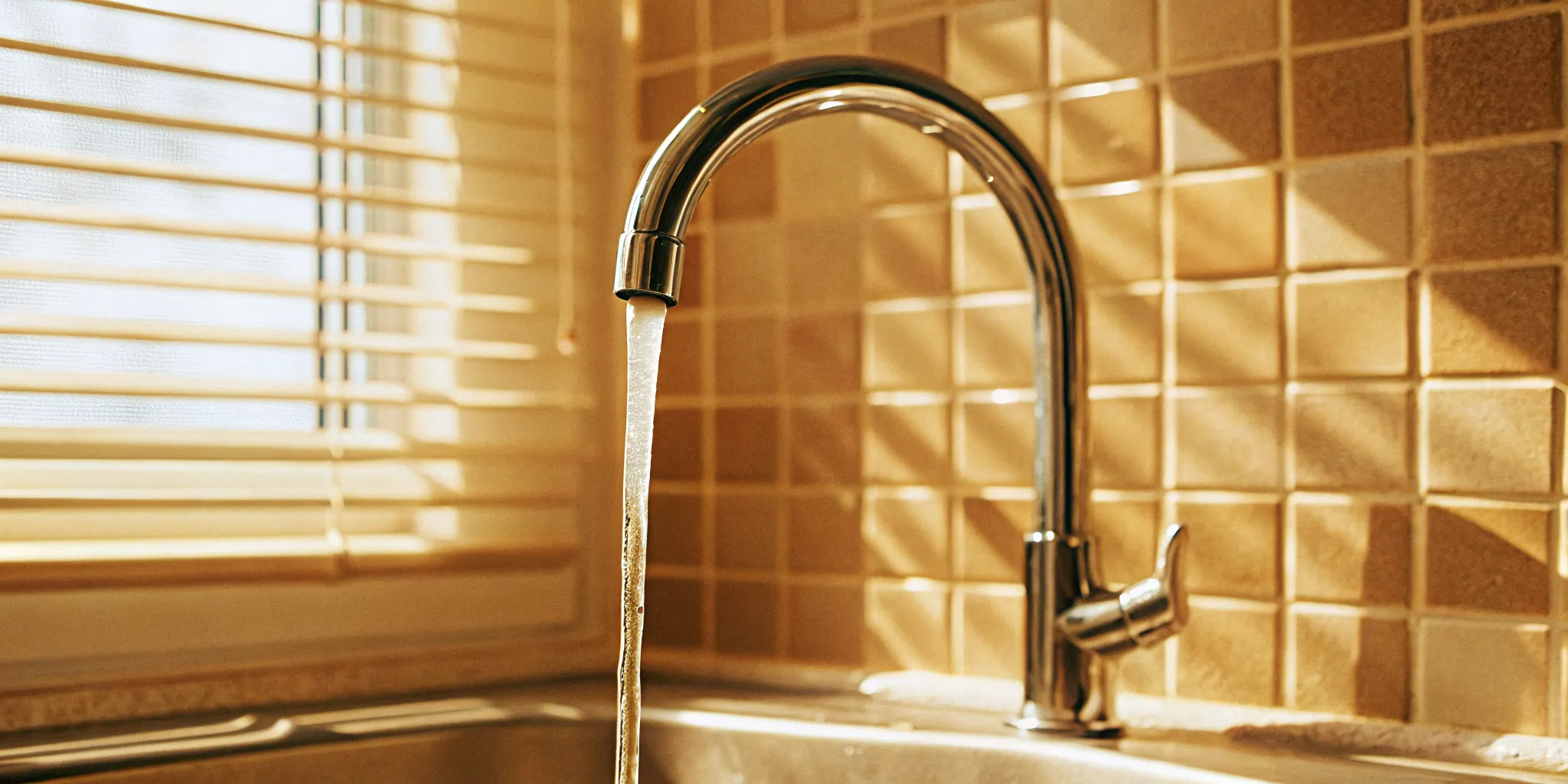
How biofilms build up in pipes
Biofilms need food and a place to grow. Tiny bits of organic matter or minerals in your well water serve as food for these bacteria. They stick to the walls of your pipes and create a coating that is hard to wash away. This is very common in older plumbing or in homes that do not use a water filter. Experts at the University of Georgia Extension note that these odors often come from algae or fungi that grow in pipes during warm weather.
You can often tell if the smell is just in your pipes with a simple test. Run your water for a few minutes at the faucet where you notice the smell. If the odor goes away after a short time, the problem is likely in that fixture or the pipe leading to it. This shows that the smell is not coming from the deep well water source. If the smell is only at one sink, you may just need to clean that fixture. But if it is in every tap, you might need a well water treatment system for the whole house.
Still water and smelly pipes
Water that sits still for a long time is much more likely to develop a smell. This is a common problem in guest bathrooms that people do not use every day. It also happens in summer homes or cabins that sit empty for weeks or months at a time. When water stays in the pipes without moving, the bacteria have plenty of time to grow and release odors. The water becomes "stale" and traps these musty scents until you turn on the tap.
If you have been away from home, you should flush all your taps for a few minutes. This helps push out the old water and the biofilm gases. Musty smells like this are quite different from the sharp "rotten egg" scent of sulfur. While biofilm is usually not a health risk, other well water odors like sulfur may need a new fix. If your water has a strong smell that does not go away, you should schedule a free water test with Loon Lakes Water Systems. A test is the best way to find the cause and make sure your water is clean and safe to drink.
Water Treatment Equipment That Needs Service
Sometimes your treatment tools can be the cause of new odors. If your well water smells musty, it might not be the well at all. Instead, it could be an old filter or a system that needs care. Most musty or earthy smells come from old plant matter. A dirty system can trap these bits and make the scent much worse. Fixed checkups help your gear work the right way.
Old carbon filters and media
Carbon filters are great at taking out odd tastes and smells from your home water. But these filters do not last forever. Over time, the carbon media gets spent and can no longer soak up bad smells. When the media is full, it can start to grow germs or mold inside the tank. This often leads to a damp or mildew scent when you turn on the tap. You should swap out the carbon media every few years to keep your water fresh.
If you wait too long to change your filters, the water flow may slow down too. Trapped debris in the tank can break down and release bad odors back into your pipes. A fresh well water filtration system uses high-quality parts to stop these issues before they start. Keeping your media clean is the best way to avoid a musty house.
Fouled iron filter beds
Iron filters are common in Minnesota homes to stop orange stains. These systems use a special bed of media to catch iron and manganese. If the system does not backwash often enough, the bed can become fouled with slime and silt. This buildup creates a home for harmless but smelly living things. When this happens, you may notice that your water looks clear but still has an earthy scent.
Cleaning a fouled filter bed takes more than a simple rinse. You may need a deep clean or new media to get rid of the odor. Since private well owners are in charge of their own water safety, it is up to you to track these service dates. A fouled system will not protect your home as well as it should.
Water softener care and sanitation
Your water softener works hard to take out the bits that cause scale. But the salt tank can become a spot where dirt and mold grow over time. If you see a dark ring or mush at the bottom of the brine tank, it is time to clean it. This sludge can lead to odors that spread through your whole house. You should clean the tank once a year and use a softener resin cleaner to keep things fresh.
Cleaning the system is also a good idea if you have been away for a long time. Standing water in a softener can grow gunk that smells like a wet basement. Proper care ensures your softener keeps your water soft and your home smelling clean. You can ask a pro to check your system if the musty scent does not go away after a clean.
How to Troubleshoot and Isolate a Musty Odor
When your well water smells musty, you should find where the scent starts. It might come from your well, your pipes, or even just your hot water tank. You can use a few simple tests to find the source of the problem. This helps you know if you need to fix one part or look at the whole system.
Test the hot and cold water
Start by checking if the smell is in both the hot and cold water. Fill a clean glass with cold water and step away from the sink to smell it. Then, do the same with hot water. If the earthy scent is only in the hot water, the issue is likely your water heater. Bacteria can grow in the tank if the heat is too low or if the rod is old. This test helps you see if you need to fix a single tool or look deeper.
Compare many faucets
Check every tap in your home to see if the smell is in every room. If only one sink smells like mildew, the problem is likely in that drain or pipe. Slimy layers often grow in drains and release a scent when water runs. If every tap has the same odor, the source is probably your main water line or the well. You can compare this to other water odors in well systems to see if your issue matches common patterns.
Check the water source
To see if the well is the cause, let your water run for several minutes. Experts at the University of Georgia say that an odor that stays after the water runs is likely from the well. If the smell goes away fast, the problem is usually in the home pipes. For well owners, the CDC notes that you are in charge of the safety of your own drinking water. This makes regular checks very important for your home.
You can find where the scent comes from by checking your system one part at a time. Use these steps to help you find the source.
- Smell the cold water first. Run the cold tap for a minute and fill a glass. Move to a different room to see if the water itself smells musty.
- Test the hot water. Repeat the test with only the hot water tap. A smell found only in hot water points to a problem with your water tank.
- Check every sink. Turn on each tap in the house. If the smell is in every room, the source is likely your well or the main supply line.
- Run the water for five minutes. Let the water flow to clear out the pipes. If the musty scent remains, the well itself may have organic matter or algae growth.
- Test the well water. If you cannot find the source, an expert test is the best way to get a clear answer.
Finding the source helps you pick the right fix. It also ensures you do not spend money on tools you do not need. If your well water smells musty after a big rain, it may be due to surface water in a shallow well. Testing is the only way to know for sure what is in your water.
Minnesota Well Water Treatment: Comparing Your Solutions
If your well water smells musty, you need to find a fix that lasts. Many folks in Minnesota deal with these odors. They often come from algae or rotting organic matter. This can happen when surface water gets into your well after a big rain. The best way to start is with a clear look at your options. This helps you find what works for your home.
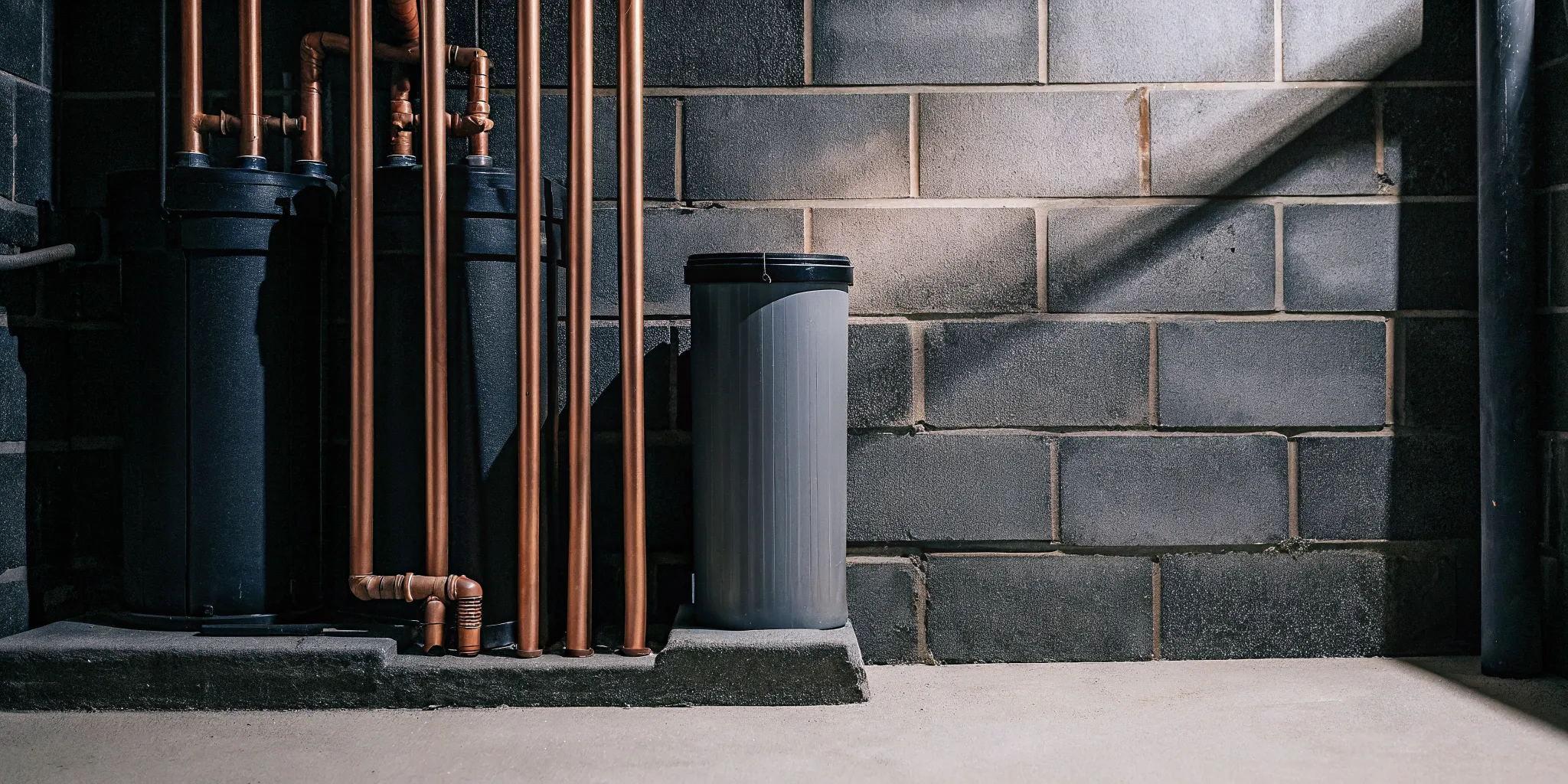
Finding the right fix for musty smells
Before you pick a system, you must know what is in your water. Musty or fishy smells often come from rotting organic matter that is common in shallow wells. This matter can wash in during the spring or after storms. Water testing is the only way to find the true cause of the problem. Once you have your results, you can choose from many well water treatment systems to clear the air.
Private well owners are in charge of their own water safety. Since the federal Safe Drinking Water Act does not cover private wells, you must take the lead. You should test your well at least once a year to make sure it is clean. Testing helps rule out bigger problems. It also helps you pick the right gear for your home. It makes sure you do not waste money on a tool that does not fit your exact water issue.
Choosing between whole home systems
There are a few ways to treat musty well water in Minnesota. Each way has its own strengths and flaws. This is based on how strong the smell is. Some systems work best for light smells. Other gear can handle heavy buildup. Use the table below to see how these common options stack up for your home.
| Treatment Method | How It Works | Pros | Cons | Best For |
|---|---|---|---|---|
| Carbon Filtration | Uses carbon to trap smells and tastes. | Low cost, easy to use. | Filters need a regular change. | Light musty or earthy smells. |
| Iron Filtration | Uses air or media to trap smells. | Clears iron and odors. | Can be more complex. | Musty smells with iron stains. |
| Chemical Injection | Adds chlorine to kill algae. | Very strong and sure. | Needs a feed tank and pump. | Hard odors or high bacteria. |
| Shock Chlorination | One-time high dose of chlorine. | Quick and cheap. | Only a short-term fix. | New wells or after repairs. |
Most musty smells are not a health risk, but they make drinking water taste bad. A whole-home system can stop the smell at every tap in the house. This is better than just treating the water you drink. It protects your pipes and laundry too. It also stops the odor from filling the room when you take a shower. If you have a musty smell that does not go away, a local pro can help you pick the right path. They can look at your test results and suggest the best tool for your well.
Frequently Asked Questions
What causes well water to smell like mildew?
Musty smells in well water often come from algae, fungi, or decaying plant matter. These tiny living things can grow in warm weather. They also enter shallow wells through surface runoff after a heavy rain. While often harmless, these smells can make your water taste bad. Using a local water expert to find the exact source is the best way to keep your water clean and fresh.
Is it safe to drink water that smells musty?
Earthy smells often come from harmless plants, but you should still test your water to be sure. According to the CDC, well owners are in charge of their own water safety. A musty smell might signal that surface water is leaking into your well. Testing helps find if the water is safe or if it contains harmful bacteria that could make your family sick.
Why does my shower water smell musty after it runs?
If the smell stops after the water runs for a few minutes, the issue is likely in your pipes or showerhead. Small amounts of bacteria can build up in these areas over time. If the smell stays, the problem is probably in the well itself. According to UGA Extension, testing the water from both the well and the tap helps find the source of the odor.
How do I fix musty-smelling water from my well?
Start with a professional water test to find what is causing the smell. If the odor comes from the well, a whole-home filter system can help. These systems remove the organic matter that causes musty smells. You should also check your well cap for cracks. A tight seal keeps out rain and runoff that can bring in dirt and odors. These steps will help ensure your water stays clean and safe.
Are you ready to fix your musty well water odor for good today?
Living with musty well water can lead to costly repairs because these odors often signal organic growth that coats your pipes in a slimy film. Waiting to act makes the issue much harder and more costly to fix as the grime builds up deep inside your water pipes over time. Booking an expert water checkup right now helps you find the root cause and makes sure your home has clean water for the months ahead.
Ready to get clean water in your home once again? Schedule a free water test to find the cause of your water odor and get a clear plan to fix it today for your family.