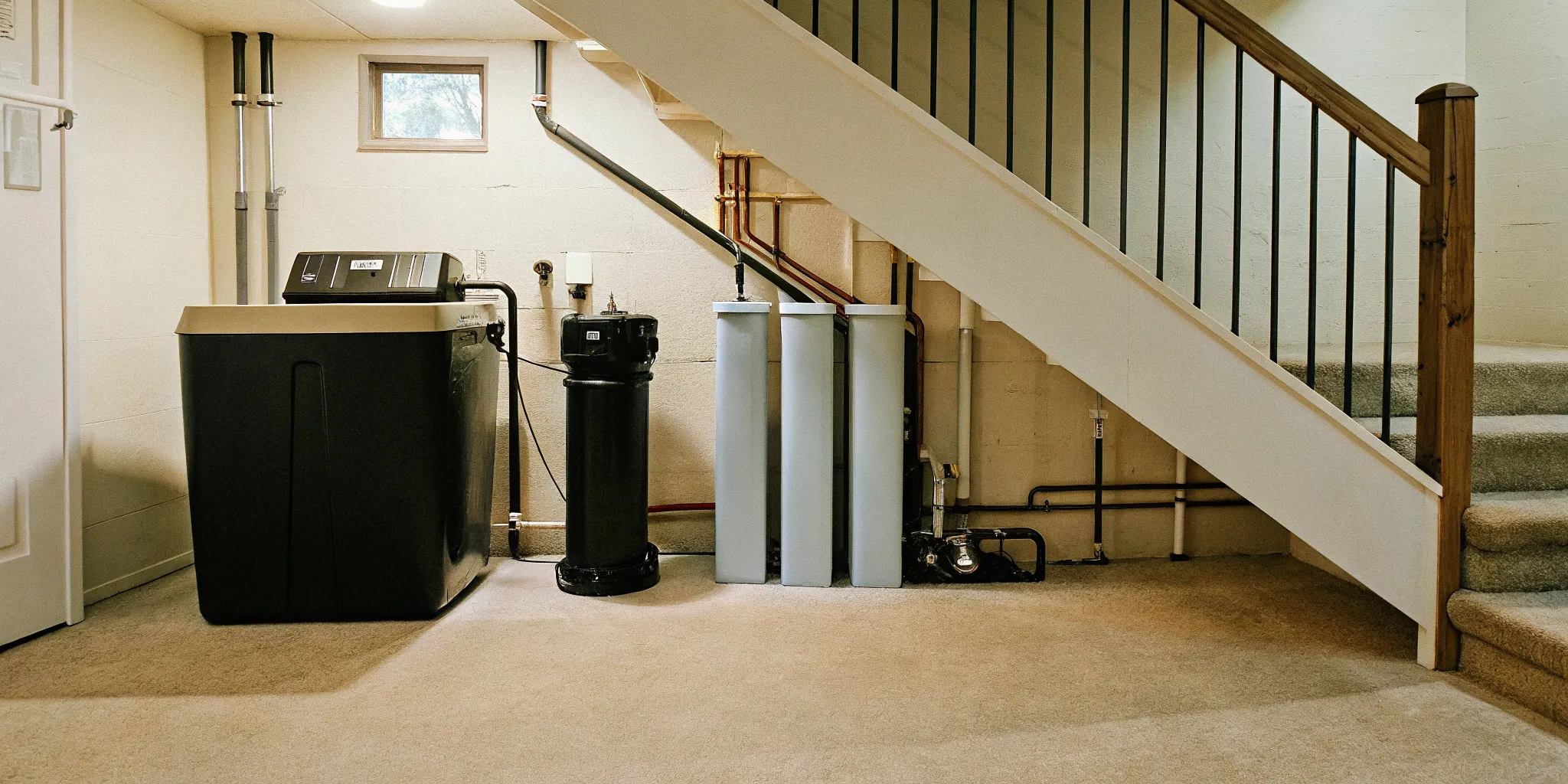
Finding the best water softener for iron well water Minnesota means you must look at your exact iron levels and water mix. A basic softener works for hard minerals, but iron levels over 0.3 parts per million need special resin to stop system breakdown. Data from the Minnesota Department of Health shows that iron is present in the majority of private wells across the state. You should pick a system by adding your iron count to your hardness score to handle daily water use. Strong systems like the Puronics line use top-tier media to pull out both iron and hardness for most homes. If iron levels are very high, you might need an extra filter to keep your pipes and water clean.
Call (612) 930-0156 today to schedule your free water test and find out exactly what your well water needs.
Many think a standard softener will fix every well water issue. But learning Why High-Iron Well Water Requires a Different Approach Than Hardness Alone is the first step to get clean water. You must know if your water has simple hardness or a tricky iron mix. The process starts here.Water Softener For Iron Well Water Minnesota: Why High-Iron Well Water Requires a Different Approach Than Hardness Alone
A standard water softener alone usually falls short against iron-heavy Minnesota well water. Iron particles foul the resin bed, and dissolved iron turns to rust after hitting air, which means a simple hardness-only approach leaves orange stains and metallic taste behind. You need a system designed for both hardness and the unique iron chemistry of Minnesota groundwater.
Most Minnesota homeowners know our state has very hard water. But if you have a private well, hardness is only part of the story. About 90% of private wells in Minnesota contain iron. While a standard softener works well for city water, well water often needs a special system. A water softener for iron well water Minnesota homes require helps keep your water clean. Treating iron is a different task than just removing calcium and magnesium.
Clear water iron versus red water iron
There are two main types of iron found in wells. The first is ferrous iron, also called clear-water iron. This iron is dissolved in the water. It looks clear when it comes out of your tap. But once it hits the air, it turns into solid rust. The second type is ferric iron, or red-water iron. About 40% of Minnesota wells have this kind based on state water quality data. Red-water iron is already a solid. It makes your water look cloudy or orange right away. It causes the stubborn orange stains from iron that ruin sinks and laundry.
The EPA sets a secondary limit for iron at 0.3 parts per million. This limit is not about health risks. Instead, it is based on how the water tastes and looks. You can read more about these secondary water standards on the EPA website. If your well is over this limit, you will likely see stains and smell a metal scent. This is very common in deeper wells where water touches minerals for a long time.
How iron damages a standard softener
A basic water softener uses resin beads to grab onto hard minerals. These beads can handle small amounts of clear-water iron. But red-water iron is a different story. These solid particles can coat the resin beads. This is called fouling. When beads are fouled, they cannot do their job. Your water will stay hard even if the system is running. Proper water softener maintenance helps, but a standard unit often cannot keep up with high iron levels.
The complexity of Minnesota well water
In many cases, well water has more than just iron and hardness. Many private wells in Minnesota have a mix of iron, manganese, and sulfur. This mix can create a "rotten egg" smell and black stains. Some wells also deal with iron in well water that comes from tiny living things. These bacteria create a thick slime that clogs pipes and filters even faster. Because of these reasons, a "one size fits all" softener from a big store usually fails on a Minnesota well.
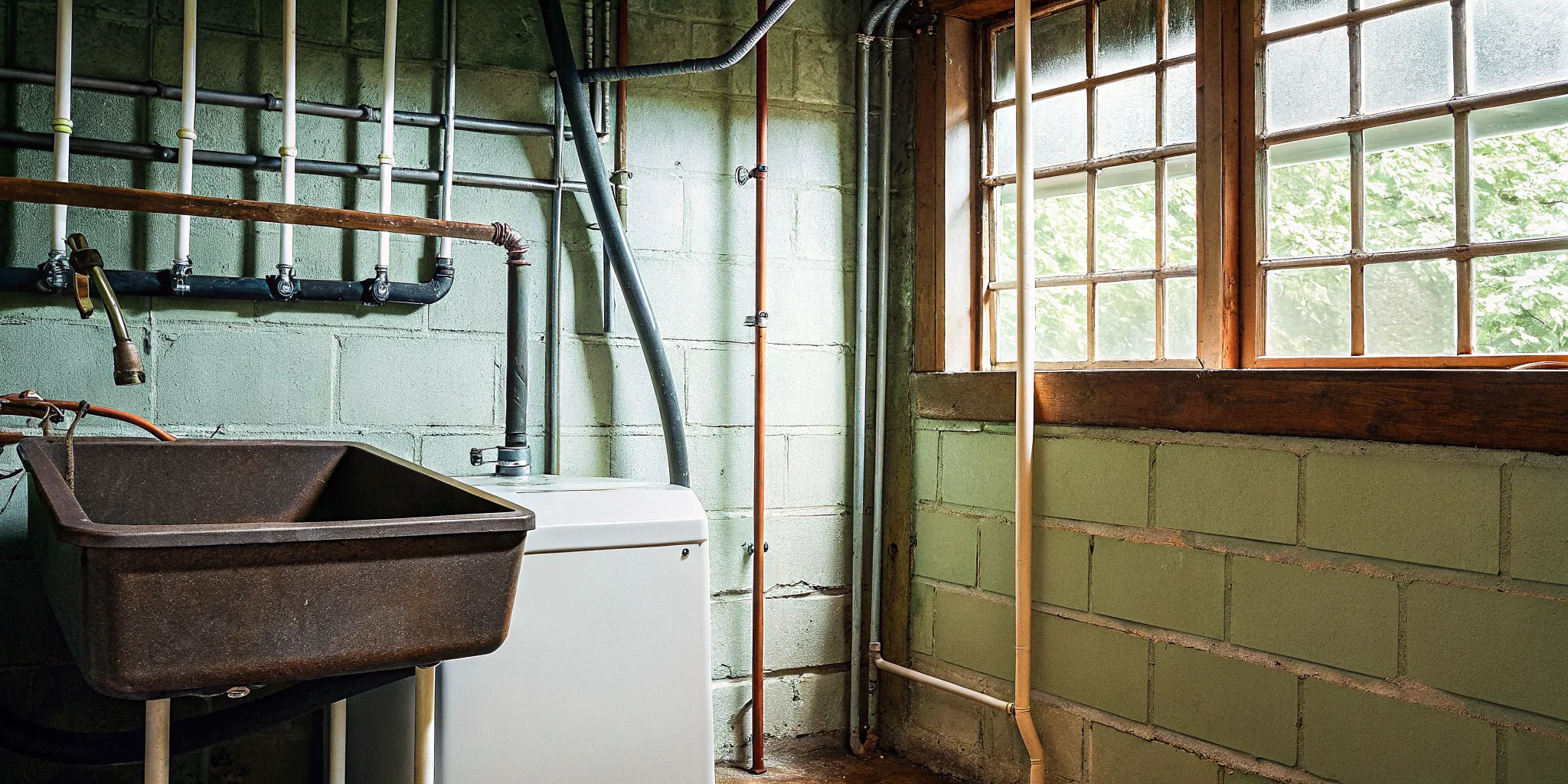
Using a system designed for well water is the best way to protect your home. These systems use better resin and special cleaning cycles. They can handle the tough mix of minerals found across the Twin Cities metro area. By choosing the right gear now, you avoid costly repairs and stained sinks later.
What Iron Level Triggers the Need for a Dedicated Filter vs. a Softener?
Iron levels below 0.3 ppm can be managed by a standard softener, but anything above that requires upgraded equipment. Between 0.3 and 1.0 ppm, a softener with special high-grade resin can handle the load. At 1.0 to 2.0 ppm, you need a dedicated iron filter before the softener. Above 2.0 ppm, a high-grade iron filter paired with a softener is the only reliable setup for Minnesota well water.
Most Minnesota well water has some iron. The EPA sets a goal for iron in drinking water at 0.3 milligrams per liter (mg/L). While this limit is not about health, levels above it can lead to bad tastes and orange stains. The right system depends on how much iron you have and its form. A water softener maintenance plan might not be enough if your iron levels are high.
When a water softener is enough
If your test shows less than 0.3 parts per million (ppm) of iron, a standard softener may work. At these low levels, the resin beads inside the tank can trap the iron with the hardness minerals. But once you reach 0.3 to 1.0 ppm, you need more power. A softener with special resin, like the Puronics ChloroShield Clearess, can manage this iron for up to 20 years. This type of resin is better at handling the extra stress from the iron.
The trigger for an iron filter
When iron levels hit 1.0 to 2.0 ppm, a softener alone starts to struggle. At this point, we suggest a dedicated iron filtration for Minnesota well water upstream of your softener. The filter acts as a guard. It removes the bulk of the iron before the water ever reaches the softener resin. This keeps your resin clean and your water clear. If your levels exceed 2.0 ppm, you need a set of both a high-grade iron filter and a softener.
Clear water vs red water iron
The form of the iron matters as much as the amount. Ferrous iron, or clear-water iron, is dissolved in the water. It looks clear at the tap but turns to rust-colored particles after exposure to air. A softener can remove this form. Ferric iron, or red-water iron, is already a solid particle. It needs a physical filter to pull it out. Knowing which one you have is the first step in finding the right fix for your well water filtration system.
| Iron Level | Type | Recommended System |
|---|---|---|
| Under 0.3 ppm | Any | Standard water softener |
| 0.3 to 1.0 ppm | Ferrous (clear) | Softener with special resin |
| 1.0 to 2.0 ppm | Ferrous or ferric | Iron filter + softener |
| Above 2.0 ppm | Ferric (red) | High-grade iron filter + softener |
Sizing a Water Softener When Iron and Hardness Are Both High
To size a water softener for iron-heavy well water. You must calculate compensated hardness by adding 4 to 5 grains per gallon of hardness for every 1 ppm of iron. This means a well testing at 10 gpg hardness and 2 ppm iron actually requires a system rated for 18 to 20 gpg. Factor in your daily water use to find the right grain capacity and resin tank size.
Finding the right water softener for iron well water Minnesota involves more than just counting the number of bathrooms in your home. For city users, sizing is simple because they only deal with hard minerals. Well owners face a bigger challenge. Iron takes up space on the resin bed just like calcium does, but it is much harder to remove. If you do not account for both, your system will fail to clean itself well. This leads to orange stains and hard water spots within just a few months of use.
The Formula for Compensated Hardness
To size a system the right way, you must count what experts call compensated hardness. This number shows the total load on the resin. The standard rule is that each 1 part per million (ppm) of iron acts like 4 to 5 grains per gallon (gpg) of hardness. If your water test shows 10 grains of hardness and 2 ppm of iron, your system needs to treat it as 20 grains of hardness. You find this by taking the iron level and multiply it by five, then adding that to the base hardness score.
You then multiply this total number by the amount of water your family uses each day. Most people use about 75 gallons per day. A family of four might use 300 gallons. In our example, 300 gallons times 20 grains means the system must remove 6,000 grains per day. Most systems should only clean themselves every few days to save salt and water. This math helps us find the best fit for your needs.
Choosing Resin Tank Size
The amount of resin inside the tank sets how much iron and hardness it can hold. Most Minnesota homes use a tank with 1.0 or 1.5 cubic feet of resin. A 1.0 cubic foot tank has a top limit of about 32,000 grains, while a 1.5 cubic foot tank holds 48,000 grains. But we never run a system to its max limit. High iron levels can foul the resin if it is not flushed often enough. Using a larger tank gives more room for cleaning, which helps the system last longer.
Puronics Solutions for Minnesota Wells
Loon Lakes offers several Puronics lines that work well in well water areas. These systems use smart media to handle both iron and hard minerals. Our top options include:
- Terminator iGen: A premium choice with a stainless steel shell and multi-layer media
- Hydronex iGen: Offers great results for homes with high water demand
- Defender iGen: Gives a solid value and steady service for years
- Filtramax iGen: A powerful well water filtration system that removes iron and dirt
Each system cleans itself based on how much water you use. This saves salt and keeps the resin fresh.
According to the Environmental Protection Agency, iron is a secondary problem that affects the taste and look of your water. Because well water varies so much from one yard to the next, we always start with a test. We do not guess when it comes to your home.
How Puronics Systems Handle Iron-Laden Well Water
Puronics systems tackle iron-heavy well water using advanced media technology including NASA-based SilverShield HYgene that prevents bacterial growth inside the filter bed. The Puronics Ironmax filter targets high iron and manganese levels before they reach plumbing. All systems carry WQA Gold Seal and NSF certifications, and the specialized media can last up to 20 years with proper maintenance.
Loon Lakes Water Systems is a local dealer for Puronics. This brand is known for its heavy-duty water tools. We offer more than 25 product models to ensure each home gets the right fix. For Minnesota well water, we use tools that go beyond basic softening. These systems handle the specific metal loads found in our local ground water.
Three levels of water technology
Puronics tools come in three main levels to meet different water goals. The first level is for city water where chlorine is the main worry. For well owners, the other levels are the main tools. These systems use special media to remove hard water minerals. They also help to control common well issues like iron in well water. We choose every system based on a professional water test to match your iron levels.
NASA-based SilverShield HYgene
One special part of Puronics systems is the NASA-based SilverShield HYgene technology. This special media stops the growth of bacteria inside the filter bed. This is a common problem in well systems. Stagnant water can lead to bad growth that clogs the system. This tech was first made for the Space Shuttle to give safe water to astronauts. In a typical home, this media can last for 112,500 gallons. This is about 12 to 18 months for a family of four before it needs care.
Filters for iron and manganese
When well water has high levels of iron or manganese, we suggest the Puronics Ironmax system. This tool is built to filter out these metals before they enter your pipes. The Ironmax works with a softener to stop orange stains from iron. It also stops the metallic taste found in deep Minnesota wells. This pair keeps your home tools safe and your water clear. Many of these systems use media built to last up to 20 years with good water softener maintenance.
High quality and performance
You need tools you can trust when you have harsh well water. Puronics systems have the Gold Seal from the Water Quality Association (WQA). This shows they meet tough rules for how they work and stay safe. They also have seals from NSF and the EPA. This proves they work as we say. A certified system gives you clean water for years. These systems meet the goals set by EPA secondary standards for iron and manganese.
Frequently Asked Questions
Minnesota homeowners most often ask whether a standard softener removes iron, when to switch to a dedicated iron filter. What the safe iron limit is for drinking water, and how to test their well. The answers depend on your specific water chemistry, which is why a free professional test is the first step.
Does a water softener remove iron from well water?
A water softener can remove small amounts of clear water iron. This type of iron is dissolved in the water and cannot be seen at first. However, a standard softener is not built to handle high levels of iron. Too much iron can coat the resin beads inside the tank and stop the system from working. According to Loon Lakes Water Systems, 90% of Minnesota private wells contain iron. This often requires a special system for the best results.
When should I consider an iron filtration system instead of a softener?
You should think about a special iron filter if your iron levels are above 1.0 parts per million. Standard softeners can handle low levels, but high iron will hurt the system over time. If you see orange stains or smell a rotten egg odor, you likely need a filter. A combined system works best for many Minnesota homes by removing metal before softening the water. A free water test from Loon Lakes will show you truly which system you need for your home.
What is the recommended limit for iron in drinking water?
The U.S. government sets a limit of 0.3 parts per million for iron in drinking water. This is an aesthetic limit, which means it is based on how the water looks, tastes, and smells. While it is not a rule for health, the EPA notes that water above this level can cause orange stains and a metallic taste. Since most Minnesota well water has higher levels, a treatment system is a good way to protect your home and pipes.
How do I test my Minnesota well water for iron?
You can test your well water by calling a local water expert for a professional analysis. A basic test will check for iron, hardness, and other minerals. Since water quality can change, it is smart to test your well every year. Loon Lakes Water Systems offers a free water test for homeowners in the Twin Cities area. Their team will visit your home, test your water, and explain the results so you can choose the best system for your specific needs.
Ready to schedule a free water test for your home?
Leaving high iron levels in your well water can lead to costly plumbing repairs over time. These minerals build up in your pipes and stain your sinks or laundry in just a few weeks. You can save money and protect your home by setting up an expert test right now. Our local team knows Minnesota water and we can help you choose the right system without any sales pressure. We will test your water first so you know what you need for your house. This path ensures you get the best water for your family today and for years to come. Every day you wait is another day of stains and poor water flow.
Ready to schedule free water testing? Call (612) 930-0156 to talk to a water expert.