For Minnesota homeowners, understanding what comes out of the kitchen faucet can be surprisingly complex. The City of Minnetonka delivers millions of gallons of water daily from 18 deep groundwater wells drawing from the Prairie du Chien-Jordan and Jordan aquifers. While this water meets all federal, state, and local safety standards, modern environmental science shows that "legal" limits do not always align with optimal health. In fact, federal drinking water guidelines have not been fully updated in over twenty years.
The latest Minnetonka MN EWG tap water report highlights several contaminants that exceed the Environmental Working Group's strict, peer-reviewed health guidelines. The most prominent detections include chemical disinfection byproducts—specifically bromodichloromethane at 108 times and chloroform at 44 times the health goal—along with trace levels of persistent perfluorinated industrial chemicals (PFAS or "forever chemicals"). While the municipal treatment facility performs necessary filtration, these trace chemicals and extreme 18-grain mineral hardness remain present by the time water reaches your tap. Standard water softeners handle hardness minerals but cannot filter out trace chemical compounds; protecting your family's drinking water requires high-efficiency carbon block filtration or a dedicated reverse osmosis (RO) system.
Schedule Your Free Water Test Today →
Understanding Minnetonka's Ground Source Water
Unlike cities that draw from surface water like the Mississippi River, Minnetonka relies entirely on groundwater. Deep wells ranging from 444 to 575 feet pump water from the Jordan and Prairie du Chien-Jordan aquifers. Groundwater is naturally filtered by layers of soil and rock, making it generally free of organic pathogens. However, this same geological journey causes the water to dissolve local limestone, absorbing heavy concentrations of calcium and magnesium.
This mineral absorption results in an average water hardness of 18 grains per gallon (gpg) in Minnetonka—nearly four times the national average. This extreme hardness causes rapid scale buildup in water heaters, clogs pipes, leaves a white mineral crust on fixtures, and dries out skin and hair. Furthermore, groundwater in this region is prone to iron and manganese breakthrough, which can cause metallic tastes and rust-colored staining in tubs and sinks. To protect home appliances and plumbing, professional water softening is a standard necessity. Check out our comprehensive guide on water softener installation and maintenance in Minnesota to learn more.
Disinfection Byproducts (TTHMs and HAAs) in Minnetonka
To ensure municipal water is safe from bacteria and biological pathogens as it travels through 260 miles of water mains, the city treats the water with chlorine. While chlorination is vital for public health, chlorine naturally reacts with organic matter in groundwater to form chemical byproducts. These are known as Total Trihalomethanes (TTHMs) and Haloacetic Acids (HAAs).
The EWG database highlights that these treated byproducts exceed health guidelines significantly in Minnetonka's system:
- Bromodichloromethane: Detected at an average of 6.45 ppb (parts per billion), which is 108 times the EWG health guideline of 0.06 ppb. This byproduct is classified as a potential carcinogen and has been linked to reproductive concerns.
- Chloroform: Detected at 17.7 ppb, or 44 times the EWG health goal of 0.4 ppb. Like other trihalomethanes, chloroform poses long-term health risks if consumed regularly over many years.
- Haloacetic Acids (HAA9): Detected at 15.1 ppb, which is 252 times the EWG health guideline of 0.06 ppb.
These byproducts do not represent an EPA violation—they remain well below the outdated federal legal limits. However, they demonstrate the difference between regulatory compliance and health-first water quality.
PFAS Detections & Emerging Contaminants
Per- and polyfluoroalkyl substances (PFAS) are man-made chemicals widely used in firefighting foams, non-stick cookware, and water-repellent materials. Because they do not break down in the environment, they accumulate in groundwater and living tissue, earning them the nickname "forever chemicals." Ongoing research links PFAS exposure to immune system suppression, thyroid dysfunction, and elevated cancer risks.
During the EPA's recent Fifth Unregulated Contaminant Monitoring Rule (UCMR 5) cycle, which monitors emerging contaminants, trace detections of PFAS compounds such as PFBA (perfluorobutanoic acid) and PFHxS (perfluorohexane sulfonate) were reported in Minnetonka's water system. While these levels are extremely low and meet current state guidelines, the presence of any persistent synthetic chemical at the tap is a concern for health-conscious homeowners. Standard physical filters and water softeners have no impact on these microscopic chemicals.
How to Match the Treatment to Your Water Concerns
Resolving Minnetonka's water problems requires a dual approach because minerals (hardness) and chemical contaminants require entirely different treatment technologies:
| Water Concern | Symptom/Cause | Effective Technology | Primary Benefit |
|---|---|---|---|
| Extreme Hardness (18 gpg) | White crust on faucets, dry skin, soap scum, appliance wear | Ion Exchange Water Softener | Eliminates scale, protects plumbing, extends appliance lifespans |
| Disinfection Byproducts (TTHMs) | Chlorine taste/odor, bromodichloromethane, chloroform | Activated Carbon Block Filtration | Removes chemical taste and odor, absorbs chlorine byproducts |
| PFAS & Micro-Contaminants | Forever chemicals, heavy metals, fluoride, trace impurities | Multi-Stage Reverse Osmosis (RO) | Removes up to 99% of synthetic chemicals and total dissolved solids (TDS) |
Ion Exchange Softening for 18-Grain Hardness
To eliminate scale and protect your water heater, laundry, and plumbing, an ion-exchange water softener is highly recommended. By swapping hard calcium and magnesium ions for sodium ions, softeners keep your water clear of scale. For local reference, you can read about what to expect during a professional setup in our nearby guide on water softener installation in Chaska, MN.
Reverse Osmosis for High-Purity Drinking Water
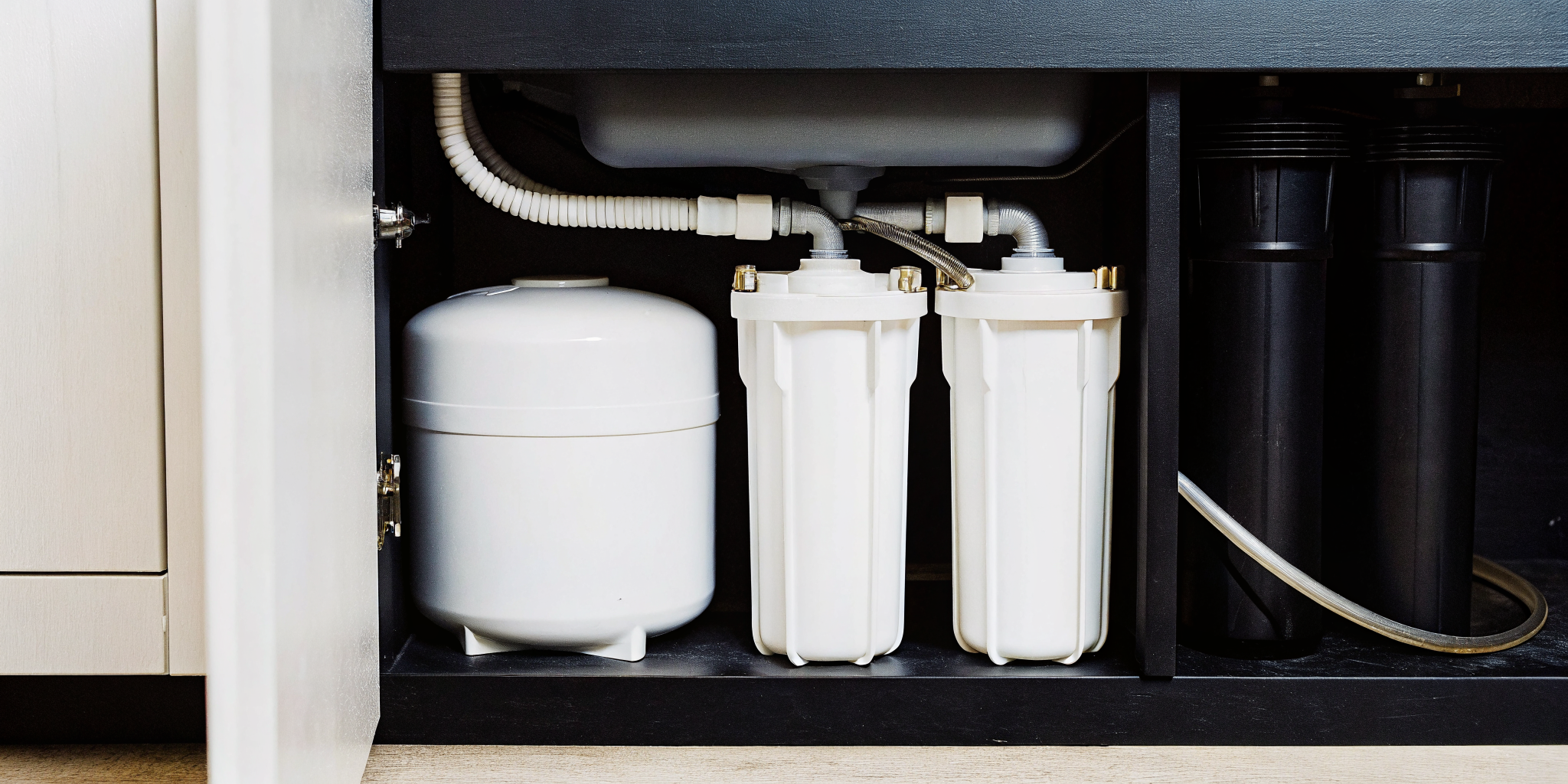
While a whole-home softener is perfect for your pipes and showers, it does not filter chemical impurities from your drinking water. To address disinfection byproducts, PFAS, and other dissolved solids, a multi-stage Reverse Osmosis (RO) system is the gold standard. Installed under your kitchen sink, an RO system forces water through a semi-permeable membrane and active carbon blocks, stripping away microscopic contaminants. Explore our guide on under-sink reverse osmosis systems to learn how these units deliver bottled-water quality directly to your tap.
Take the First Step with Free Water Testing
At Loon Lakes Water Systems, we believe in a straightforward, professional process: **Test First. Explain Clearly. Recommend Correctly.** Because water quality can vary based on your specific neighborhood and plumbing materials, we recommend starting with a complimentary on-site water test.
Our water treatment experts will visit your Minnetonka home, collect fresh samples, and test for hardness, iron, pH, and total dissolved solids (TDS) right in front of you. We will explain your results in plain language, help you weigh repair versus replacement options, and design a customized treatment system that fits your home's unique needs. Contact us today or call 612-930-0156 to schedule your free testing.